


Comprehensive Guide to PVC Wire Mesh Fencing: Durability, Applications, and Trends
Understanding PVC Wire Mesh Fencing: Durable Solutions for Modern Needs
When it comes to fencing options, pvc wire mesh fencing holds an important place in industries worldwide. It’s a solution that blends durability with versatility, serving countless purposes—from agricultural security to urban infrastructure protection. But more than that, advancing knowledge about this type of fencing helps industries and communities build safer, more cost-effective, and sustainable environments. Globally, as urbanization and industrialization increase, the demand for reliable perimeter control grows—and this is where PVC wire mesh fencing steps in.
Global Context: Why PVC Wire Mesh Fencing Matters
According to the World Bank, urban populations nearly doubled since 1990, with an estimated 68% of the world living in cities by 2050. This expansion means more facilities, more construction sites, and overall higher stakes for secure fencing. PVC wire mesh fencing has emerged as a preferred choice due to its adaptability and maintenance advantages over traditional metal fences prone to rust and environmental wear. Honestly, it's pretty impressive how the fencing industry has evolved to meet these scale and sustainability challenges.
But there’s a challenge: standard metal fences can corrode quickly, especially in humid or coastal areas. PVC coatings add a protective layer that extends lifespan significantly, making installations not only smarter but more cost-efficient long-term.
What Exactly is PVC Wire Mesh Fencing?
At its core, PVC wire mesh fencing is metal wire crafted into a mesh grid and coated with a polyvinyl chloride (PVC) layer. This plasticized coating not only guards against rust and corrosion but also provides a smoother finish, reducing injury risks—a nice plus when fencing public spaces or animal enclosures. You might say it’s the result of combining metal’s strength with plastic’s resistance to the elements.
It’s popular in industries like agriculture, construction, sports facilities, and even humanitarian projects. For example, protecting relief camps or delineating controlled zones in remote areas leans heavily on fencing that can withstand harsh environmental conditions and rough handling.
Core Characteristics of PVC Wire Mesh Fencing
Durability
The PVC coating resists UV rays, moisture, and chemical exposure, ensuring long-lasting protection for the underlying metal—usually galvanized steel. This guards against rust and maintains fence integrity for years.
Cost Efficiency
While PVC-coated fencing might have a higher upfront price than bare metal, the lower maintenance costs and reduced need for replacements make it a friend to budgets over time.
Scalability & Flexibility
Wire mesh sizes and fence heights can be customized to fit needs, from small garden fences to tall security perimeters. Installation is often easier thanks to lighter weight compared to solid metal panels, too.
Safety & Aesthetics
Thanks to its smooth coating and often green or black coloring, PVC mesh fencing blends into natural surroundings better than traditional galvanized steel, reducing visual intrusion and injury risks.
Environmental Impact
Interestingly, many modern PVC coatings are formulated with eco-friendly additives and manufactured in facilities adhering to ISO 14001 environmental standards, which is reassuring for anyone mindful of sustainability.
Product Specification Table: Typical PVC Wire Mesh Fencing
| Feature | Description |
|---|---|
| Base Material | Galvanized Steel Wire |
| Coating | PVC (Polyvinyl Chloride), 0.5–1mm thickness |
| Mesh Size | Typically 25mm × 25mm to 50mm × 50mm |
| Fence Height | 0.9m to 2.4m standard |
| Color Options | Green, black, white, or custom colors |
| Typical Applications | Agricultural, commercial, residential, and institutional fencing |
Mini takeaway: PVC wire mesh fencing represents a smart balance of robustness, visual appeal, and cost-effectiveness, making it a great choice across many sectors.
Global Applications & Use Cases
Interestingly, you’ll find PVC wire mesh fencing serving diverse roles worldwide. In Europe, it’s common around schools and sports fields due to safety factors and aesthetic preferences. In Australia and New Zealand, agriculture benefits immensely from easy-to-maintain perimeter fencing that resists weather extremes. Meanwhile, NGOs operating in disaster-affected regions in Africa and Southeast Asia use PVC mesh fences to protect temporary shelters and supplies from wildlife and unauthorized access.
Take, for instance, a humanitarian camp in Bangladesh, where frequent monsoon floods challenge the fencing’s durability; PVC wire mesh fences have reportedly outperformed traditional barbed wire systems over multiple years. In industrial sectors, remote mining sites in South America adopt these fences for scalable secure enclosures that can adapt to terrain. The versatility is kind of impressive when you think about it—the same product serves farmers, educators, manufacturers, and relief workers alike.
Vendor Comparison Table: Choosing PVC Wire Mesh Fencing Suppliers
| Vendor | Material Quality | Customization Options | Eco Sustainability | Typical Lead Time | Price Range |
|---|---|---|---|---|---|
| FenceCo Global | High (Galvanized + Thick PVC) | Color & Mesh Custom | ISO 14001 Certified | 4–6 Weeks | $$$ |
| EcoFence Solutions | Medium (Hot-dip Galvanized) | Limited Colors | Eco-friendly PVC Additives | 3–5 Weeks | $$ |
| Durama Fencing | Standard (Galvanized Steel) | Mesh Size Customization | No Formal Certifications | 2–4 Weeks | $ |
Mini takeaway: Vendors vary widely in quality, customization, and sustainability efforts — figuring out your priorities up front really pays off.
Advantages and Long-Term Value
One of the most appealing things about pvc wire mesh fencing is how it combines tangible benefits with emotional safety factors. Practically, it reduces maintenance downtime, which saves money and disruption. Socially, it fosters a sense of security and dignity—think of communities where well-kept fencing discourages trespassing without seeming hostile. And as you probably guessed, innovation has made these fences easier to install and longer-lasting than they used to be, often carrying warranties beyond 10 years.
Plus, the eco angle is becoming a huge part of purchasing decisions. Sustainable PVC coatings that minimize toxic emissions or are recyclable bring peace of mind in today’s environmentally conscious markets.
Future Trends & Innovations
Looking ahead, the fencing sector is exploring enhanced coatings with nanotechnology that improve UV resistance and antimicrobial properties. Digital connectivity is also creeping in — “smart fences” embedded with sensors to detect breaches or weather damage. Automation in installation is another trend, speeding up deployment especially in emergency or large-scale deployments.
On the materials front, researchers are testing bio-based PVC alternatives to reduce plastic impact, though these options aren’t yet mainstream. Regulatory bodies worldwide (including ISO and ASTM) continue updating standards to ensure both safety and environmental responsibility, reinforcing industry trustworthiness.
Challenges & Solutions
Despite the positives, PVC wire mesh fencing isn’t without flaws. Sometimes coating delamination occurs if application methods are subpar. Also, extreme cold climates can cause brittle coating issues. But manufacturers tackle these through improved factory processes and rigorous testing protocols—ASTM standards, for instance, specify minimum coating adhesion and impact tests.
Installation in rough terrain is challenging, but modular fencing systems with adjustable posts and panels are quick fixes. The biggest “soft” challenge is ensuring buyers understand the differences in quality and don’t opt for cheap knock-offs that sacrifice longevity.
FAQ: Frequently Asked Questions About PVC Wire Mesh Fencing
- Q: How long does PVC wire mesh fencing typically last?
A: With proper installation and maintenance, pvc wire mesh fences can last 10–15 years or more. The PVC coating protects metal from rust and corrosion, extending service life significantly compared to bare wire. - Q: Is PVC fencing more expensive than traditional metal fencing?
A: Initially, yes — PVC-coated fencing has a higher upfront cost due to materials and manufacturing. However, reduced maintenance and replacement expenses generally save money over the fence’s lifetime. - Q: Can PVC wire mesh fencing be recycled?
A: Many PVC coatings can be recycled, but it depends on the facilities available in your region. Some manufacturers also offer take-back programs, aligning with growing environmental policies. - Q: What industries benefit most from pvc wire mesh fencing?
A: Agriculture, construction, sports facilities, and humanitarian organizations benefit most, thanks to the product’s durability, safety, and versatility. - Q: How quickly can a PVC wire mesh fence be installed on a large site?
A: Depending on site conditions and resources, modular fencing systems can be installed in weeks, far quicker than concrete or brick walls, offering rapid security solutions.
Conclusion
To wrap it up: pvc wire mesh fencing provides a reliable, adaptable, and cost-effective way to secure spaces in both urban and rural contexts. Its fusion of strength, ease of maintenance, and environmental advancements makes it a top contender for modern fencing needs, whether protecting homes, farms, or humanitarian efforts. If you’re considering fences that balance long-term value with practical performance, clicking over to our site would be a smart next step.
Thanks for reading—and here’s a little nugget to take with you: investing in smart fencing solutions like PVC wire mesh pays off, in safety and peace of mind.
References:
1. World Bank Urban Data – https://data.worldbank.org/indicator/EN.URB.MCTY
2. ISO Environmental Management Standards – https://www.iso.org/iso-14001-environmental-management.html
3. ASTM Fences and Gates Standards – https://www.astm.org/Standards/fences-and-gates-standards.html
Latest News About CHENG CHUANG
-
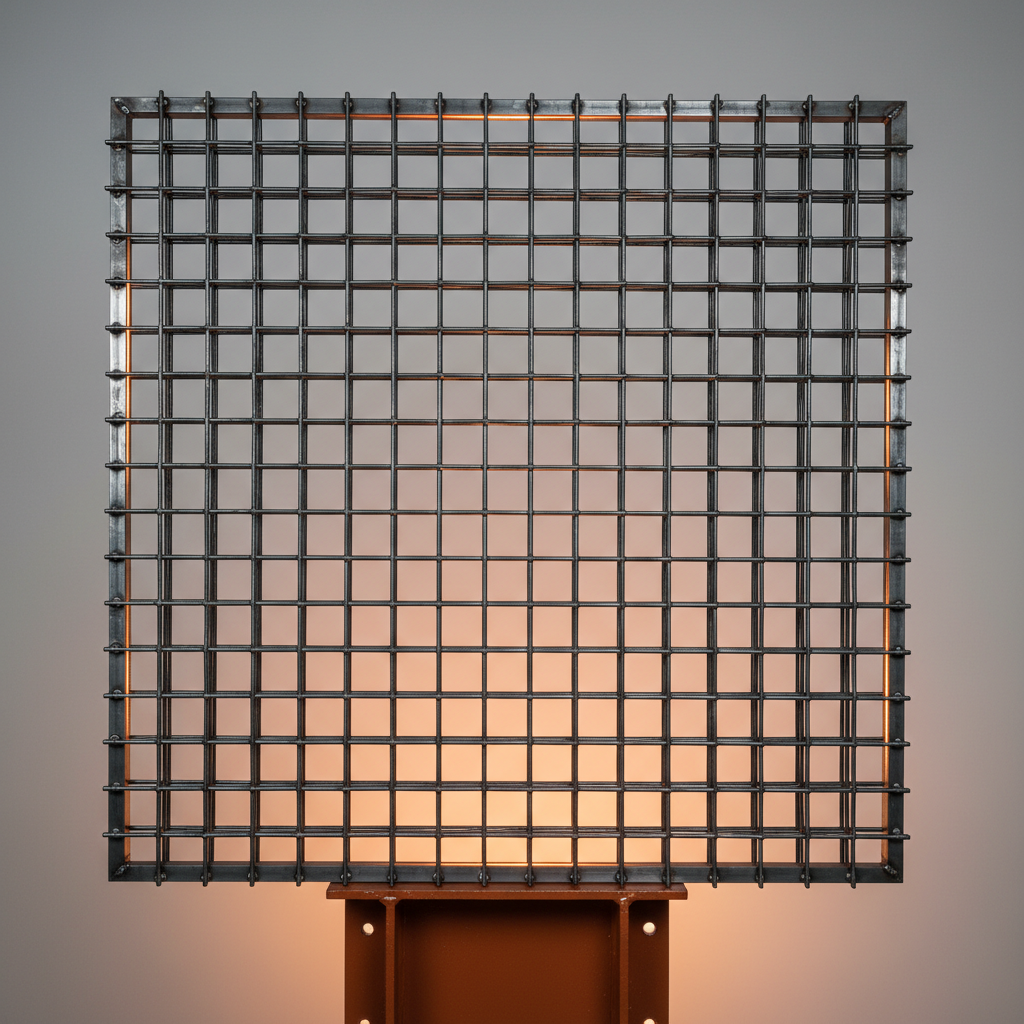 Heavy Duty 6 gauge welded wire mesh for Security and StrengthWhen it comes to heavy-duty containment, security, and structural reinforcement, choosing the right material is critical. The 6 gauge welded wire mesh stands as a premier choice for those requiring a balance of extreme rigidity and precise spacing. Whether you are securing a commercial perimeter, building industrial livestock panels, or creating reinforced concrete structures, this specific thickness provides the structural integrity needed to withstand significant pressure and impact. In this comprehensive guide, we will explore the technical specifications, primary applications, and why this mesh is the gold standard for high-security fencing solutions.Read more >
Apr 16 2026
-
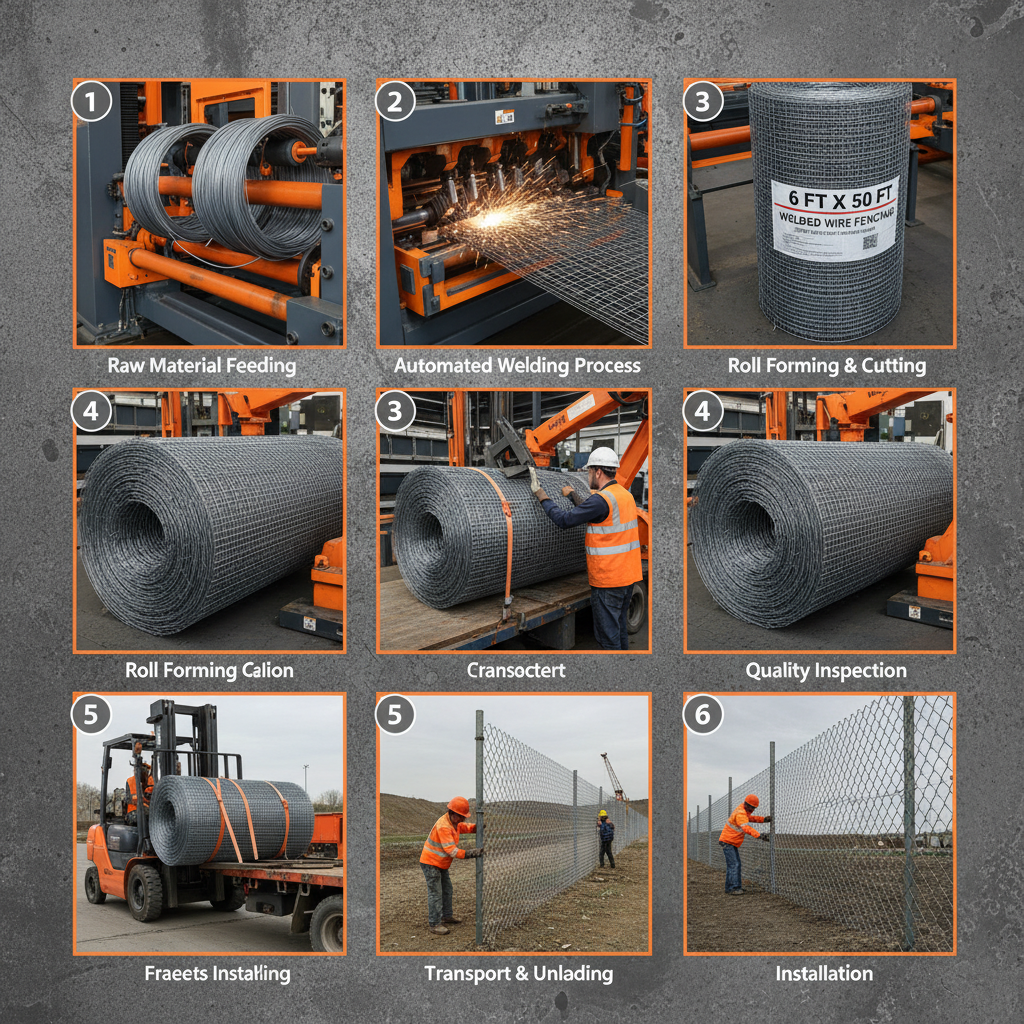 Durable 6 ft x 50 ft welded wire fencing for Security and GardensWhen it comes to securing a perimeter, whether for agricultural use, garden protection, or industrial boundaries, the dimensions and material of your fence matter. The 6 ft x 50 ft welded wire fencing offers an ideal balance of height and length, providing a robust barrier that is easy to install and maintain. Choosing a welded wire system ensures that the intersections are fused together, preventing the shifting and sagging often found in woven alternatives. In this guide, we will explore why this specific size is a preferred choice for property owners and how to maximize its effectiveness for your specific project.Read more >
Apr 09 2026
-
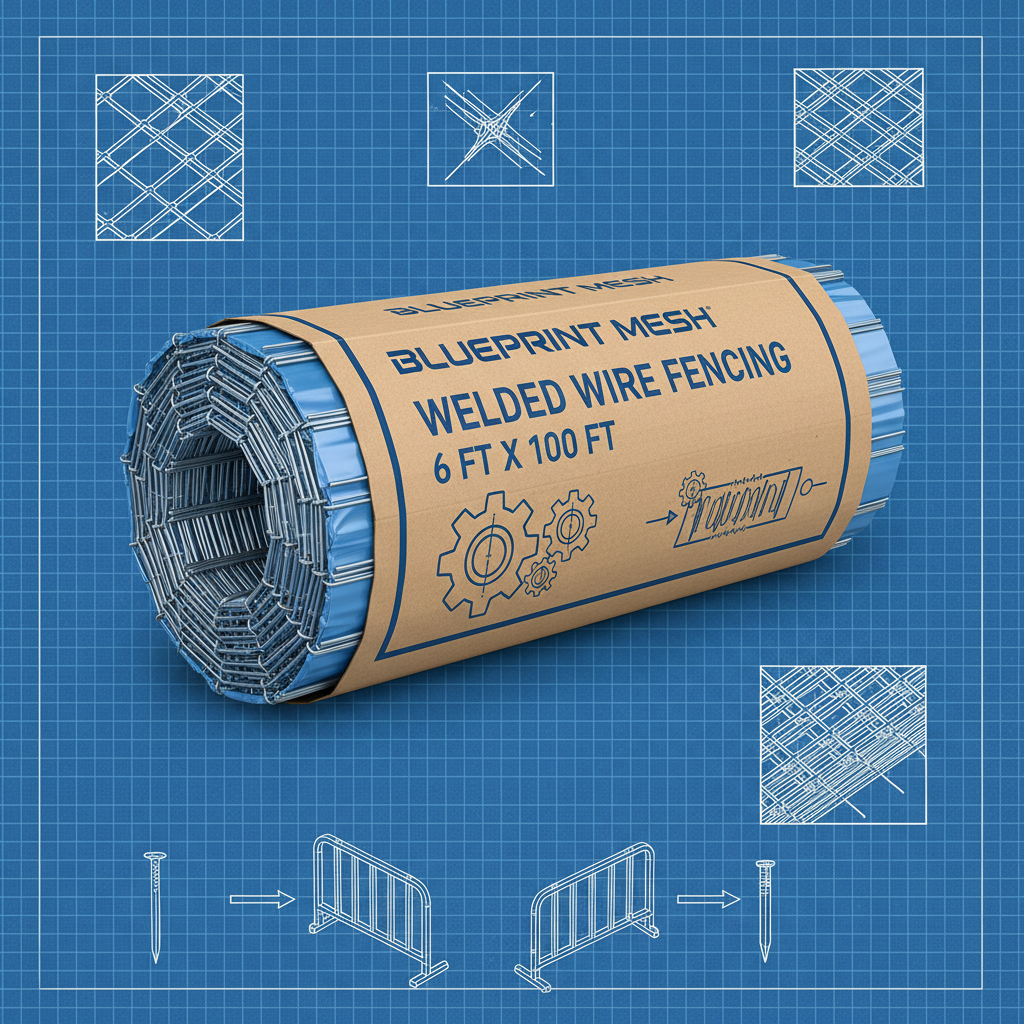 Comprehensive Guide to Choosing the Best 6 ft x 100 ft Welded Wire FencingWelded wire fencing is a versatile and cost-effective solution for a wide range of applications, from agricultural containment to residential security. Understanding the nuances of different types, especially when considering a size like 6 ft x 100 ft welded wire fencing, is crucial for making the right investment. This article will guide you through the essential factors to consider, helping you select the fencing that best suits your specific requirements.Read more >
Apr 07 2026
-
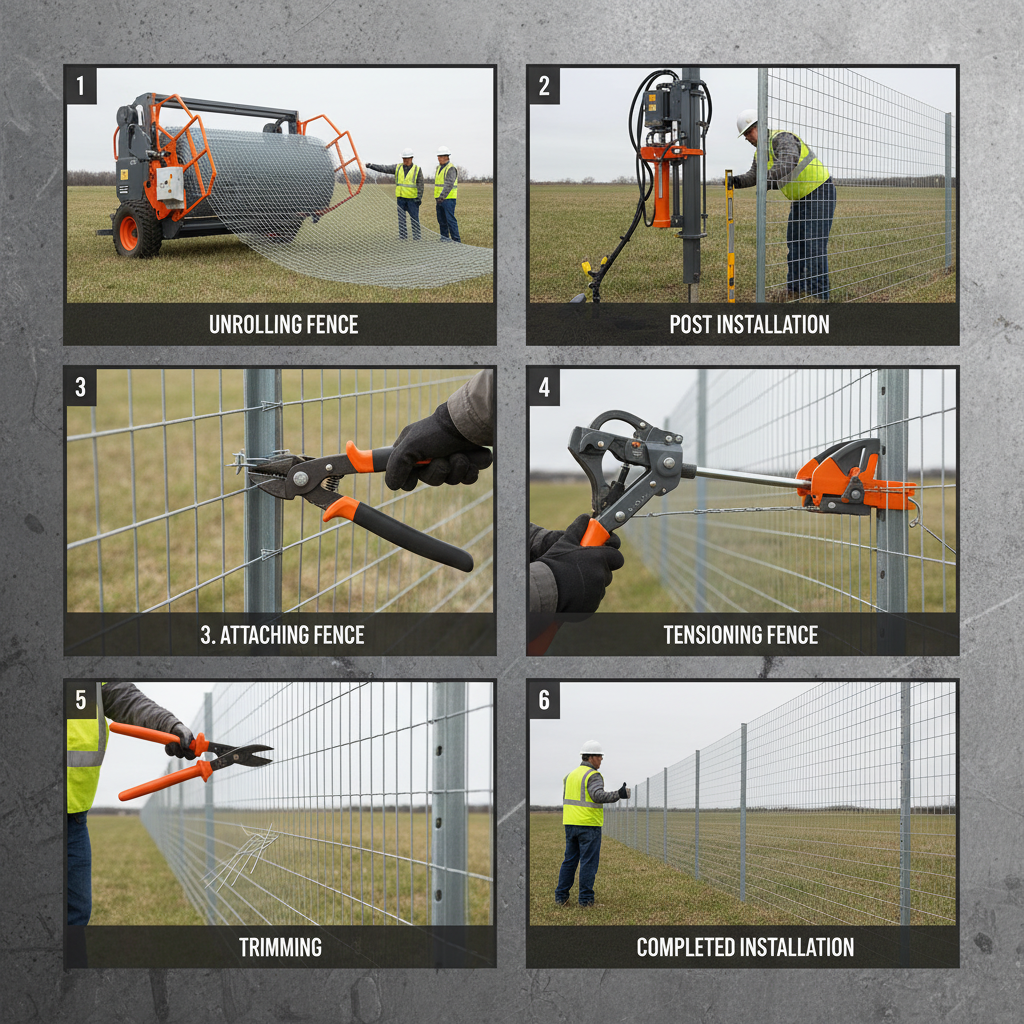 Comprehensive Guide to Choosing a 6 ft x 100 ft 12.5 Gauge Welded Wire FenceSelecting the appropriate fence for your property requires careful consideration. A 6 ft x 100 ft 12.5 gauge welded wire fence offers a robust and versatile solution for a variety of applications, from pet containment to garden protection and security. This guide will explore the benefits, applications, installation tips, and considerations when choosing this type of fencing. Understanding its construction and comparing it to other fencing options will help you make an informed decision.Read more >
Apr 04 2026
-
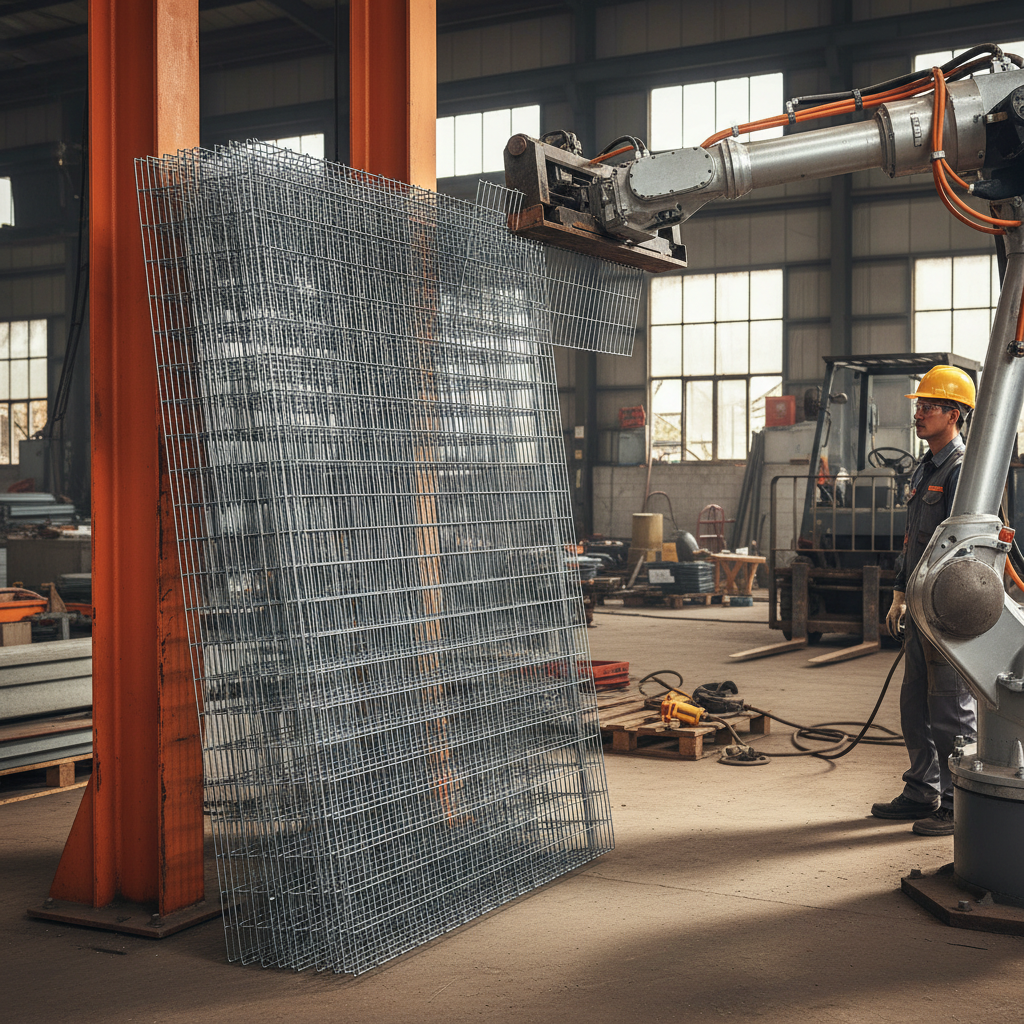 Comprehensive Guide to Durable 6 ft Welded Wire Fencing Panels and ApplicationsWhen selecting fencing for your property, 6 ft welded wire fencing panels offer a robust and versatile solution. These panels combine strength, security, and ease of installation, making them a popular choice for both residential and commercial applications. This article delves into the benefits, applications, installation, and maintenance of these panels, helping you make an informed decision.Read more >
Mar 31 2026