


Quarter Inch Chicken Wire: The Essential Fencing Mesh for Global Agriculture and Security
Understanding Quarter Inch Chicken Wire: A Small Mesh with Big Global Impact
When you hear “quarter inch chicken wire,” you might immediately picture a simple mesh fence keeping chickens safe in a backyard coop. But oddly enough, this particular specification of wire mesh has woven itself into much bigger stories—think global food security, sustainable farming, and even humanitarian relief efforts. The quarter inch mesh size isn’t just about poultry; it’s about creating reliable barriers that protect small animals from predators, support plant nurseries, and help communities worldwide ensure agricultural productivity.
Globally, the demand for versatile fencing solutions like quarter inch chicken wire aligns with growing concerns over food safety and socioeconomic stability, especially in rural areas. With the United Nations estimating that agriculture supports over 40% of the global population, protecting small-scale farms with cost-effective materials has an outsized effect on livelihoods and local economies.
Mini takeaway: Quarter inch chicken wire may seem humble, but its design and function touch critical global issues from animal safety to sustainable agriculture.
Global Context: Why Quarter Inch Chicken Wire Matters Around the World
Worldwide, agriculture faces mounting challenges — climate change, land degradation, and increased pest pressures. According to the Food and Agriculture Organization (FAO), about one-third of global food production is lost to pests annually. The quarter inch chicken wire, with its fine mesh, is a frontline defense that helps farmers prevent losses by keeping smaller pests out without compromising ventilation for crops or livestock.
Industrial farms, smallholder operations, and even urban gardeners rely on this wire. Oddly enough, in developing parts of Asia and Africa, affordable fencing like quarter inch chicken wire plays a vital role in securing livestock and safeguarding seedlings, tying directly into UN Sustainable Development Goals on ending hunger and promoting sustainable agriculture.
Mini takeaway: Fine-mesh chicken wire is a small yet critical tool in combating food insecurity and protecting global agriculture, across continents and scales.
Defining Quarter Inch Chicken Wire
So, what exactly is quarter inch chicken wire? At its simplest, it’s a hexagonal wire mesh with openings roughly 0.25 inches (about 6 mm) wide. This fine mesh size is smaller than standard chicken wire, designed especially to keep even the tiniest predators or pests out. Typically fabricated from galvanized steel wire, it balances flexibility with durability, making it easier to shape while resisting rust.
This product has found uses beyond poultry enclosure. From aquaculture cages to garden fences and compost bins, it forms part of many industrial and humanitarian solutions that require lightweight, rust-proof containment systems.
Mini takeaway: Quarter inch chicken wire is a galvanized steel hex mesh with smaller-than-usual openings offering superior protection in various industries.
Key Features of Quarter Inch Chicken Wire
1. Durability
Galvanization typically protects this wire from corrosion, which is crucial as fencing is often exposed to sun, rain, and soil moisture. Many manufacturers now offer PVC-coated variants for extra longevity and color options.
2. Flexibility
Despite its strength, the quarter inch mesh can be bent or shaped by hand or tools, making installation around irregular garden beds or terrain easier than you might expect.
3. Cost Efficiency
Compared to solid fencing materials, this wire’s lightweight nature lowers transportation and installation costs, particularly vital in remote or resource-limited settings.
4. Safety and Security
The small mesh size helps keep out not only chickens but also rodents, snakes, and even some insect pests. This added protection contributes to farm biosecurity.
5. Versatility
Its applications span from hobby farms to professional agriculture and disaster relief containment—practically a go-to choice for many fencing needs.
6. Environmental Resistance
Its galvanized or PVC-coated finishes help it withstand weather extremes and reduce the need for frequent replacement, supporting sustainable resource use.
Mini takeaway: Durability, flexibility, and cost make quarter inch chicken wire a pragmatic choice balancing protection with budget and ease.
Product Specification Table
| Specification | Details |
|---|---|
| Mesh Size | ¼ inch hexagonal openings (~6 mm) |
| Wire Diameter | 0.6 - 0.9 mm (varies by manufacturer) |
| Material | Galvanized steel, sometimes PVC coated |
| Roll Length | 10 – 50 meters |
| Roll Width | 0.5 – 1.2 meters |
| Color Options | Silver (galvanized), green/black (PVC coated) |
How and Where is Quarter Inch Chicken Wire Used Globally?
- Agricultural Enclosures: from small poultry farms in the American Midwest to vegetable nurseries in rural India.
- Food Security Projects: NGOs deploying fencing in sub-Saharan Africa to improve crop and livestock yields post-disaster.
- Garden & Aquaculture Fencing: Protecting delicate plants and fishponds in Southeast Asia.
- Industrial Applications: Temporary fencing on construction sites or containment of small debris on urban projects worldwide.
For instance, during the 2020 floods in Bangladesh, rapid installation of quarter inch chicken wire fencing helped communities secure livestock pens and vegetable plots from encroaching floodwaters and rodents, reducing nutritional losses.
Mini takeaway: The widespread use, from disaster relief to everyday farming, showcases quarter inch chicken wire’s adaptability and importance in protecting both people and produce.
Advantages & Long-Term Value
It’s not just about keeping chickens in or out—there’s a lot of social and economic value here. Cost-wise, the affordability means farmers who couldn’t otherwise afford fencing can safeguard investments. The durability and resistance to weather reduce replacement frequency, lowering waste and maintenance hassle.
On an emotional level, farmers and families gain peace of mind knowing their animals and plants are safer. This trust in their fencing supports dignity and helps communities focus on growth rather than loss prevention.
Mini takeaway: Quarter inch chicken wire combines practicality and emotional reassurance, creating long-term benefits in farm sustainability and community wellbeing.
Future Innovations & Trends
There's an interesting shift toward environmentally friendly coatings, like biodegradable polymers replacing PVC, aiming to reduce microplastic pollution. Additionally, smart fencing concepts embedded with sensors could one day monitor breaches or animal activity remotely, although such automation remains early-stage for wire mesh products.
Materials science also suggests new corrosion-resistant alloys could extend lifespan dramatically, especially in coastal or high-humidity environments. These innovations aim to keep quarter inch chicken wire relevant even as farming methods evolve.
Challenges & Solutions
Even the trusty quarter inch chicken wire isn’t perfect. Its relatively thin gauge makes it vulnerable to strong animal gnawing or cutting, and installation can be labor-intensive without pre-installed frames.
One workaround is pairing it with rigid supports or electrified strands for high-risk zones. Some manufacturers now offer pre-assembled fence panels—cutting down setup time while enhancing security.
Vendor Comparison Table
| Vendor | Material Quality | Coating Options | Roll Length (m) | Price (per m) | Warranty |
|---|---|---|---|---|---|
| FenceCo Inc. | High-grade galvanized steel | Galvanized & PVC (green) | 30 | $1.20 | 5 years |
| AgroMesh Ltd. | Standard galvanized metal | Galvanized only | 50 | $0.95 | 3 years |
| EcoFencing Solutions | Eco-certified galvanized steel | Biodegradable polymer | 20 | $1.50 | 4 years |
FAQ: Frequently Asked Questions About Quarter Inch Chicken Wire
- Q: How does quarter inch chicken wire compare to larger mesh sizes?
- A: The finer ¼ inch openings provide better protection against small pests like rodents and snakes, whereas larger mesh sizes may be easier to install but less secure. It’s a trade-off between security and airflow.
- Q: Is quarter inch chicken wire suitable for outdoor use in humid climates?
- Yes, galvanized or PVC-coated wire resists rust and corrosion effectively. However, in extremely harsh conditions, additional maintenance or premium coatings may be advisable.
- Q: Can this wire mesh be used for commercial farming setups?
- Definitely. Many commercial farms rely on quarter inch chicken wire to protect young chicks or small plants. Its affordability and ease of installation make it popular in large scale operations too.
- Q: What is the best way to install quarter inch chicken wire securely?
- Using sturdy frame supports and staples or wire ties helps maintain tension and strength. For high-risk areas, combining with electrified fencing can enhance security.
- Q: Where can I buy high-quality quarter inch chicken wire?
- Reputable agricultural suppliers and specialized fence manufacturers offer a range of options. Consider quarter inch chicken wire from certified vendors to ensure quality and warranty.
Conclusion: Why Quarter Inch Chicken Wire Is a Wise Investment
In real terms, though it may look simple and understated, quarter inch chicken wire acts as a keystone in many agricultural and environmental protection systems worldwide. Its blend of durability, small mesh size, and affordability means it effectively secures livelihoods by keeping pests out and nurturing growth.
If you're looking to enhance your farm’s security or embark on a sustainable fencing project, exploring the quality and options of quarter inch chicken wire is a smart move. Curious? Visit our website: https://www.chbarrier.com for more information and expert guidance.
In short, this small mesh truly packs a big punch when it comes to protecting what matters most.
References:
1. Food and Agriculture Organization (FAO.org)
2. United Nations Sustainable Development Goals (sdgs.un.org)
3. ISO standards on agricultural fencing materials (ISO 11652)
Latest News About CHENG CHUANG
-
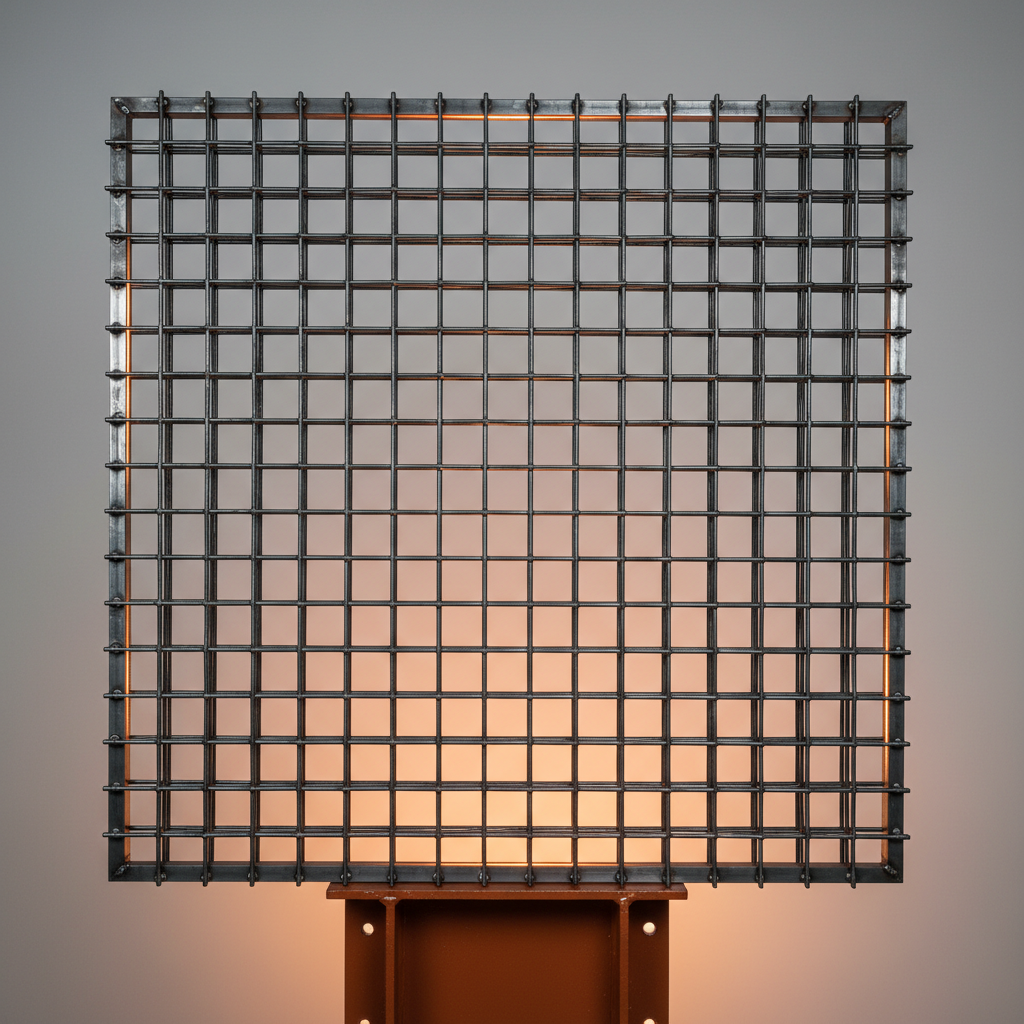 Heavy Duty 6 gauge welded wire mesh for Security and StrengthWhen it comes to heavy-duty containment, security, and structural reinforcement, choosing the right material is critical. The 6 gauge welded wire mesh stands as a premier choice for those requiring a balance of extreme rigidity and precise spacing. Whether you are securing a commercial perimeter, building industrial livestock panels, or creating reinforced concrete structures, this specific thickness provides the structural integrity needed to withstand significant pressure and impact. In this comprehensive guide, we will explore the technical specifications, primary applications, and why this mesh is the gold standard for high-security fencing solutions.Read more >
Apr 16 2026
-
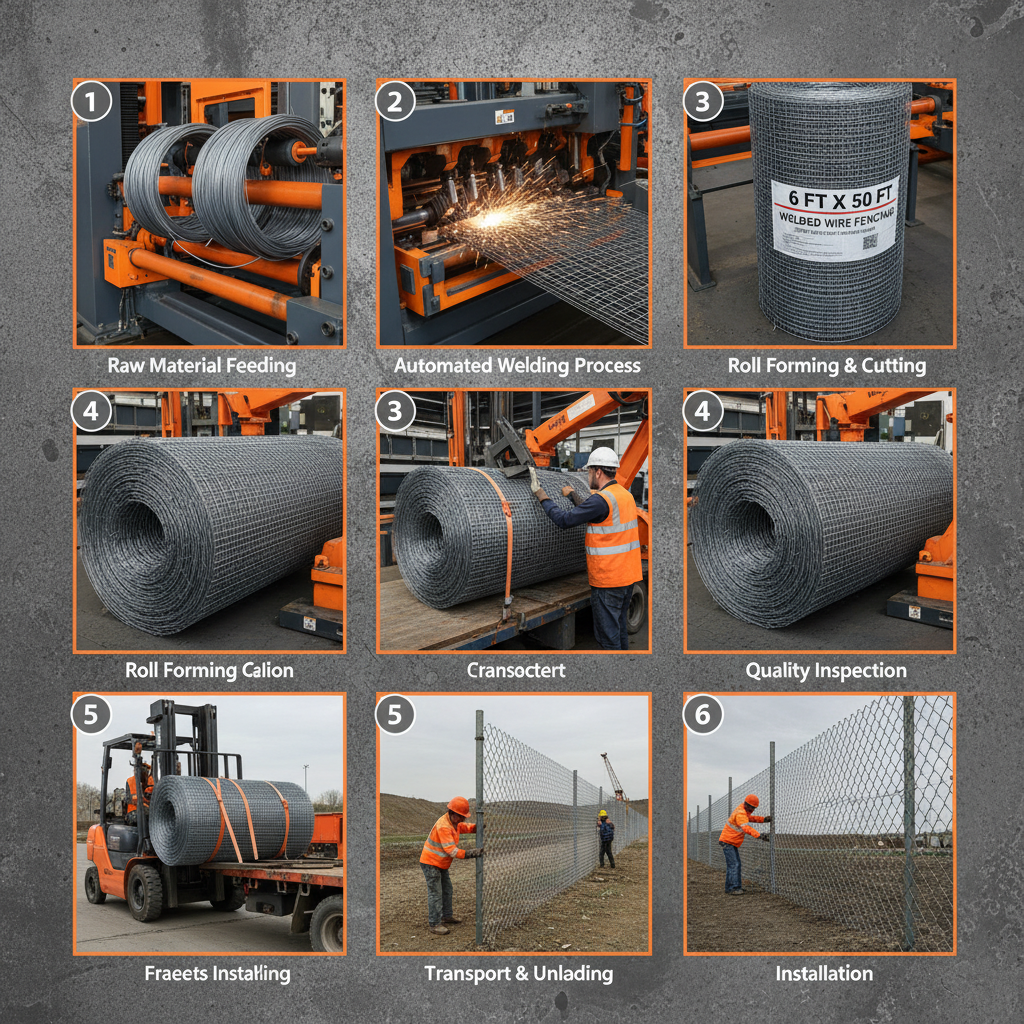 Durable 6 ft x 50 ft welded wire fencing for Security and GardensWhen it comes to securing a perimeter, whether for agricultural use, garden protection, or industrial boundaries, the dimensions and material of your fence matter. The 6 ft x 50 ft welded wire fencing offers an ideal balance of height and length, providing a robust barrier that is easy to install and maintain. Choosing a welded wire system ensures that the intersections are fused together, preventing the shifting and sagging often found in woven alternatives. In this guide, we will explore why this specific size is a preferred choice for property owners and how to maximize its effectiveness for your specific project.Read more >
Apr 09 2026
-
 Comprehensive Guide to Choosing the Best 6 ft x 100 ft Welded Wire FencingWelded wire fencing is a versatile and cost-effective solution for a wide range of applications, from agricultural containment to residential security. Understanding the nuances of different types, especially when considering a size like 6 ft x 100 ft welded wire fencing, is crucial for making the right investment. This article will guide you through the essential factors to consider, helping you select the fencing that best suits your specific requirements.Read more >
Apr 07 2026
-
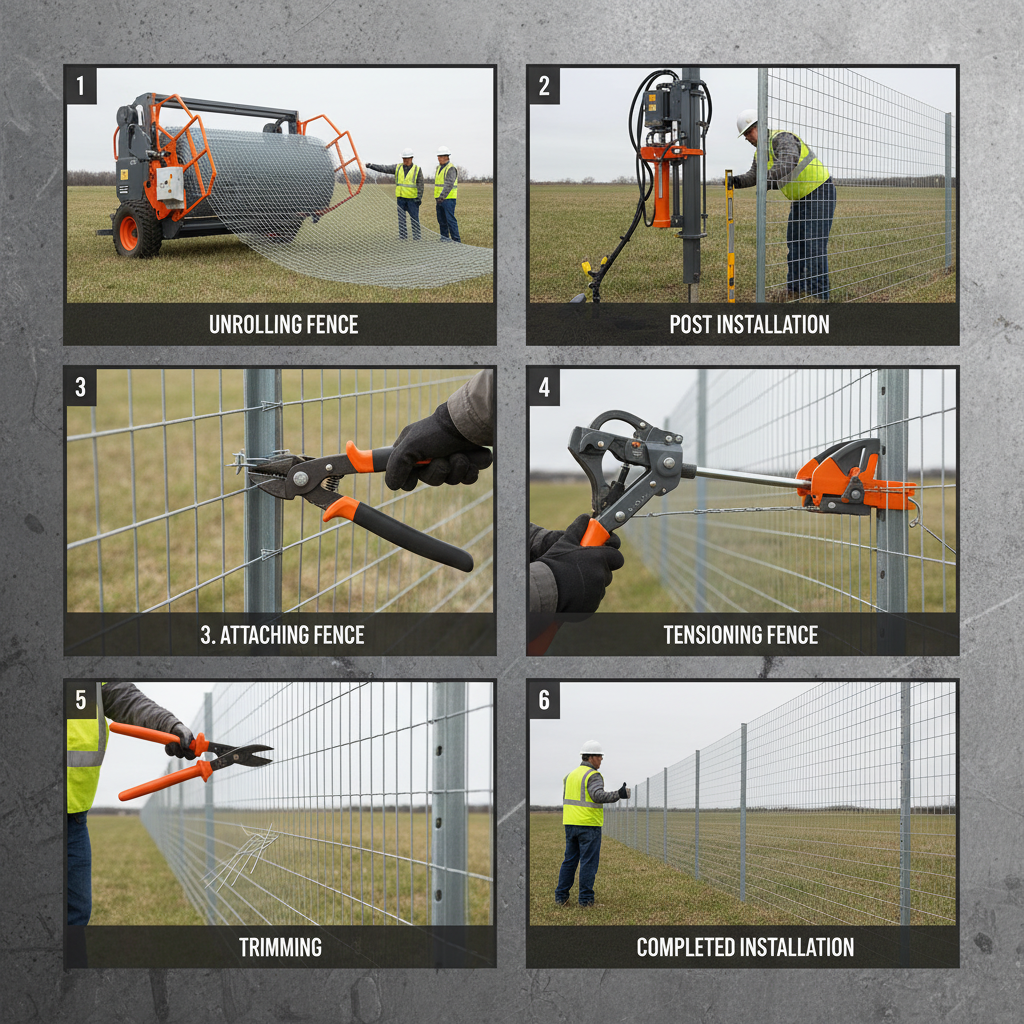 Comprehensive Guide to Choosing a 6 ft x 100 ft 12.5 Gauge Welded Wire FenceSelecting the appropriate fence for your property requires careful consideration. A 6 ft x 100 ft 12.5 gauge welded wire fence offers a robust and versatile solution for a variety of applications, from pet containment to garden protection and security. This guide will explore the benefits, applications, installation tips, and considerations when choosing this type of fencing. Understanding its construction and comparing it to other fencing options will help you make an informed decision.Read more >
Apr 04 2026
-
 Comprehensive Guide to Durable 6 ft Welded Wire Fencing Panels and ApplicationsWhen selecting fencing for your property, 6 ft welded wire fencing panels offer a robust and versatile solution. These panels combine strength, security, and ease of installation, making them a popular choice for both residential and commercial applications. This article delves into the benefits, applications, installation, and maintenance of these panels, helping you make an informed decision.Read more >
Mar 31 2026