


Durable and Cost-Effective Poultry Wire Mesh Fence for Global Farming Solutions
Introduction: Why Poultry Wire Mesh Fence Matters Globally
Anyone who’s stepped foot on a farm or walked near an agricultural zone knows the quiet unsung hero protecting birds and crops alike: the poultry wire mesh fence. It might sound like simple hardware, but this fencing plays a pivotal role in global food security, animal welfare, and sustainable farming practices. According to the Food and Agriculture Organization (FAO), poultry production has been steadily increasing worldwide to meet protein demand. Yet, challenges such as bird predation, biosecurity risks, and containment issues persist — problems that effective fencing can mitigate.
Oddly enough, it’s not just about keeping chickens in. With the rise of small-scale poultry farming, especially in developing nations, the right fencing solution balances affordability and durability, directly influencing livelihoods and food supply chains.
What Exactly Is a Poultry Wire Mesh Fence?
In plain terms, a poultry wire mesh fence is a barrier constructed from woven or welded wire strands that create a mesh pattern designed specifically to confine poultry, prevent entry of predators, and ensure ventilation. The mesh size and wire thickness vary depending on the kind of birds and the level of protection needed.
These fences bridge a pretty large gap between traditional wooden or bamboo barriers and high-tech containment systems, making them crucial for everything from backyard coops to large commercial farms — and even in humanitarian efforts.
Key Factors Behind Effective Poultry Wire Mesh Fences
Durability and Corrosion Resistance
Fences often stand outdoors in all weather conditions — rain, sun, freezing cold — and poultry wire mesh fences are no exception. Most high-quality options are galvanized or PVC-coated to resist rust and degradation. Without this, fences can snap or weaken in mere seasons.
Mesh Size and Bird Safety
The mesh aperture must be tight enough to keep small chicks from escaping while still allowing visibility and airflow. Typically, mesh sizes range from 1/2 inch to 1 inch squares. The balance here is tricky — too large and it loses effectiveness; too small and it can hinder ventilation.
Cost Efficiency
Farmers worldwide often operate on lean budgets. Wire mesh fencing offers a cost-effective solution compared to solid barriers or electronic containment. When installed properly, it's a one-time investment that pays off in reduced losses and maintenance.
Scalability and Customization
Whether you're fencing a small backyard hobbyist coop or a sprawling commercial operation, poultry wire mesh fences scale easily. You can combine panels, cut to size, or add layers based on threat level — from raccoons to wild dogs.
Environmental Sustainability
Modern wire mesh often uses recyclable materials or eco-friendly coatings. This helps lower the environmental footprint of fencing setups, an essential factor as sustainable agriculture gains traction globally.
Mini Takeaway:
Durability, mesh size, cost, scalability, and green credentials are the big drivers making poultry wire mesh fencing a practical solution for varied poultry-keeping needs worldwide.
Worldwide Use Cases of Poultry Wire Mesh Fences
The applications of poultry wire mesh fences stretch far beyond suburban backyards. In East African smallholder farms, these fences protect flocks from aggressive predators like jackals and hyenas, bolstering food security where chicken protein is vital. Meanwhile, in Europe, commercial poultry farms rely on wire mesh fencing to comply with strict biosecurity protocols — limiting disease spread.
Humanitarian operations too have found unexpected uses. Agencies like the UN’s Food and Agriculture Organization deploy poultry wire mesh fences in post-disaster zones, enabling displaced families to rebuild poultry flocks safely, which supports income generation and nutrition stabilization.
In remote industrial zones — mining camps or energy projects — portable poultry fencing solutions help establish quick, temporary poultry enclosures for on-site food production.
Mini Takeaway:
The poultry wire mesh fence's versatility helps diverse communities maintain poultry livelihoods, whether in rural farms, disaster zones, or industrial sites — all over the world.
Product Specification Table: Sample Poultry Wire Mesh Fence
| Specification | Details |
|---|---|
| Material | Galvanized Steel Wire / PVC Coated |
| Mesh Size | 1/2” x 1/2” (customizable) |
| Wire Gauge | 18 to 22 gauge |
| Roll Length | 50 meters |
| Height Options | 1m, 1.2m, 1.5m |
| Coating Type | Hot-dipped Galvanized or Colored PVC |
Comparing Top Vendors of Poultry Wire Mesh Fence
| Vendor | Material Quality | Customization | Pricing | Global Reach |
|---|---|---|---|---|
| Chch Fence Co. | High - Galvanized & PVC | Tailored mesh sizes & lengths | Competitive | Worldwide |
| Global Wire Solutions | Medium - Galvanized only | Limited options | Affordable | Regional (EMEA) |
| AgroFence Ltd. | High - PVC-coated premium wire | Custom colors & coatings | Premium | International |
Advantages and Long-Term Value of Poultry Wire Mesh Fence
I suppose the biggest draw of poultry wire mesh fencing is its blend of affordability and reliability. For farmers, it’s peace of mind — the fence doesn’t just hold birds in; it keeps threats out. This directly translates into better flock health and reduced loss, a financial win.
There's something quietly reassuring about it too: a sturdy fence conveys a sense of order and care for the animals, almost an emotional contract between caretaker and flock. On a broader scale, sustainable fencing reduces the demand for replacing entire poultry houses or counteracting disease outbreaks caused by poor containment.
Emerging Trends and Future Innovations
Technology doesn’t skip the fencing world. Recently, we’re seeing wire mesh treated with nanotechnology coatings to repel bacteria and parasites — a potential boon for biosecurity. Smart sensor integrations embedded in posts can now detect fence breaches or predator presence, triggering alerts on smartphones.
On sustainability, recycled metal blends and biodegradable coatings are emerging. These advances come alongside growing calls for carbon-neutral farming inputs, which makes fencing manufacturers rethink designs to reduce environmental impact over their lifecycle.
Common Challenges and Practical Solutions
No product is perfect, and poultry wire mesh fences do face issues. For example, corrosion can sneak in without proper maintenance, especially in coastal or humid zones. Sharp edges from cuts may injure birds if installation is rushed or careless. Also, mesh theft happens in certain regions where metal prices spike.
To combat these, experts recommend selecting premium coatings, routine inspections, and training installers on safe cutting. Some farmers add secondary barriers like plastic netting for extra predator defense or layer motion lights near fencing.
FAQ: Frequently Asked Questions About Poultry Wire Mesh Fence
- Q1: How long does a typical poultry wire mesh fence last outdoors?
A1: With quality galvanized or PVC coating and proper installation, a poultry wire mesh fence can last 10 to 15 years. Regular maintenance like cleaning and checking for rust extends this lifespan significantly. - Q2: Can poultry wire mesh fences protect against all predators?
A2: While these fences block most common predators like foxes, raccoons, and dogs, highly determined or burrowing predators may require additional reinforcement, such as burying mesh underground or adding electric deterrents. - Q3: Is it easy to install poultry wire mesh fencing for beginners?
A3: Yes, it’s relatively straightforward. Many users do it themselves with basic tools; however, precise measurement, securing wire properly, and safe handling of sharp edges require attention to detail to avoid injuries or fence failure. - Q4: Are there environmental benefits to using PVC-coated wire mesh fences?
A4: PVC coatings extend fence life by preventing rust, reducing replacements, and minimizing waste. Some manufacturers also use recycled PVC or environmentally friendly alternatives, aligning with sustainability goals in agriculture. - Q5: What should I consider when buying poultry wire mesh fence online?
A5: Key factors include wire gauge, mesh size, coating type, roll dimensions, vendor reputation, customization options, and shipping costs. Checking reviews and requesting samples can help ensure you get the right product.
Conclusion: Why Investing in Quality Poultry Wire Mesh Fence Pays Off
At the end of the day, a poultry wire mesh fence isn’t just about enclosing birds; it’s a foundation for safer, more sustainable poultry farming that supports livelihoods and global food networks. If you’re considering fencing options, why not invest in proven quality that combines durability, affordability, and innovation? Feel free to explore tailored solutions and get expert advice at poultry wire mesh fence specialists.
Final take:
Durable, customizable, and sustainable fencing helps the poultry industry address challenges worldwide—from backyard farming to industrial scale. With ongoing innovations, it will only get smarter and safer.
References
Latest News About CHENG CHUANG
-
 Heavy Duty 6 gauge welded wire mesh for Security and StrengthWhen it comes to heavy-duty containment, security, and structural reinforcement, choosing the right material is critical. The 6 gauge welded wire mesh stands as a premier choice for those requiring a balance of extreme rigidity and precise spacing. Whether you are securing a commercial perimeter, building industrial livestock panels, or creating reinforced concrete structures, this specific thickness provides the structural integrity needed to withstand significant pressure and impact. In this comprehensive guide, we will explore the technical specifications, primary applications, and why this mesh is the gold standard for high-security fencing solutions.Read more >
Apr 16 2026
-
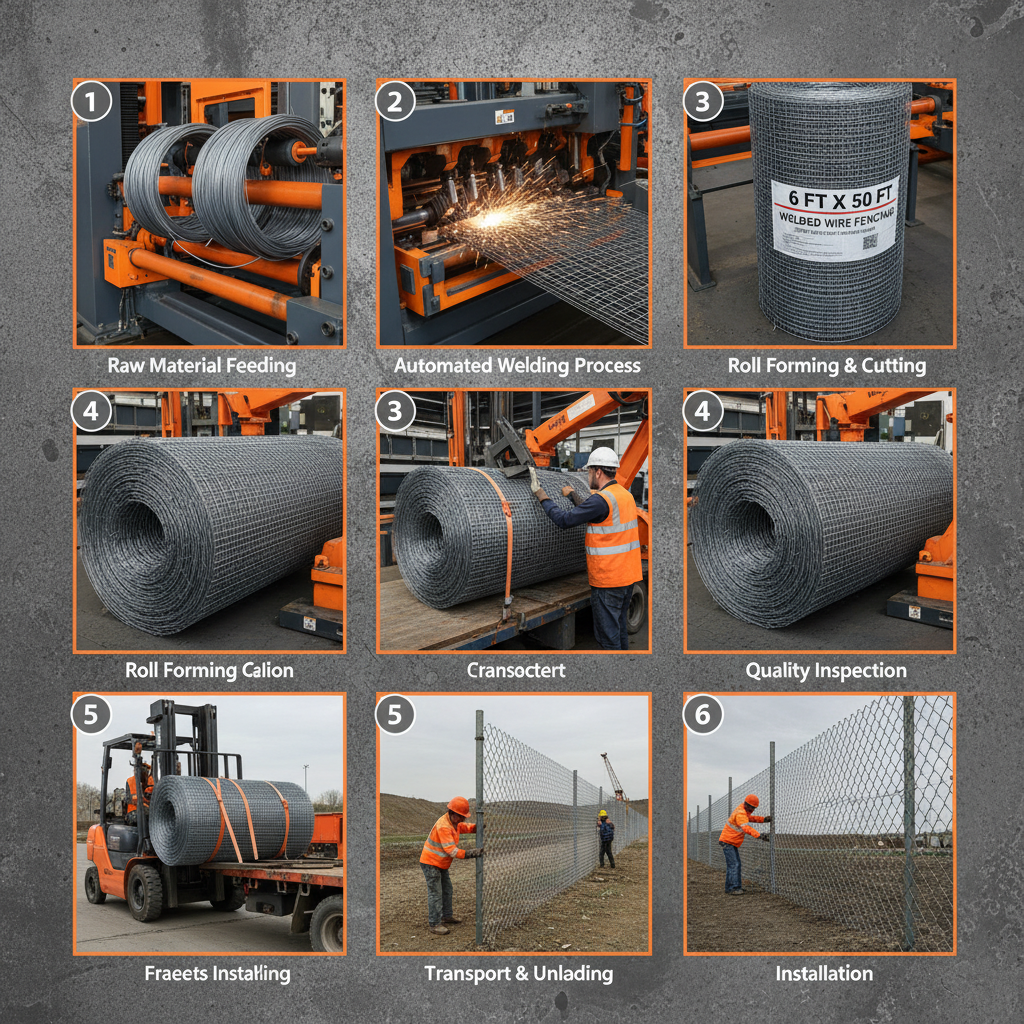 Durable 6 ft x 50 ft welded wire fencing for Security and GardensWhen it comes to securing a perimeter, whether for agricultural use, garden protection, or industrial boundaries, the dimensions and material of your fence matter. The 6 ft x 50 ft welded wire fencing offers an ideal balance of height and length, providing a robust barrier that is easy to install and maintain. Choosing a welded wire system ensures that the intersections are fused together, preventing the shifting and sagging often found in woven alternatives. In this guide, we will explore why this specific size is a preferred choice for property owners and how to maximize its effectiveness for your specific project.Read more >
Apr 09 2026
-
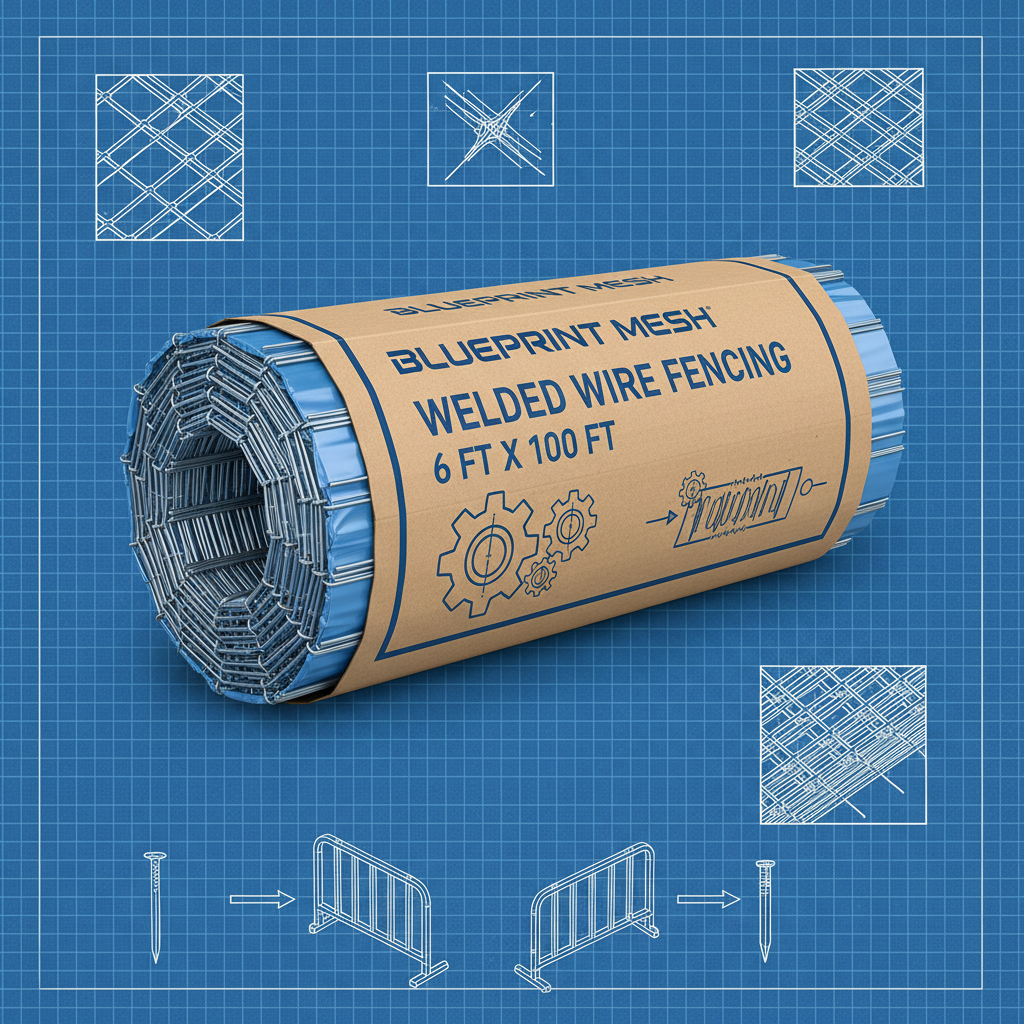 Comprehensive Guide to Choosing the Best 6 ft x 100 ft Welded Wire FencingWelded wire fencing is a versatile and cost-effective solution for a wide range of applications, from agricultural containment to residential security. Understanding the nuances of different types, especially when considering a size like 6 ft x 100 ft welded wire fencing, is crucial for making the right investment. This article will guide you through the essential factors to consider, helping you select the fencing that best suits your specific requirements.Read more >
Apr 07 2026
-
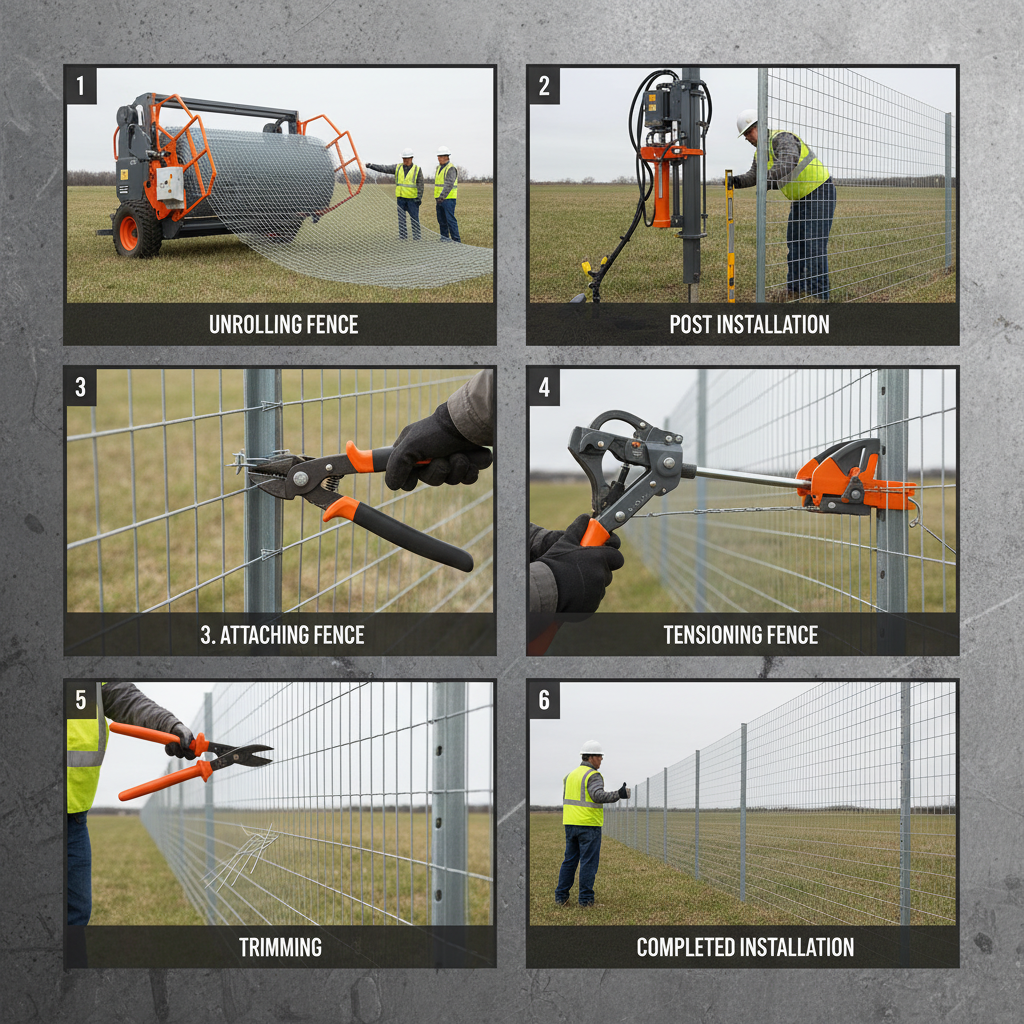 Comprehensive Guide to Choosing a 6 ft x 100 ft 12.5 Gauge Welded Wire FenceSelecting the appropriate fence for your property requires careful consideration. A 6 ft x 100 ft 12.5 gauge welded wire fence offers a robust and versatile solution for a variety of applications, from pet containment to garden protection and security. This guide will explore the benefits, applications, installation tips, and considerations when choosing this type of fencing. Understanding its construction and comparing it to other fencing options will help you make an informed decision.Read more >
Apr 04 2026
-
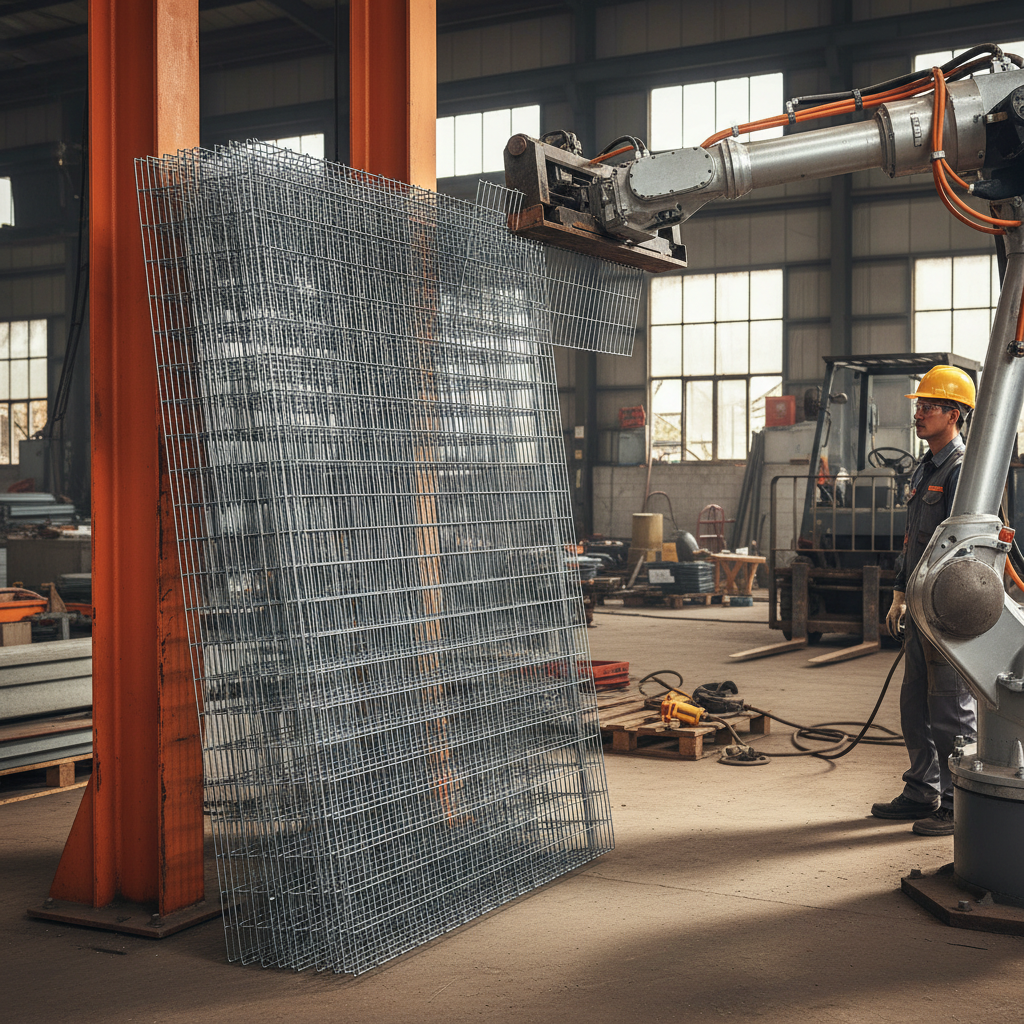 Comprehensive Guide to Durable 6 ft Welded Wire Fencing Panels and ApplicationsWhen selecting fencing for your property, 6 ft welded wire fencing panels offer a robust and versatile solution. These panels combine strength, security, and ease of installation, making them a popular choice for both residential and commercial applications. This article delves into the benefits, applications, installation, and maintenance of these panels, helping you make an informed decision.Read more >
Mar 31 2026