


Poultry Wire Mesh: Global Benefits, Specifications & Trends for Safe Farming
Understanding Poultry Wire Mesh: Why It Matters More Than You Think
If you’ve ever wondered what keeps a flock safely enclosed or how rural communities protect their livestock, the answer often lies in the simple yet ingenious solution known as poultry wire mesh. Globally, this mesh isn’t just metal strands woven tightly; it’s a vital component in sustainable agriculture, food security, and even disaster relief. More than just fencing, poultry wire mesh helps minimize animal loss, prevent predator intrusion, and supports better farming practices — which, in the grand scheme of things, bolsters economies and communities alike.
In this piece, I’ll walk through why poultry wire mesh holds global importance, what exactly it means, critical factors to consider, and how it’s shaping industry and humanitarian efforts worldwide. If you’re involved in farming, infrastructure, or supply chain work, the benefits of understanding this mesh go beyond the fence.
The Global Role of Poultry Wire Mesh: More Than Just a Fence
According to the Food and Agriculture Organization (FAO), over 23 billion poultry are raised worldwide annually — a massive figure reflecting the importance of poultry farming to global food security. Yet, these birds require secure enclosures to thrive, which is where poultry wire mesh comes in.
Reliable containment reduces poultry mortality rates and disease transmission, a critical factor especially in developing countries where smallholder farms dominate. The United Nations also highlights the role of livestock management in combating hunger. Poultry wire mesh helps address challenges like predation, theft, and environmental exposure — problems that still plague many rural farms.
But it’s not just about farms. Post-disaster zones and refugee camps often employ poultry wire mesh to create quick, effective containment solutions — helping sustain small-scale farming efforts vital for local food supplies.
Mini takeaway: Poultry wire mesh plays a crucial role in global food security, agricultural sustainability, and emergency management scenarios, supporting billions around the world.
What Exactly Is Poultry Wire Mesh?
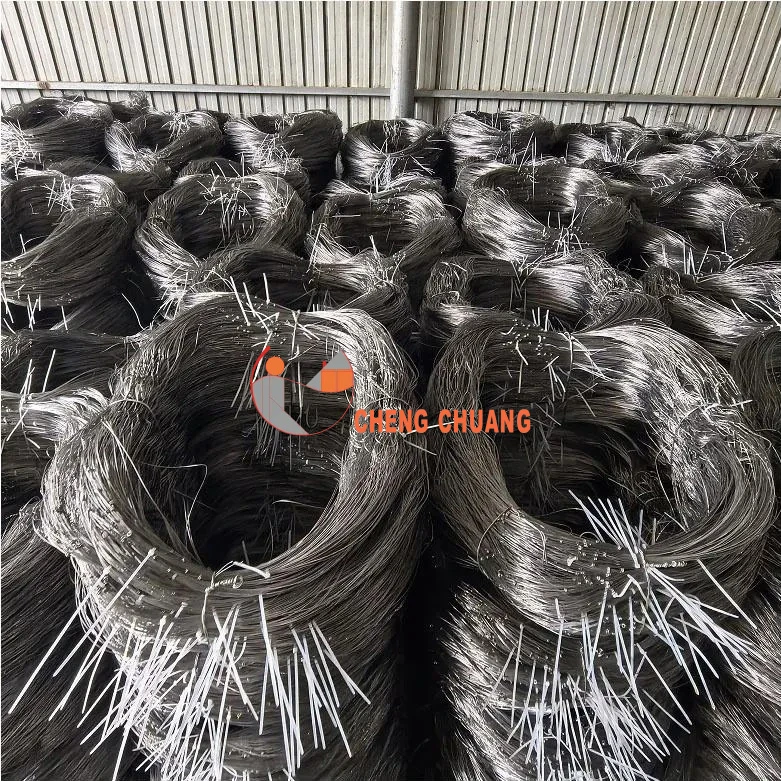
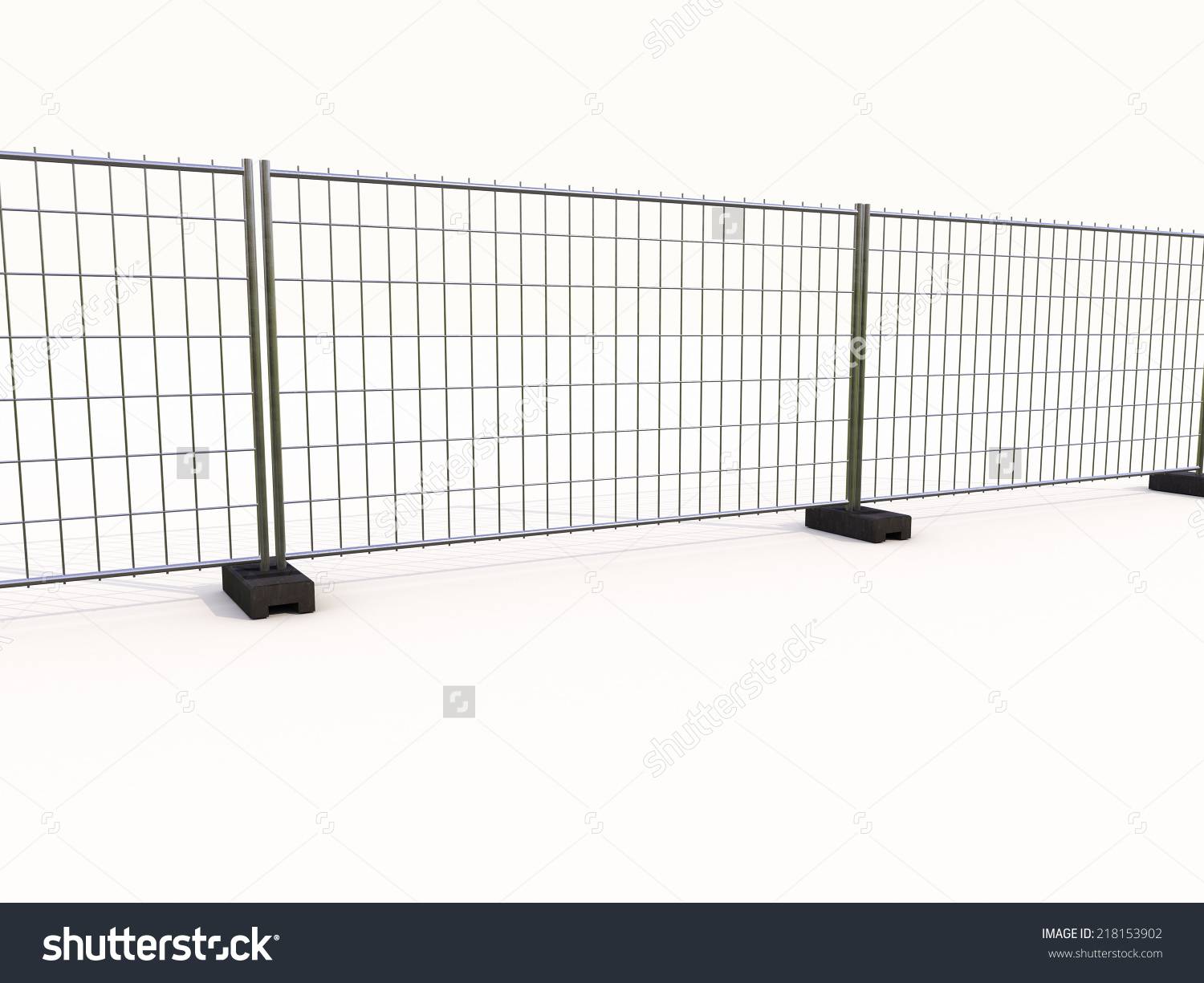
Simply put, poultry wire mesh is a woven or welded network of metal wires designed to enclose or partition poultry and other small livestock. Typically made from galvanized steel, it features small hexagonal or square openings allowing air flow but preventing escape or intrusion by predators.
This mesh is more than just fencing; it’s part of modern farming infrastructure. Beyond just keeping chickens in, it interacts with emerging agricultural technologies — from automated feeding stations to integrated biosecurity measures. It also ties directly into humanitarian needs by facilitating small-scale, sustainable poultry rearing in marginalized communities.
Poultry wire mesh is sometimes referred to as chicken wire, hex netting, or farm mesh, yet it’s got a standardized role in ensuring safety and hygiene on farms globally.
Core Components of Poultry Wire Mesh You Should Know
Durability
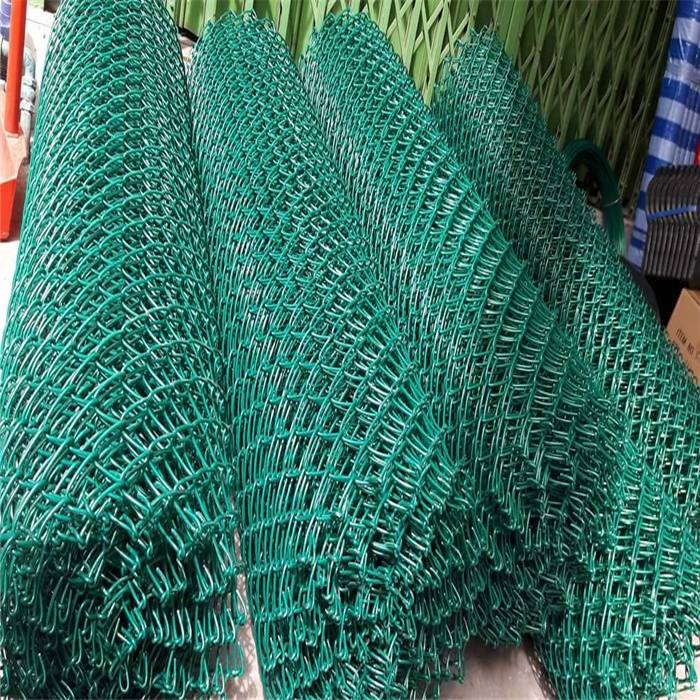
The backbone of good poultry wire mesh is its durability. Galvanized coatings fend off rust and corrosion — critical for outdoor, humid, or wet environments. Some manufacturers also offer PVC-coated mesh for extra longevity. It’s tough enough to withstand weather swings and predator attacks.
Mesh Size & Gauge
Opening size varies — commonly around 1” or less — to prevent birds from slipping through or predators sneaking in. Wire gauge, typically ranging from 20 to 23, balances flexibility with strength. Picking the right size helps with ventilation and safety.
Scalability & Flexibility
Poultry wire mesh rolls come in various widths and lengths, making them easy to customize for anything from small backyard coops to large industrial farms. Its lightweight yet sturdy nature means easier transport and installation too.
Cost Efficiency
Compared to alternatives like wood or plastic panels, wire mesh offers a long lifespan for relatively low price. Its ease of installation also cuts labor costs, making it ideal for both commercial farmers and smallholders.
Environmental Impact
Many producers now emphasize sustainability by using recyclable materials or eco-friendly coatings. This prevents waste and aligns with green agricultural practices increasingly valued worldwide.
Mini takeaway: When selecting poultry wire mesh, consider durability, mesh size, scalability, cost, and environmental impact to match your specific needs.
Global Applications & Real-World Use Cases
Poultry wire mesh finds homes everywhere — from industrial farms in the United States to remote villages in Southeast Asia. In Kenya, for instance, NGOs distribute poultry wire mesh to help women-run poultry cooperatives flourish, boosting local incomes. Meanwhile, in post-tsunami Indonesia, relief efforts included mesh fencing to restart small-scale poultry farming and restore food sources quickly.
Industrial zones often employ specialized poultry mesh integrated with sensors for automated monitoring. This blend of tradition and tech makes farming smarter and more efficient. And let’s not forget urban farmers, who use compact wire mesh cages for sustainable backyard flocks, promoting local organic food movements.
Mini takeaway: Poultry wire mesh is versatile — effective across continents, climates, and industries, from humanitarian aid to tech-enabled farming.
Advantages & Long-Term Benefits of Using Poultry Wire Mesh
- Cost-Effective Protection: Protects valuable livestock with minimal upfront investment and low maintenance costs.
- Improved Animal Welfare: Provides safe, ventilated enclosures that reduce stress and disease risk.
- Sustainability: Many meshes are recyclable or eco-friendly, contributing to responsible farming.
- Community Impact: Supports economic independence in developing regions through secure poultry farming.
- Reliability: Trustworthy under harsh environments and over long periods — something many farmers rely on.
Frankly, the peace of mind a solid mesh gives a farmer is enormous—from knowing their birds won’t wander off to feeling that their livelihood is shielded from sudden threats. It’s this blend of logical and emotional reassurance that keeps poultry wire mesh indispensable.
Emerging Trends & Innovations Shaping Poultry Wire Mesh
With sustainability front and center, new coatings that minimize environmental harm are gaining popularity. Some companies are experimenting with biodegradable mesh variants though mass use is still some years away.
Incorporation of smart sensors for temperature and humidity monitoring inside mesh enclosures is a growing trend. I noticed several startups demoing solar-powered mesh units that integrate IoT devices, giving farmers real-time data remotely.
Automation in installation and modular fencing solutions are also being explored — making setup faster for relief work or seasonal farming needs.
Common Challenges & What Experts Suggest
The most frequent issue is mesh degradation over time if poor-quality galvanized steel is used — leading to rust and structural failure. Regular inspections and choosing trusted suppliers can mitigate this.
Another challenge is mesh size mismatch, which can either allow predator entry or restrict airflow. Experts advise carefully selecting mesh based on specific bird species and local threats.
Also, improper installation can reduce effectiveness drastically. Most experienced farmers recommend professional assistance or thorough training for novice users.
FAQ: Frequently Asked Questions About Poultry Wire Mesh
- What is the ideal mesh size for backyard chicken coops?
- Generally, a 1-inch hexagonal mesh is sufficient to keep typical backyard chickens safe while allowing enough ventilation. Smaller birds or locations with smaller predators might require tighter mesh sizes.
- How long does galvanized poultry wire mesh last?
- With proper maintenance, galvanized poultry wire mesh can last 10 to 15 years or more, especially if protected from constant moisture and physical damage.
- Is PVC-coated wire mesh better than plain galvanized mesh?
- PVC coating adds extra protection against corrosion and increases durability in harsh weather environments, though it costs slightly more upfront.
- Can poultry wire mesh be recycled?
- Yes! Many poultry mesh products use recyclable steel, and recycling facilities can process this material, reducing environmental impact.
- How do I choose a reliable supplier of poultry wire mesh?
- Look for vendors with transparent product specs, positive reviews, and certifications related to galvanization and steel quality. Comparing several suppliers helps ensure you get the best value.
Product Specification Table
| Specification | Common Range | Details |
|---|---|---|
| Material | Galvanized Steel | Often zinc-coated for rust resistance |
| Mesh Opening | 3/4" – 1" hexagonal | Balances security with ventilation |
| Wire Gauge | 20–23 gauge | Thicker wire for added strength |
| Coating | Galvanized or PVC-coated | Enhances corrosion resistance |
| Roll Size | 3 – 6 ft width, 50 – 100 ft length | Custom sizes available on request |
Vendor Comparison: Top Poultry Wire Mesh Providers
| Vendor | Material Quality | Coating Options | Pricing | Distribution |
|---|---|---|---|---|
| FarmWire Inc. | High grade galvanized steel | Galvanized, PVC-coated | Mid-range | Worldwide |
| AgroMesh Solutions | Standard galvanized | Galvanized only | Budget friendly | Regional (Asia, Africa) |
| EcoFarm Net | Recycled steel core | PVC and eco coatings | Premium | Global with emphasis on Europe |
Wrapping Up: Why Poultry Wire Mesh Deserves Your Attention
At first glance, poultry wire mesh might seem like just another hardware product you pick up at a store. But frankly, this mesh has quietly become a linchpin for sustainable farming, food security, and humanitarian resilience worldwide. It protects livelihoods, conserves animal welfare, and keeps economic wheels turning in communities from small farms to big agri-businesses.
If you’re looking to upgrade your poultry setup or support scalable farming solutions, take a closer look at the options—and quality—available from trusted suppliers. For a deep dive into poultry wire mesh products, check out poultry wire mesh specialists who can help you match mesh to your needs.
Here’s to strong fences and thriving flocks!
References
Latest News About CHENG CHUANG
-
 Heavy Duty 6 gauge welded wire mesh for Security and StrengthWhen it comes to heavy-duty containment, security, and structural reinforcement, choosing the right material is critical. The 6 gauge welded wire mesh stands as a premier choice for those requiring a balance of extreme rigidity and precise spacing. Whether you are securing a commercial perimeter, building industrial livestock panels, or creating reinforced concrete structures, this specific thickness provides the structural integrity needed to withstand significant pressure and impact. In this comprehensive guide, we will explore the technical specifications, primary applications, and why this mesh is the gold standard for high-security fencing solutions.Read more >
Apr 16 2026
-
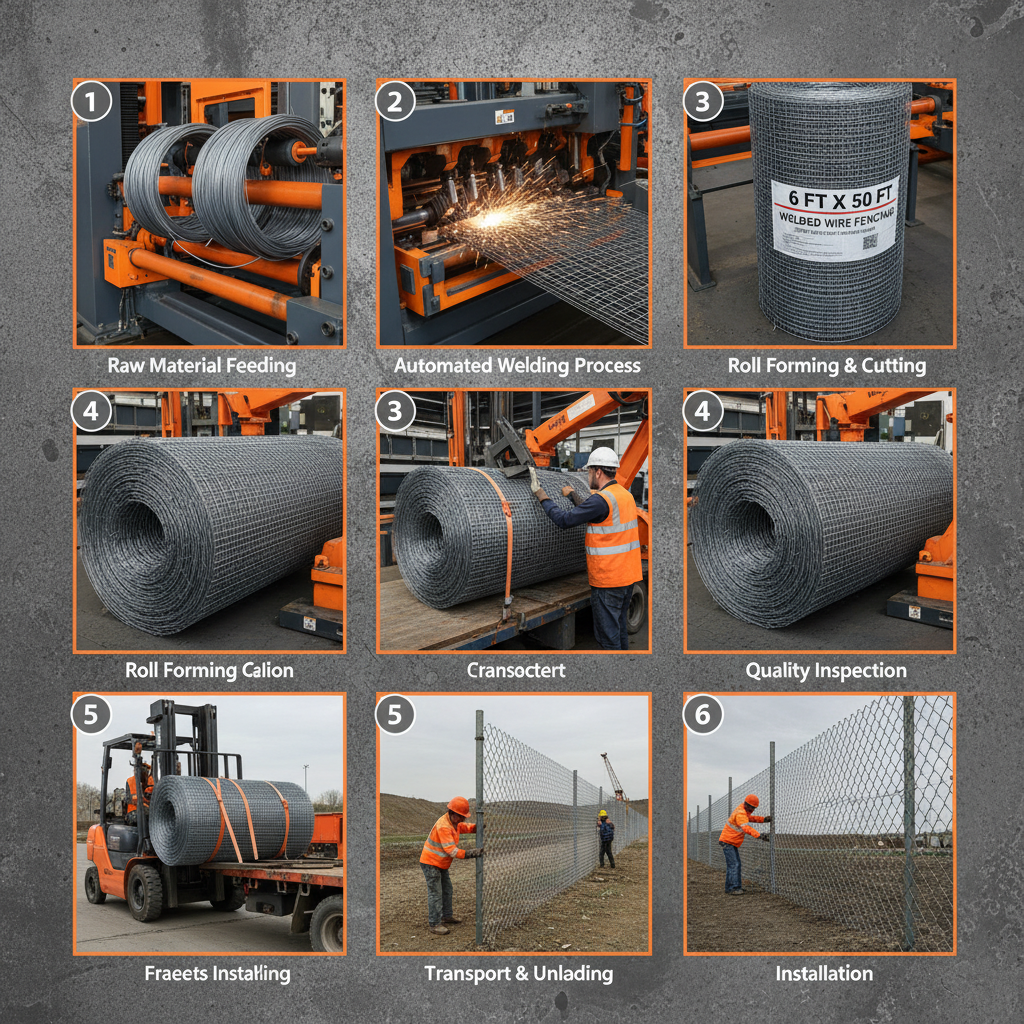 Durable 6 ft x 50 ft welded wire fencing for Security and GardensWhen it comes to securing a perimeter, whether for agricultural use, garden protection, or industrial boundaries, the dimensions and material of your fence matter. The 6 ft x 50 ft welded wire fencing offers an ideal balance of height and length, providing a robust barrier that is easy to install and maintain. Choosing a welded wire system ensures that the intersections are fused together, preventing the shifting and sagging often found in woven alternatives. In this guide, we will explore why this specific size is a preferred choice for property owners and how to maximize its effectiveness for your specific project.Read more >
Apr 09 2026
-
 Comprehensive Guide to Choosing the Best 6 ft x 100 ft Welded Wire FencingWelded wire fencing is a versatile and cost-effective solution for a wide range of applications, from agricultural containment to residential security. Understanding the nuances of different types, especially when considering a size like 6 ft x 100 ft welded wire fencing, is crucial for making the right investment. This article will guide you through the essential factors to consider, helping you select the fencing that best suits your specific requirements.Read more >
Apr 07 2026
-
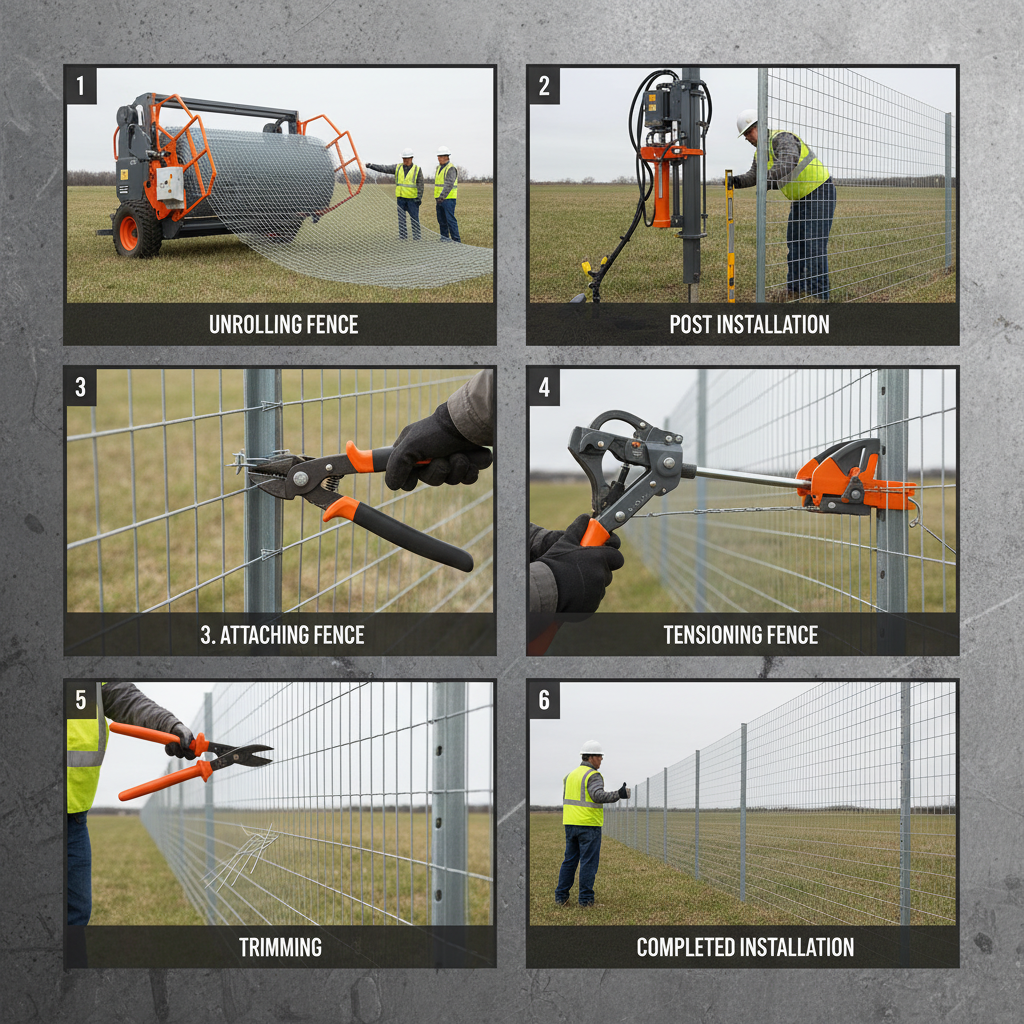 Comprehensive Guide to Choosing a 6 ft x 100 ft 12.5 Gauge Welded Wire FenceSelecting the appropriate fence for your property requires careful consideration. A 6 ft x 100 ft 12.5 gauge welded wire fence offers a robust and versatile solution for a variety of applications, from pet containment to garden protection and security. This guide will explore the benefits, applications, installation tips, and considerations when choosing this type of fencing. Understanding its construction and comparing it to other fencing options will help you make an informed decision.Read more >
Apr 04 2026
-
 Comprehensive Guide to Durable 6 ft Welded Wire Fencing Panels and ApplicationsWhen selecting fencing for your property, 6 ft welded wire fencing panels offer a robust and versatile solution. These panels combine strength, security, and ease of installation, making them a popular choice for both residential and commercial applications. This article delves into the benefits, applications, installation, and maintenance of these panels, helping you make an informed decision.Read more >
Mar 31 2026