


Durable and Sustainable Metal Mesh Wall Panels for Modern Architecture
Metal Mesh Wall Panels: Why They Matter in Today’s Built Environment
If you’ve wandered through airports, modern office complexes, or industrial warehouses lately, you might have noticed these striking, functional, and often artistic-looking facades or partitions made from interwoven metal strands. Metal mesh wall panels aren’t just design eye-candy; they fulfill critical roles globally, ranging from safety to sustainability. Understanding these panels is more than a niche exercise – it's about grasping how materials innovation quietly shapes industries, cities, and even humanitarian responses across the planet.
The Global Context: Why Metal Mesh Wall Panels Are Gaining Momentum
Here's the scoop: according to the International Organization for Standardization (ISO), global construction materials are steadily pivoting to incorporate more resilient and recyclable materials. And metal mesh wall panels fit snugly into that trend. The demand for versatile building materials has spiked by roughly 7% worldwide in the past decade, especially in emerging markets where durability meets cost-effectiveness head-on.
These panels respond well to growing challenges like urban heat islands, airflow management, and security needs without compromising aesthetics. Data from the United Nations Environment Programme suggests building materials contribute significantly to a city’s carbon footprint — but using alternatives such as metal meshes can reduce that impact by improving ventilation and using recycled metals. So, the challenge is clear: can building materials be smarter, greener, and still stylish? Metal mesh wall panels are proving they can.
Mini takeaway: Smart architecture demands materials that deliver on multiple fronts. Metal mesh panels check many boxes—performance, appearance, and sustainability.
What Are Metal Mesh Wall Panels, Really?
At their core, metal mesh wall panels are sheets made of intricately woven metal wires or expanded metal sheets, crafted into flat or sometimes slightly contoured panels. Think of them as the architectural equivalent of a fine chainmail—a blend of strength, openness, and flexibility.
They are widely used not only as decorative elements but also as barriers, sunshades, security screens, and ventilation systems. The engineering behind them leverages steel, aluminum, or stainless steel, which can be powder-coated or anodized for weatherproofing and color stability.
In modern industry, especially manufacturing or energy sectors, metal mesh panels optimize airflow for equipment cooling while shielding sensitive machinery. On the humanitarian side, they provide quick-to-install, durable partitions or protective screens in refugee centers and disaster relief camps—balancing cost with the dignity of living spaces.
Core Features Defining Metal Mesh Wall Panels
1. Durability & Resistance
These panels are built to last through tough weather, corrosion, and even physical impact. Most are compliant with ASTM standards relevant to corrosion resistance.
2. Scalability & Customization
From small interior partitions to sprawling industrial facades, metal mesh panels come in myriad sizes and patterns. Custom perforations or weaving techniques make customization for airflow, light diffusion, or privacy pretty straightforward.
3. Cost Efficiency
Compared to glass or solid wall claddings, metal mesh often reduces material and installation costs—especially when factoring lifecycle maintenance and energy savings due to improved ventilation.
4. Sustainability
Recyclable metals and the lightweight nature of panels reduce transportation carbon footprints. Plus, many panels incorporate recycled materials, aligning with LEED (Leadership in Energy and Environmental Design) standards and other green building protocols.
5. Aesthetics and Design Flexibility
With the ability to shape, cut, and color these panels, architects and designers have endless creative freedom. That's why metal mesh wall panels often star in award-winning designs.
6. Safety & Security
Whether perimeter fencing or internal screening, the strength of woven metal deters intrusion without being visually oppressive.
Mini takeaway: Metal mesh wall panels stand out because they offer a rare blend of toughness, environmental friendliness, and visual appeal – something few materials manage as neatly.
Worldwide Applications You Probably Haven’t Noticed
Let me share some real-world stories. In Southeast Asia's rapid urban growth corridors, metal mesh wall panels are used extensively on high-rises to reduce solar heat gain and improve airflow. In Europe, heritage buildings often get retrofitted with lightweight metal mesh facades that meet modern safety codes without hiding classic facades.
On the humanitarian front, NGOs like the Red Cross have adopted metal mesh panels to quickly create secure, ventilated shelters in earthquake-affected zones. These panels are transported in compact stacks, assembled onsite swiftly, and afford refugees more privacy and airflow than traditional canvas tents.
Energy industries use them to shield noisy machinery while letting air cool turbines and generators without obstructing inspection windows—critical for safety and operational uptime.
Advantages and Why You Should Care
- Long-lasting Value: Panels withstand decades of weathering with minimal upkeep.
- Cost Benefits: Materials and installation costs are often 20-30% less than comparable alternatives.
- Sustainability: Supports circular economy goals by being recyclable and sometimes made from recycled content.
- Enhanced Safety: Prevents unauthorized access and improves facility security.
- Improved Indoor Environment: Helps regulate air circulation in industrial and commercial spaces.
Product Specification Table
| Specification | Typical Range | Notes |
|---|---|---|
| Material | Stainless Steel, Aluminum, Galvanized Steel | Depending on application/environment |
| Panel Thickness | 1.0 - 3.0 mm | Affects weight & rigidity |
| Mesh Aperture | 5 - 50 mm (Various geometries) | Controls airflow, visibility |
| Max Panel Size | Up to 3m x 6m | Customized fabrication often required |
| Finish/Coating | Powder Coating, Anodized, Galvanized | Enhances corrosion resistance |
Vendor Comparison: What Sets Providers Apart?
| Feature | Vendor A | Vendor B | Vendor C |
|---|---|---|---|
| Material Variety | Steel, Aluminum | Stainless, Galvanized | Steel, Aluminum, Stainless |
| Customization Level | Standard Sizes Only | High Precision CAD Services | Moderate, Custom Orders |
| Lead Time | 2-4 weeks | 4-6 weeks | 3 weeks typical |
| Green Certifications | None | ISO 14001 | LEED Compliant Manufacturing |
| Price Range (per m²) | $25-$35 | $40-$55 | $30-$45 |
Looking Ahead: Future Trends for Metal Mesh Wall Panels
We’re witnessing an exciting phase where metal mesh wall panels are more than mere physical barriers. Advances in digital fabrication – like robotic weaving – promise super-precise, complex patterns that optimize sunlight diffusion and shading dynamically.
Environmentally, integrating photovoltaic elements into mesh panels is gaining traction, meaning these panels could harvest solar energy while shading buildings. Smart surfaces embedded with sensors can monitor structural health or environmental conditions, enhancing maintenance and safety.
Policies encouraging carbon-neutral construction materials, led by governments worldwide, will likely boost demand for metal meshes made from recycled or low-carbon-footprint metals.
Challenges and How the Industry Is Tackling Them
One limitation is the initial cost compared to cheaper cladding like composite panels—though lifecycle costs are almost always lower for metal mesh. Also, installation requires skilled labor to ensure tension and fixing methods uphold durability, which isn’t always trivial in remote sites.
Innovations like pre-assembled modular panels and improved fixing systems reduce installation times and errors. Plus, research into alloys that resist corrosion without heavy coatings helps ease ecological worries in coastal or industrial zones.
FAQ: Metal Mesh Wall Panels
Q1: How do metal mesh wall panels improve building ventilation?
A1: Their open weave design allows air to circulate freely, reducing heat buildup in façades and interiors. This natural ventilation can lower cooling costs and improve indoor air quality.
Q2: Are metal mesh panels suitable for hurricane-prone regions?
A2: Absolutely. Many panels meet stringent ASTM impact-resistance standards, and their flexibility can withstand strong winds better than brittle materials like glass.
Q3: Can these panels be used indoors?
A3: Yes! Apart from exterior cladding, metal mesh wall panels serve as stylish indoor dividers, ceilings, or decorative elements while maintaining airiness and security.
Q4: How eco-friendly are metal mesh wall panels?
A4: Very much so. Many panels are made from recycled metals and are themselves recyclable, reducing material waste. Plus, they help lower energy use through passive cooling.
Q5: What customization options are typical where I can’t compromise on design?
A5: Vendors often provide tailored mesh patterns, finishes, and panel sizes. Architects can specify apertures, wire thickness, and colors to match aesthetics and functionality.
Wrapping It All Up
After a deep dive into metal mesh wall panels, it’s clear they’re quiet heroes in the realm of building materials: flexible, durable, environmentally conscious, and visually compelling. Whether you’re managing a construction project, retrofitting facilities, or pushing sustainable architecture, these panels offer real long-term value. If this sounds like what you need, take a peek at metal mesh wall panels to explore options that fit your vision.
References:
- ISO Standards for Construction Materials
- United Nations Environment Programme: Sustainable Construction
- Building Materials - Wikipedia
Latest News About CHENG CHUANG
-
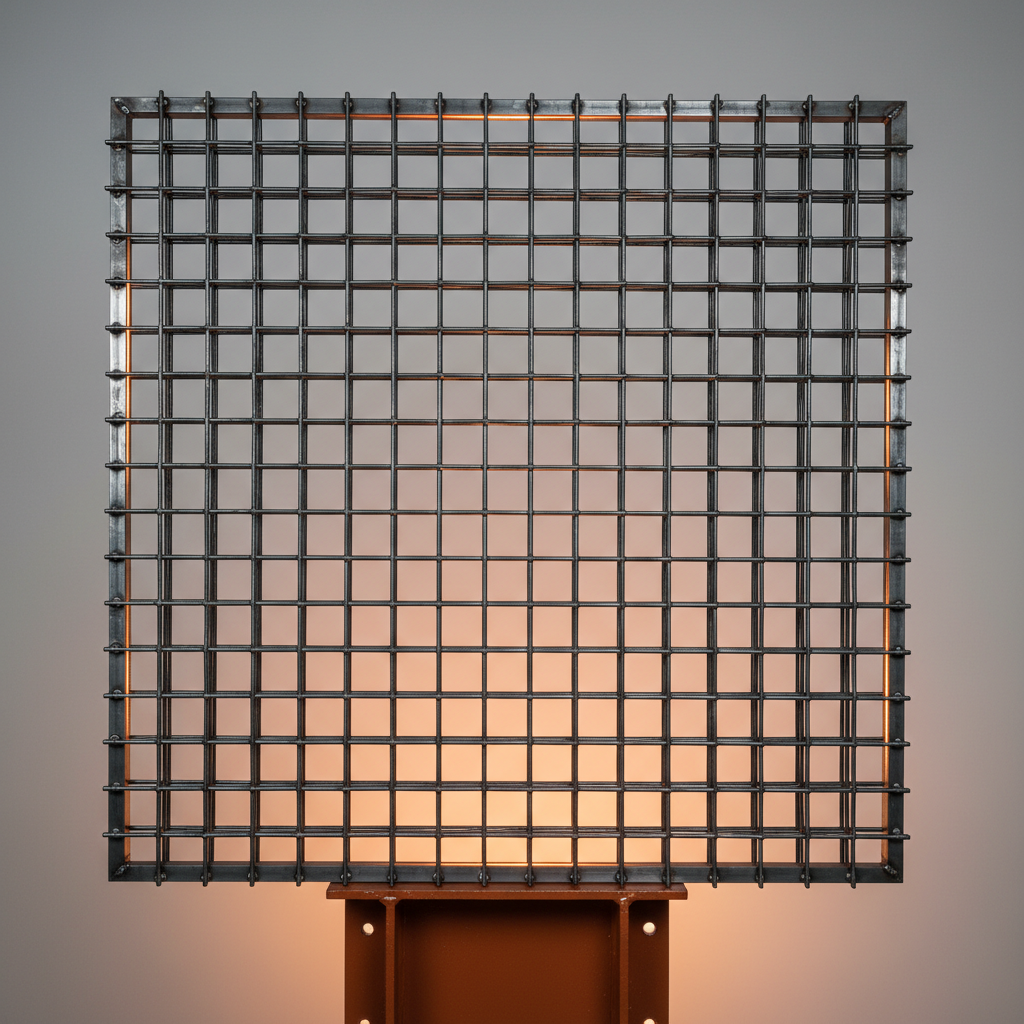 Heavy Duty 6 gauge welded wire mesh for Security and StrengthWhen it comes to heavy-duty containment, security, and structural reinforcement, choosing the right material is critical. The 6 gauge welded wire mesh stands as a premier choice for those requiring a balance of extreme rigidity and precise spacing. Whether you are securing a commercial perimeter, building industrial livestock panels, or creating reinforced concrete structures, this specific thickness provides the structural integrity needed to withstand significant pressure and impact. In this comprehensive guide, we will explore the technical specifications, primary applications, and why this mesh is the gold standard for high-security fencing solutions.Read more >
Apr 16 2026
-
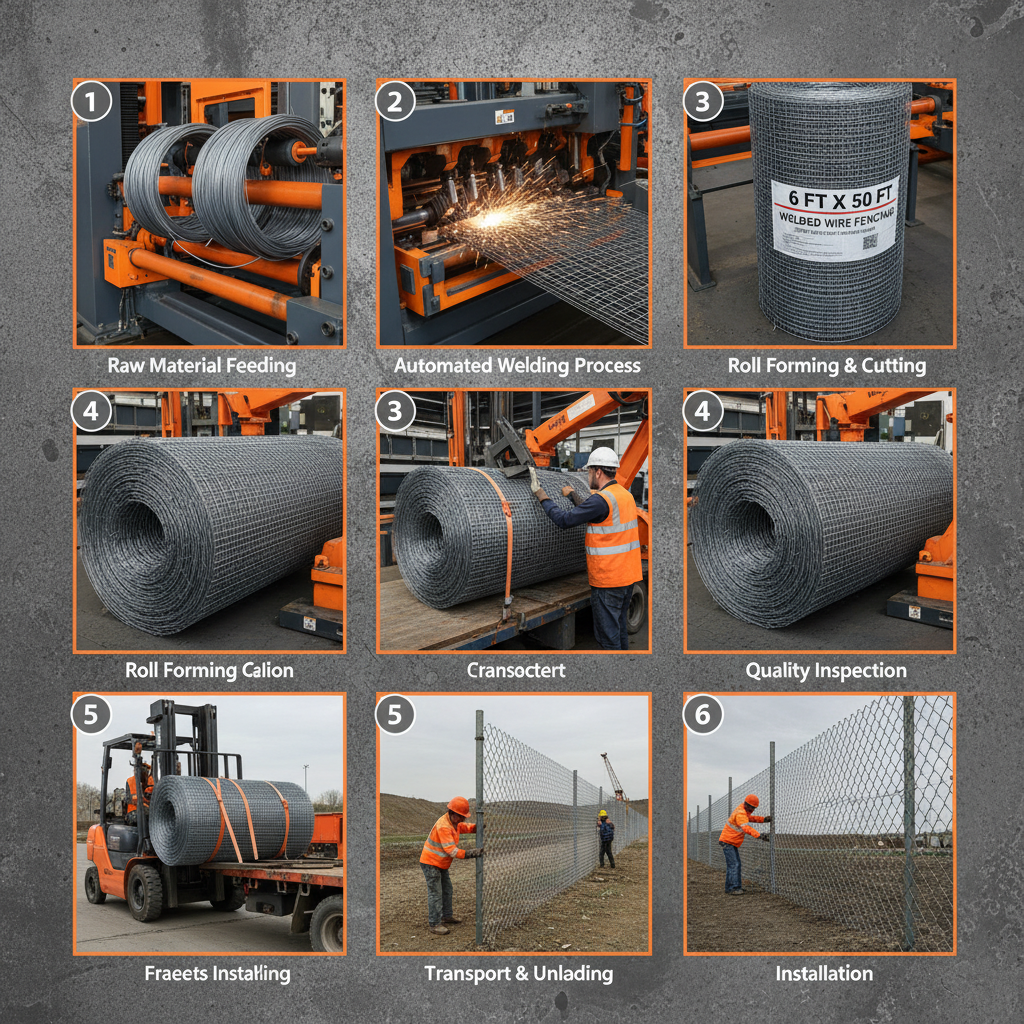 Durable 6 ft x 50 ft welded wire fencing for Security and GardensWhen it comes to securing a perimeter, whether for agricultural use, garden protection, or industrial boundaries, the dimensions and material of your fence matter. The 6 ft x 50 ft welded wire fencing offers an ideal balance of height and length, providing a robust barrier that is easy to install and maintain. Choosing a welded wire system ensures that the intersections are fused together, preventing the shifting and sagging often found in woven alternatives. In this guide, we will explore why this specific size is a preferred choice for property owners and how to maximize its effectiveness for your specific project.Read more >
Apr 09 2026
-
 Comprehensive Guide to Choosing the Best 6 ft x 100 ft Welded Wire FencingWelded wire fencing is a versatile and cost-effective solution for a wide range of applications, from agricultural containment to residential security. Understanding the nuances of different types, especially when considering a size like 6 ft x 100 ft welded wire fencing, is crucial for making the right investment. This article will guide you through the essential factors to consider, helping you select the fencing that best suits your specific requirements.Read more >
Apr 07 2026
-
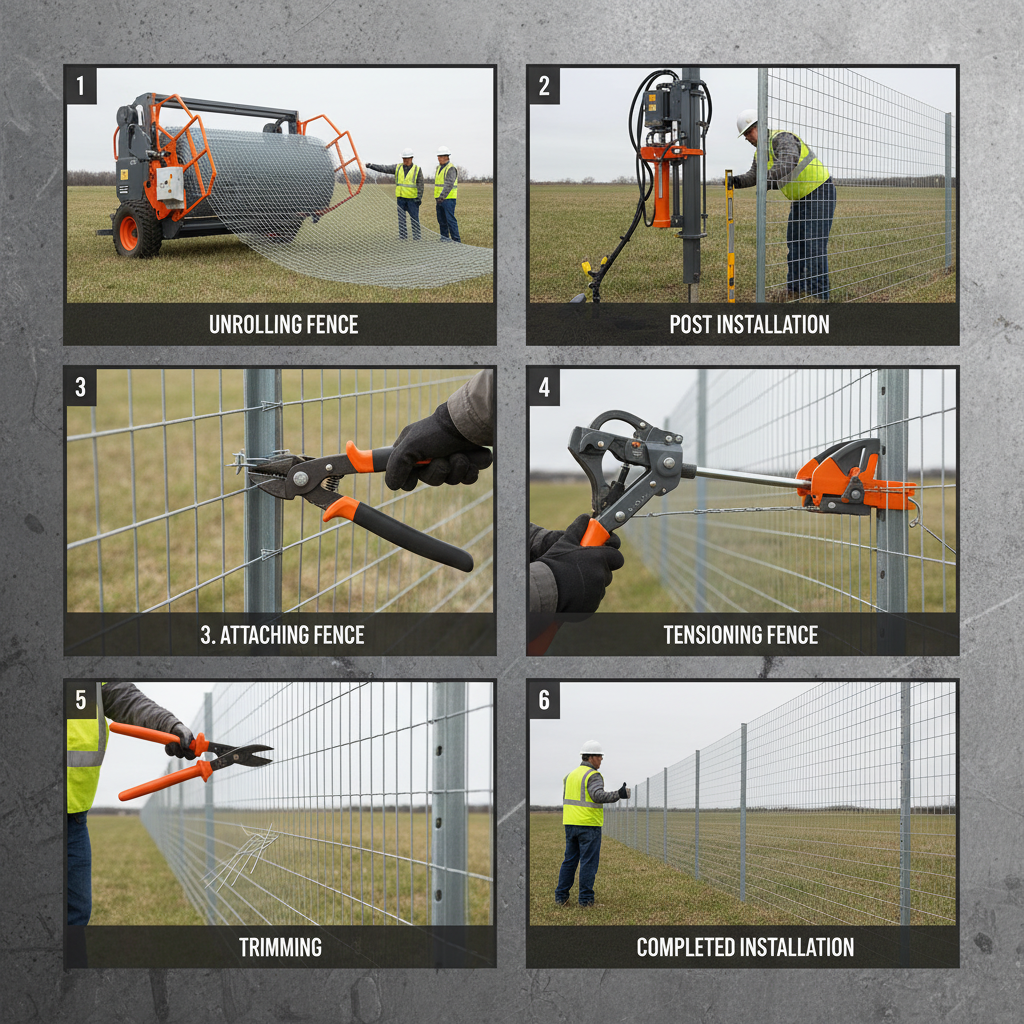 Comprehensive Guide to Choosing a 6 ft x 100 ft 12.5 Gauge Welded Wire FenceSelecting the appropriate fence for your property requires careful consideration. A 6 ft x 100 ft 12.5 gauge welded wire fence offers a robust and versatile solution for a variety of applications, from pet containment to garden protection and security. This guide will explore the benefits, applications, installation tips, and considerations when choosing this type of fencing. Understanding its construction and comparing it to other fencing options will help you make an informed decision.Read more >
Apr 04 2026
-
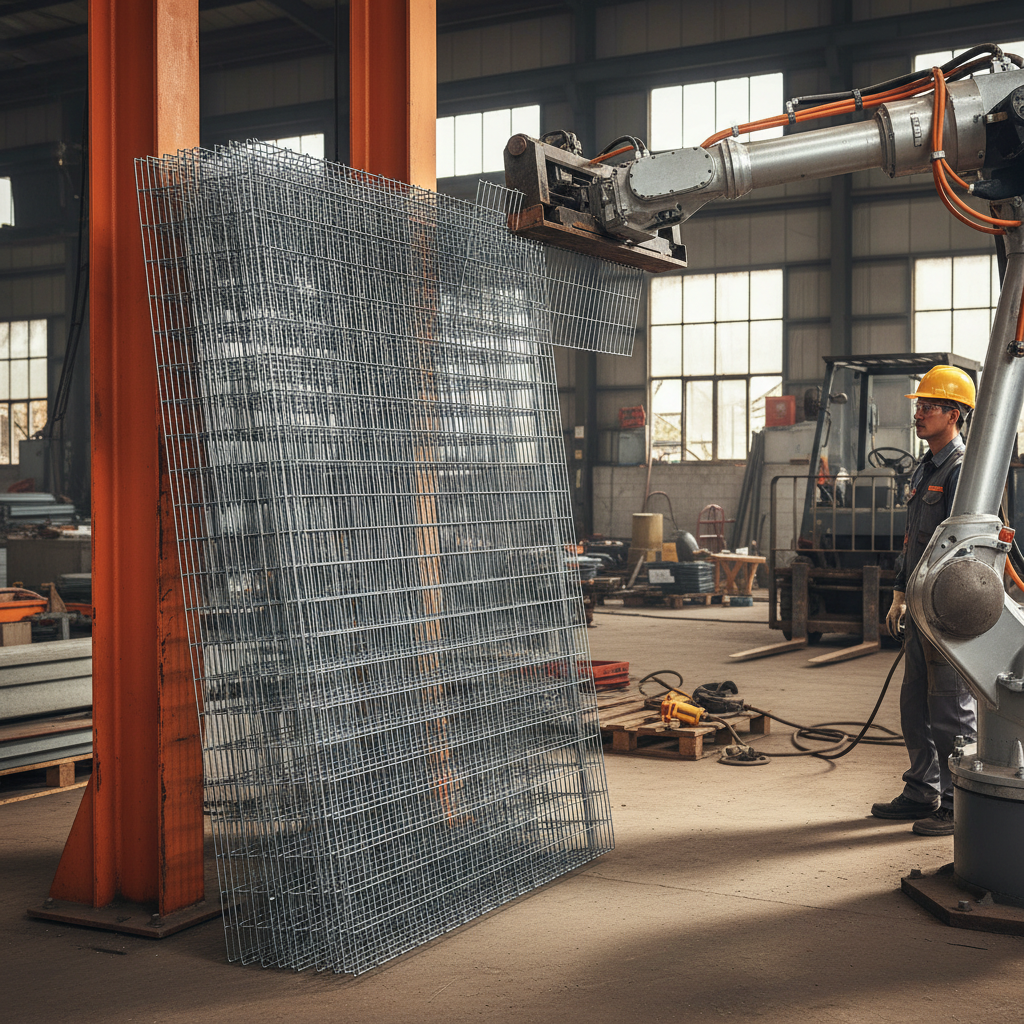 Comprehensive Guide to Durable 6 ft Welded Wire Fencing Panels and ApplicationsWhen selecting fencing for your property, 6 ft welded wire fencing panels offer a robust and versatile solution. These panels combine strength, security, and ease of installation, making them a popular choice for both residential and commercial applications. This article delves into the benefits, applications, installation, and maintenance of these panels, helping you make an informed decision.Read more >
Mar 31 2026