


Metal Mesh Walls: Durable, Sustainable Solutions for Modern Construction
Understanding Metal Mesh Walls: A Modern Marvel in Construction and Beyond
If you’ve ever walked by a building with a patterned, see-through façade or spotted those sturdy fences that resemble woven grids, you’ve encountered metal mesh walls. Though they sound a bit industrial and technical, metal mesh walls are quietly transforming how we think about architecture, security, and sustainability worldwide. Their rise matters because they intersect with major trends: globalization, environmental awareness, and security. Understanding this concept isn’t just for engineers or architects — it’s key for anyone interested in innovative materials that solve real-world challenges.
At their core, metal mesh walls provide a versatile solution that balances openness with protection, durability with design. Before we delve into the nitty-gritty, consider this: the global architectural metal market size was valued at over $72 billion in 2021 and is expected to grow steadily, according to industry reports. The reason? Materials like metal mesh walls answer questions unsolved before — how to create secure environments without feeling closed off, how to maintain airflow and light in structures while ensuring strength and longevity.
Why Does Metal Mesh Matter Globally?
Many industries — construction, infrastructure, humanitarian relief — face a common challenge: how to build quickly, sustainably, and cost-effectively while addressing safety and climate adaptability. From refugee camps needing durable partitions, to urban developments that prioritize aesthetics and function, metal mesh wall systems are rising to the occasion.
Mini takeaway: The metal mesh wall is more than a building component; it’s a global response to evolving social, environmental, and economic needs.
What Exactly Is a Metal Mesh Wall?
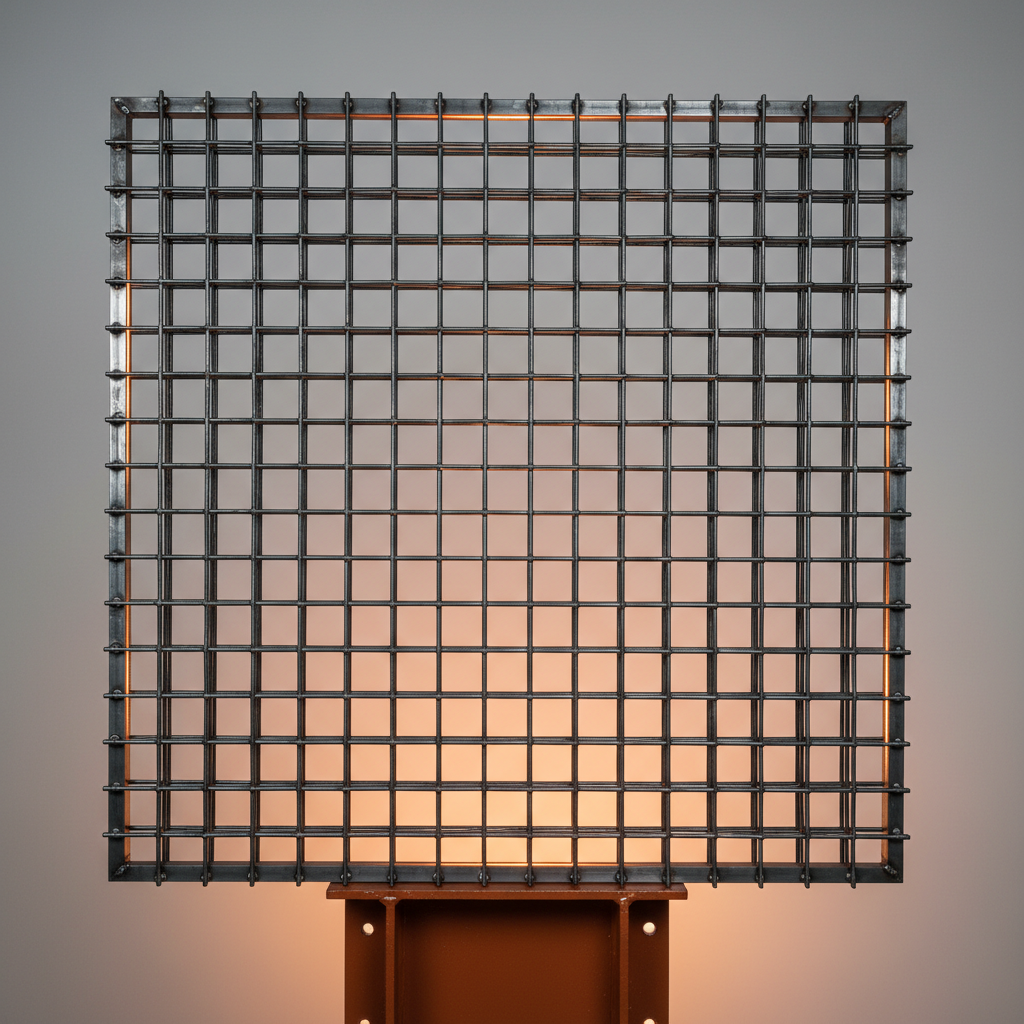
In simple terms, a metal mesh wall is a structure composed of interlaced metal wires or strips forming a grid or net-like pattern used as a wall or partition. It’s a hybrid between a barrier and a screen — allowing visibility, light, and airflow while providing protection and structural integrity. You might think of it as breathable armor for buildings.
Its connection to modern industry is vast. From industrial safety barriers and secure enclosures to decorative facades and sound attenuation walls, metal mesh merges engineering with design. In humanitarian contexts, these walls become temporary or permanent partitions that are quick to install yet hard to damage, often required in dynamic or fragile environments.
Core Components and Key Factors Behind Metal Mesh Wall Design
1. Durability and Strength
The metal used — often galvanized steel, stainless steel, or aluminum — dictates how weather-resistant, corrosion-proof, and load-bearing a mesh wall is. For outdoor or industrial settings, durability is king. A wall needs to withstand wind, rain, even impacts without sagging or failing. It’s fascinating how coatings and treatments prolong this lifespan, reducing maintenance.
2. Scalability and Modularity
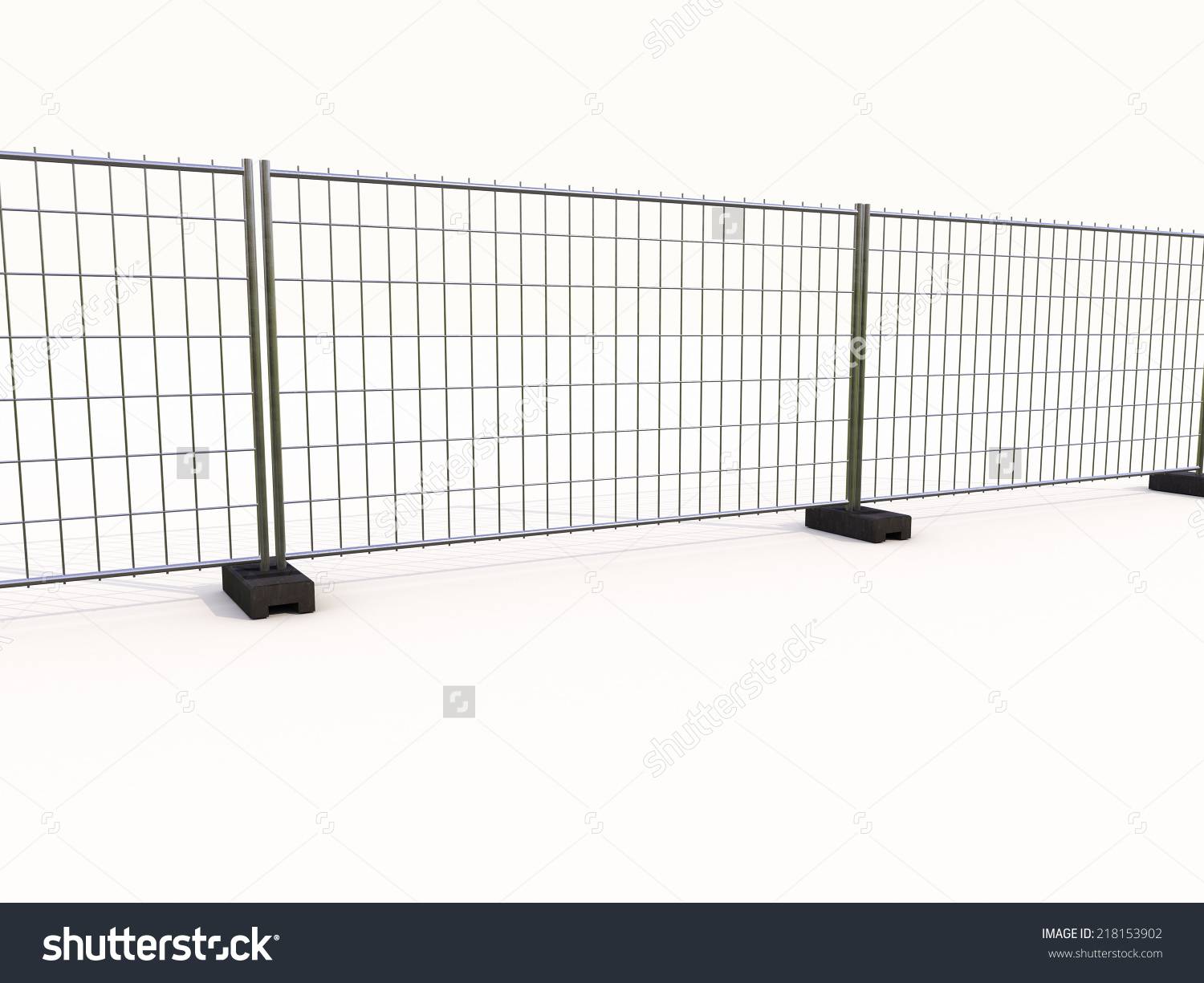
Metal mesh walls can be designed as modular panels, allowing quick assembly and custom sizing. This attribute is crucial for temporary installations or evolving environments. Modularity also cuts labor and logistics costs, which many architects praise. Oddly enough, this flexibility makes it easier to reuse or repurpose components across projects.
3. Cost Efficiency
Because metal mesh requires fewer raw materials than solid barriers and often needs less foundation work, it can be more budget-friendly in the long run. Installation speed translates directly to saving time and money. Plus, its low maintenance means fewer expenses down the road. For NGOs or construction companies watching budgets, this is a big advantage.
4. Aesthetic Appeal and Ventilation
Unlike concrete or brick, metal mesh adds visual texture and allows light and air to pass through, improving ventilation and reducing heat build-up. In climates with temperature extremes, this passive cooling effect is a small but meaningful benefit. Designers also play with mesh patterns to create striking facades that blend function with form. It’s cool how such a simple structure can feel so versatile.
5. Security and Privacy
Depending on mesh size and material thickness, these walls can serve as secure fencing or as privacy screens. Industrial parks, airports, and even prisons often use reinforced metal mesh for perimeter security. Yet, they can still feel less oppressive than solid concrete walls — maintaining a sense of openness while controlling access.
Mini takeaway: Metal mesh walls balance a range of factors — strength, flexibility, cost, aesthetics — making them surprisingly adaptable across contexts.
Where in the World Do Metal Mesh Walls Make an Impact?
- Urban architecture: Cities in Europe and Asia use metal mesh walls in offices and residential buildings to merge sustainability with design.
- Infrastructure: Metal mesh is common in noise barriers along highways in North America and Europe.
- Post-disaster relief: NGOs in Southeast Asia frequently employ modular metal mesh panels to erect quick, durable housing and boundary walls after storms or earthquakes.
- Industrial zones: Metal mesh enclosures protect machinery or hazardous zones while maintaining visibility in large factories across the Middle East and the U.S.
A quick example: In the 2018 earthquake aftermath in Indonesia, relief organizations designed lightweight metal mesh walls that could be installed within hours. The walls helped create separate living and community spaces while allowing ventilation — which is critical in tropical climates. This application was a game-changer compared to more traditional, labor-intensive shelter building.
The Long-Term Perks: Why Choose Metal Mesh Walls?
Choosing metal mesh walls isn’t just about engineering specs. There’s a strong sustainability case — using recyclable metals and reducing material waste. These walls often outlast wooden or plastic alternatives, resisting pests, rot, and fire. Emotionally, users report feeling safer yet less confined in spaces separated by metal mesh walls.
Plus, from a cost perspective, the lower maintenance and faster deployment pay dividends over decades. Whether it’s an industrial facility needing security or a community shelter seeking dignity through airy, safe spaces, metal mesh offers reliability and adaptability.
Looking Ahead: Innovations Shaping Metal Mesh Walls
Trends are moving toward lighter, stronger alloys, even integrating solar cells within mesh panels for energy-positive walls — a neat fusion of material science and sustainability. Digitally fabricated metal meshes allow complex patterns, bespoke to projects, driven by automation and 3D printing. Green building certifications increasingly push for materials combining durability, recyclability, and low environmental impact — and metal mesh walls fit the bill perfectly.
Additionally, some firms experiment with coatings that self-clean or resist graffiti, reducing upkeep. It feels like metal mesh walls will only grow smarter in function and form.
Challenges and How Experts Are Overcoming Them
There are some hurdles. For example, in high-security settings, the mesh size needs to be incredibly small to prevent intrusion, which can reduce airflow and increase costs. Installation challenges arise with uneven terrain or extreme weather. Still, layered designs, hybrid materials, and improved fastening methods help solve these issues. Many engineers now recommend combining metal mesh walls with other building systems — like concrete footings or modular frames — to reinforce stability while keeping flexibility.
Mini takeaway: No solution is flawless, but the evolving designs and smart engineering continually improve metal mesh walls’ effectiveness and usability.
FAQ: What Folks Usually Want to Know About Metal Mesh Walls
- Q: How does metal mesh wall installation time compare to traditional brick walls?
- A: Metal mesh walls are much faster, often assembled from modular panels within days instead of weeks. This speed helps reduce labor costs and accelerates project timelines.
- Q: Can metal mesh walls withstand harsh weather, like hurricanes or heavy snow?
- A: Yes, when constructed with suitable metal grades and anchoring techniques, metal mesh walls offer robust resistance to wind and weight loads. Proper engineering is essential, though, to adapt to local conditions.
- Q: Are metal mesh walls recyclable?
- A: Absolutely. Metals like steel and aluminum used in mesh walls can be recycled at the end of their life cycle, making them an eco-friendly choice compared to synthetic materials.
- Q: Do metal mesh walls provide any soundproofing benefits?
- A: While metal mesh itself is not a sound barrier, when combined with acoustic panels or insulation, they contribute to noise reduction designs by permitting ventilation while layering sound-absorbing materials.
- Q: How customizable are metal mesh walls in terms of design and function?
- A: Very customizable. Manufacturers can vary mesh size, thickness, coatings, and panel dimensions to meet specific security, aesthetic, or environmental needs.
Metal Mesh Wall Product Specification Table
| Specification | Details |
|---|---|
| Material | Galvanized Steel / Stainless Steel / Aluminum Alloy |
| Mesh Opening Size | 5mm to 50mm (customizable) |
| Panel Dimensions | Standard 2m x 3m (custom sizes available) |
| Finish | Powder Coated / Electroplated / Uncoated |
| Weight | 8-15 kg/m² depending on material |
| Fire Rating | Class A (non-combustible) |
Comparing Leading Metal Mesh Wall Vendors
| Vendor | Material Options | Customization | Typical Lead Time | Price Range |
|---|---|---|---|---|
| MeshTech Solutions | Steel, Aluminum | High (custom patterns, panel size) | 4-6 weeks | $$$ |
| Safeguard Mesh Inc. | Stainless Steel only | Medium (mesh size options) | 3-5 weeks | $$$$ |
| EcoMesh Panels | Recycled Steel & Aluminum | Basic (standard sizes & finishes) | 2-4 weeks | $ - $$ |
If you want to explore examples or further technical details about how metal mesh walls blend into modern architecture and infrastructure, check out resources like the Wikipedia page on mesh materials or industry standards from ISO. Also, many manufacturers provide case studies highlighting their successful projects worldwide.
Final thoughts: Metal mesh walls represent a fascinating intersection of design, science, and practicality. They respond to the growing demand for structures that are safe, environmentally friendly, flexible, and visually appealing. While challenges remain, the future looks bright — and a little see-through. If you want to dive deeper or consider adding metal mesh walls to your next project, visit our website at metal mesh wall.
References
Latest News About CHENG CHUANG
-
 Heavy Duty 6 gauge welded wire mesh for Security and StrengthWhen it comes to heavy-duty containment, security, and structural reinforcement, choosing the right material is critical. The 6 gauge welded wire mesh stands as a premier choice for those requiring a balance of extreme rigidity and precise spacing. Whether you are securing a commercial perimeter, building industrial livestock panels, or creating reinforced concrete structures, this specific thickness provides the structural integrity needed to withstand significant pressure and impact. In this comprehensive guide, we will explore the technical specifications, primary applications, and why this mesh is the gold standard for high-security fencing solutions.Read more >
Apr 16 2026
-
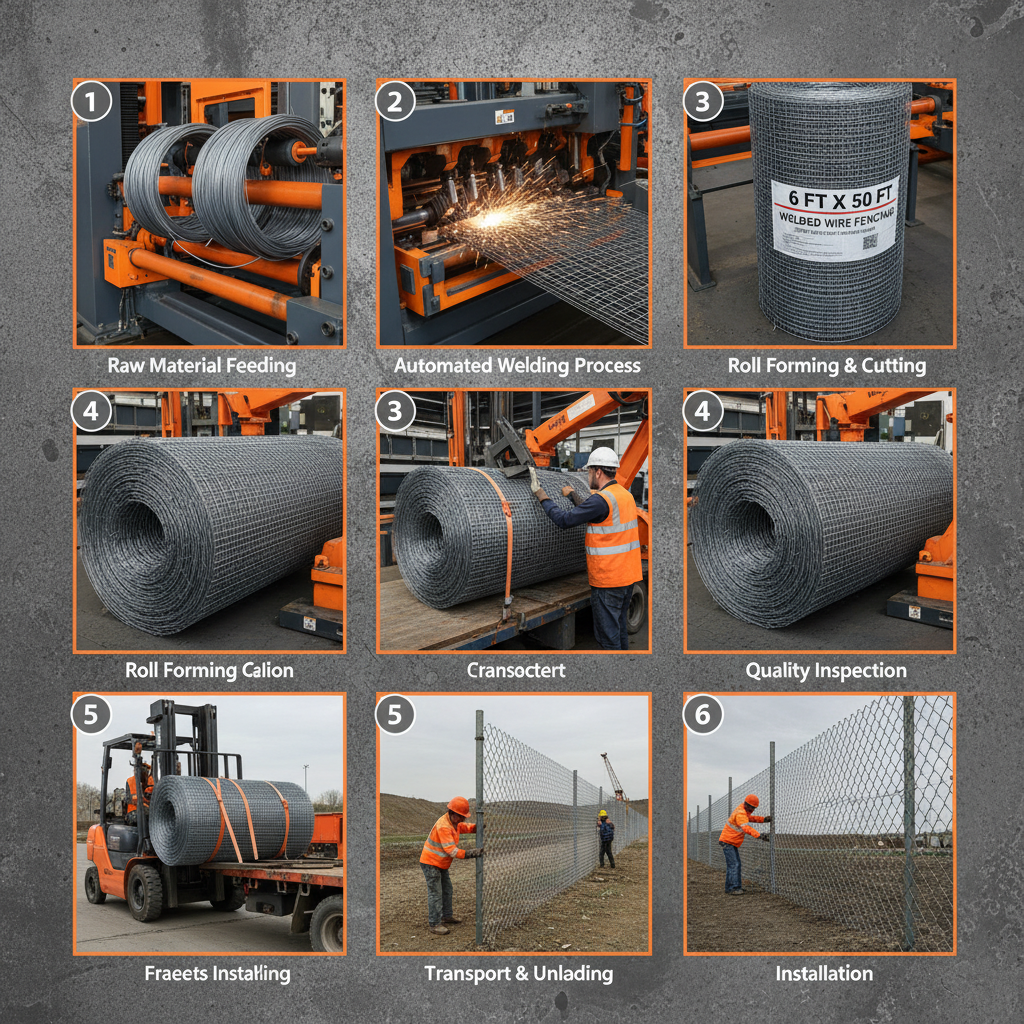 Durable 6 ft x 50 ft welded wire fencing for Security and GardensWhen it comes to securing a perimeter, whether for agricultural use, garden protection, or industrial boundaries, the dimensions and material of your fence matter. The 6 ft x 50 ft welded wire fencing offers an ideal balance of height and length, providing a robust barrier that is easy to install and maintain. Choosing a welded wire system ensures that the intersections are fused together, preventing the shifting and sagging often found in woven alternatives. In this guide, we will explore why this specific size is a preferred choice for property owners and how to maximize its effectiveness for your specific project.Read more >
Apr 09 2026
-
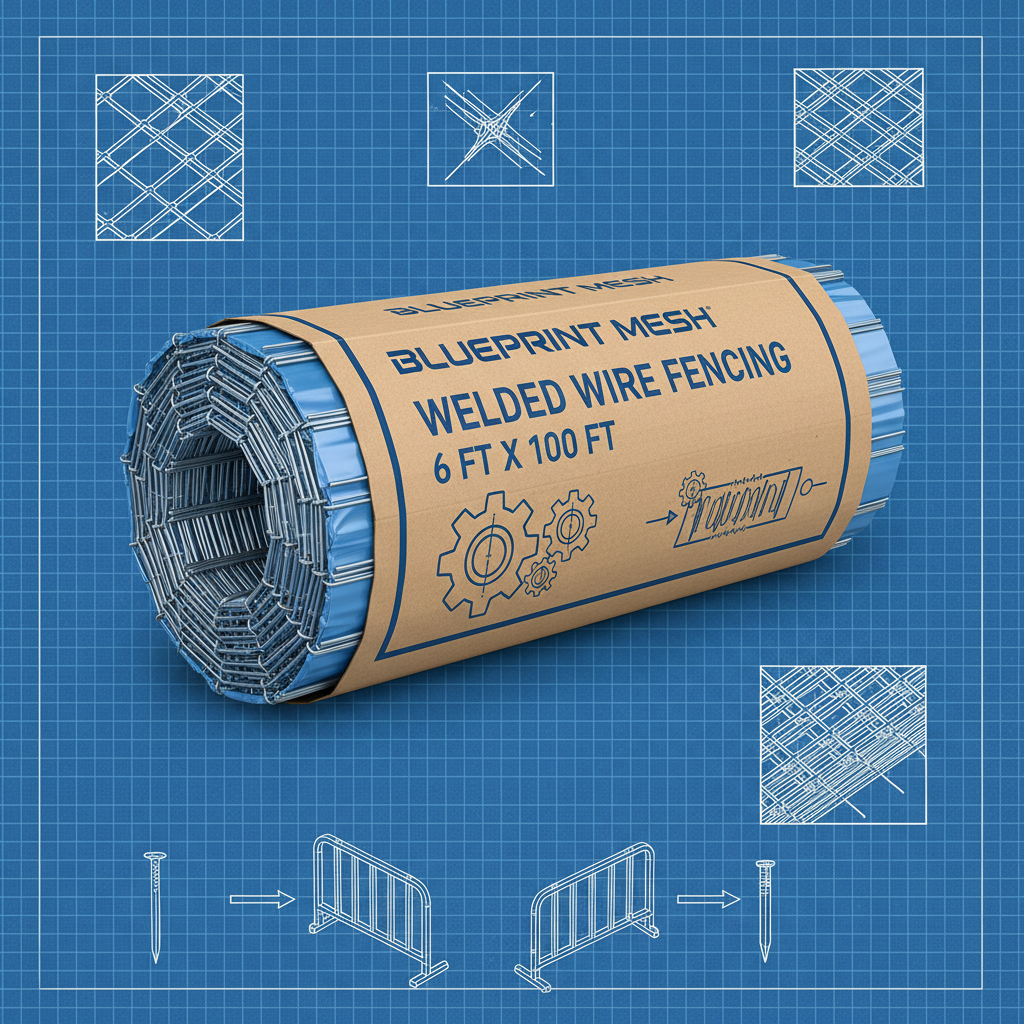 Comprehensive Guide to Choosing the Best 6 ft x 100 ft Welded Wire FencingWelded wire fencing is a versatile and cost-effective solution for a wide range of applications, from agricultural containment to residential security. Understanding the nuances of different types, especially when considering a size like 6 ft x 100 ft welded wire fencing, is crucial for making the right investment. This article will guide you through the essential factors to consider, helping you select the fencing that best suits your specific requirements.Read more >
Apr 07 2026
-
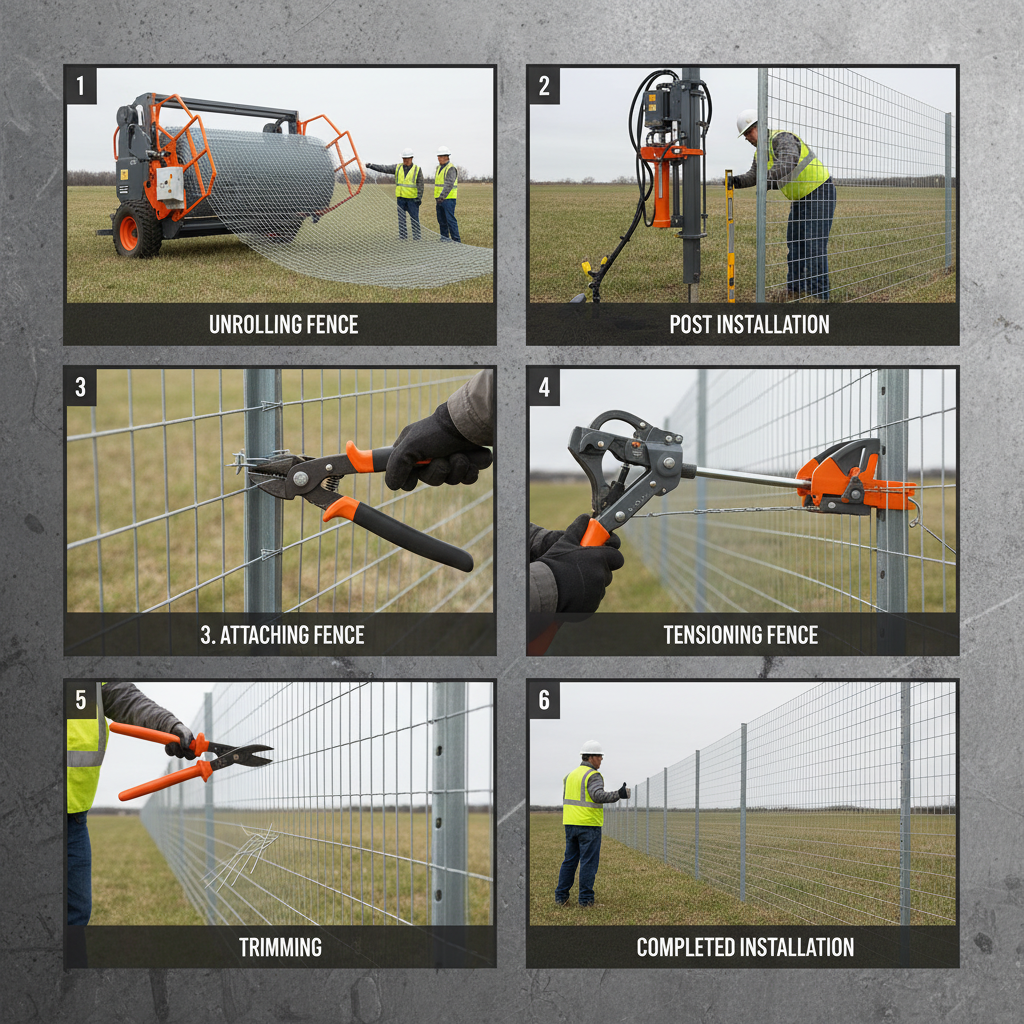 Comprehensive Guide to Choosing a 6 ft x 100 ft 12.5 Gauge Welded Wire FenceSelecting the appropriate fence for your property requires careful consideration. A 6 ft x 100 ft 12.5 gauge welded wire fence offers a robust and versatile solution for a variety of applications, from pet containment to garden protection and security. This guide will explore the benefits, applications, installation tips, and considerations when choosing this type of fencing. Understanding its construction and comparing it to other fencing options will help you make an informed decision.Read more >
Apr 04 2026
-
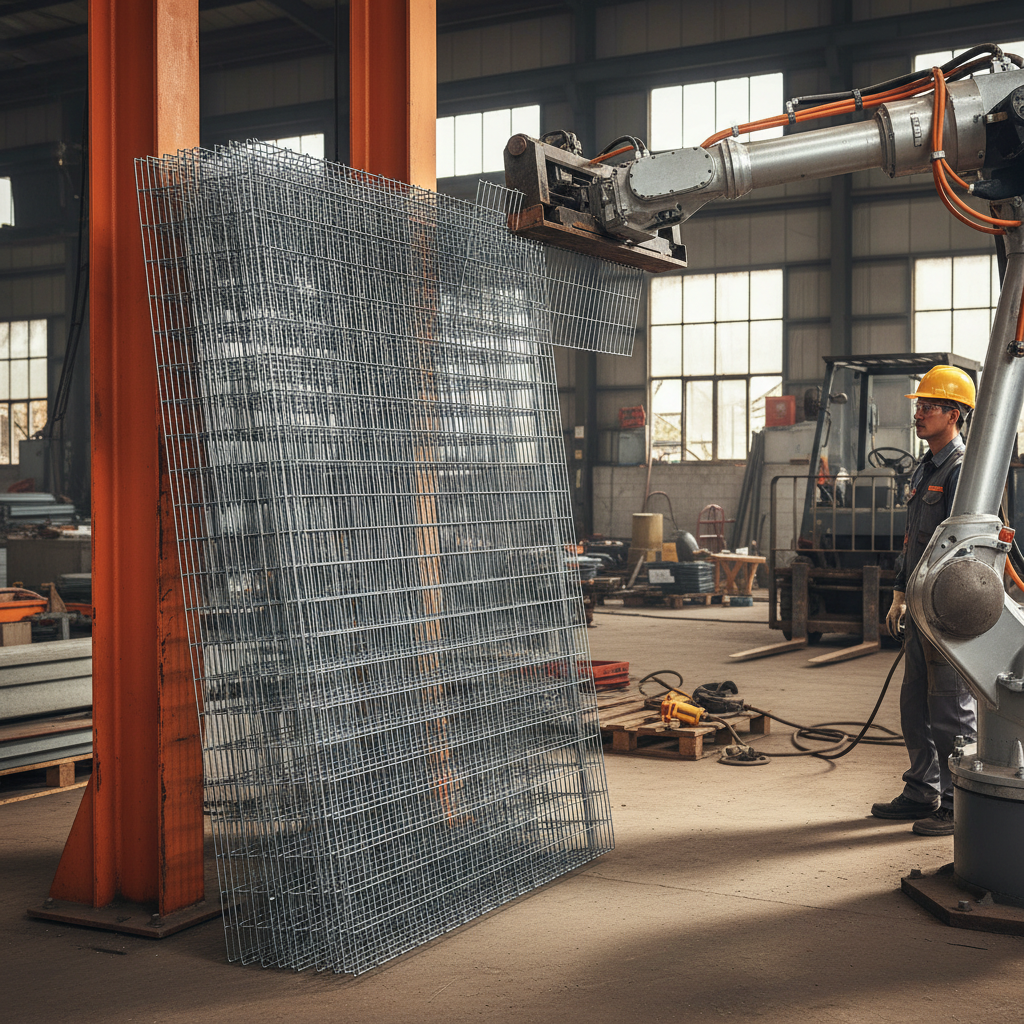 Comprehensive Guide to Durable 6 ft Welded Wire Fencing Panels and ApplicationsWhen selecting fencing for your property, 6 ft welded wire fencing panels offer a robust and versatile solution. These panels combine strength, security, and ease of installation, making them a popular choice for both residential and commercial applications. This article delves into the benefits, applications, installation, and maintenance of these panels, helping you make an informed decision.Read more >
Mar 31 2026