


Durable & Flexible Net Fencing Wire for Agriculture, Industry & Conservation | CHCH Fence
Understanding Net Fencing Wire: Essential for Today's Global Challenges
Net fencing wire—it's one of those materials you rarely stop to think about until you really need it. But, frankly, this humble product plays a surprisingly vital role in industries and communities worldwide. From securing farmland to protecting wildlife reserves and even aiding humanitarian efforts, net fencing wire forms the backbone of countless applications. Understanding its qualities and uses can unlock smarter decisions for businesses, governments, and NGO operations alike.
Why Net Fencing Wire Matters on a Global Scale
Globally, agriculture accounts for roughly 26% of total land use, and effective fencing is crucial for protecting crops and livestock. According to the FAO, livestock fencing helps reduce conflicts between humans and wildlife, improving sustainability in rural communities. Meanwhile, in conflict zones and disaster-stricken regions, temporary net fencing wire solutions offer rapid deployment of safety perimeters and shelters. The UN Environment Programme (UNEP) highlights that well-constructed fencing reduces environmental damage by managing firebreaks and preventing overgrazing, which are serious challenges in dryland ecosystems.
Yet, issues like material fatigue, theft, and environmental degradation pose real challenges—key problems net fencing wire aims to solve.
Mini takeaway: Net fencing wire is more than a simple barrier—its impact touches agriculture, conservation, and humanitarian aid worldwide.
What Exactly Is Net Fencing Wire?
In straightforward terms, net fencing wire is a woven or welded mesh made of metal wires designed to create protective barriers. It’s crafted to be durable, flexible, and adaptable. The “net” design differs from traditional solid panels by providing visibility and ventilation while maintaining security. In many modern industries—think livestock farming, infrastructure security, and environmental protection—this type of fencing offers an excellent balance between cost and functionality.
Connection to Industry and Humanitarian Needs
For humanitarian groups operating in remote or post-disaster zones, net fencing wire is often the go-to material for quickly marking safe zones or temporary shelters. Compared with traditional wooden or concrete barriers, it’s lighter, faster to install, and easily transportable—qualities vital when time is of the essence.
Core Components and Key Factors of Net Fencing Wire
Durability
Most net fencing wire is galvanized—or coated in protective layers—to resist rust and corrosion, allowing it to last many years exposed to the elements. Often, the quality of galvanization determines how well the wire performs in salty coastal regions or humid climates.
Flexibility
Unlike rigid panels, net fencing wire bends with terrain contours, which makes it easier to install on uneven ground without compromising strength. This flexibility also helps in absorbing impacts, say from livestock pushing against it.
Cost Efficiency
The production process is relatively simple, translating to affordable prices for bulk buyers, whether farmers or industrial customers. Plus, low maintenance means fewer replacement costs.
Security
Net fencing wire can be engineered with various mesh sizes and wire gauges to deter intrusion effectively, without requiring expensive additional security measures.
Environmental Compatibility
Because it minimizes soil disruption and allows wildlife passage in some configurations, net fencing wire supports eco-friendly fencing solutions, increasingly important amid environmental regulations.
Scalability
Whether protecting a small garden or sprawling industrial sites spanning hundreds of acres, net fencing wire is scalable to any project size.
Mini takeaway: These core traits make net fencing wire an attractive blend of strength, adaptability, and value.
Real-World Applications of Net Fencing Wire
- Agriculture: In regions like Sub-Saharan Africa, farmers fence livestock to prevent crop loss and manage grazing patterns.
- Wildlife Conservation: Australian parks use net fencing to keep invasive species away from vulnerable habitats.
- Disaster Relief: After typhoons in Southeast Asia, nonprofits install temporary net fencing wire barriers to mark safe zones and protect evacuee camps.
- Industrial Sites: Oil fields in the Middle East rely on net fencing layouts to secure perimeters against unauthorized entry.
- Residential and Urban Use: Homeowners and construction sites worldwide adopt net fencing wire for cost-effective boundary marking.
net fencing wire suppliers often emphasize customization options to meet these diverse needs.
Advantages & Long-Term Value: Beyond the Basics
Net fencing wire delivers tangible benefits at multiple levels:
- Cost Savings: Less hardware and longer lifespan reduce total ownership costs.
- Sustainability: With recyclable metal components, eco-conscious businesses choose net fencing wire over plastics or wood.
- Safety and Dignity: Especially in humanitarian settings, providing secure yet non-intrusive fencing builds trust and community dignity.
- Reliability: Minimal maintenance and enduring performance mean fewer headaches in tough environments.
- Innovation: New coatings and wire alloys keep pushing the limits of durability and environmental friendliness.
Net Fencing Wire Product Specification Table
| Specification | Detail |
|---|---|
| Material | High tensile galvanized steel wire or stainless steel |
| Wire Diameter | 1.8 mm – 4.0 mm |
| Mesh Size | 25 mm to 100 mm square/hexagonal |
| Coating | Hot dip galvanizing (typically 40–100 g/m²) |
| Roll Length | 10 m to 50 m |
| Roll Height | 0.5 m to 2.5 m |
| Lifetime Expectancy | Generally 15–30 years |
Comparing Key Vendors in Net Fencing Wire (2024)
| Vendor | Material Options | Customization | Typical Lead Time | Global Reach |
|---|---|---|---|---|
| FenceCo International | Galvanized steel, stainless steel | Mesh size, coating thickness, roll sizes | 2–3 weeks | North America, Europe, Asia |
| Global Wire Solutions | Galvanized & PVC coated | Color coating, wire gauge | 3–4 weeks | Europe, Africa, Australia |
| Asia Fence Tech | Hot-dip galvanized, stainless | Bulk roll sizes, mesh shapes | 1–2 weeks | Asia Pacific, Middle East |
Future Trends and Innovations
Technology isn’t leaving net fencing wire behind. We’re seeing new materials like polymer-coated steel for superior resistance, and nano-coatings that fend off corrosion even in harsh marine atmospheres. Digitally assisted fence monitoring combined with IoT sensors promises to transform how industries secure sites remotely.
On the environmental side, recycled steel content is on the rise, helping cut carbon footprints. And let’s not forget automated manufacturing—which boosts production speed and consistency, driving prices down.
Oddly enough, even 3D printing prototypes for custom mesh patterns aren’t too far off, potentially unlocking tailored fences for unique security needs.
Common Challenges & Smart Solutions
Like everything, net fencing wire has imperfections. Theft and vandalism remain concerns, especially in unsecured rural regions. Wire corrosion still sneaks in when coatings wear thin prematurely. Then there’s installation: poorly done fencing can sag or warp, negating years of expected durability.
Experts suggest better quality control during production and encouraging local training for installation crews. Advances in coatings and wire alloys are helping resist corrosion longer. Plus, integrating surveillance tech with fencing systems deters tampering.
FAQ: Your Practical Questions About Net Fencing Wire
Q1: What wire gauge should I choose for heavy livestock fencing?
A1: Generally, a thicker wire gauge between 3.0 mm to 4.0 mm works best for heavy animals like cattle or horses, offering strength without excessive weight. However, mesh size also matters—smaller openings prevent animals from getting stuck.
Q2: Can net fencing wire be used in coastal areas prone to rust?
A2: Yes, but it’s crucial to select hot-dip galvanized wire with a thicker zinc coating or stainless steel varieties. In some cases, polymer-coated meshes offer additional protection from salt spray.
Q3: How quickly can large fencing projects be deployed?
A3: With pre-rolled net fencing wire and proper installation teams, medium-sized projects (up to several acres) can often be fenced within days, especially with modular post-prefabrication.
Q4: Is net fencing wire environmentally friendly?
A4: Steel wire is highly recyclable and long-lasting, reducing waste. Plus, mesh fencing allows natural light and water flow, minimizing habitat disruption compared to solid barriers.
Q5: What about customization options?
A5: Many suppliers offer tailored mesh sizes, wire thicknesses, coatings, and roll dimensions to match client specifications—you’ll want to discuss needs directly to get the perfect fit.
Conclusion: Why Net Fencing Wire Is a Smart Long-Term Investment
In real terms, choosing the right net fencing wire means savings on maintenance, higher security, and environmental benefits. It's a versatile solution that adapts to many needs, from vast agricultural domains to sensitive wildlife preserves or emergency relief zones. So if you’re on the fence (pun intended) about fencing solutions, remember: a mesh of smart choices today saves countless headaches tomorrow.
Ready to explore options tailored for your project? Visit our website: https://www.chbarrier.com for expert advice and quality net fencing wire solutions.
References
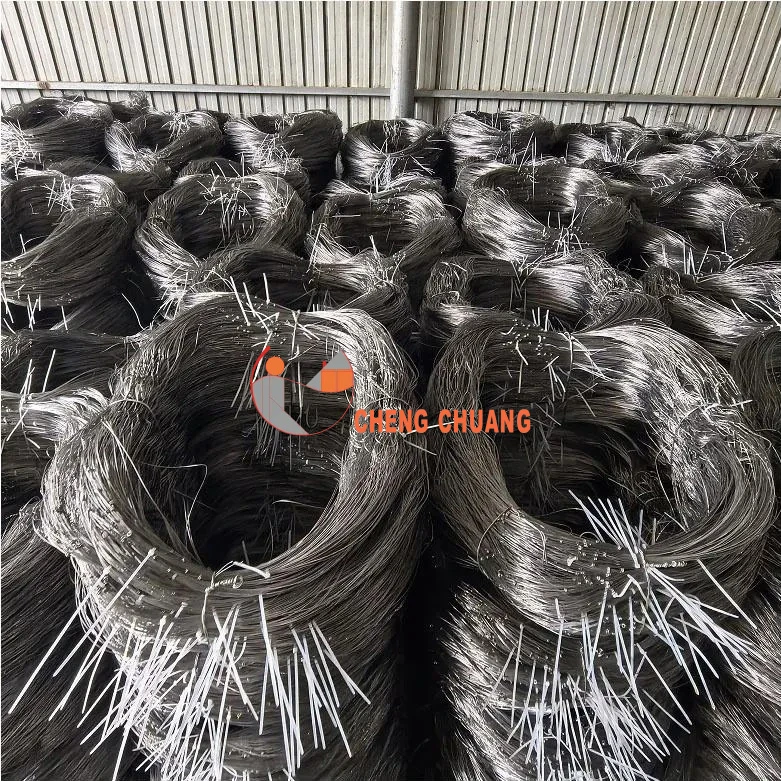
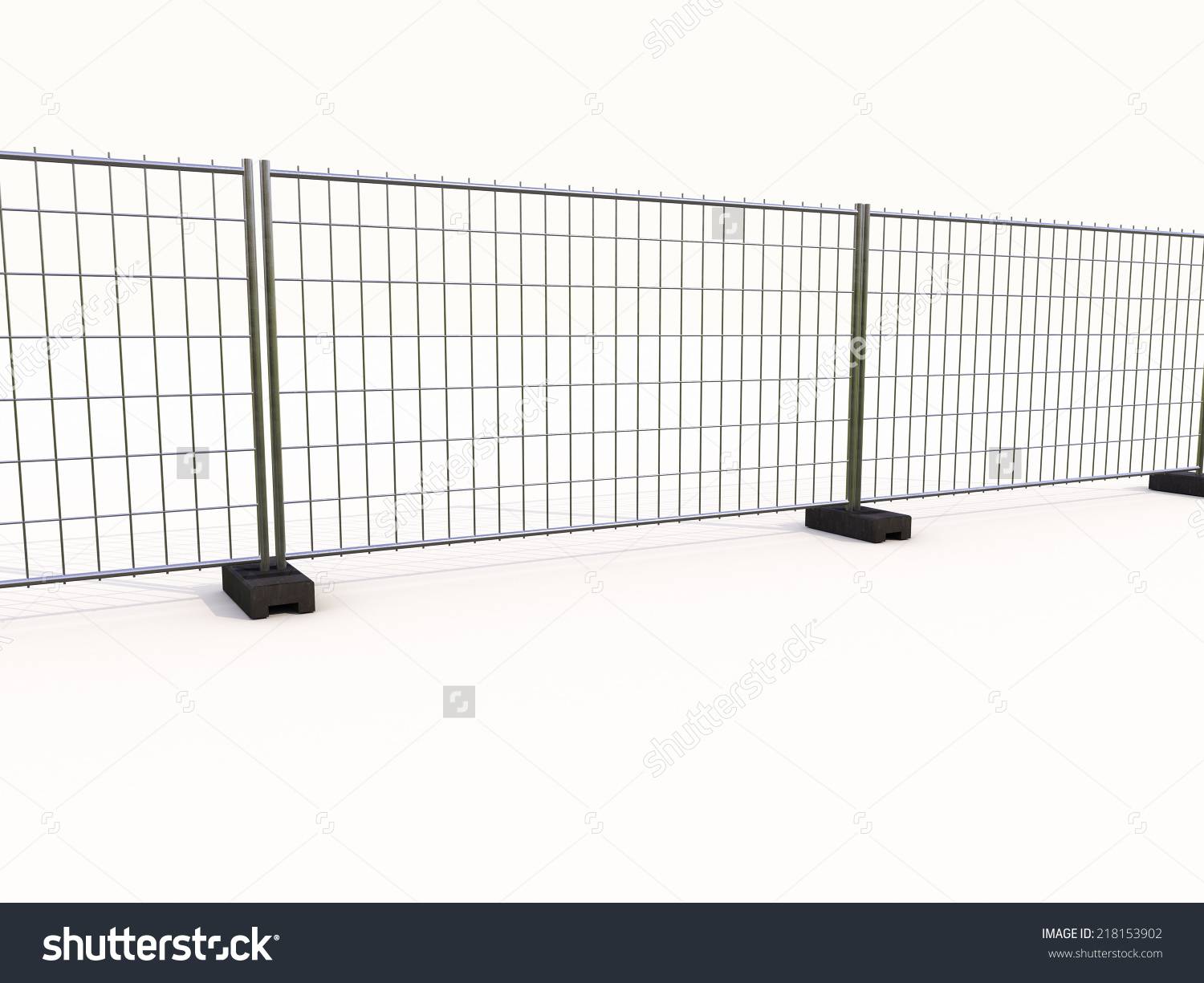
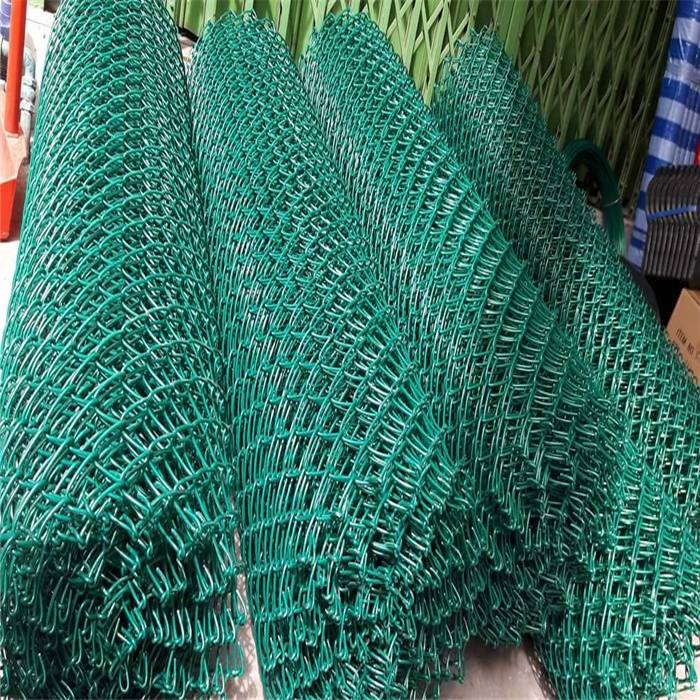
Latest News About CHENG CHUANG
-
 Heavy Duty 6 gauge welded wire mesh for Security and StrengthWhen it comes to heavy-duty containment, security, and structural reinforcement, choosing the right material is critical. The 6 gauge welded wire mesh stands as a premier choice for those requiring a balance of extreme rigidity and precise spacing. Whether you are securing a commercial perimeter, building industrial livestock panels, or creating reinforced concrete structures, this specific thickness provides the structural integrity needed to withstand significant pressure and impact. In this comprehensive guide, we will explore the technical specifications, primary applications, and why this mesh is the gold standard for high-security fencing solutions.Read more >
Apr 16 2026
-
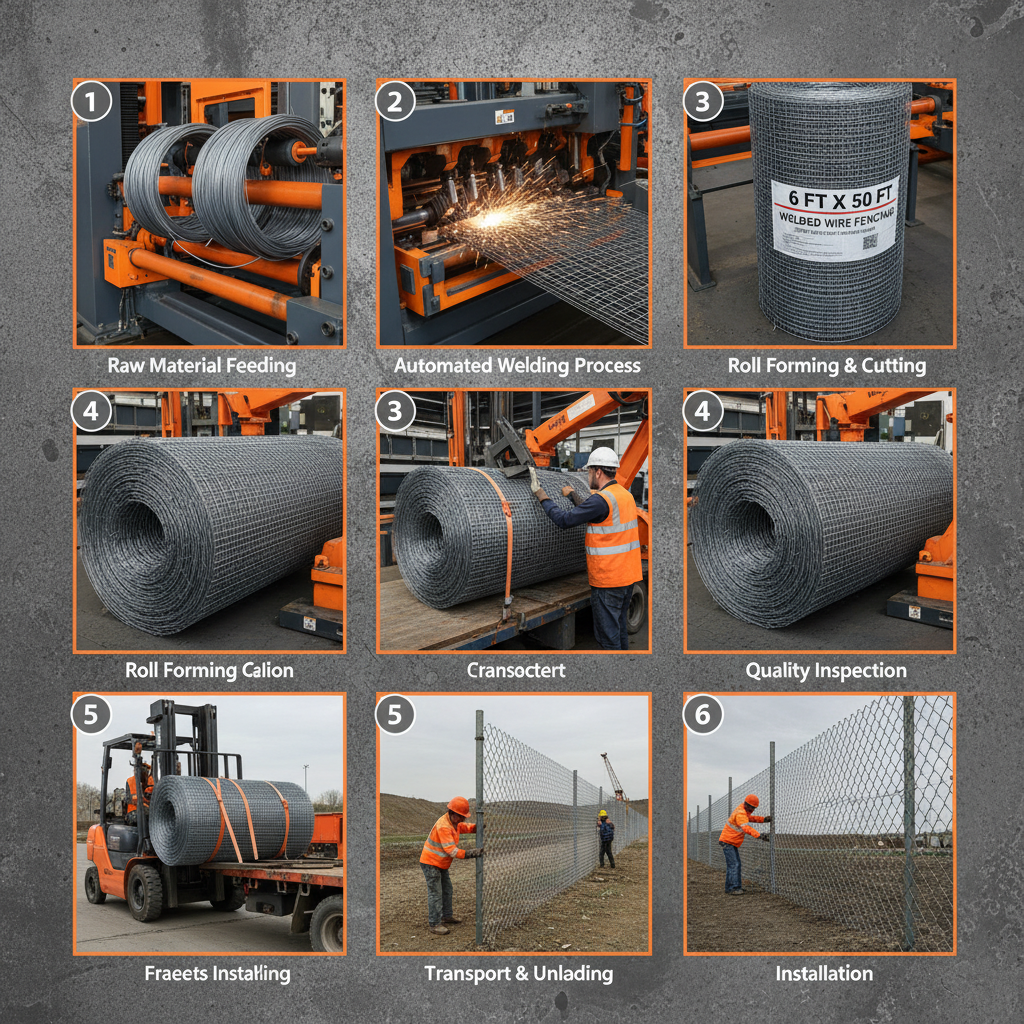 Durable 6 ft x 50 ft welded wire fencing for Security and GardensWhen it comes to securing a perimeter, whether for agricultural use, garden protection, or industrial boundaries, the dimensions and material of your fence matter. The 6 ft x 50 ft welded wire fencing offers an ideal balance of height and length, providing a robust barrier that is easy to install and maintain. Choosing a welded wire system ensures that the intersections are fused together, preventing the shifting and sagging often found in woven alternatives. In this guide, we will explore why this specific size is a preferred choice for property owners and how to maximize its effectiveness for your specific project.Read more >
Apr 09 2026
-
 Comprehensive Guide to Choosing the Best 6 ft x 100 ft Welded Wire FencingWelded wire fencing is a versatile and cost-effective solution for a wide range of applications, from agricultural containment to residential security. Understanding the nuances of different types, especially when considering a size like 6 ft x 100 ft welded wire fencing, is crucial for making the right investment. This article will guide you through the essential factors to consider, helping you select the fencing that best suits your specific requirements.Read more >
Apr 07 2026
-
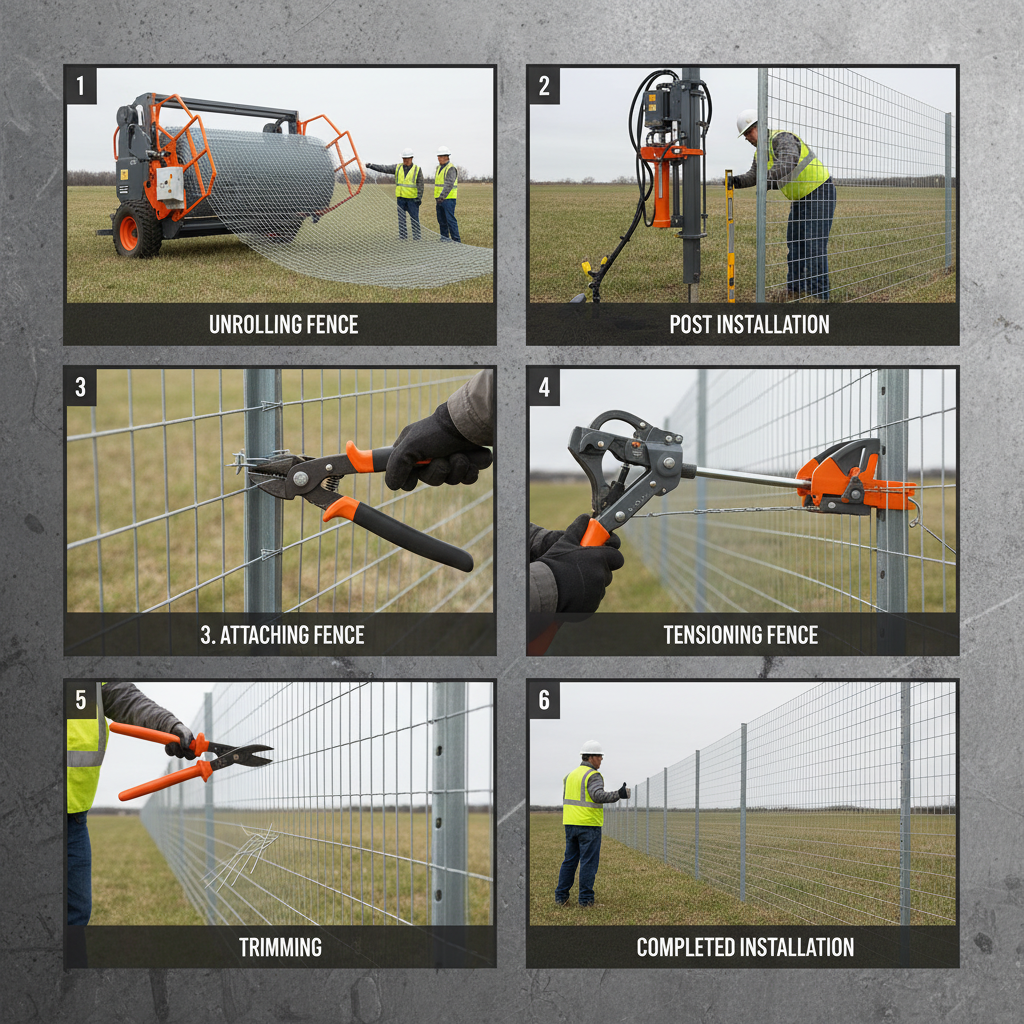 Comprehensive Guide to Choosing a 6 ft x 100 ft 12.5 Gauge Welded Wire FenceSelecting the appropriate fence for your property requires careful consideration. A 6 ft x 100 ft 12.5 gauge welded wire fence offers a robust and versatile solution for a variety of applications, from pet containment to garden protection and security. This guide will explore the benefits, applications, installation tips, and considerations when choosing this type of fencing. Understanding its construction and comparing it to other fencing options will help you make an informed decision.Read more >
Apr 04 2026
-
 Comprehensive Guide to Durable 6 ft Welded Wire Fencing Panels and ApplicationsWhen selecting fencing for your property, 6 ft welded wire fencing panels offer a robust and versatile solution. These panels combine strength, security, and ease of installation, making them a popular choice for both residential and commercial applications. This article delves into the benefits, applications, installation, and maintenance of these panels, helping you make an informed decision.Read more >
Mar 31 2026