


Complete Guide to Mouse Wire Mesh: Global Uses, Benefits & Suppliers
What Is Mouse Wire Mesh and Why Does It Matter Globally?
Mouse wire mesh might sound like something niche or technical, but if you’ve ever dealt with pest control or industrial filtration, you know it's a quietly essential product. Simply put, it’s a fine metal mesh designed specifically to keep mice—and sometimes other small rodents—out of sensitive areas. But this small-scale barrier packs a bigger punch than you might expect, especially when you consider global challenges like food security, public health, and industrial safety.
Worldwide, rodents cause billions in damage annually, eating through stored food, spreading diseases, and compromising infrastructure. According to the Food and Agriculture Organization (FAO), pests like mice are responsible for up to 20% of global food loss post-harvest.1 Now imagine if every warehouse, farmhouse, and food processing plant had reliable barriers—that’s where mouse wire mesh steps in. Understanding it means fewer losses, safer environments, and, frankly, a little less stress for farmers, business owners, and consumers alike.
Global Relevance: A Closer Look at Mouse Wire Mesh in Modern Industry
It’s easy to overlook the humble wire mesh as just another industrial supply, but the UN Environment Programme (UNEP) highlights pest management as a key pillar in sustainable agriculture and sanitation.2 Mouse wire mesh is a frontline defense here.
Global trade statistics also show a rising demand for fine mesh products, tied closely to industrial expansion in Asia-Pacific and developing economies. These regions confront unique challenges — like high humidity, food wastage, and rapidly urbanizing zones full of rodent habitats. Without effective barrier materials, warehouses could become rodent playgrounds, which hits every stakeholder’s bottom line.
Yet, the challenge remains: How do we balance durability, cost, and ecological footprint? Mouse wire mesh answers by combining advanced steel alloys with intelligent mesh design to balance these needs. Industrial operators report a reduction of rodent-intrusion incidents by over 70% when switching to well-engineered mesh screens. That’s no small feat.
Defining Mouse Wire Mesh: What Exactly Is It?
At its core, mouse wire mesh is a woven or welded metal netting with openings sized precisely to block mice—typically a gauge between 16 and 25 with mesh apertures under 12 mm (around half an inch). It’s made chiefly from galvanized steel or stainless steel to resist corrosion and pest damage.
It’s not just a product, but a multi-industry solution: from agricultural granaries to construction sites, to humanitarian supply chains. Think of it as a lightweight fortress tailored for small but destructive invaders. By allowing ventilation and visibility while denying access, it strikes the perfect balance in many scenarios.
Core Components & Key Features of Mouse Wire Mesh
1. Durability & Corrosion Resistance
Durability is king here. Since mesh is exposed often to harsh weather, moisture, and sometimes chemicals, galvanized steel—often 19 to 23 gauge—is standard. Stainless steel variants add extra corrosion resistance, ideal for coastal or humid environments.
2. Mesh Aperture Size
The mesh opening is a small but critical factor. Too large, and mice squeeze through; too small and you risk clogging or ventilation problems. The industry sweet spot usually rests under 12 mm to block even juvenile rodents.
3. Installation Versatility
Mouse wire mesh often comes in rolls or panels that can be cut and shaped easily. This helps application across diverse settings — from window screens and vents to large-scale warehouse seals.
4. Cost Efficiency
Compared with chemical pest control or electronic systems, wire mesh offers a relatively low upfront price with long-term ROI, mostly due to durability and simple maintenance.
5. Environmental Compatibility
Metal mesh is recyclable and doesn’t rely on harmful chemicals or traps. Environmentally conscious firms prefer mesh-based solutions aligned with ISO 14001 environmental management standards.3
| Spec | Description |
|---|---|
| Material | Galvanized Steel or Stainless Steel |
| Mesh Aperture Size | 4 mm to 12 mm (depending on use) |
| Wire Diameter | 16 to 25 gauge |
| Roll Size | Typically 1m x 30m or custom cut |
| Finish | Hot-dip galvanized or electro-galvanized |
Where Does Mouse Wire Mesh Really Shine? Global Applications and Use Cases
It’s hardly just for tiny attic windows or kitchen vents. Around the world, mouse wire mesh underpins several vital industries and operations:
- Agriculture: Protects stored grain and feed in silos and barns from corrosive rodent damage.
- Food Processing Facilities: Ensures hygiene compliance by sealing vents, conveyor systems, and sensitive machinery.
- Disaster Relief and Humanitarian Aid: NGOs often use wire mesh to safeguard temporary food storage units from pest infiltration in camps.
- Construction & HVAC: Prevents rodents from nesting in ventilation ducts and building pockets.
- Residential Use: Homeowners rely on mesh barriers to protect wiring, pipes, and crawl spaces.
For example, in Southeast Asia, where monsoon seasons bring flooding and displacement, aid organizations have deployed mouse wire mesh extensively in emergency warehouses. This prevents rodent-borne illnesses during crises, saving lives more subtly than media headlines would suggest.
Benefits and Long-Term Value of Using Mouse Wire Mesh
It’s tempting to think pest control is all about traps, poisons, or electronic devices — but relying on mouse wire mesh offers several unique advantages:
- Cost Savings: Less product replacement and fewer damages mean lower operational expenses over time.
- Sustainability: Mortality-free barrier avoids ecological impacts of poisons and traps.
- Reliability: Mesh stays effective for years with minimal upkeep.
- Social Impact: Safe food storage means improved community health and dignity.
There's also a reassurance factor—knowing your stocked goods or workplace won’t be contaminated suddenly, or your HVAC system won’t collapse from a rat invasion, is peace of mind you can’t put a price on. Many engineers tell me, “it’s all about prevention, not reaction.” Mouse wire mesh embodies that philosophy.
On the Horizon: Innovations and Trends in Mouse Wire Mesh
Looking ahead, the mouse wire mesh sector is quietly evolving—thanks to new materials and smart manufacturing:
- Advanced Coatings: Nano-coatings for anti-microbial and anti-corrosive properties extend lifespan dramatically.
- Smart Mesh Integration: Embedded sensors are appearing that can detect and alert rodent activity in real time.
- Sustainability Push: Increasingly, recycled metals meet stringent environmental certifications, appealing to green builders.
- Customization: Computer-aided design ensures perfect fittings for unique industrial challenges, enhancing scalability.
Strangely enough, the simplest technologies sometimes gain the most when paired with digital innovation. I expect to see mesh products that not only block but “talk” to your facility management systems within a few years.
Challenges on the Ground and Approaches to Overcome Them
Nothing is perfect. Mouse wire mesh has its hurdles:
- Installation Errors: Poor fitting creates entry points for nimble rodents.
- Cost vs. Quality: Cheaper mesh can corrode quickly or have weak spots.
- Environmental Wear: Extreme climates or chemical exposure demand specialized materials.
Experts recommend thorough site assessments, choosing suppliers with clear quality certifications, and pairing mesh with other integrated pest management strategies. In many cases, training local technicians to maintain and inspect mesh installations drastically improves outcomes.
Comparing Top Vendors of Mouse Wire Mesh
| Vendor | Material Options | Price Range (USD/m²) | Lead Time | Certification |
|---|---|---|---|---|
| ChCh Fence Co. | Galvanized & Stainless Steel | $3.50 - $6.00 | 2-4 weeks | ISO 9001, ISO 14001 |
| RodentBlock Ltd. | Electro-Galvanized Steel | $2.80 - $5.50 | 3-5 weeks | CE Certified |
| EcoMesh International | Recycled Stainless Steel | $4.20 - $7.00 | 4-6 weeks | ISO 14001 |
FAQ: Common Questions About Mouse Wire Mesh
Q1: What sizes of mouse wire mesh are most effective for residential pest control?
A: Mesh apertures between 4 to 6 mm are ideal for homes, as they prevent even juvenile mice from entering. Using galvanized steel is standard for durability to withstand weather and wear.
Q2: Can mouse wire mesh be used in food processing plants safely?
A: Absolutely. Stainless steel wire mesh with tight apertures is preferred in food industries due to corrosion resistance and hygiene. Make sure to select mesh complying with material safety standards.
Q3: How often should mouse wire mesh be inspected or replaced?
A: Regular inspections every 6 to 12 months are advised, especially in outdoor or harsh environments. When you spot corrosion, deformation, or entry points, replace or repair without delay.
Q4: Are there eco-friendly mouse wire mesh options?
A: Yes, some vendors offer mesh made with recycled materials and eco-conscious coatings, aligning with ISO 14001 environmental management best practices.
Q5: How can international NGOs import mouse wire mesh efficiently?
A: Working with certified suppliers who provide export documentation and offer custom roll sizes helps ensure smooth import. Additionally, partnering with logistics firms experienced in industrial materials avoids delays.
Conclusion: Why Investing in Mouse Wire Mesh Pays Off
So, we come full circle. Mouse wire mesh may seem like a simple product, but it protects what really matters—food, health, infrastructure, and ultimately, human dignity. As global populations grow and supply chains stretch ever further, reliable pest management solutions become non-negotiable.
If you’re looking to safeguard your warehouse, facility, or agricultural site with smart, cost-effective mesh solutions, check out mouse wire mesh from trusted industry suppliers. It’s an investment in peace of mind — and in a better, pest-free tomorrow.
References
Latest News About CHENG CHUANG
-
 Heavy Duty 6 gauge welded wire mesh for Security and StrengthWhen it comes to heavy-duty containment, security, and structural reinforcement, choosing the right material is critical. The 6 gauge welded wire mesh stands as a premier choice for those requiring a balance of extreme rigidity and precise spacing. Whether you are securing a commercial perimeter, building industrial livestock panels, or creating reinforced concrete structures, this specific thickness provides the structural integrity needed to withstand significant pressure and impact. In this comprehensive guide, we will explore the technical specifications, primary applications, and why this mesh is the gold standard for high-security fencing solutions.Read more >
Apr 16 2026
-
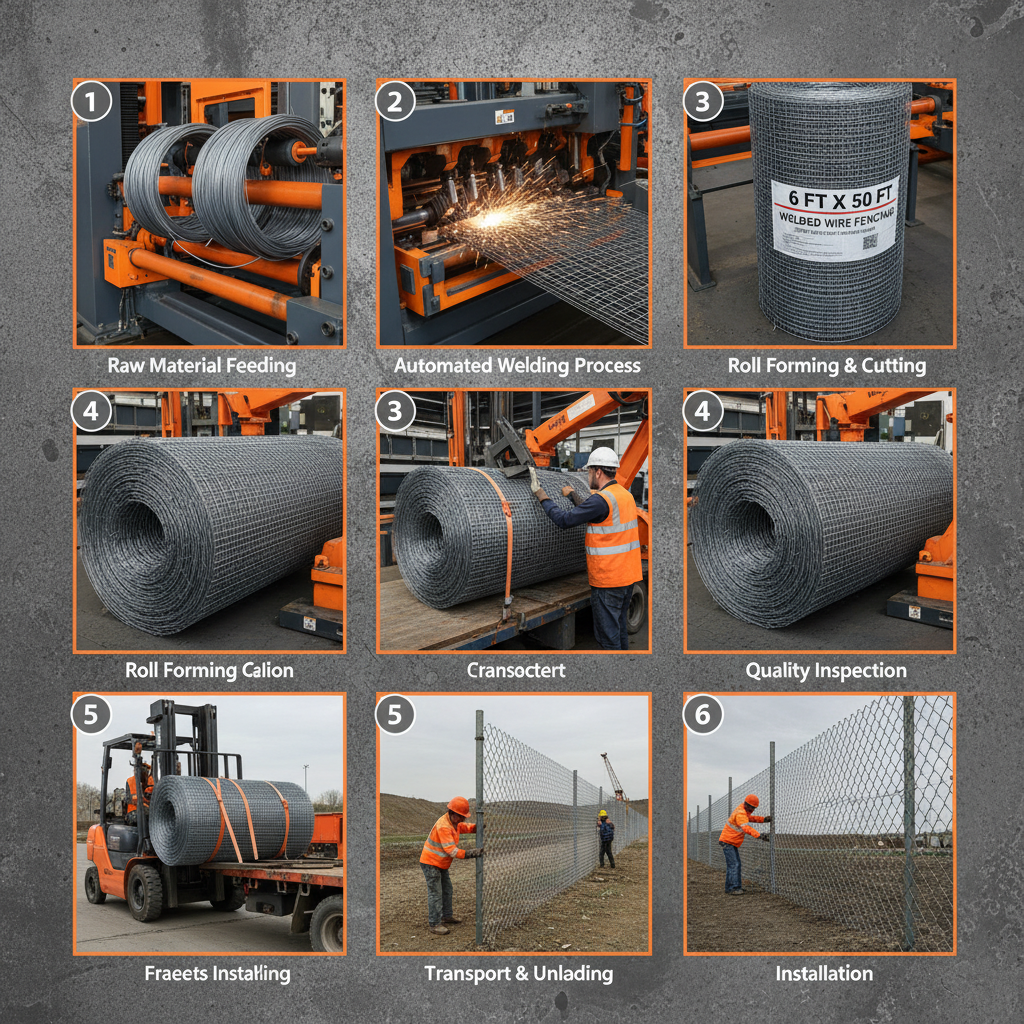 Durable 6 ft x 50 ft welded wire fencing for Security and GardensWhen it comes to securing a perimeter, whether for agricultural use, garden protection, or industrial boundaries, the dimensions and material of your fence matter. The 6 ft x 50 ft welded wire fencing offers an ideal balance of height and length, providing a robust barrier that is easy to install and maintain. Choosing a welded wire system ensures that the intersections are fused together, preventing the shifting and sagging often found in woven alternatives. In this guide, we will explore why this specific size is a preferred choice for property owners and how to maximize its effectiveness for your specific project.Read more >
Apr 09 2026
-
 Comprehensive Guide to Choosing the Best 6 ft x 100 ft Welded Wire FencingWelded wire fencing is a versatile and cost-effective solution for a wide range of applications, from agricultural containment to residential security. Understanding the nuances of different types, especially when considering a size like 6 ft x 100 ft welded wire fencing, is crucial for making the right investment. This article will guide you through the essential factors to consider, helping you select the fencing that best suits your specific requirements.Read more >
Apr 07 2026
-
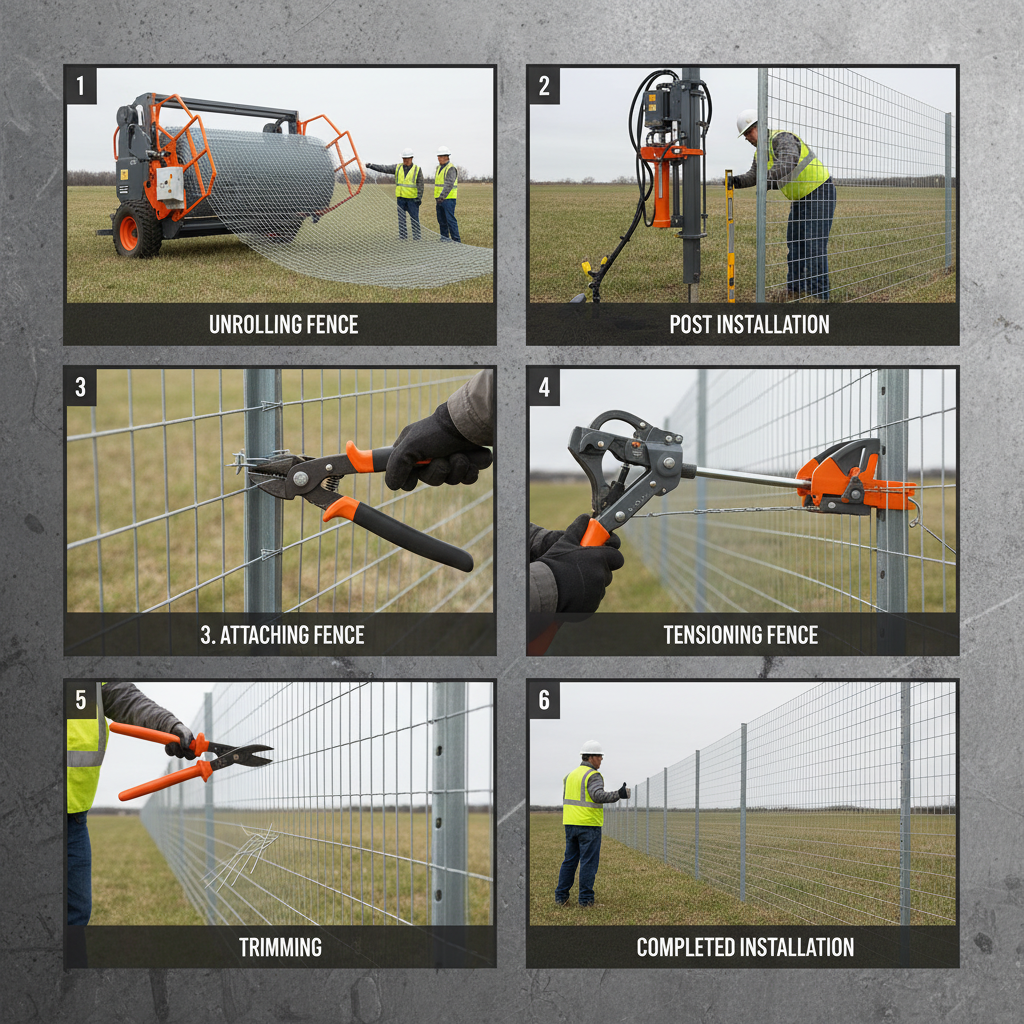 Comprehensive Guide to Choosing a 6 ft x 100 ft 12.5 Gauge Welded Wire FenceSelecting the appropriate fence for your property requires careful consideration. A 6 ft x 100 ft 12.5 gauge welded wire fence offers a robust and versatile solution for a variety of applications, from pet containment to garden protection and security. This guide will explore the benefits, applications, installation tips, and considerations when choosing this type of fencing. Understanding its construction and comparing it to other fencing options will help you make an informed decision.Read more >
Apr 04 2026
-
 Comprehensive Guide to Durable 6 ft Welded Wire Fencing Panels and ApplicationsWhen selecting fencing for your property, 6 ft welded wire fencing panels offer a robust and versatile solution. These panels combine strength, security, and ease of installation, making them a popular choice for both residential and commercial applications. This article delves into the benefits, applications, installation, and maintenance of these panels, helping you make an informed decision.Read more >
Mar 31 2026