


Durable Mouse Proof Wire Mesh for Rodent Control | Global Solutions & Suppliers
Why Mouse Proof Wire Mesh Matters Globally
At first glance, "mouse proof wire mesh" might sound like a niche product for pest control enthusiasts only. But if you stop and think about the global challenges in food security, infrastructure, and health, you’ll soon realize how critical such a humble barrier can be. Rodents like mice aren't just a household nuisance: they cause billions of dollars in damage to agriculture, contaminate food supplies, and spread disease — especially in vulnerable communities. Mouse proof wire mesh offers a simple, cost-effective way to block these harms. So understanding its design and applications doesn’t just help businesses or fields — it protects livelihoods and promotes healthier living worldwide.
Global Context: Tackling Rodent Problems at Scale
Rodent infestations are a major headache globally, especially in densely populated and agricultural regions. According to the World Health Organization, rodents contribute to the spread of diseases like leptospirosis and hantavirus, which can cause serious outbreaks. On the economic side, the Food and Agriculture Organization (FAO) estimates that rodents destroy or contaminate up to 20% of stored grains worldwide. In places with limited resources, the risks exponentially increase — losing grain stores means hunger, lost income, and food insecurity.
One major challenge has been developing rodent barriers that are both durable and affordable for widespread use, especially in humanitarian crises or rural communities. Enter mouse proof wire mesh: a product bridging the gap between industrial quality and pragmatic usability.
What Exactly Is Mouse Proof Wire Mesh?
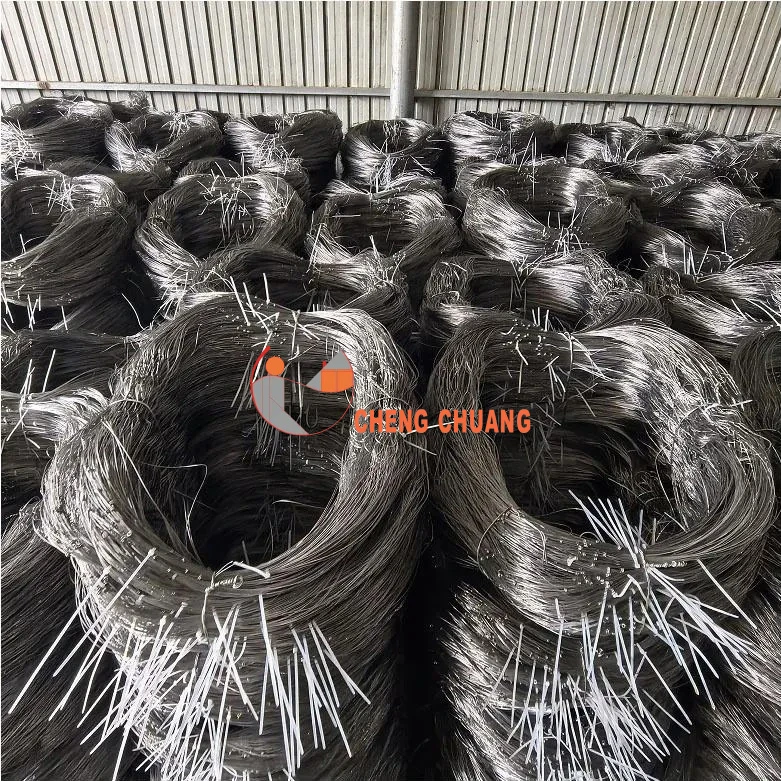
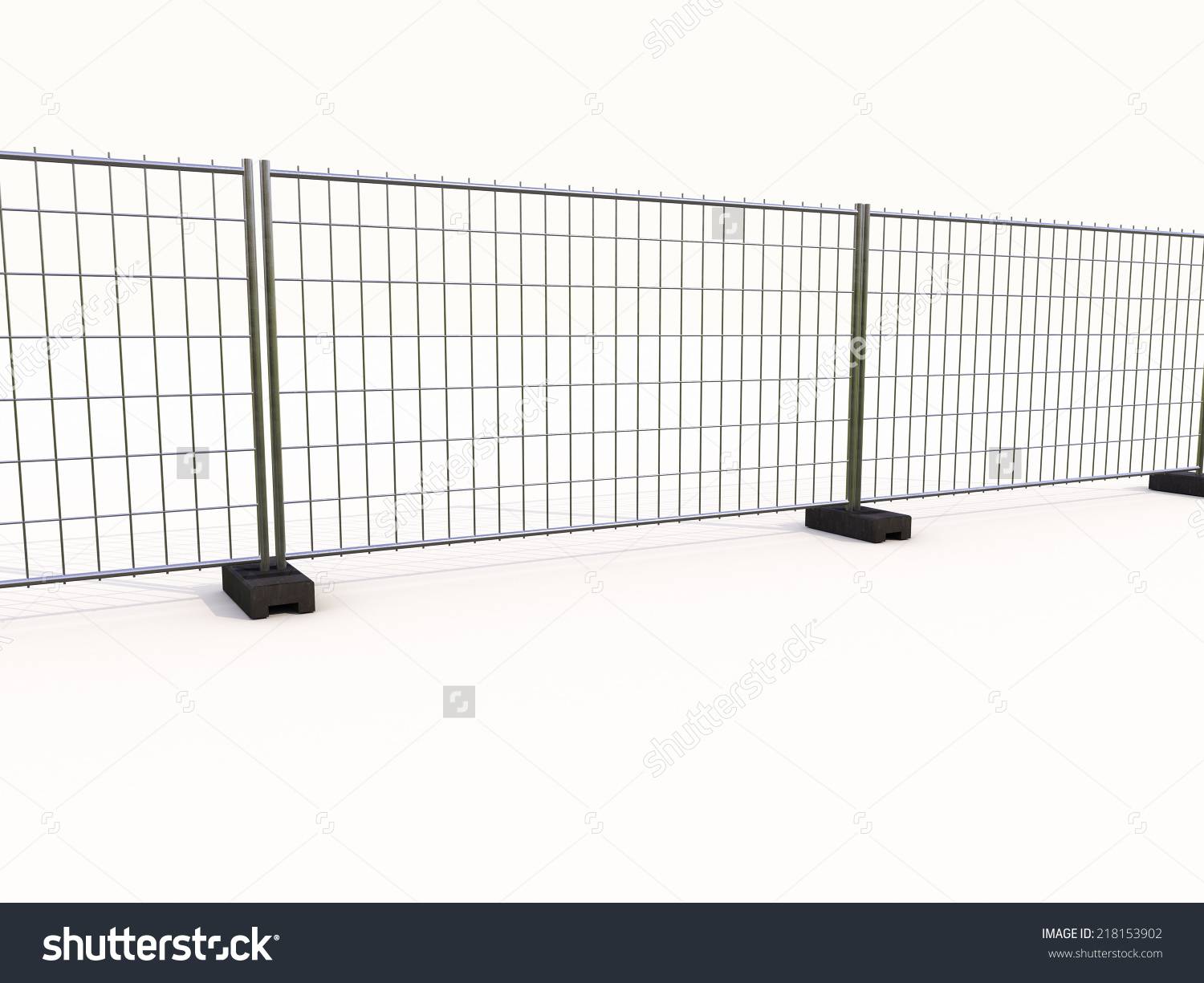
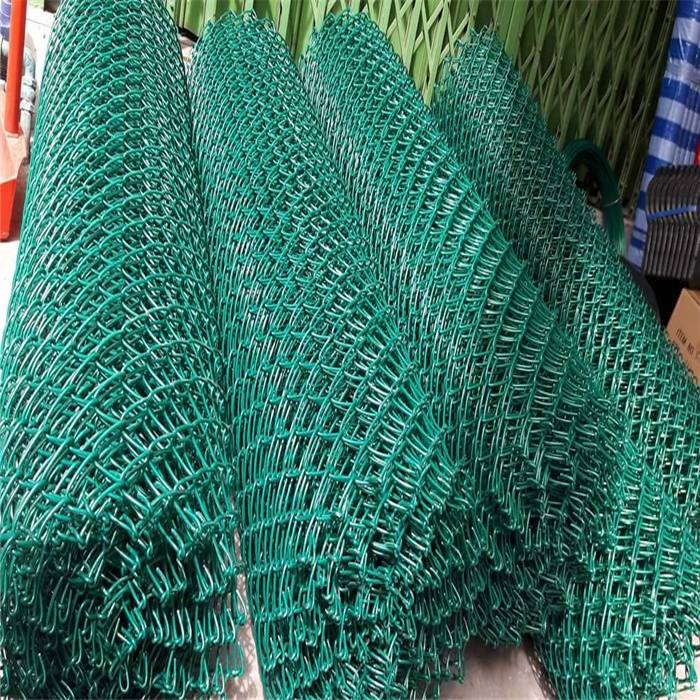
Simply put, mouse proof wire mesh is a finely woven or welded wire screen engineered to prevent mice and other small rodents from passing through. Typically made from galvanized steel or stainless steel, it combines tight mesh spacing with corrosion resistance, creating a sturdy barrier that mice just cannot chew through or squeeze past. This isn’t just your average fence wire; it’s an engineered product designed with rodent behaviour and resilience in mind.
Industries from food storage to construction, and even refugee shelters, increasingly rely on this mesh to protect critical assets. It’s a sort of invisible guardian, stopping tiny invaders before they even get a foot — or a paw — inside.
Durability: Built to Last
Durability is a huge factor. Mouse proof wire mesh must withstand years of exposure to weather, rust, and the relentless gnawing from rodents. Galvanized or stainless steel mesh prevents corrosion, so you won’t get that frail, brittle mess some cheaper alternatives produce. Many engineers say this durability translates into lower maintenance costs over time since replacement or patch jobs become rare.
Mesh Size: The Fine Balance
Choosing the right mesh size (often between 1 to 2.5 millimeters) is a tightrope walk. Too large, and mice slip through. Too small, and airflow or visibility decreases, making it less versatile. The design must reflect the specific needs of the environment — a grain silo needs something tighter than a ventilation cover, for example.
Cost Efficiency: Lang-Term Investment
Although high-quality mouse proof wire mesh may demand a slightly higher upfront cost than cheap plastic nets or fabric barriers, the long-term savings are undeniable. Less pest damage, fewer health risks, and less frequent replacements add up quickly. In many humanitarian relief efforts, a dollar saved on rodent control means more money for food and medicine.
Scalability: From Local to Global
The modular nature of wire mesh panels means they can be adapted from small household uses to large-scale industrial installations. Whether you are protecting a single food pantry or securing an entire warehouse complex, the same core product can scale accordingly.
Real-World Applications of Mouse Proof Wire Mesh
- Agricultural Storage: Grain silos and storage rooms across continents use this mesh to keep rodents out and grains safe.
- Humanitarian Shelters: Refugee camps in the Middle East and Africa utilize mouse proof mesh to guard food supplies and living areas.
- Urban Infrastructure: Cities prone to high rodent populations use it in public facilities like subways, parks, and waste disposal units.
- Food Processing Plants: Compliance with hygiene standards requires barriers against pest ingress; this mesh fits the bill.
For example, in post-disaster relief operations, where rapid setup is essential, mouse proof wire mesh ensures supplies aren’t compromised. It’s not glamorous, but it quietly safeguards.
The Clear Advantages and Long-Term Value
- Cost Savings: Less damage and health risks translate into massive economic benefits.
- Environmental Sustainability: Durable materials reduce waste; also mesh is reusable/recyclable.
- Peace of Mind: Knowing cargo, crops, or homes are protected fosters trust in infrastructure.
- Social Impact: In vulnerable regions, rodent-proofing means fewer disease outbreaks, better nutrition.
- Innovation & Adaptability: New coatings and wired materials continue to improve performance.
Future Trends Shaping Mouse Proof Wire Mesh
Materials science is pushing the frontier here. Researchers are experimenting with nano-coatings that resist even the sharpest rodent teeth or hydrophobic treatments that keep moisture—and rust—at bay. Digital monitoring systems integrated with mesh installations are on the horizon, allowing remote detection of breaches or pressure.
Eco-conscious manufacturing practices are also improving: more mesh is being made using recycled metals or powered by renewable energy. One could imagine a future where entire logistic chains will incorporate such smart wire mesh barriers, making pest incursions a rarity.
Challenges and How Experts Are Overcoming Them
No product is perfect, and mouse proof wire mesh faces its share of challenges:
- Installation Complexity: Installing fine mesh over large areas can be labor-intensive. Modular panels and snap-fit frames are promising solutions.
- Cost Barriers in Low-Income Settings: NGOs and manufacturers are partnering to subsidize costs or create locally sourced alternatives.
- Rodent Adaptation: Some rodents learn to find gaps or damage barriers. Regular inspection and rapid repairs are critical.
The good news is ongoing innovation and better education about maintenance are steadily closing these gaps.
Product Specification Table
| Specification | Detail |
|---|---|
| Material | Galvanized Steel / Stainless Steel |
| Mesh size | 0.9 mm to 2.5 mm openings |
| Coating | Zinc galvanized / Special anti-corrosion paints |
| Panel dimensions | 1m x 2m standard (custom sizes available) |
| Tensile strength | 350 MPa (typical range) |
| Expected lifespan | 10+ years under normal outdoor conditions |
Vendor Comparison: Choosing the Right Mouse Proof Wire Mesh
| Vendor | Material Quality | Price Range | Customization Options | Lead Time |
|---|---|---|---|---|
| SteelPro Mesh | Galvanized Steel, High Tensile | $$ | Sizes & Coatings | 2-3 weeks |
| EcoGuard Wire | Recycled Stainless Steel | $$$ | Fully Custom Panels | 4-5 weeks |
| MeshTech Solutions | Galvanized with anti-rust coat | $ | Standard Panels Only | 1-2 weeks |
Common Questions About Mouse Proof Wire Mesh
Q: How small should the mesh openings be to keep mice out effectively?
A: Typically, mesh openings of 1 to 2 millimeters work well to stop mice. Openings larger than that risk allowing smaller rodents to squeeze through. It’s important to match your mesh size to local rodent species and intended application.
Q: Can mouse proof wire mesh be used outdoors without rusting?
A: Yes, as long as the mesh is galvanized or made from stainless steel, it’s designed to resist corrosion. Many products also offer special coatings for extra protection in harsh environments. Still, periodic inspection and maintenance help extend lifespan.
Q: Is it difficult to install mouse proof wire mesh in existing buildings?
A: Installation can vary. While large modular panels make quick work, tight or irregular spaces may require custom cutting and fixing. Hiring experienced professionals or using flexible mounting hardware can ease the process significantly.
Q: How does mouse proof wire mesh compare to plastic or fabric barriers?
A: Wire mesh is generally more durable, resistant to chewing, and weatherproof than plastic or fabric alternatives. Although you might pay more upfront, the long-term savings and reliability usually make mesh a better investment.
Q: Where can NGOs source affordable mouse proof wire mesh for humanitarian projects?
A: Many specialized suppliers offer bulk pricing for NGOs and humanitarian agencies. Some local manufacturers also produce effective alternatives using recycled materials, reducing both cost and carbon footprint. For more info, check out mouse proof wire mesh solutions tailored for relief operations.
Wrapping Up: Why Mouse Proof Wire Mesh Is So Worth It
To sum it all up, mouse proof wire mesh isn’t just a rodent-blocking screen; it’s a quiet champion of food security, public health, and economic stability worldwide. From grain storage to disaster relief, its durable, adaptable design solves very real problems with practical elegance. As new materials and tech hit the scene, the mesh’s future looks even brighter.
Want to learn more or explore product options? Visit our website at https://www.chbarrier.com — your go-to source for trusted mouse proof wire mesh solutions.
Mini takeaway: Investing in quality mouse proof wire mesh today helps secure our crops, health, and infrastructures tomorrow. Simple, strong, and surprisingly vital.
References
Latest News About CHENG CHUANG
-
 Heavy Duty 6 gauge welded wire mesh for Security and StrengthWhen it comes to heavy-duty containment, security, and structural reinforcement, choosing the right material is critical. The 6 gauge welded wire mesh stands as a premier choice for those requiring a balance of extreme rigidity and precise spacing. Whether you are securing a commercial perimeter, building industrial livestock panels, or creating reinforced concrete structures, this specific thickness provides the structural integrity needed to withstand significant pressure and impact. In this comprehensive guide, we will explore the technical specifications, primary applications, and why this mesh is the gold standard for high-security fencing solutions.Read more >
Apr 16 2026
-
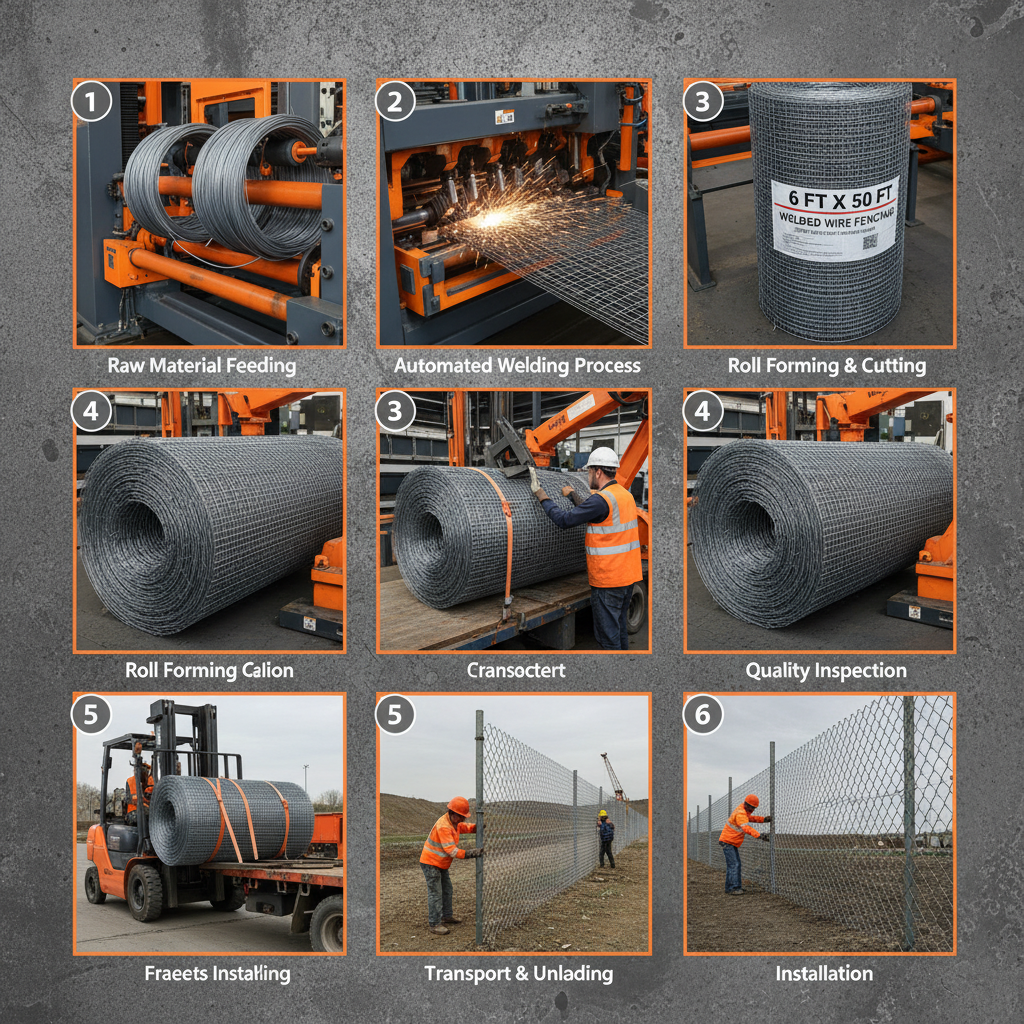 Durable 6 ft x 50 ft welded wire fencing for Security and GardensWhen it comes to securing a perimeter, whether for agricultural use, garden protection, or industrial boundaries, the dimensions and material of your fence matter. The 6 ft x 50 ft welded wire fencing offers an ideal balance of height and length, providing a robust barrier that is easy to install and maintain. Choosing a welded wire system ensures that the intersections are fused together, preventing the shifting and sagging often found in woven alternatives. In this guide, we will explore why this specific size is a preferred choice for property owners and how to maximize its effectiveness for your specific project.Read more >
Apr 09 2026
-
 Comprehensive Guide to Choosing the Best 6 ft x 100 ft Welded Wire FencingWelded wire fencing is a versatile and cost-effective solution for a wide range of applications, from agricultural containment to residential security. Understanding the nuances of different types, especially when considering a size like 6 ft x 100 ft welded wire fencing, is crucial for making the right investment. This article will guide you through the essential factors to consider, helping you select the fencing that best suits your specific requirements.Read more >
Apr 07 2026
-
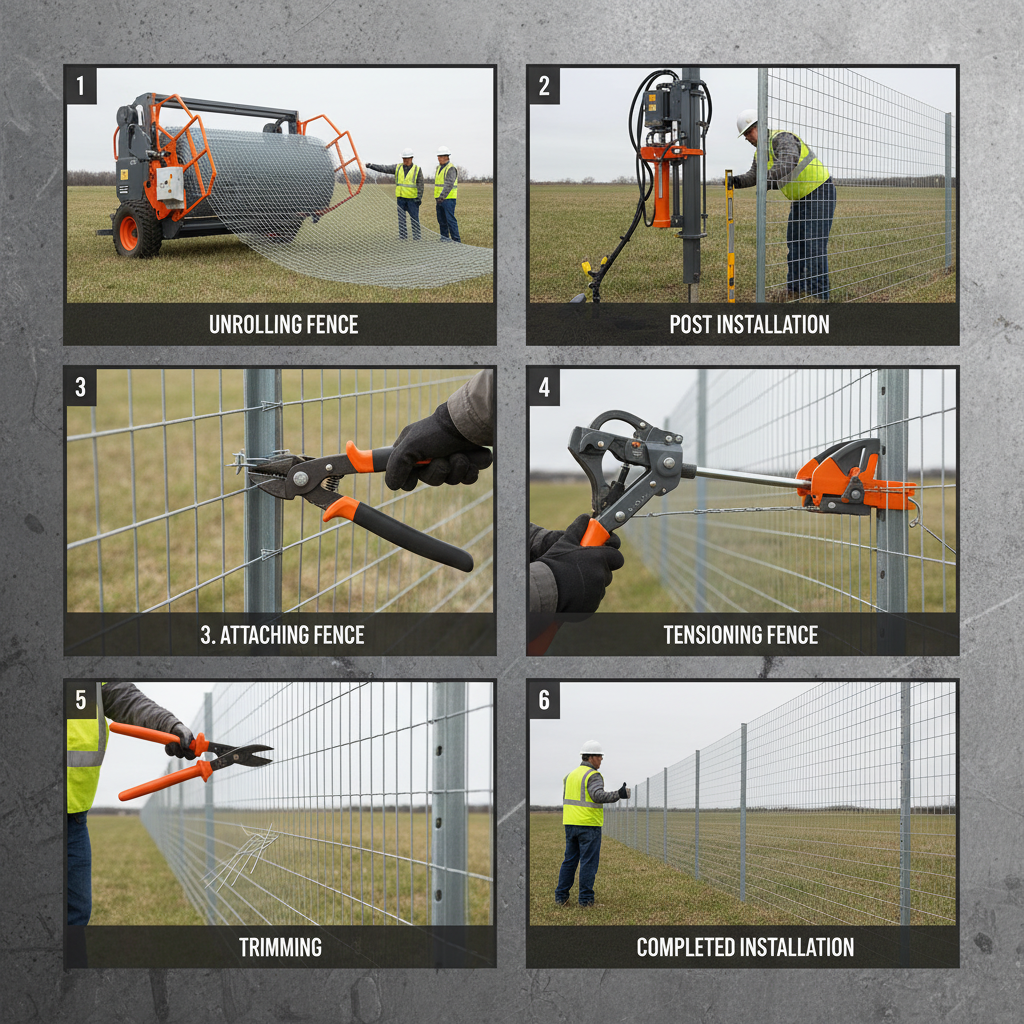 Comprehensive Guide to Choosing a 6 ft x 100 ft 12.5 Gauge Welded Wire FenceSelecting the appropriate fence for your property requires careful consideration. A 6 ft x 100 ft 12.5 gauge welded wire fence offers a robust and versatile solution for a variety of applications, from pet containment to garden protection and security. This guide will explore the benefits, applications, installation tips, and considerations when choosing this type of fencing. Understanding its construction and comparing it to other fencing options will help you make an informed decision.Read more >
Apr 04 2026
-
 Comprehensive Guide to Durable 6 ft Welded Wire Fencing Panels and ApplicationsWhen selecting fencing for your property, 6 ft welded wire fencing panels offer a robust and versatile solution. These panels combine strength, security, and ease of installation, making them a popular choice for both residential and commercial applications. This article delves into the benefits, applications, installation, and maintenance of these panels, helping you make an informed decision.Read more >
Mar 31 2026