


Comprehensive Guide to Mosquito Wire Screen: Benefits, Applications, and Innovation
Understanding Mosquito Wire Screen: A Global Barrier Against Disease and Discomfort
It might seem like a small piece of hardware, but the humble mosquito wire screen plays a surprisingly big role in global health, comfort, and even economic development. At its core, these screens serve as a fine-meshed shield against mosquitoes and other insects. Why does that matter so much? Well, over half the world's population is at risk of mosquito-borne diseases like malaria, dengue, and Zika, according to the World Health Organization. That means the right mesh, material, and installation approach can quite literally save lives, all while improving quality of life. Let's explore what mosquito wire screen really is, why it's globally relevant, and what innovations lie ahead in this indispensable product segment.
Mini takeaway: Mosquito wire screens, though simple at first glance, carry immense value by mitigating diseases and boosting well-being worldwide.
The Global Context: Why Mosquito Wire Screens Matter More Than Ever
The numbers are sobering. The World Bank estimates hundreds of thousands of deaths annually from mosquito-transmitted diseases, particularly in tropical and subtropical zones. Beyond health, vector-borne diseases significantly drain national economies by impacting workforce productivity and stretching healthcare systems. But mosquito wire screens represent a frontline defense with proven efficacy.
In humanitarian aid and development scenarios, installing these screens is often among the first steps taken to protect vulnerable populations in displaced camps, rural homes, and even urban centers. Challenges remain, of course — from affordability and durability to ease of installation — which is why continuous improvements are a game changer in this field.
Mini takeaway: Globally, mosquito wire screens are more than products; they’re critical tools in public health strategies and socio-economic stability.
What Exactly is a Mosquito Wire Screen?
At its simplest, a mosquito wire screen is a mesh made typically of stainless steel, aluminum, or sometimes fiberglass that blocks mosquitoes, flies, and other tiny pests from entering doors, windows, or ventilation gaps. Unlike ordinary window screens, these meshes have finer openings, sometimes as small as 18x16 wires per inch, tailored specifically to keep out insects that can carry diseases.
They’re not just household items; in modern industry and humanitarian contexts, mosquito wire screens are vital components of building design, medical facilities, and temporary shelter solutions. The right screen can ensure ventilation without compromising on pest protection, which frankly makes life a lot more comfortable in hot, humid environments.
Mosquito wire screen vendors often mention the importance of materials that resist corrosion and maintain tensile strength, especially in coastal or high-rainfall regions.
Mini takeaway: These screens combine simple physics with smart material choices — balancing airflow, durability, and insect defense.
Core Components and Key Factors for Effective Mosquito Wire Screens
1. Durability
Probably one of the most crucial aspects. A well-made mosquito wire screen has to endure exposure to the elements without breaking down or rusting. Stainless steel screens, for example, offer excellent corrosion resistance, but sometimes aluminum or coated fiberglass are chosen for cost reasons.
2. Mesh Size and Wire Thickness
The mesh’s weave density directly impacts what pests it blocks. Smaller insects mean finer meshes, but this can also reduce airflow and increase installation costs. It’s a careful balance of filtration efficiency versus breathability.
3. Installation Flexibility
Whether installed in homes, relief shelters, or industrial zones, screens must be customizable and easy to mount without specialized tools. Many providers now offer modular frames or tension-fitted solutions to speed up deployment.
4. Cost Efficiency
For NGOs and large-scale projects, upfront costs matter, but longevity and maintenance expenses weigh heavily as well. Good mosquito wire screens strike a balance between reasonable price and long-term value.
5. Resistance to Environmental Factors
UV exposure, salt spray, heavy rains – the screen's material needs to withstand all without losing efficacy.
6. Aesthetic Integration
In urban developments or resorts, the screen's appearance matters. Some modern screens come in colors or surface treatments that blend with architecture.
| Spec | Detail |
|---|---|
| Material | Stainless Steel, Aluminum, Fiberglass |
| Mesh Count | 18x16 sw/in to 24x24 sw/in |
| Wire Diameter | 0.2 mm to 0.4 mm |
| Coating | PVC-coated or Plain |
| Tensile Strength | 800–1200 MPa (varies by material) |
| UV Resistance | High for coated fiberglass and stainless steel |
How Mosquito Wire Screens Are Used Across the Globe
Here's where it gets interesting. The adoption of mosquito wire screens spans continents and industries:
- Health Sector: Hospitals and clinics in Southeast Asia, Africa, and Latin America rely on these screens to reduce insect-borne illness inside medical facilities.
- Disaster Relief: Emergency shelters set up after floods or conflicts often come equipped with mosquito wire screens to protect displaced communities.
- Residential Use: In mosquito-prone regions, homeowners install them to safeguard family health without using chemical repellents.
- Industrial Applications: Food processing plants and clean rooms use screens to maintain hygiene standards.
- Tourism and Hospitality: Resorts in tropical climates install screens that don't block views but keep guests comfortable.
For instance, the Red Cross has partnered with screen manufacturers to install protective meshes in refugee camps in East Africa — a straightforward but impactful intervention.
Mini takeaway: Whether in a remote village or a high-end hotel, mosquito wire screens are quietly making spaces safer and more pleasant worldwide.
Advantages and Long-Term Value of Using Mosquito Wire Screens
If you asked most users why they invest in mosquito wire screens, the answers typically revolve around health, peace of mind, and cost savings. Here’s the breakdown:
- Health Safety: Reduces exposure to dangerous diseases, lowering illness rates and, indirectly, healthcare costs.
- Sustainability: Screens offer a chemical-free solution, avoiding pesticides and their environmental footprint.
- Economic Benefits: Durable screens reduce replacement frequency, offering long-term value and mitigating productivity loss due to sickness.
- Comfort and Dignity: Protecting one’s home from pests enhances well-being and personal dignity—something that’s easy to overlook.
- Reliable Ventilation: Allows air flow without inviting unwanted guests — critical in humid or hot zones.
Frankly, these advantages combine logical engineering with a dash of human kindness—a gift as much as a product.
Emerging Trends Around Mosquito Wire Screen Technology
The industry is quietly buzzing with innovation. New materials like nanofiber meshes promise ultra-fine filtration without sacrificing airflow. Coatings infused with anti-microbial or self-cleaning properties are emerging too. Then there’s digital integration – some smart homes are experimenting with automated window screens that adjust mesh tightness based on weather and insect activity data.
Green energy adoption complements these advances, as manufacturing processes lean toward lower emissions and recyclable components. More manufacturers are pledging to comply with ISO environmental standards, embodying sustainability in both product and practice.
In short, mosquito wire screen technology is evolving from plain mesh to smart, eco-friendly, multi-functional installations.
Common Challenges and Creative Solutions
Of course, not all is perfect. Some common hurdles include:
- Installation Barriers: In remote areas, lack of skilled labor can delay deployment.
- Cost Constraints: Initial purchase costs may deter lower-income users.
- Maintenance Issues: Dust, debris, or physical damage can reduce effectiveness over time.
To tackle these, many vendors offer modular systems that non-experts can fit quickly. NGOs often work on bulk procurement to lower costs. Meanwhile, some screens come with wipe-clean or replaceable panels that make upkeep straightforward.
FAQ: Your Key Questions About Mosquito Wire Screens
- How fine should the mesh be to effectively block mosquitoes?
- Meshes with openings between 18x16 and 24x24 wires per inch usually strike a good balance. Finer weaves block smaller insects but reduce airflow, so selection depends on local pest species and ventilation needs.
- Can mosquito wire screens be used outdoors in harsh climates?
- Yes, especially those made from stainless steel or PVC-coated mesh are designed to resist UV rays, salt spray, and rain. Proper installation and regular inspection help extend lifespan.
- How do I clean and maintain my mosquito wire screen?
- Gently washing with mild soap and water usually suffices. Avoid harsh chemicals or abrasive brushes, as these can degrade coatings or fibers.
- Are mosquito wire screens eco-friendly?
- They offer a sustainable alternative to chemical insecticides. Many manufacturers now use recyclable materials and eco-conscious production methods.
- How quickly can large-scale mosquito wire screening be deployed in disaster zones?
- With modular frame systems, trained teams can install hundreds of screens per day. Pre-fabricated panels and snap-fit designs facilitate rapid deployment.
| Feature / Vendor | ScreenCo | MeshMaster | EcoGuard |
|---|---|---|---|
| Material Options | Stainless Steel, Aluminum | Fiberglass, PVC Coated | Recycled Stainless Steel |
| Cost Range | $$$ | $$ | $$$ |
| Durability | High | Medium | High |
| Custom Sizes Available | Yes | Limited | Yes |
| Eco-Friendly Certifications | ISO 14001 | None | LEED Approved |
Wrapping Up: Why Mosquito Wire Screens Deserve a Spot in Every Home and Facility
Summing up, mosquito wire screens are a simple solution with outsized benefits — protecting health, enhancing comfort, and supporting sustainability efforts. For anyone living in or working with mosquito-prone environments, investing in quality screening is a no-brainer.
Want to explore options or learn more about effective and reliable mosquito wire screens? Visit our website: https://www.chbarrier.com — your one-stop source for expert guidance and quality products.
It’s funny how something so straightforward like a wire mesh can lead to such profound impacts. But that’s innovation at its best: simple, effective, and humble.
References
Latest News About CHENG CHUANG
-
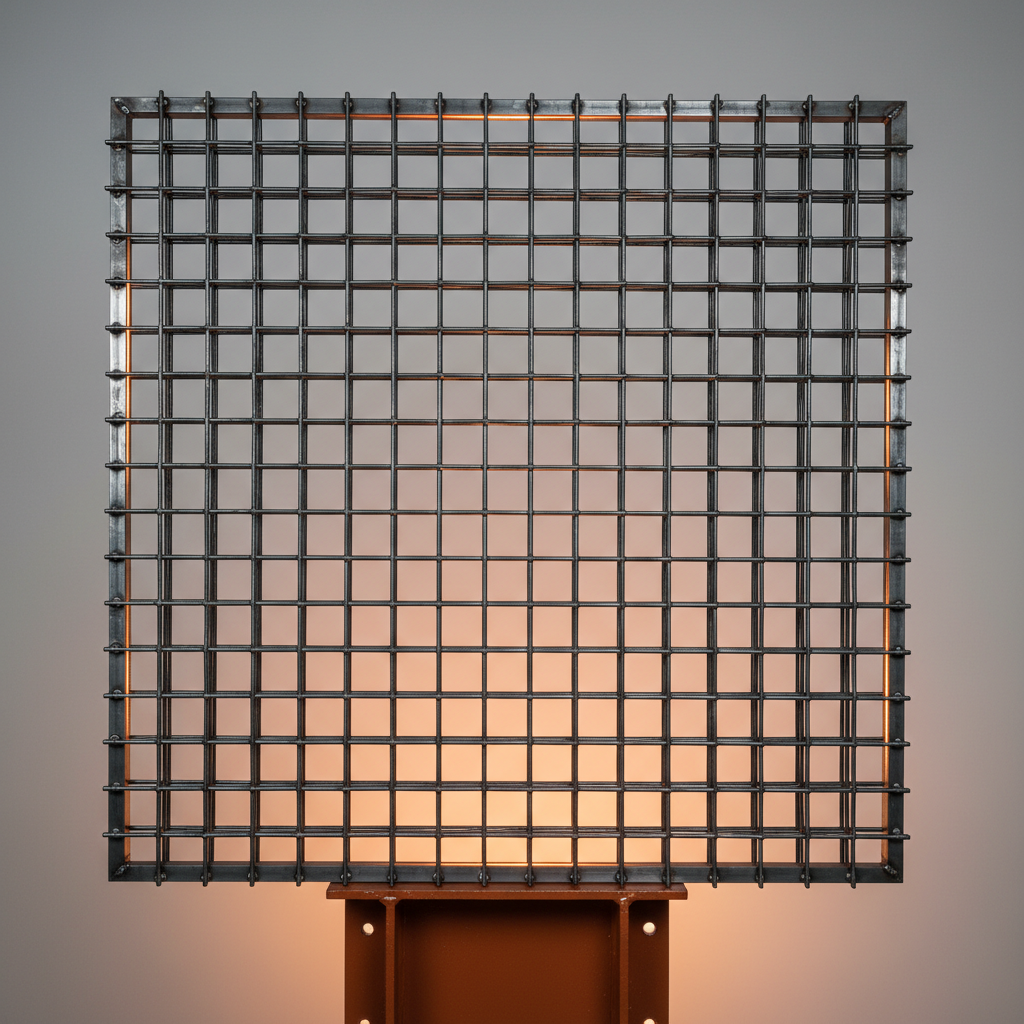 Heavy Duty 6 gauge welded wire mesh for Security and StrengthWhen it comes to heavy-duty containment, security, and structural reinforcement, choosing the right material is critical. The 6 gauge welded wire mesh stands as a premier choice for those requiring a balance of extreme rigidity and precise spacing. Whether you are securing a commercial perimeter, building industrial livestock panels, or creating reinforced concrete structures, this specific thickness provides the structural integrity needed to withstand significant pressure and impact. In this comprehensive guide, we will explore the technical specifications, primary applications, and why this mesh is the gold standard for high-security fencing solutions.Read more >
Apr 16 2026
-
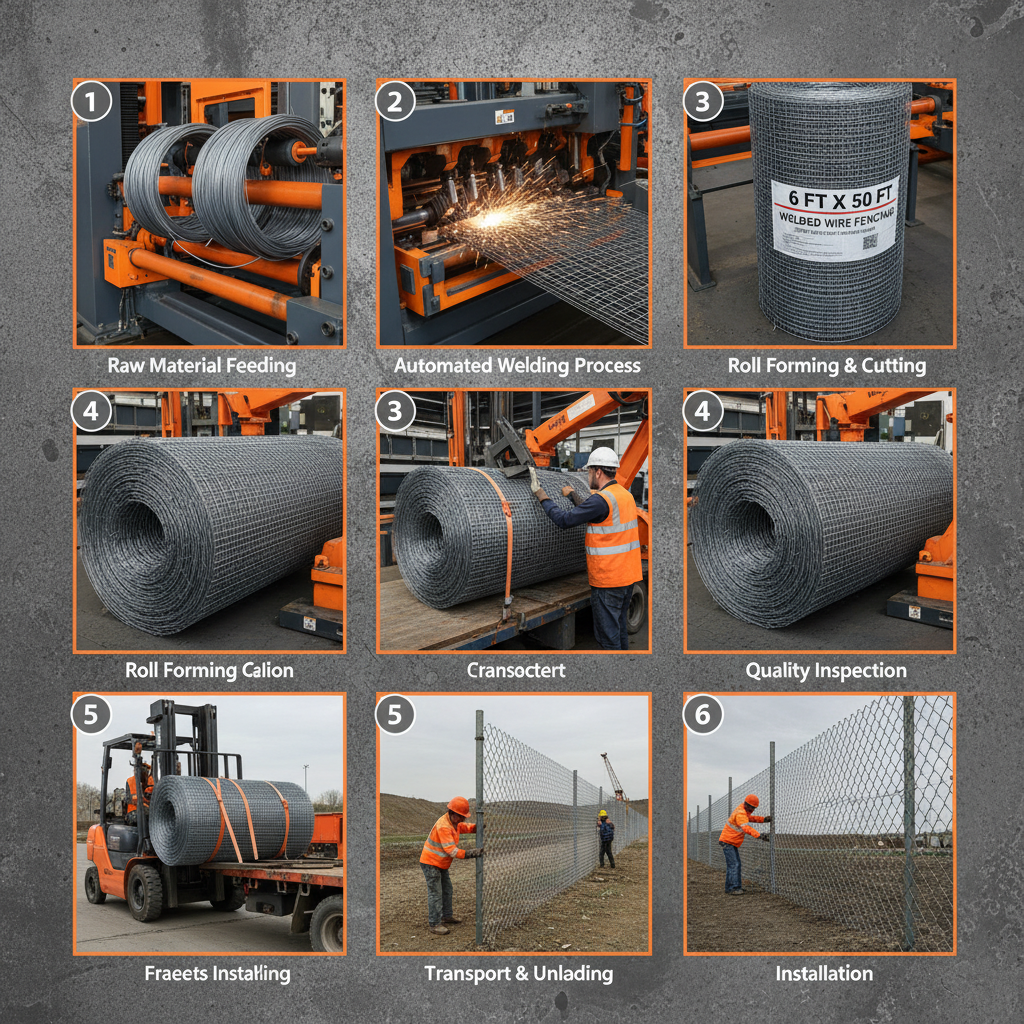 Durable 6 ft x 50 ft welded wire fencing for Security and GardensWhen it comes to securing a perimeter, whether for agricultural use, garden protection, or industrial boundaries, the dimensions and material of your fence matter. The 6 ft x 50 ft welded wire fencing offers an ideal balance of height and length, providing a robust barrier that is easy to install and maintain. Choosing a welded wire system ensures that the intersections are fused together, preventing the shifting and sagging often found in woven alternatives. In this guide, we will explore why this specific size is a preferred choice for property owners and how to maximize its effectiveness for your specific project.Read more >
Apr 09 2026
-
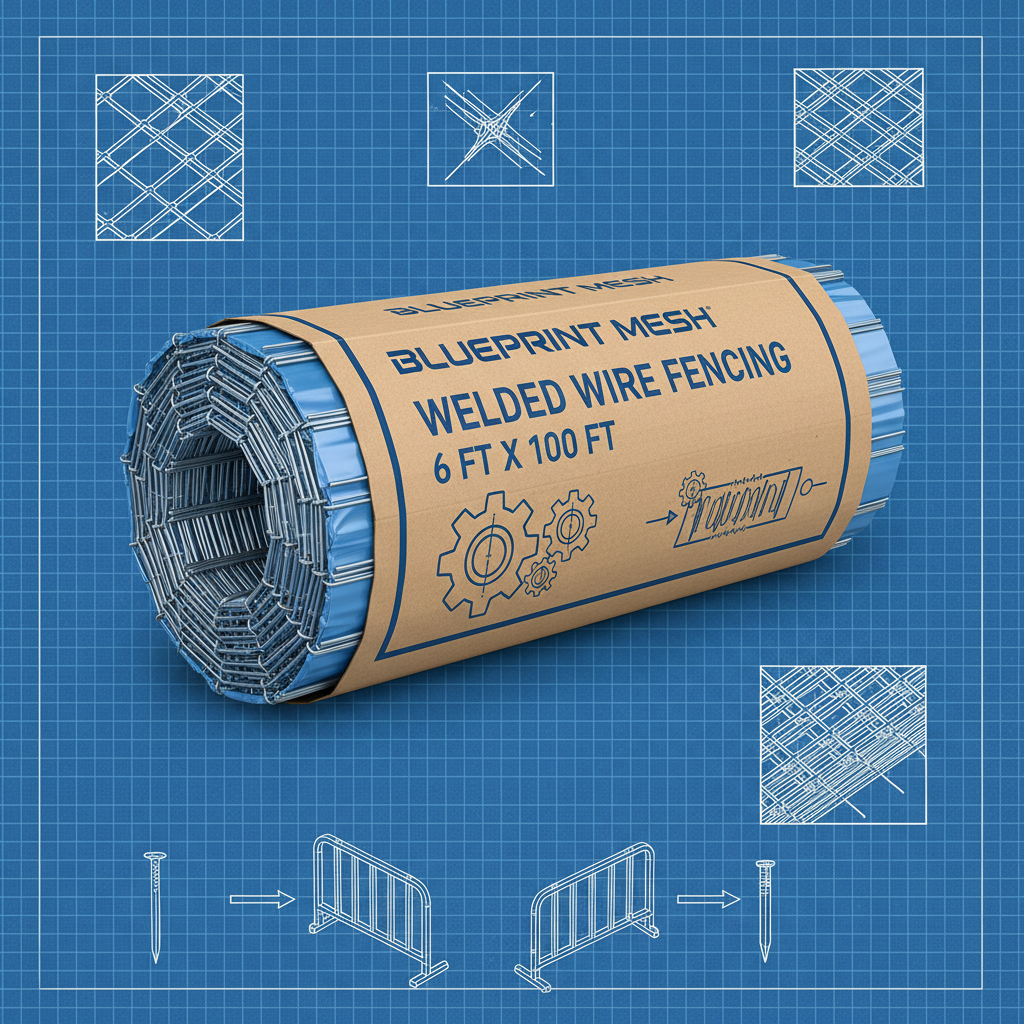 Comprehensive Guide to Choosing the Best 6 ft x 100 ft Welded Wire FencingWelded wire fencing is a versatile and cost-effective solution for a wide range of applications, from agricultural containment to residential security. Understanding the nuances of different types, especially when considering a size like 6 ft x 100 ft welded wire fencing, is crucial for making the right investment. This article will guide you through the essential factors to consider, helping you select the fencing that best suits your specific requirements.Read more >
Apr 07 2026
-
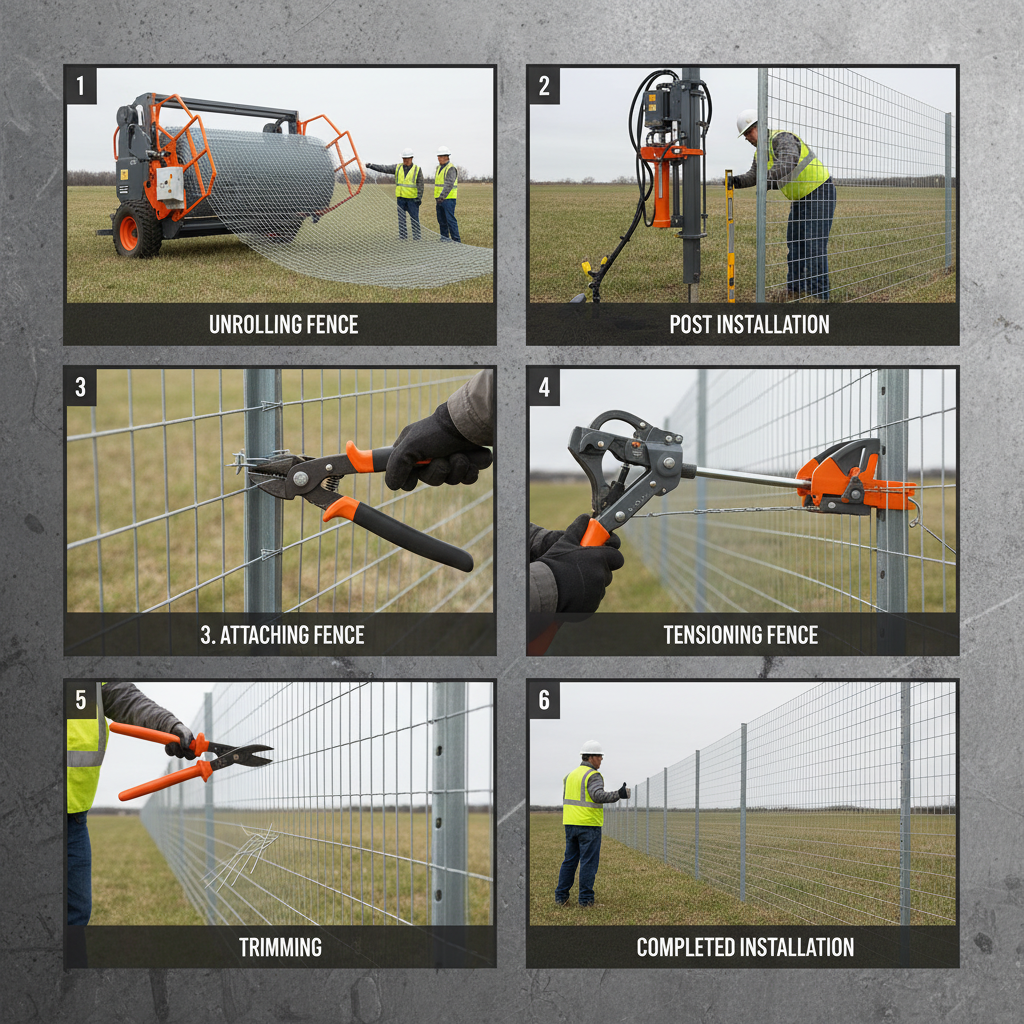 Comprehensive Guide to Choosing a 6 ft x 100 ft 12.5 Gauge Welded Wire FenceSelecting the appropriate fence for your property requires careful consideration. A 6 ft x 100 ft 12.5 gauge welded wire fence offers a robust and versatile solution for a variety of applications, from pet containment to garden protection and security. This guide will explore the benefits, applications, installation tips, and considerations when choosing this type of fencing. Understanding its construction and comparing it to other fencing options will help you make an informed decision.Read more >
Apr 04 2026
-
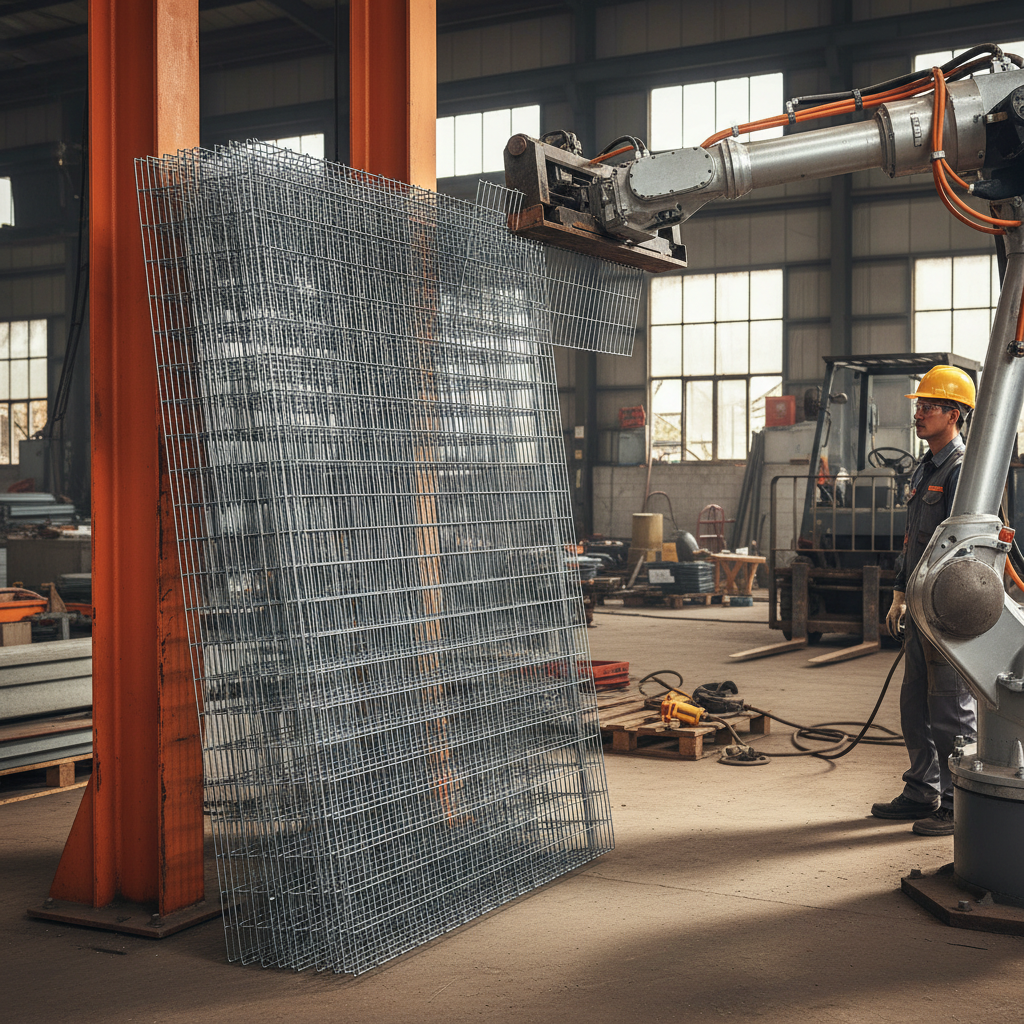 Comprehensive Guide to Durable 6 ft Welded Wire Fencing Panels and ApplicationsWhen selecting fencing for your property, 6 ft welded wire fencing panels offer a robust and versatile solution. These panels combine strength, security, and ease of installation, making them a popular choice for both residential and commercial applications. This article delves into the benefits, applications, installation, and maintenance of these panels, helping you make an informed decision.Read more >
Mar 31 2026