


Mosquito Wire Mesh: Global Health, Durable Protection and Industry Solutions
The Quiet Protector: Understanding Mosquito Wire Mesh and Its Global Importance
At first glance, mosquito wire mesh might seem just an ordinary screen material, but its impact stretches far beyond just keeping pesky insects at bay. Globally, it plays a surprisingly critical role in public health, agriculture, and sustainable living — especially in regions battling vector-borne diseases such as malaria and dengue fever. Beyond protection, it offers practical benefits in durability and cost-efficiency, making it a must-have in both urban homes and humanitarian operations.
Why does this matter so much? Well, mosquito-borne diseases still claim hundreds of thousands of lives annually — according to the World Health Organization, malaria alone caused an estimated 619,000 deaths in 2021. So, understanding and investing in effective physical barriers like mosquito wire mesh is more than just inconvenient window nets; it’s a frontline defense with ripple effects on global health, economy, and quality of life.
The Global Context: Why Mosquito Wire Mesh Matters Today
Here’s the reality: with changing climates, urban expansion, and increased travel, mosquitoes are adapting and spreading faster than ever. UN reports show that nearly half the world’s population lives in areas at risk of vector-borne diseases. Meanwhile, industrial growth and urbanization put millions at risk daily, especially in tropical and subtropical zones.
In that light, mosquito wire mesh materializes as both a preventative solution and a cost-effective intervention. It’s embraced by governments, NGOs, and industries alike — from simple window screens to large-scale agricultural and industrial uses — because it’s effective, scalable, and sustainable. And, frankly, it’s easier to install and maintain compared to more complex pest-control strategies.
mosquito wire meshWhat Exactly Is Mosquito Wire Mesh?
In simple terms, mosquito wire mesh is a fine metal or synthetic screen designed primarily to stop mosquitoes and other insects from entering enclosures — homes, hospitals, schools, agricultural facilities, you name it. Generally made from materials like stainless steel, fiberglass, or polyvinyl chloride (PVC), it strikes a balance between durability and airflow, ensuring spaces remain ventilated yet protected.
Its role has evolved alongside global health and infrastructure needs. For humanitarian groups, it’s an essential part of shelter kits and relief operations. For industries, it acts as both a preventive measure to safeguard workers from bites and a way to prevent contamination in hygiene-sensitive environments. The combination of strength, fine gauge, and corrosion resistance makes it ideal across varied climates.
Key Factors to Consider When Choosing and Using Mosquito Wire Mesh
1. Durability
Engineers I’ve spoken to often emphasize the mesh’s resilience. Stainless steel meshes, for instance, withstand harsh weather, UV exposure, and corrosion much better than traditional options. This means less frequent replacement — crucial when budgets or logistics are tight.
2. Mesh Size and Protection Effectiveness
The fineness of the mesh (typically expressed in openings per inch) directly affects how well it blocks mosquitoes. Most use a standard of about 18x16 to 20x20 mesh count. Too large, and mosquitoes slip through; too small, and ventilation suffers. Finding that “Goldilocks” balance is key.
3. Installation and Scalability
From small-scale window frames to industrial-size enclosures, the wire mesh must fit a range of applications. Modular designs and flexibility in materials mean that solutions can scale quickly without sacrificing quality.
4. Cost Efficiency
In many developing regions, budgets for infrastructure upgrades are limited. Here, mosquito wire mesh offers a relatively low-cost, high-impact solution. Because it's long lasting, the upfront investment tends to pay off over time.
5. Environmental Compatibility
More manufacturers are using eco-friendly materials and coatings to reduce environmental footprints, which is crucial given worldwide attention on sustainability.
Real-World Uses: Where Mosquito Wire Mesh Makes a Difference
The practical applications are numerous and growing. In tropical regions like Southeast Asia and Sub-Saharan Africa, health organizations use mosquito wire mesh in remote clinics and homes to reduce disease transmission. Humanitarian relief relies on quick-deploy mesh screens as part of temporary shelters for displaced populations.
On the industrial side, food processing plants and pharmaceutical manufacturers incorporate fine mesh barriers to keep insects and contaminants out, aligning with ISO standards for hygiene and safety. Even urban planners integrate it into window and vent design, improving indoor air quality without sacrificing insect protection.
Interestingly, farmers also use specialized mesh variants to protect greenhouses and crop storage areas from pests — enabling more sustainable agriculture practices that reduce pesticide use.
Notable regions and sectors leveraging mosquito wire mesh:
- Health NGOs operating in malaria and dengue zones
- Agricultural producers in tropical climates
- Hospitality and tourism industries in mosquito-prevalent regions
- Industrial food processing facilities worldwide
Advantages and Why They Last
Let’s get practical. Mosquito wire mesh is affordable, easy to maintain, and reliable in harsh conditions. More than that, it supports social dignity and safety — something not always quantifiable but incredibly important. A family protected from nightly mosquito bites gathers better rest, worrying less about disease, and children stay healthier. It’s a quiet but profound uplift in quality of life.
From a business angle, lower healthcare costs, reduced pesticide reliance, and longer equipment lifetime create measurable long-run savings. Many organizations emphasize how mosquito wire mesh “buys time” — delaying or preventing outbreaks, improving productivity, and reducing absenteeism.
Innovations on the Horizon
It’s not all static wire mesh. Emerging trends focus on combining mosquito screens with smart textiles and coatings — like insect-repellent treatments embedded directly into the mesh fibers, which prolongs efficacy without chemical spraying. Some companies are experimenting with solar-powered self-cleaning mesh that reduces dust and pollen buildup, maintaining airflow and reducing maintenance.
Materials research is pushing toward biodegradable and recycled polymers, aligning with global green initiatives. Digital transformation likewise introduces better monitoring systems for large-scale mesh installations, ensuring prompt repairs and data-driven vector management.
Challenges Facing Mosquito Wire Mesh and How to Tackle Them
No solution is perfect, and mosquito wire mesh has its hurdles. Installation quality varies greatly, and improper fitting can nullify benefits. Finer meshes sometimes reduce ventilation discomfort in hot climates — something occupants complain about.
Many NGOs and users struggle with sourcing reliable suppliers in remote regions; counterfeit or substandard products flood markets occasionally. That’s why partnering with vetted suppliers and employing quality control checks are crucial.
Innovative coatings can wear off over time, requiring maintenance schedules most users can overlook. Solutions include educating end-users about upkeep and investing in more durable, low-maintenance materials upfront, even if pricier initially.
Practical FAQs on Mosquito Wire Mesh
- Q: How long does mosquito wire mesh typically last?
A: High-quality stainless steel mesh can last 10–15 years or more with proper installation and maintenance, whereas synthetic options might have shorter lifespans, roughly 5–7 years. - Q: Can mosquito wire mesh be used in agriculture?
A: Absolutely. It protects greenhouses and crop stores from insect damage, reducing pesticide use and post-harvest losses. - Q: Is mosquito wire mesh safe for indoor use around children?
A: Yes, all common materials are non-toxic and have long been used in residential environments providing both safety and ventilation. - Q: What are the common materials used to manufacture mosquito wire mesh?
A: The most common include stainless steel, fiberglass, and PVC-coated polyester, chosen for their durability and weather resistance. - Q: How can I ensure the mesh is insect-proof but still breathable?
A: Opt for mesh sizes around 18x16 or 20x20 to block mosquitoes yet allow airflow. Proper installation without gaps is also critical.
Spec Sheet & Vendor Options
| Specification | Typical Range / Value | Notes |
|---|---|---|
| Material | Stainless Steel, Fiberglass, PVC | Depends on environment & cost. |
| Mesh Count | 18x16 - 20x20 | Balance of protection and airflow. |
| Coating | PVC or Insect-Repellent | Enhances durability and efficacy. |
| Thickness | 0.15 - 0.30 mm | Thicker is more durable but less breathable. |
| Lifespan | 5 - 15 years | Based on material & maintenance. |
| Vendor | Material Options | Pricing | Global Reach | Notes |
|---|---|---|---|---|
| ChCh Fence Co. | Stainless Steel, PVC-coated | Mid-range | International | High durability, good customer support |
| Global Mesh Solutions | Fiberglass, nylon | Budget-friendly | Asia, Africa | Good for large volume orders |
| EcoGuard Mesh | Recycled polymers | Premium | North America, Europe | Focus on sustainability, innovation |
Wrapping It Up: Why Mosquito Wire Mesh Still Matters
So, here’s the thing: mosquito wire mesh is more than a simple barrier. It's a versatile, cost-effective, and essential tool in the fight against vector-borne diseases and environmental challenges. For families, industries, and humanitarian workers, it brings safety, dignity, and peace of mind.
If you’ve been thinking about upgrading your protection methods or sourcing reliable mesh for your projects, it’s worth considering the entire spectrum — materials, installation, maintenance, and supplier credibility.
Fancy a closer look or want to explore dependable options? Check out mosquito wire mesh suppliers, compare specifications, and find the solution that fits your needs.
1. World Health Organization (WHO) – Malaria Factsheet, 2023
2. United Nations Environment Programme (UNEP) on Vector Control Materials, 2022
3. ISO 2859-1: Sampling Procedures and Quality Control: Mesh Materials Standards, 2021
Latest News About CHENG CHUANG
-
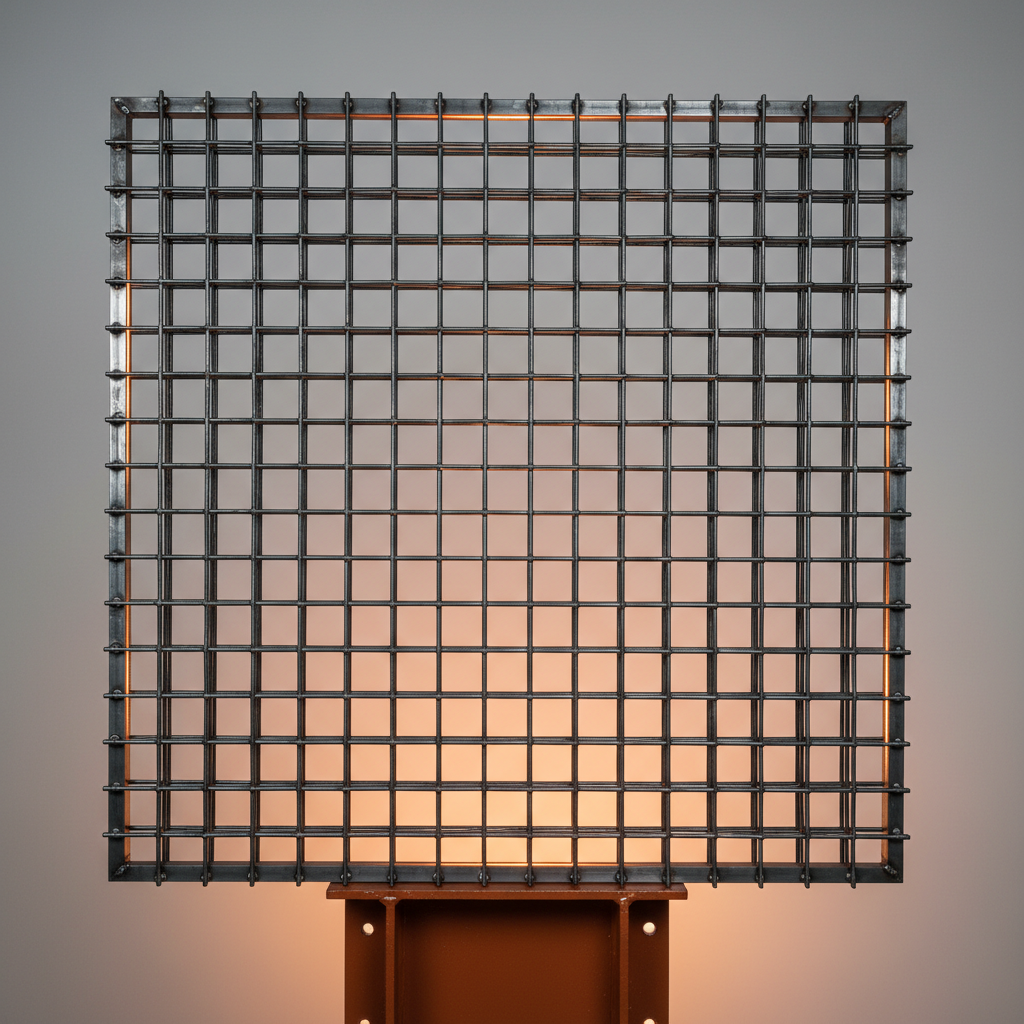 Heavy Duty 6 gauge welded wire mesh for Security and StrengthWhen it comes to heavy-duty containment, security, and structural reinforcement, choosing the right material is critical. The 6 gauge welded wire mesh stands as a premier choice for those requiring a balance of extreme rigidity and precise spacing. Whether you are securing a commercial perimeter, building industrial livestock panels, or creating reinforced concrete structures, this specific thickness provides the structural integrity needed to withstand significant pressure and impact. In this comprehensive guide, we will explore the technical specifications, primary applications, and why this mesh is the gold standard for high-security fencing solutions.Read more >
Apr 16 2026
-
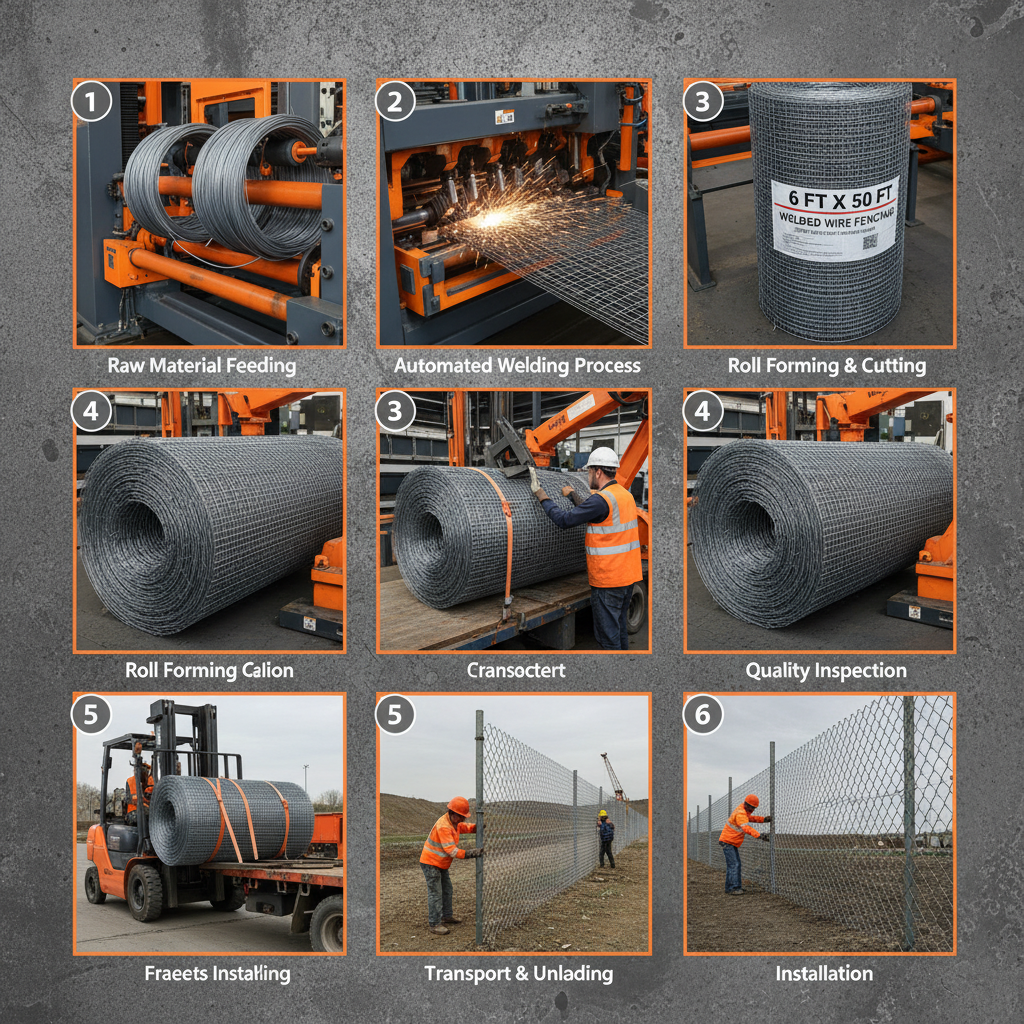 Durable 6 ft x 50 ft welded wire fencing for Security and GardensWhen it comes to securing a perimeter, whether for agricultural use, garden protection, or industrial boundaries, the dimensions and material of your fence matter. The 6 ft x 50 ft welded wire fencing offers an ideal balance of height and length, providing a robust barrier that is easy to install and maintain. Choosing a welded wire system ensures that the intersections are fused together, preventing the shifting and sagging often found in woven alternatives. In this guide, we will explore why this specific size is a preferred choice for property owners and how to maximize its effectiveness for your specific project.Read more >
Apr 09 2026
-
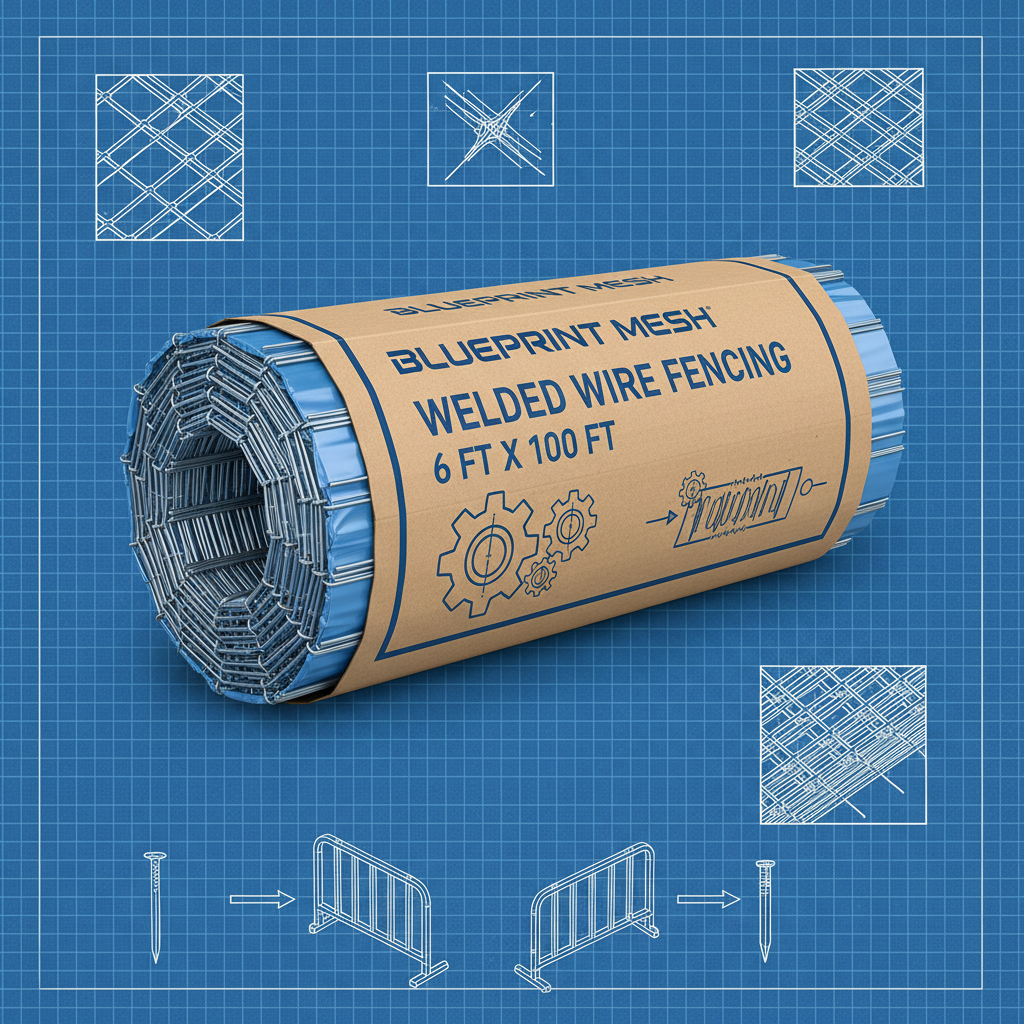 Comprehensive Guide to Choosing the Best 6 ft x 100 ft Welded Wire FencingWelded wire fencing is a versatile and cost-effective solution for a wide range of applications, from agricultural containment to residential security. Understanding the nuances of different types, especially when considering a size like 6 ft x 100 ft welded wire fencing, is crucial for making the right investment. This article will guide you through the essential factors to consider, helping you select the fencing that best suits your specific requirements.Read more >
Apr 07 2026
-
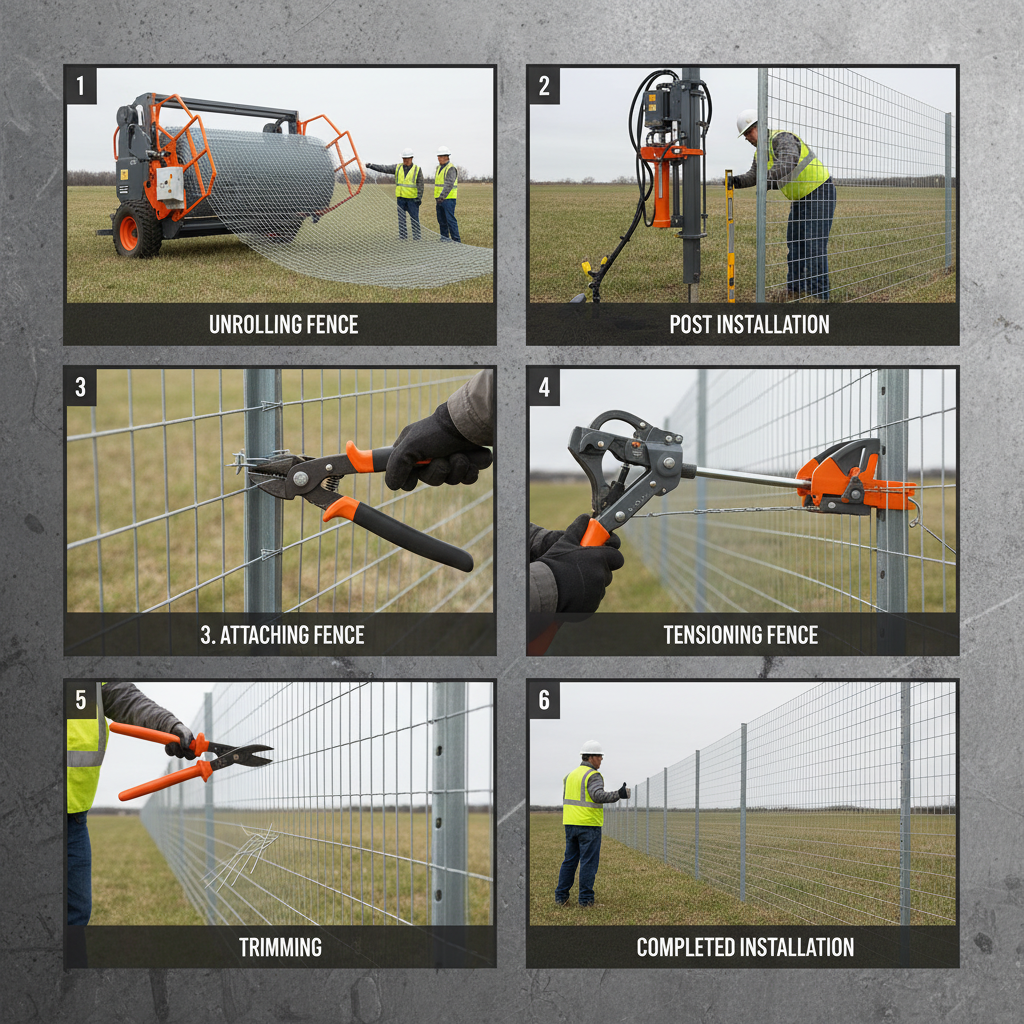 Comprehensive Guide to Choosing a 6 ft x 100 ft 12.5 Gauge Welded Wire FenceSelecting the appropriate fence for your property requires careful consideration. A 6 ft x 100 ft 12.5 gauge welded wire fence offers a robust and versatile solution for a variety of applications, from pet containment to garden protection and security. This guide will explore the benefits, applications, installation tips, and considerations when choosing this type of fencing. Understanding its construction and comparing it to other fencing options will help you make an informed decision.Read more >
Apr 04 2026
-
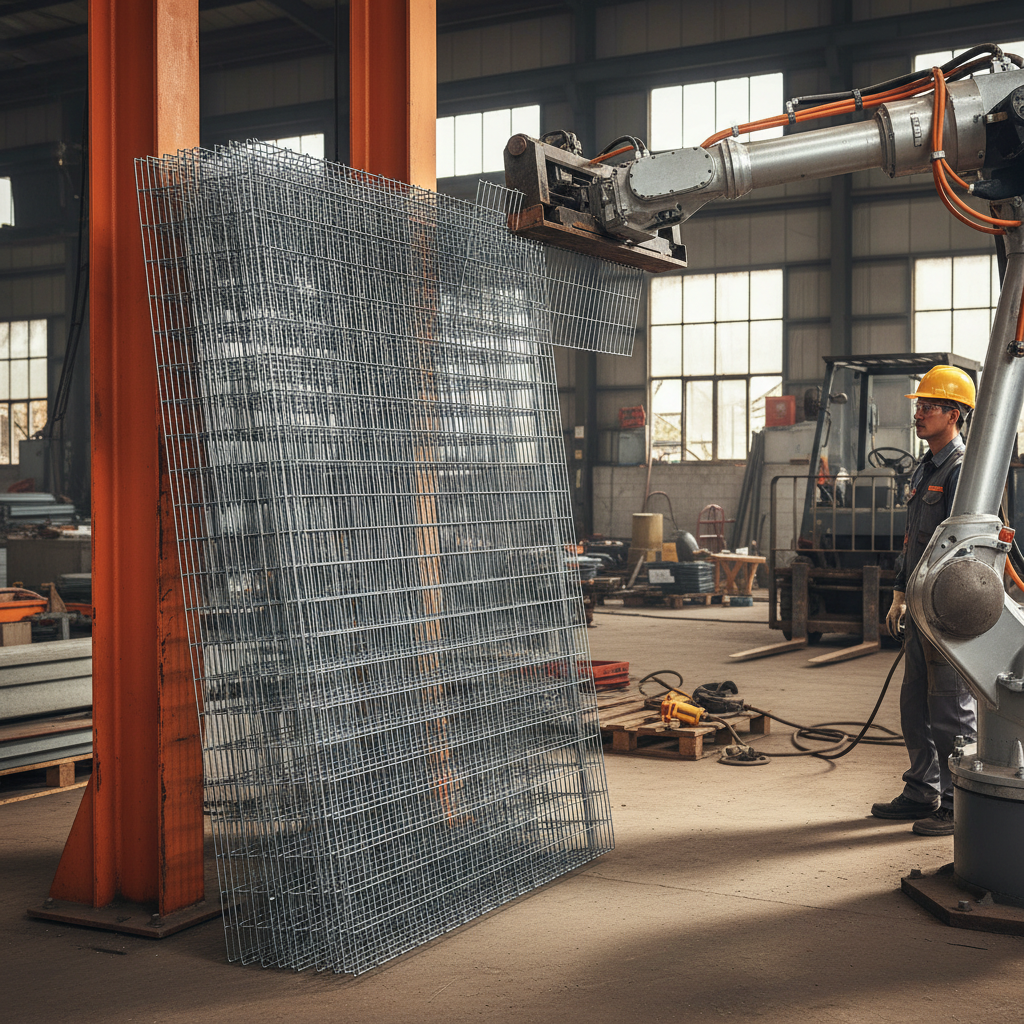 Comprehensive Guide to Durable 6 ft Welded Wire Fencing Panels and ApplicationsWhen selecting fencing for your property, 6 ft welded wire fencing panels offer a robust and versatile solution. These panels combine strength, security, and ease of installation, making them a popular choice for both residential and commercial applications. This article delves into the benefits, applications, installation, and maintenance of these panels, helping you make an informed decision.Read more >
Mar 31 2026