


What is Mortar Mesh and Why It’s Crucial for Modern Construction
Understanding Mortar Mesh: A Key to Stronger, Safer Construction Worldwide
Mortar mesh—a term you might have heard tossed around in construction or infrastructure talks—holds surprisingly global importance. Essentially, it’s a reinforcement grid used in masonry, plastering, and rendering, designed to boost strength, prevent cracking, and ensure durability of walls and facades. As urbanization accelerates and the climate crisis demands more resilient buildings, mortar mesh becomes more than a simple tool—it’s part of the foundation for safer housing and efficient construction worldwide. Knowing what it is and why it matters can help industries and humanitarian efforts alike build smarter and faster.
Why Mortar Mesh Matters Globally
Construction stats are staggering: The World Bank estimates that by 2050, almost 70% of the world’s population will live in urban areas, necessitating rapid and reliable housing solutions. Add to this the fact that earthquake-prone and disaster-vulnerable regions demand reinforced, crack-resistant structures—enter mortar mesh.
Globally, building failures often trace back to poor reinforcement or substandard materials. The International Organization for Standardization (ISO) has even set guidelines on reinforcing meshes to ensure consistency and safety. Mortar mesh addresses issues of wall cracking, moisture damage, and thermal movements by distributing tension more evenly.
But beyond these technical perks, mortar mesh is a tool that helps combat housing shortages in fast-growing megacities or rebuild communities after natural disasters. It’s more than steel or fiber—it's a piece of the puzzle for social resilience and dignity in housing.
Mini takeaway: Mortar mesh isn’t just a product; it’s a global building block helping cities grow stronger and safer under pressure.What Exactly Is Mortar Mesh?
Simply put, mortar mesh is a prefabricated grid of metal wires or synthetic fibers embedded in or applied beneath layers of mortar. Think of it as a spider web spread within the plastering or rendering, locking the mortar in place and preventing common building faults.
It’s often made from galvanized steel, stainless steel, or alkali-resistant fiberglass, each optimized for different climates and stress levels. Its main job? Stop cracks before they start, improve bonding, and increase the lifespan of walls.
In industrial terms, mortar mesh bridges the gap between traditional masonry and modern construction demands. In humanitarian contexts, especially in disaster zones, it supports quick, sturdy repairs that restore homes fast—without expensive rebuilding.
Core Components of Mortar Mesh and Their Practical Impacts
Durability
The strength of mortar mesh depends a lot on its materials. Galvanized steel resists rust, while fiberglass avoids chemical degradation in harsh climates. This durability ensures walls don’t need constant fixing, cutting maintenance costs over time.
Flexibility & Scalability
Varied mesh sizes and thicknesses mean mortar mesh can be tailored—finely woven, lightweight versions for thin plaster or heavy-duty, coarse meshes for industrial-strength needs. This flexibility allows usage across buildings from modest homes to large infrastructure projects.
Cost Efficiency
Though adding mortar mesh increases upfront material costs slightly, it pays off by preventing cracks and structural faults that require expensive repairs. For contractors and governments alike, investing in mortar mesh is about long-term savings.
Ease of Installation
Mortar mesh is usually rolled up and cut on-site, saving time compared to crafting reinforcement manually. This speed is a lifesaver in rapid construction zones or emergency relief shelters.
Compatibility with Materials
Whether working with traditional mortar or advanced polymer-based plasters, mortar mesh is adaptable—helping builders stick close to their preferred techniques without compromise.
Mini takeaway: Mortar mesh’s practical charm lies in its tough yet adaptable nature, making it a dependable partner for nearly any building task.Global Applications & Use Cases
In Europe’s earthquake-prone zones, mortar mesh reinforces masonry to withstand tremors, saving lives and property. In Middle Eastern desert cities, it reduces thermal cracking caused by extreme temperature swings. Meanwhile, NGOs use mortar mesh extensively in Africa and South Asia for disaster-recovery housing because it allows rapid, reliable repairs.
Industrial applications include factories needing chemical-resistant renderings enhanced with alkali-resistant fiberglass mesh. And in coastal regions, stainless steel meshes fend off corrosion better than traditional options.
One real-world example: Following the 2015 Nepal earthquake, agencies including UN-Habitat quickly rebuilt thousands of homes incorporating mortar mesh, significantly reducing post-quake structural failures.
Advantages & Long-Term Value of Mortar Mesh
- Cost savings: Reduced repair frequency means smaller budgets spent on patchwork a few years down the line.
- Sustainability: Longer-lasting buildings reduce material waste—less demolition and reconstruction.
- Safety & dignity: Solid, crack-free homes foster greater community pride and resilience, especially in vulnerable regions.
- Reliability: Tested and standardized meshes provide builders peace of mind—something hard to put a price on.
Emotionally, homeowners appreciate that mortar mesh helps preserve their humble dwellings through seasons and shocks. In that way, mortar mesh supports not just physical structures but social trust in rebuilding efforts.
Looking Ahead: Future Trends & Innovations
The construction world is buzzing about green materials and digital integration. Mortar mesh is evolving too, with some companies experimenting in biodegradable fibers or meshes infused with sensors that monitor structural health in real-time.
Automation is also reducing errors: robotic installation machines can lay mortar mesh faster and more uniformly, promising less waste and higher quality. Meanwhile, regulatory bodies push for stronger standards aligned with sustainability goals, pressuring vendors to innovate next-gen products.
Challenges & Solutions in Mortar Mesh Usage
Of course, mortar mesh isn’t a silver bullet. Poor installation can undermine its benefits, and in some regions, cost or supply chain issues limit uptake. Also, incompatible materials sometimes cause premature mesh corrosion or adhesion problems.
Experts suggest rigorous training on site, better quality control, and stronger collaboration with suppliers to tackle these issues. Some manufacturers now include protective coatings and detailed installation manuals as standard—small steps but critical ones.
Frequently Asked Questions About Mortar Mesh
- What types of mortar mesh are available?
- The main types include galvanized steel, stainless steel, and alkali-resistant fiberglass. Your choice depends on environmental factors and application requirements.
- How does mortar mesh prevent cracking?
- By distributing stress evenly across mortar layers, the mesh controls shrinkage and thermal movement, preventing localized cracks.
- Can mortar mesh be used in both interior and exterior walls?
- Yes, mortar mesh is versatile enough for both, provided the material type suits exposure conditions like moisture or sunlight.
- Is mortar mesh reusable or recyclable?
- While generally designed for single use in construction, steel meshes are recyclable, supporting circular economy principles.
- How quickly can mortar mesh help in emergency housing?
- Because it speeds up reinforcement, mortar mesh enables faster construction timelines, often cutting weeks off typical build schedules in relief scenarios.
Product Specification Table
| Specification | Galvanized Steel Mesh | Fiberglass Mesh | Stainless Steel Mesh |
|---|---|---|---|
| Mesh Size | 25x25 mm | 12x12 mm | 20x20 mm |
| Material Thickness | 0.9 mm | 0.4 mm | 1.0 mm |
| Corrosion Resistance | High (galvanized) | Excellent (alkali-resistant) | Excellent (stainless) |
| Typical Application | Standard masonry and plaster | Lightweight finishing in humid zones | Coastal and industrial environments |
| Roll Width | 1 meter | 1 meter | 1 meter |
Vendor Comparison Table
| Vendor | Product Range | Lead Time | Price Range (per roll) | Special Features |
|---|---|---|---|---|
| ChCH Fence | Galvanized Steel, Fiberglass | 1 Week | $20 - $30 | Custom cut sizes, corrosion resistant |
| Global Mesh Co. | Stainless Steel, Fiberglass | 2-3 Weeks | $25 - $40 | Smart mesh with embedded sensors |
| BuildTec Supplies | Galvanized Steel only | 3-5 Days | $18 - $25 | Fast shipping, bulk discounts |
For those interested in learning more or sourcing reliable materials, exploring manufacturers like mortar mesh suppliers can be a great start.
Final Thoughts
Mortar mesh might fly under the radar for many outside of masonry or construction, but it quietly shapes how we build for the future. Its role in preventing cracks, boosting durability, and speeding up construction ensures better, safer buildings—whether in urban sprawl, remote industrial zones, or post-disaster relief camps.
By investing in quality mortar mesh and understanding its strengths and limits, stakeholders worldwide contribute to a construction legacy rooted in resilience and smart design. So next time you walk past a modern block or a freshly rendered home, remember the small mesh grid working hard to hold it all together.
Interested in exploring reliable mortar mesh options tailored to your projects? Visit our website: https://www.chbarrier.com
References
Latest News About CHENG CHUANG
-
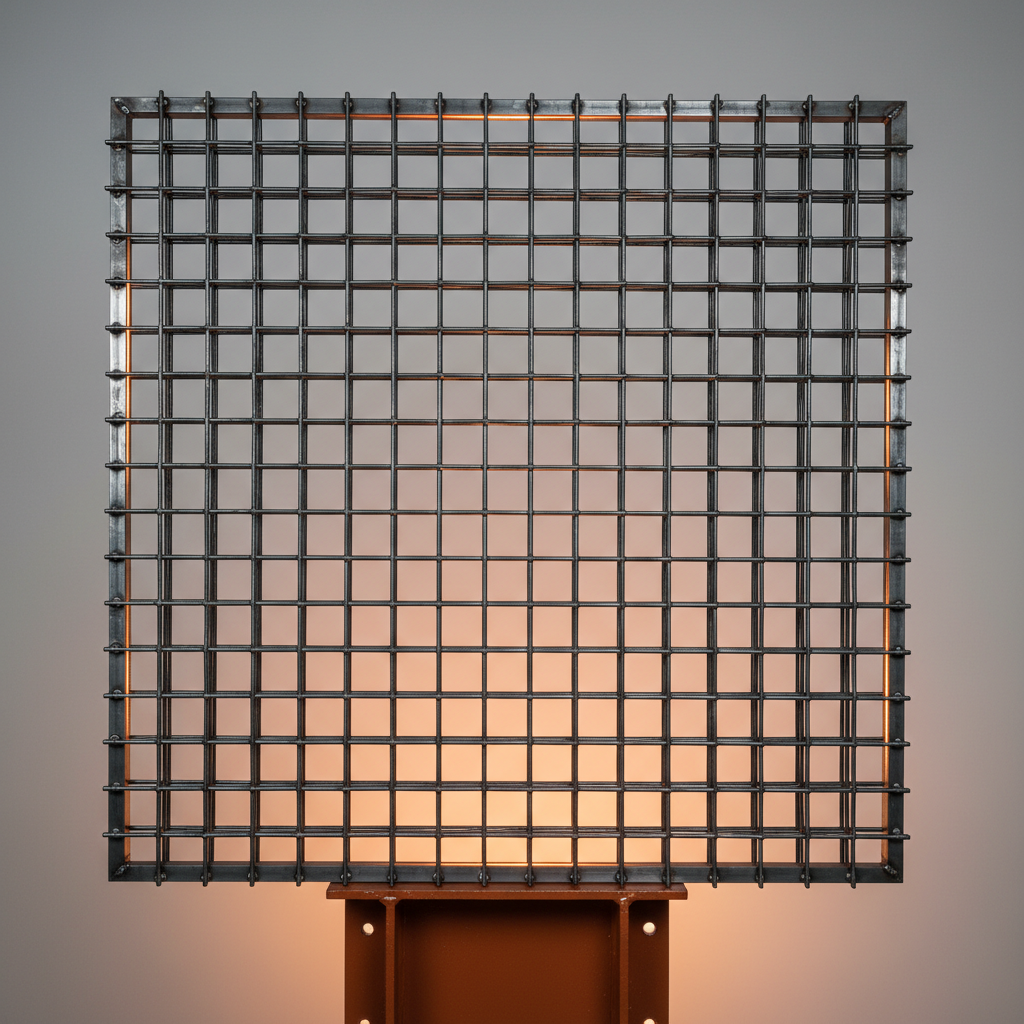 Heavy Duty 6 gauge welded wire mesh for Security and StrengthWhen it comes to heavy-duty containment, security, and structural reinforcement, choosing the right material is critical. The 6 gauge welded wire mesh stands as a premier choice for those requiring a balance of extreme rigidity and precise spacing. Whether you are securing a commercial perimeter, building industrial livestock panels, or creating reinforced concrete structures, this specific thickness provides the structural integrity needed to withstand significant pressure and impact. In this comprehensive guide, we will explore the technical specifications, primary applications, and why this mesh is the gold standard for high-security fencing solutions.Read more >
Apr 16 2026
-
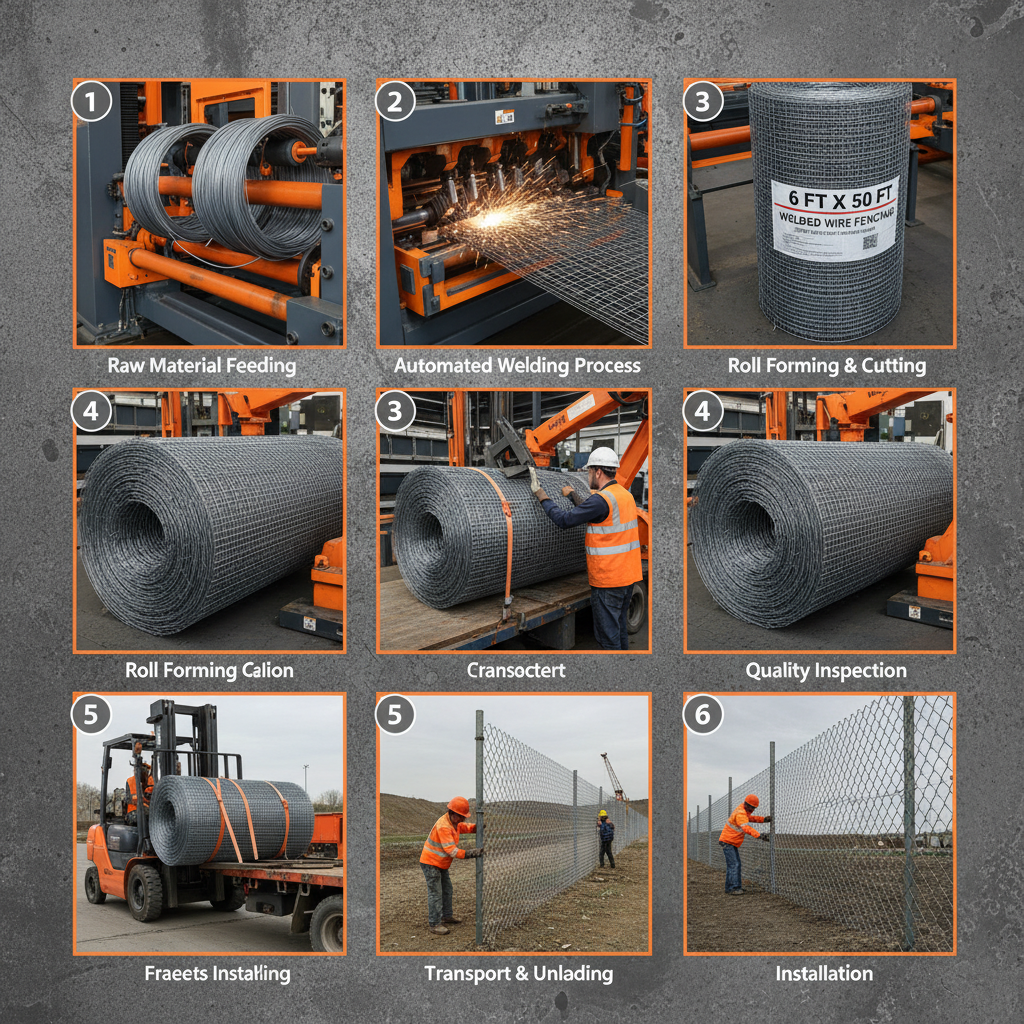 Durable 6 ft x 50 ft welded wire fencing for Security and GardensWhen it comes to securing a perimeter, whether for agricultural use, garden protection, or industrial boundaries, the dimensions and material of your fence matter. The 6 ft x 50 ft welded wire fencing offers an ideal balance of height and length, providing a robust barrier that is easy to install and maintain. Choosing a welded wire system ensures that the intersections are fused together, preventing the shifting and sagging often found in woven alternatives. In this guide, we will explore why this specific size is a preferred choice for property owners and how to maximize its effectiveness for your specific project.Read more >
Apr 09 2026
-
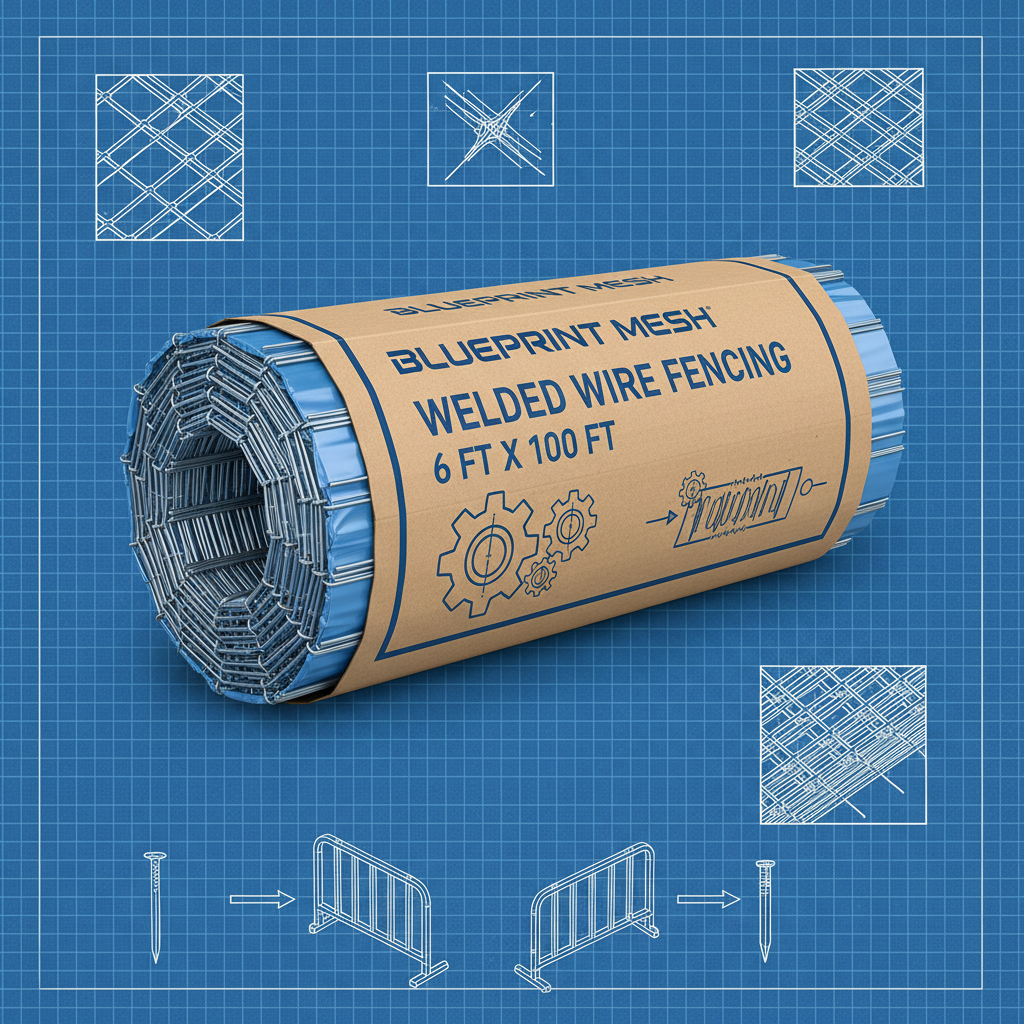 Comprehensive Guide to Choosing the Best 6 ft x 100 ft Welded Wire FencingWelded wire fencing is a versatile and cost-effective solution for a wide range of applications, from agricultural containment to residential security. Understanding the nuances of different types, especially when considering a size like 6 ft x 100 ft welded wire fencing, is crucial for making the right investment. This article will guide you through the essential factors to consider, helping you select the fencing that best suits your specific requirements.Read more >
Apr 07 2026
-
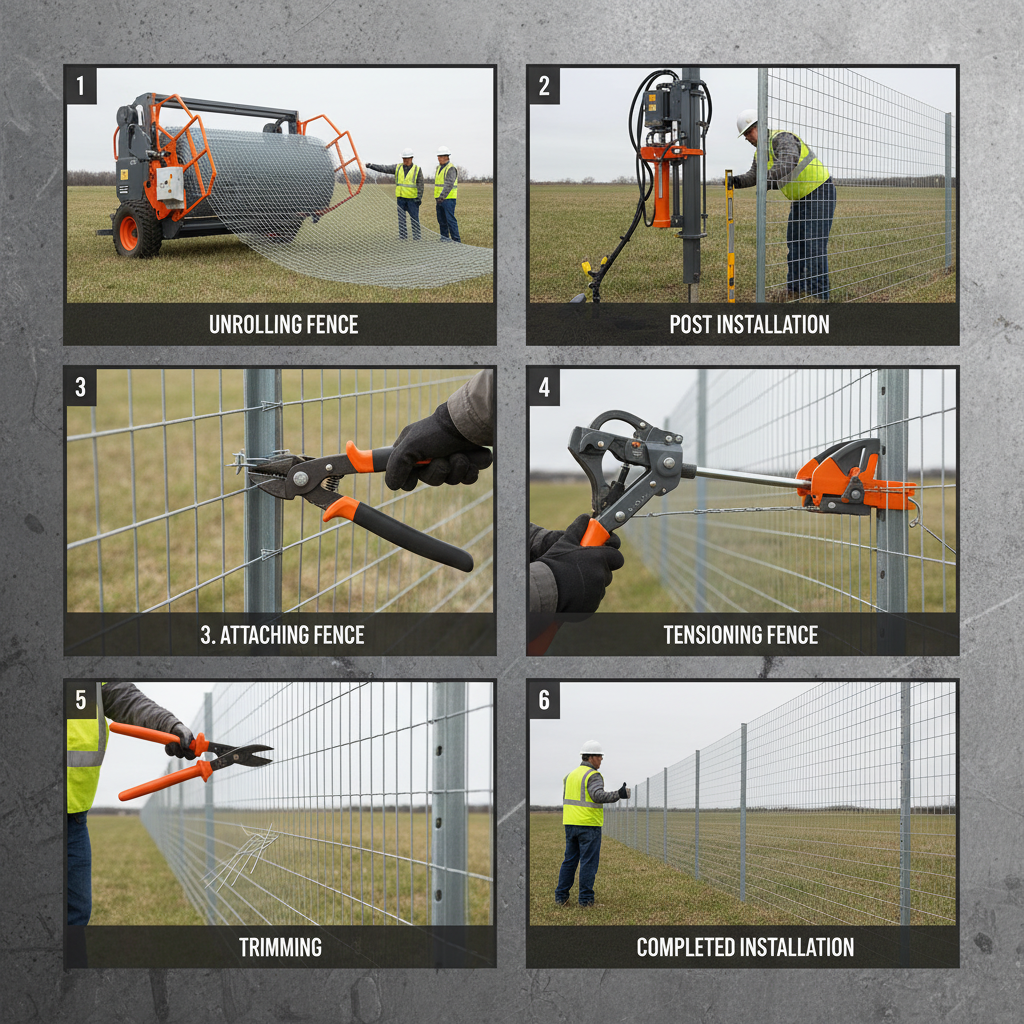 Comprehensive Guide to Choosing a 6 ft x 100 ft 12.5 Gauge Welded Wire FenceSelecting the appropriate fence for your property requires careful consideration. A 6 ft x 100 ft 12.5 gauge welded wire fence offers a robust and versatile solution for a variety of applications, from pet containment to garden protection and security. This guide will explore the benefits, applications, installation tips, and considerations when choosing this type of fencing. Understanding its construction and comparing it to other fencing options will help you make an informed decision.Read more >
Apr 04 2026
-
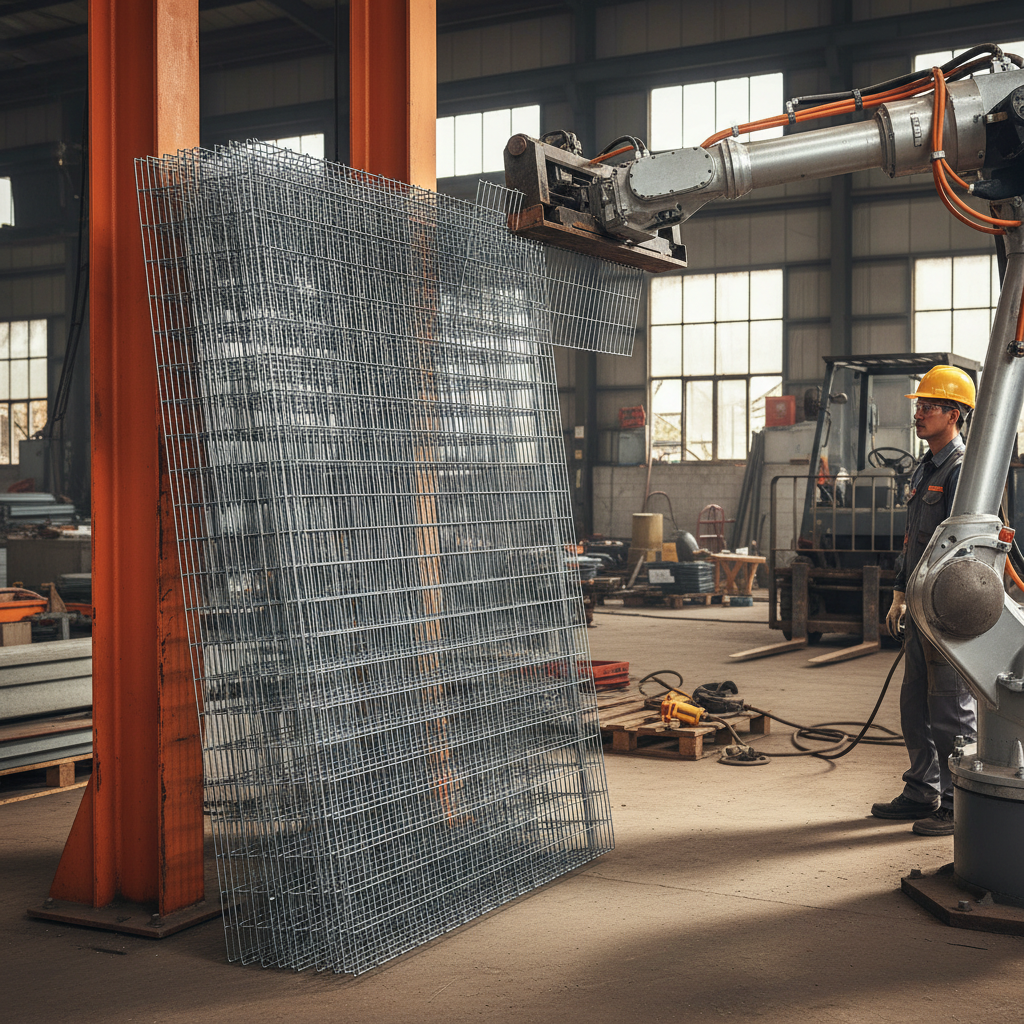 Comprehensive Guide to Durable 6 ft Welded Wire Fencing Panels and ApplicationsWhen selecting fencing for your property, 6 ft welded wire fencing panels offer a robust and versatile solution. These panels combine strength, security, and ease of installation, making them a popular choice for both residential and commercial applications. This article delves into the benefits, applications, installation, and maintenance of these panels, helping you make an informed decision.Read more >
Mar 31 2026