


Modern Wire Mesh Fence: Durable, Flexible, and Sustainable Security Solutions
Understanding the Rise of the Modern Wire Mesh Fence
When you hear the term modern wire mesh fence, you might picture a simple barrier to keep things in or out—but it’s much more than that these days. Around the globe, these fences are pivotal in everything from safeguarding critical industrial sites to enabling quick humanitarian responses. They blend practicality with cost efficiency, durability, and adaptability. And yes, the story of these seemingly straightforward fences dives deep into how we manage security, sustainability, and logistics on a large scale.
Why Modern Wire Mesh Fence Matters Globally
Globally, security and boundary management are foundational to community safety, infrastructure protection, and environmental conservation. According to the World Bank, over 70% of urban infrastructure developments now incorporate wire mesh fencing for efficient perimeter control (World Bank, 2023). Beyond construction sites, you’ll find these fences supporting refugee camps, protecting endangered wildlife habitats, and securing remote industrial areas.
The challenge? Balancing strength and cost, ease of installation with long-term durability, and environmental impact with industrial demand.
Mini takeaway: A modern wire mesh fence is more than just a fence; it’s a core player in addressing today’s complex challenges in security and infrastructure development worldwide.
What Exactly Is a Modern Wire Mesh Fence?
Put simply, a modern wire mesh fence consists of interconnected metal wires forming panels or rolls, designed to create a protective, visible barrier. Unlike old-school chain link fences, these are often forged from galvanized steel, stainless steel, or sometimes coated aluminum to resist corrosion and enhance lifespan. Their modular nature means they can be customized to scale up or down easily. In humanitarian settings, they're critical for quickly erecting secure zones without heavy machinery.
Core Features That Define Modern Wire Mesh Fencing
Durability and Corrosion Resistance
The backbone of these fences is how well they stand up to the elements—rain, sun, wind, or salt if near coastal installations. Galvanized and PVC-coated finishes help prevent rusting, ensuring that once installed, the fence can last for decades with minimal maintenance.
Scalability and Flexibility
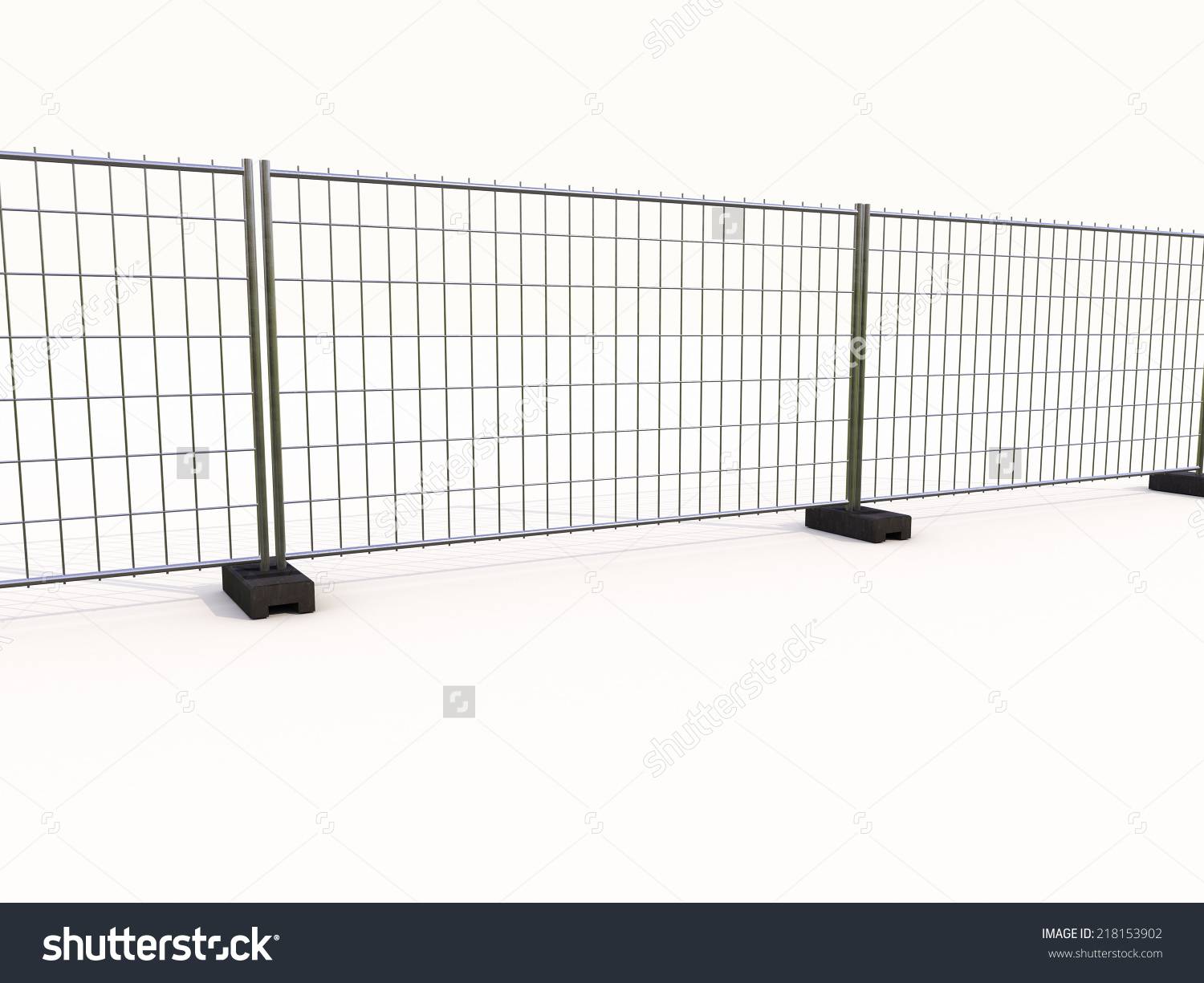
Think of a wire mesh fence as a giant tinker toy for large areas. Panels can be added or removed with relative ease, adapting quickly to expanding construction sites or evolving security needs. Many vendors supply modular options with uniform anchors and panels that snap together.
Cost Efficiency
Compared to masonry walls or solid panel fences, wire mesh solutions cost less both in material and installation labor. This is vital for NGOs or industries operating under tight budgets but with high safety standards.
Security and Visibility
Oddly enough, these fences provide a transparent barrier. This helps security personnel keep sightlines on both sides—great for surveillance without blind spots.
Environmental Impact
Modern manufacturing techniques reduce waste and optimize metal use. Some manufacturers have begun incorporating recycled steel, contributing to sustainability goals—something gaining huge importance according to ISO’s environmental standards (ISO 14001).
Mini takeaway: These core aspects create a fencing solution that’s not just a physical barrier but a practical, long-term asset.
Worldwide Applications and Real-Life Use Cases
The beauty of a modern wire mesh fence is its sheer versatility. In Australia, mining companies use them extensively to enclose expansive and often rugged terrain, keeping both staff and wildlife safe. Meanwhile, the UN incorporates them into refugee camps in the Middle East, providing boundaries without shutting people off—enhancing dignity while securing aid distribution zones.
In European urban centers, these fences line sports facilities and schools, combining security with aesthetics. In Asian industrial zones, especially in countries like China and India, their scalability helps keep growing manufacturing hubs secure and organized.
Mini takeaway: Whether it’s disaster response, industrial security, wildlife conservation, or urban safety, wire mesh fencing fits an array of vital applications worldwide.
Advantages and Long-Term Value
- Cost savings: Reduces upfront and maintenance expenses versus traditional solutions.
- Safety and trust: Offers a trustworthy boundary that doesn’t isolate—visibility builds community confidence.
- Sustainability: Materials and manufacturing increasingly focus on eco-friendly methods.
- Innovation: Integrates with smart sensors or automated gates for high-tech security solutions.
Emotionally, there’s reassurance in a clear, sturdy fence that doesn’t feel imposing or oppressive—especially critical in humanitarian contexts where safety must be balanced with respect and dignity.
What’s Next? Future Trends in Modern Wire Mesh Fence Technology
New coatings promise even better resistance against extreme climates. Some companies are piloting embedded sensors that detect fence breaches instantly and communicate wirelessly to monitoring stations. Meanwhile, solar-powered lighting attached to fence posts enhances nighttime security without increasing energy footprints.
Automation of installation is also on the horizon, with robotic arms and drones helping to erect huge fencing networks quickly and safely. Such innovations align with the global push for smart, sustainable infrastructure.
Challenges and Solutions in the Industry
Of course, wire mesh doesn’t solve everything—it can be vulnerable to cutting tools and requires regular inspections. Installation on uneven landscapes has traditionally been tricky. Yet, manufacturers respond with reinforced mesh options and flexible anchoring systems that adapt to terrain.
Maintenance demands still exist but are dropping thanks to newer, more durable coatings. For places that experience vandalism or high security risks, layering mesh fences with razor wire or integrating CCTV cameras improves effectiveness.
FAQ: Your Questions About Modern Wire Mesh Fence
- How long does a modern wire mesh fence typically last?
- With galvanized or PVC coatings, these fences can last 15-25 years, sometimes longer, especially if maintained properly.
- Can I customize the height and panel size for different needs?
- Yes! One of the big perks is modularity. Panels come in various sizes and can be stacked or extended depending on your security requirements.
- Is modern wire mesh fence environmentally sustainable?
- Many manufacturers utilize recycled steel and eco-friendly coatings, aligning their production with ISO 14001 environmental standards.
- Are these fences easy to install in remote or disaster zones?
- Definitely. Their modular design means they can be assembled with minimal heavy equipment, ideal for rapid deployment in emergency situations.
- How do modern wire mesh fences compare cost-wise to other fencing?
- They are generally more affordable upfront and demand less maintenance, making them attractive for both short-term projects and permanent installations.
Product Specification Table: Typical Modern Wire Mesh Fence
| Specification | Value |
|---|---|
| Material | Galvanized Steel / PVC Coated |
| Panel Dimensions | 2m Height x 2.5m Width (Standard) |
| Wire Thickness | 4-5 mm |
| Mesh Opening | 50 mm x 50 mm |
| Coating | Zinc Galvanized with optional PVC Sheath |
| Expected Lifespan | 15-25 years |
| Installation | Modular panels with steel post anchors |
Vendor Comparison Table: Leading Wire Mesh Fence Manufacturers
| Company | Material Quality | Customization | Delivery Speed | Eco Initiatives |
|---|---|---|---|---|
| FenceTech Ltd. | Premium galvanized steel | High - custom sizes, coatings | 3-5 days | Recycled materials program |
| Global Mesh Co. | Standard galvanized steel | Moderate - fixed panel sizes | 1-2 weeks | Limited green initiatives |
| SecureWire Inc. | Galvanized with PVC coating | High - design consultation offered | 5-7 days | Solar powered fencing options |
Final Thoughts
Modern wire mesh fences occupy an interesting intersection of simplicity and sophistication. They’re not just fences anymore; they’re strategic infrastructure components that respond to modern needs of durability, sustainability, and adaptability. Whether you’re securing an industrial yard or setting up quick perimeter controls in disaster zones, the impact is profound and long-lasting.
For those weighing options, considering future trends like sensor integration or greener materials might just tip the balance. I encourage anyone interested in reliable fencing solutions to explore modern wire mesh fence options. There’s always something fascinating in the details if you look closely enough.
References:- World Bank Infrastructure Reports, 2023
- ISO Environmental Management Standards (ISO 14001)
- Wikipedia: Wire Fence
Latest News About CHENG CHUANG
-
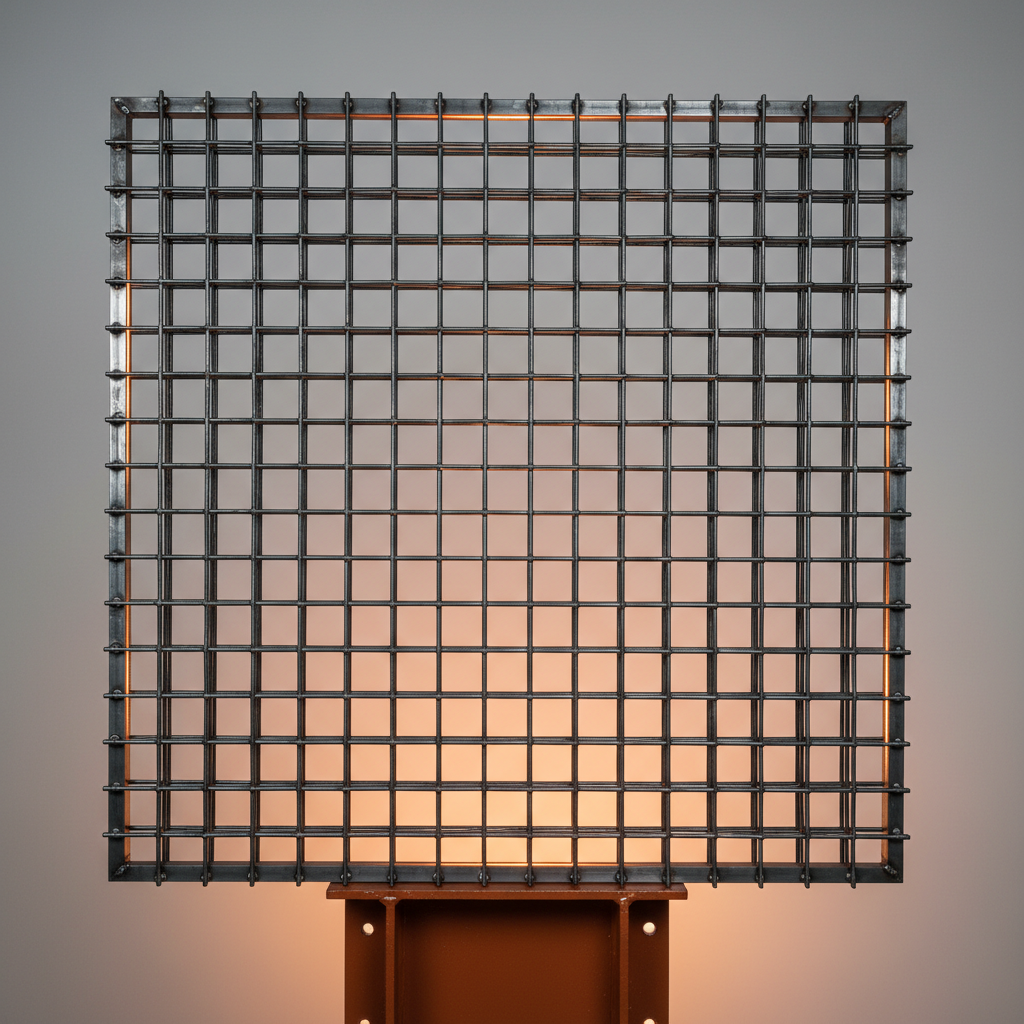 Heavy Duty 6 gauge welded wire mesh for Security and StrengthWhen it comes to heavy-duty containment, security, and structural reinforcement, choosing the right material is critical. The 6 gauge welded wire mesh stands as a premier choice for those requiring a balance of extreme rigidity and precise spacing. Whether you are securing a commercial perimeter, building industrial livestock panels, or creating reinforced concrete structures, this specific thickness provides the structural integrity needed to withstand significant pressure and impact. In this comprehensive guide, we will explore the technical specifications, primary applications, and why this mesh is the gold standard for high-security fencing solutions.Read more >
Apr 16 2026
-
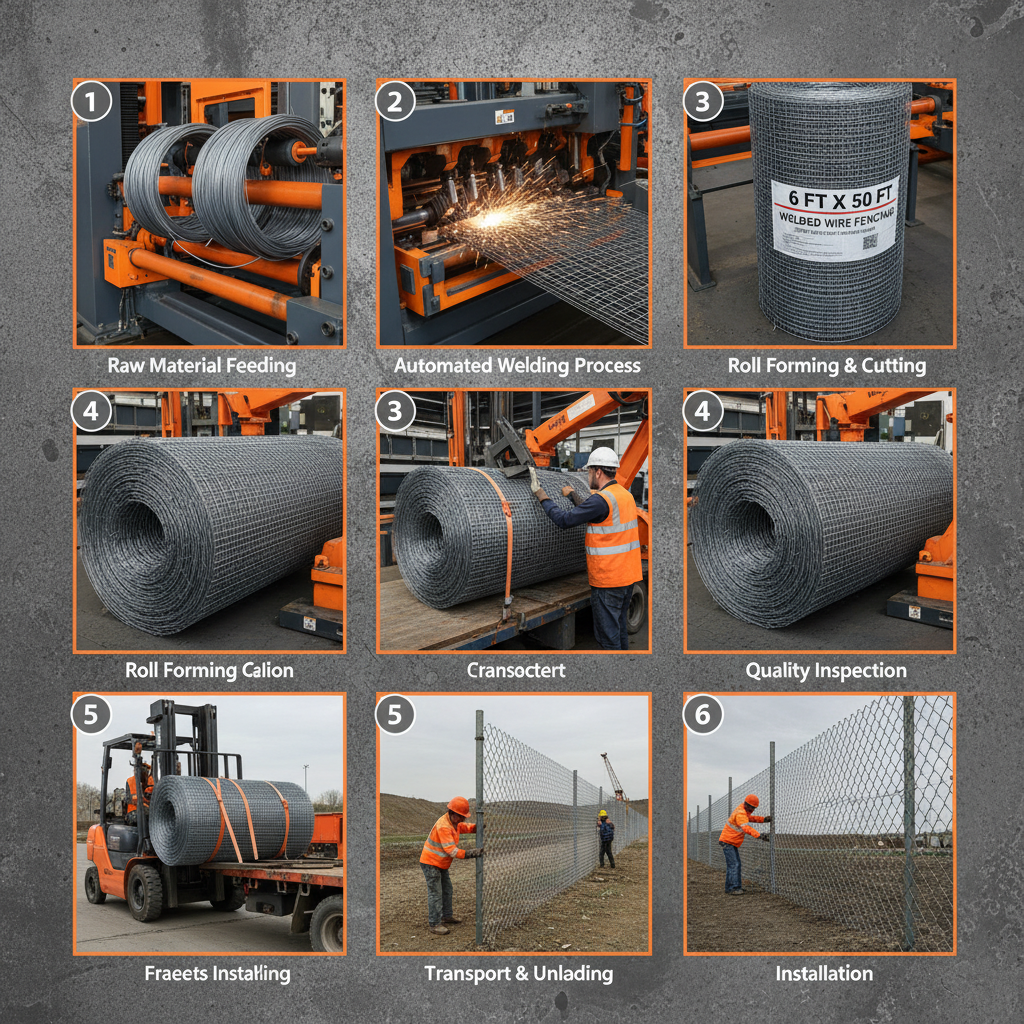 Durable 6 ft x 50 ft welded wire fencing for Security and GardensWhen it comes to securing a perimeter, whether for agricultural use, garden protection, or industrial boundaries, the dimensions and material of your fence matter. The 6 ft x 50 ft welded wire fencing offers an ideal balance of height and length, providing a robust barrier that is easy to install and maintain. Choosing a welded wire system ensures that the intersections are fused together, preventing the shifting and sagging often found in woven alternatives. In this guide, we will explore why this specific size is a preferred choice for property owners and how to maximize its effectiveness for your specific project.Read more >
Apr 09 2026
-
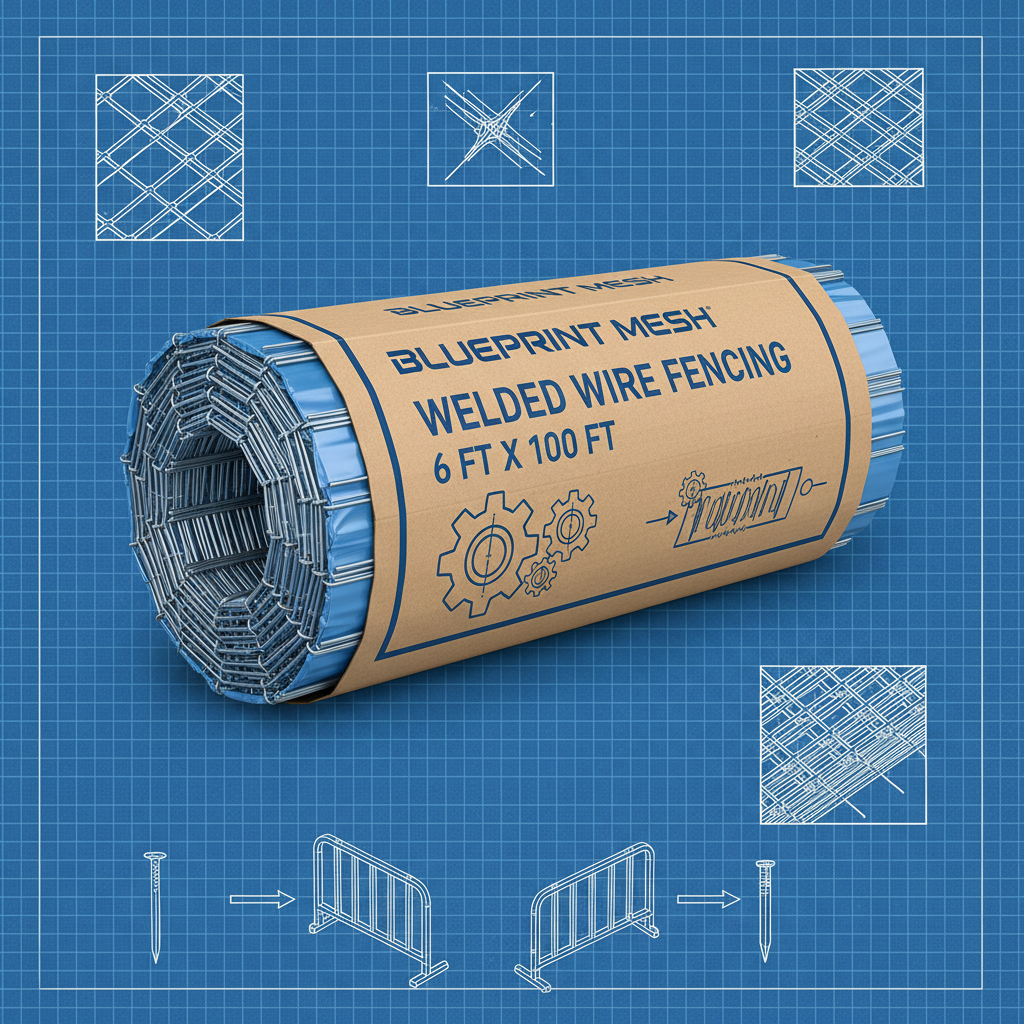 Comprehensive Guide to Choosing the Best 6 ft x 100 ft Welded Wire FencingWelded wire fencing is a versatile and cost-effective solution for a wide range of applications, from agricultural containment to residential security. Understanding the nuances of different types, especially when considering a size like 6 ft x 100 ft welded wire fencing, is crucial for making the right investment. This article will guide you through the essential factors to consider, helping you select the fencing that best suits your specific requirements.Read more >
Apr 07 2026
-
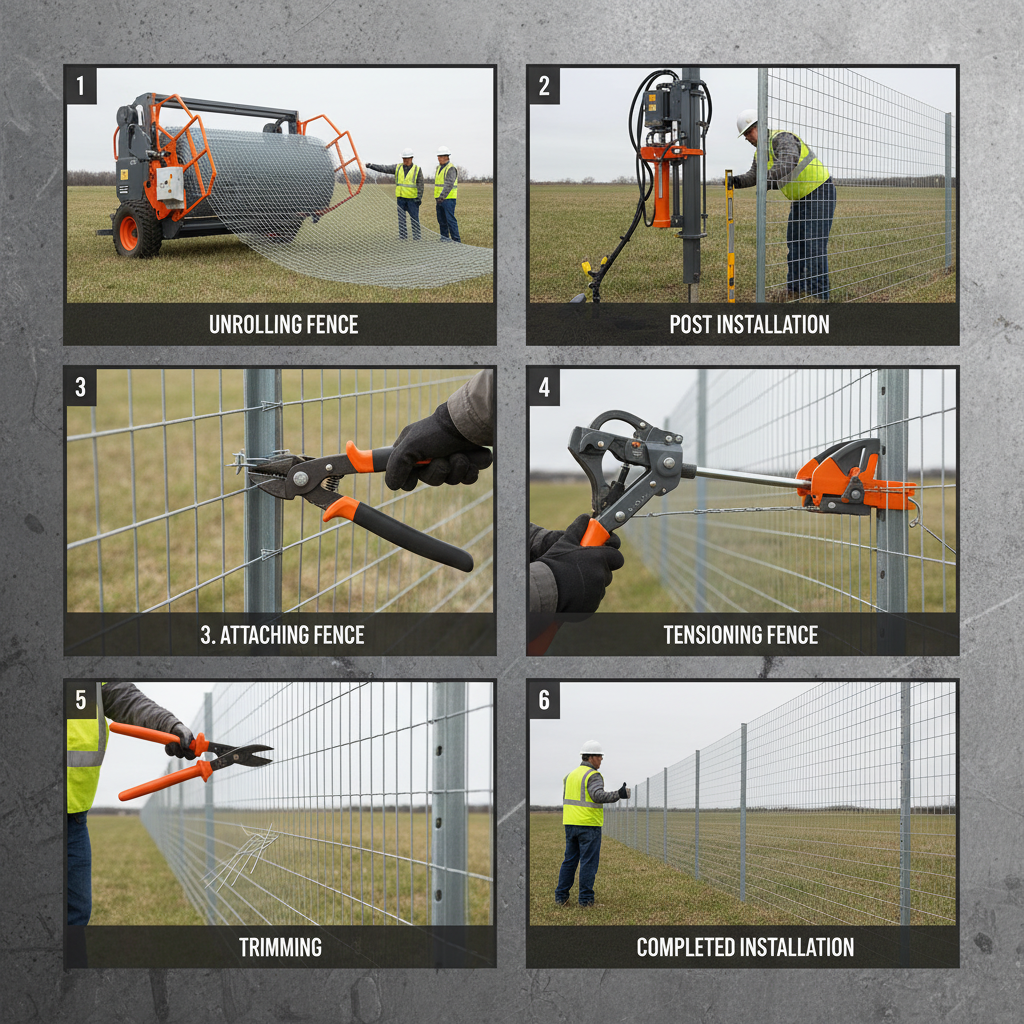 Comprehensive Guide to Choosing a 6 ft x 100 ft 12.5 Gauge Welded Wire FenceSelecting the appropriate fence for your property requires careful consideration. A 6 ft x 100 ft 12.5 gauge welded wire fence offers a robust and versatile solution for a variety of applications, from pet containment to garden protection and security. This guide will explore the benefits, applications, installation tips, and considerations when choosing this type of fencing. Understanding its construction and comparing it to other fencing options will help you make an informed decision.Read more >
Apr 04 2026
-
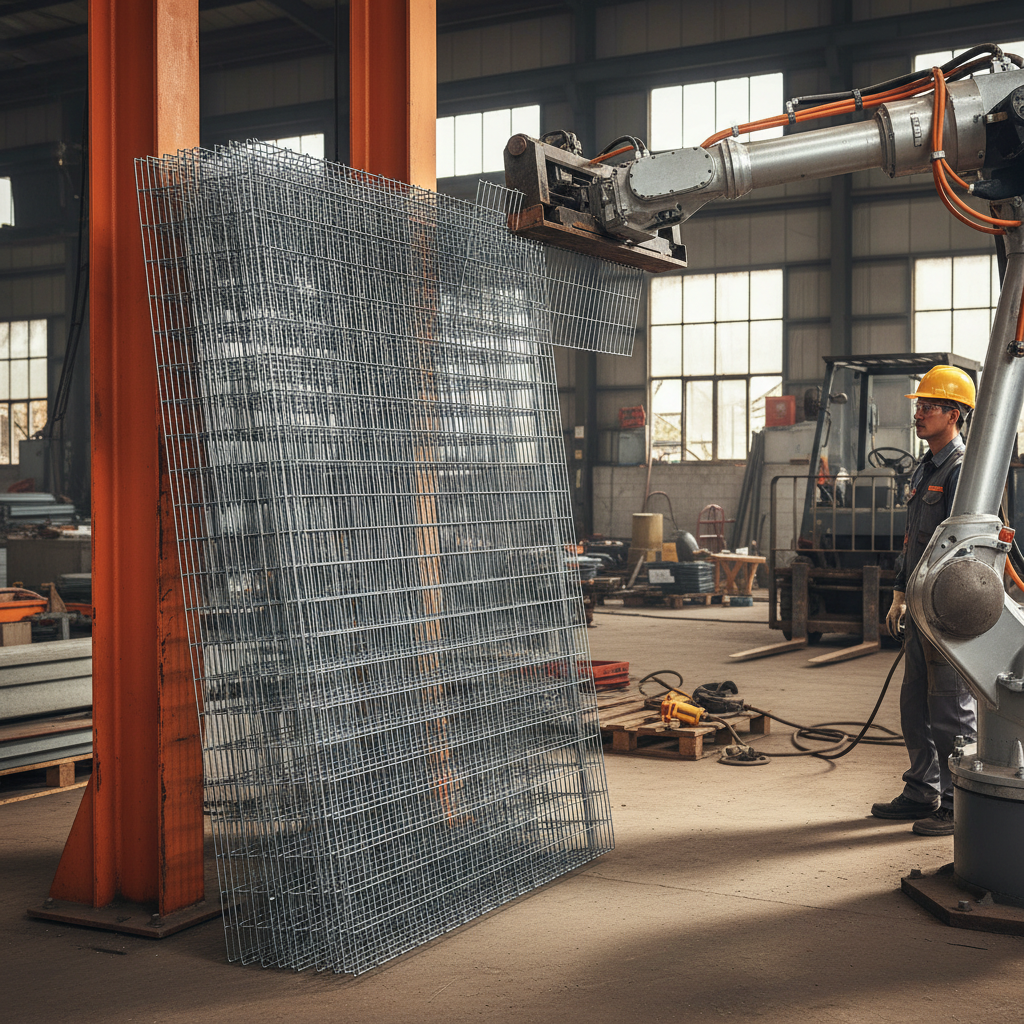 Comprehensive Guide to Durable 6 ft Welded Wire Fencing Panels and ApplicationsWhen selecting fencing for your property, 6 ft welded wire fencing panels offer a robust and versatile solution. These panels combine strength, security, and ease of installation, making them a popular choice for both residential and commercial applications. This article delves into the benefits, applications, installation, and maintenance of these panels, helping you make an informed decision.Read more >
Mar 31 2026