


Mine Mesh: Essential Safety and Sustainability Solutions for Mining & Construction
Understanding Mine Mesh: What It Is and Why It Matters Globally
If you’ve ever walked near a construction site, a mining operation, or even a disaster relief setup, chances are you’ve come across a durable metal mesh. That, in essence, is what we call mine mesh — a material that might just be one of the unsung heroes in both industry and humanitarian aid. But why should anyone outside those circles care? Simply put, mine mesh plays a crucial role in ensuring safety, environmental protection, and efficient operations worldwide. The better we understand it, the smarter we become about risk management and sustainable use of industrial materials.
The Global Relevance of Mine Mesh in Industry and Beyond
In 2023, mining output and extractive industries accounted for approximately 15% of world GDP in developing regions, according to the World Bank. That scale of activity naturally brings safety and environmental challenges. Mine mesh — metal grids specially designed to reinforce tunnels or secure debris — helps mitigate many risks. Besides mining, these meshes are essential in post-disaster zones, construction sites, and even military zones worldwide.
However, the challenge remains: how to provide strong, adaptable, and cost-effective protection in unpredictable environments? Mine mesh answers that — by being both flexible and tough enough to handle terrain shifts while preventing accidents.
Mini takeaway: Global mining growth pushes for stronger, smarter safety measures — mine mesh is front and center.
What Exactly Is Mine Mesh?
At its core, mine mesh is a network of metal wires joined to form a stable yet flexible grid. Think of it as a sort of tactical net, crafted specifically to support and contain loose rocks, earth, or debris around mining tunnels, slopes, or excavation faces.
Unlike generic fence mesh, mine mesh is engineered for harsh conditions: heavy weight, dirt, moisture, and often extreme temperatures. It is designed not only for mechanical durability but also for longevity, ensuring safety for human workers and environmental stability.
Interestingly, mine mesh has found roots beyond mining: emergency shelter construction, erosion control, and even wildlife fencing where stability and durability are paramount.
mine mesh products come in different gauges and weave patterns, depending on the need — a spectrum ranging from lightweight barrier mesh up to heavy-duty rockfall meshes.
Mini takeaway: Mine mesh is a specially designed metal grid made to secure and support industrial and humanitarian projects.
Core Components and Key Factors to Consider
1. Durability and Corrosion Resistance
Mine mesh must endure harsh environments—wet, acidic soils, or varying temperate climates. Most meshes use galvanized steel or stainless steel to prevent rust. The added zinc coating prolongs life expectancy, often reaching 15+ years outdoors.
2. Scalability and Modularity
The mesh often comes in panels or rolls, allowing easy scaling up or down depending on project size. For sprawling mining sites or temporary installations, this flexibility is crucial.
3. Weight vs. Strength Balance
It’s not just about being strong; it’s about being lightweight enough for quick manual installation. Engineers often aim for the lowest gauge that can handle regulatory load demands.
4. Cost Efficiency
Since mine mesh is often used at scale, material and installation costs add up fast. Choosing the right grade can save significant money long term, especially when factoring in maintenance.
5. Environmental Compatibility
In many ecological zones, it must be eco-friendly and not leach harmful substances. Increasingly, suppliers are adhering to stricter ISO standards for sustainability.
6. Ease of Installation and Maintenance
Fast deployment reduces downtime. Many designs now include clamp systems and modular fittings for speed and reliability in harsh sites.
Mini takeaway: When selecting mine mesh, durability, weight, cost, and installation ease form the crucial evaluation pillars.
Practical Applications and Real-World Use Cases
Mine mesh finds use everywhere mining and construction are prominent:
- Mining Operations: Securing tunnel walls, preventing rockfalls, and protecting workers underground.
- Post-Disaster Relief: In earthquake-ravaged areas, mine mesh supports temporary shelters and shoring of unstable structures.
- Infrastructure Projects: Along highways prone to landslides, mine mesh stabilizes slopes and prevents road debris.
- Environmental Reclamation: When restoring mined land, mesh protects seedlings against erosion.
For example, in certain African mining regions, mesh deployment reduced rockfall injuries by nearly 40%, per reports from local safety authorities.
Mini takeaway: Mine mesh supports safety, environment, and efficiency across sectors, especially in high-risk zones.
The Advantages and Long-Term Value of Mine Mesh
Why invest in mine mesh? From the user’s viewpoint, it’s about risk mitigation and peace of mind. From a business stance, it translates to reduced insurance claims, lower maintenance costs, and compliance with regulations.
On a social level, it protects workers’ lives and preserves dignity, which is invaluable. Environmental benefits include less soil erosion, healthier ecosystems, and less disruption to adjacent lands.
Moreover, many suppliers now offer meshes using recycled steel, enhancing sustainability. It’s a neat example of innovation meeting responsibility.
Mini takeaway: Beyond safety, mine mesh delivers cost savings, environmental stewardship, and social trust.
Looking Ahead: Future Trends and Innovations
The world of mine mesh isn’t standing still. Emerging trends include:
- Smart Meshes: Integration of sensors to detect strain, shifts, and failures in real time—improving monitoring.
- Green Materials: Biodegradable coatings and recycled alloys aligning with carbon reduction efforts.
- Automation: Drone-assisted installation and inspection are becoming feasible, reducing human exposure.
- Design Optimization: Using AI modeling to create mesh patterns that balance cost and strength more precisely.
It feels like these trends will make mine mesh both safer and more eco-friendly in the years to come.
Mini takeaway: Smart technology and sustainable materials will redefine mine mesh’s future role in industry.
Common Challenges and Expert Solutions
Deploying mine mesh isn’t without hurdles. Some common problems include:
- Corrosion Under Extreme Conditions: Even galvanized mesh can degrade unexpectedly in acidic environments.
- Installation Complexity: In some rugged terrains, deployment requires specialist skills.
- Cost Constraints: Budget limits often push buyers toward cheaper, less durable options.
Experts recommend:
- Using coatings like polymer encapsulation for sensitive areas.
- Providing thorough worker training and using modular designs.
- Conducting life-cycle costing rather than upfront cost focus.
These strategies help balance upfront pain for longer-term gain — a truth many industrial engineers appreciate.
Mini takeaway: Proper material selection, training, and holistic costing improve mine mesh success rates.
Mine Mesh FAQs
- Q: How does mine mesh differ from regular construction mesh?
- A: Mine mesh is typically heavier gauge and specifically designed to resist rockfalls, erosion, and environmental stress—much more rugged than regular mesh.
- Q: Can mine mesh be reused or recycled?
- A: Yes, most steel mine meshes are recyclable, and well-maintained panels can often be reused for multiple projects, reducing waste.
- Q: How fast can mine mesh be installed in emergency scenarios?
- A: With modular panel systems and trained crews, deployment can occur within hours, making it ideal for post-disaster stabilization.
- Q: Are there environmental certifications for mine mesh?
- A: Increasingly, ISO 14001 compliance and responsible sourcing credentials apply, particularly in green-focused projects.
- Q: Where can I source reliable mine mesh products?
- A: Reputable vendors with ISO certifications and positive field references are best. Check for product specs to match your project needs.
Comparing Top Mine Mesh Products and Vendors
| Product | Material | Mesh Size | Coating | Weight (kg/m²) |
|---|---|---|---|---|
| RockGuard 500 | Galvanized Steel | 50 mm x 50 mm | Zinc (275 g/m²) | 15 |
| SafeMesh Pro | Stainless Steel | 40 mm x 40 mm | None (Stainless) | 12 |
| EcoMesh 300 | Recycled Galvanized Steel | 60 mm x 60 mm | Polymer-coated | 10 |
Vendor Comparison: Who’s Leading the Mine Mesh Market?
| Vendor | Specialty | Certifications | Global Reach | Price Range |
|---|---|---|---|---|
| ChCh Fence Co. | Heavy-Duty Industrial Mesh | ISO 9001, ISO 14001 | North America, Africa, Australia | $$$ |
| Global Fabricators | Custom Mesh Solutions | ISO 9001 | Europe, Asia | $$ |
| EcoMesh Solutions | Green, Recycled Materials | ISO 14001, LEED | Global | $$$ |
Conclusion: Why Mine Mesh Remains Essential — And Where to Learn More
In summing it all up: mine mesh may appear like just a grid of metal wires, but it’s so much more. It’s a key safety tool, a sustainability enabler, and an industrial workhorse rolled into one. From rugged mining tunnels to fragile ecosystems and disaster zones, the right mine mesh enhances lives, cuts costs, and supports environmental care.
If you’re seeking trusted solutions, learning more about product options and installation best practices is a smart step forward — and you’ll find some well-engineered options at mine mesh suppliers like ChCh Fence.
So, next time you glimpse a stretch of metal mesh next to a tunnel or hill, maybe you’ll appreciate the story it carries — a kind of quiet protection that’s vital to so many.
References
Latest News About CHENG CHUANG
-
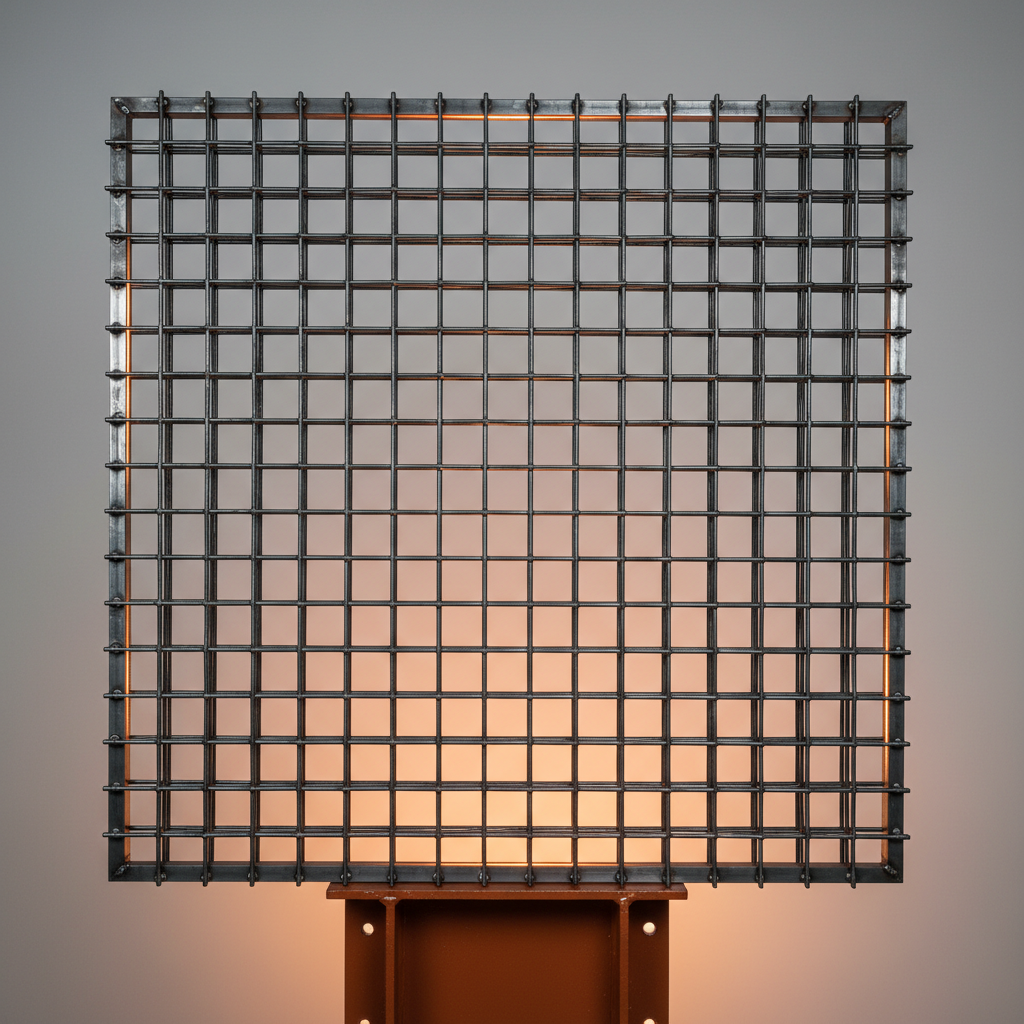 Heavy Duty 6 gauge welded wire mesh for Security and StrengthWhen it comes to heavy-duty containment, security, and structural reinforcement, choosing the right material is critical. The 6 gauge welded wire mesh stands as a premier choice for those requiring a balance of extreme rigidity and precise spacing. Whether you are securing a commercial perimeter, building industrial livestock panels, or creating reinforced concrete structures, this specific thickness provides the structural integrity needed to withstand significant pressure and impact. In this comprehensive guide, we will explore the technical specifications, primary applications, and why this mesh is the gold standard for high-security fencing solutions.Read more >
Apr 16 2026
-
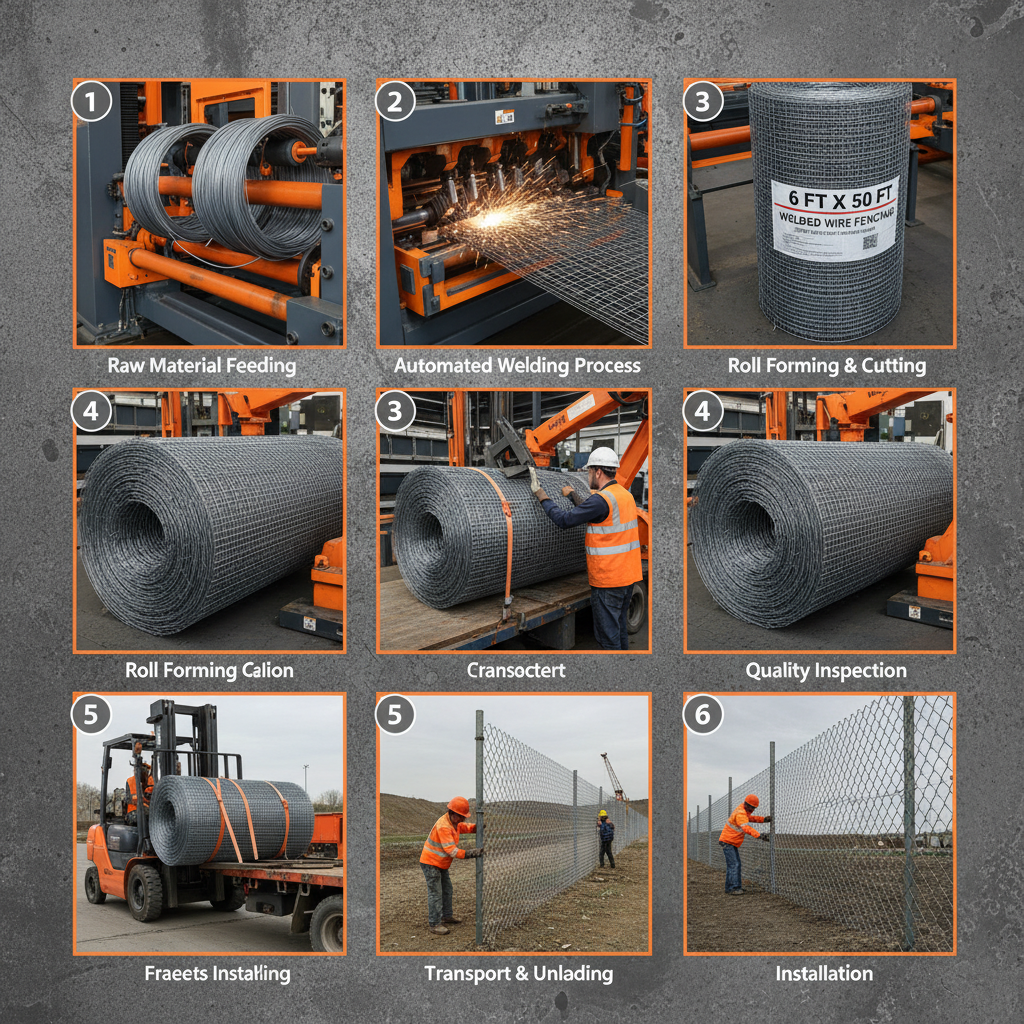 Durable 6 ft x 50 ft welded wire fencing for Security and GardensWhen it comes to securing a perimeter, whether for agricultural use, garden protection, or industrial boundaries, the dimensions and material of your fence matter. The 6 ft x 50 ft welded wire fencing offers an ideal balance of height and length, providing a robust barrier that is easy to install and maintain. Choosing a welded wire system ensures that the intersections are fused together, preventing the shifting and sagging often found in woven alternatives. In this guide, we will explore why this specific size is a preferred choice for property owners and how to maximize its effectiveness for your specific project.Read more >
Apr 09 2026
-
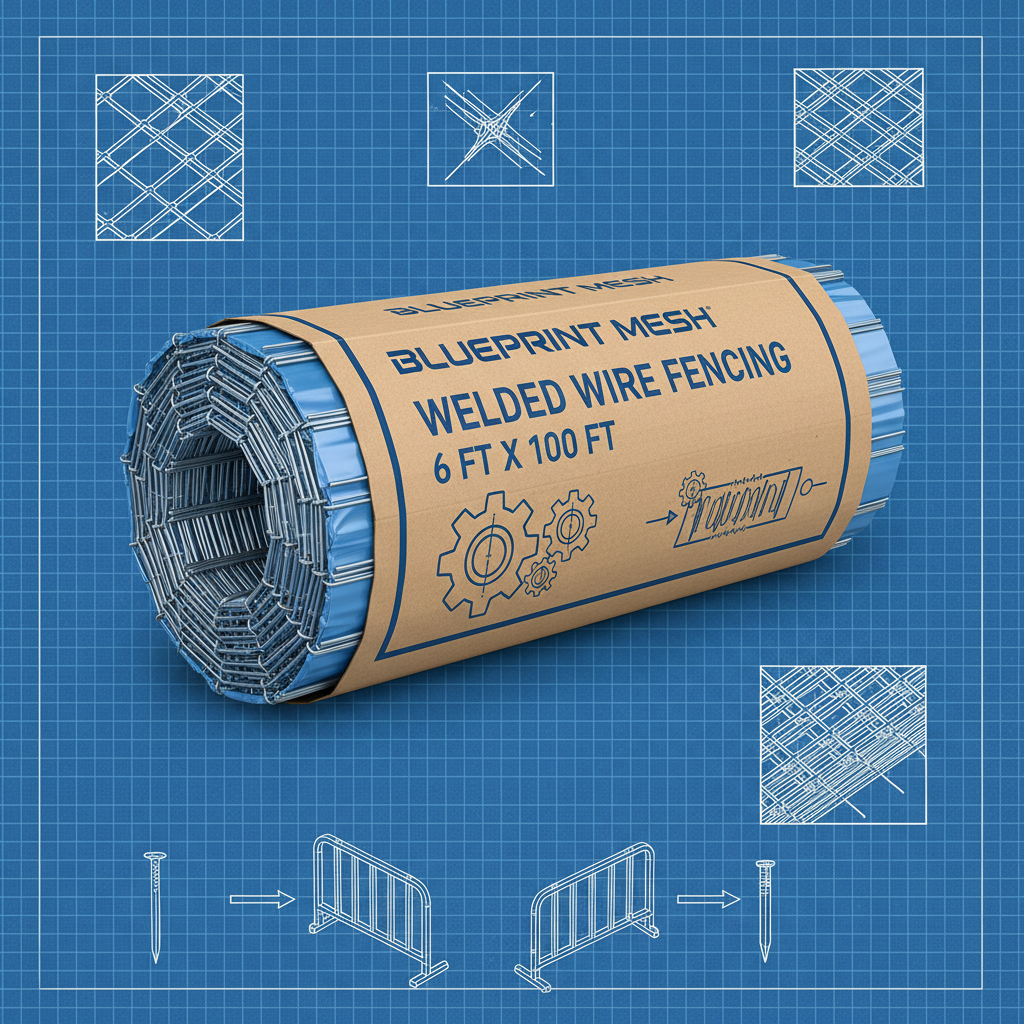 Comprehensive Guide to Choosing the Best 6 ft x 100 ft Welded Wire FencingWelded wire fencing is a versatile and cost-effective solution for a wide range of applications, from agricultural containment to residential security. Understanding the nuances of different types, especially when considering a size like 6 ft x 100 ft welded wire fencing, is crucial for making the right investment. This article will guide you through the essential factors to consider, helping you select the fencing that best suits your specific requirements.Read more >
Apr 07 2026
-
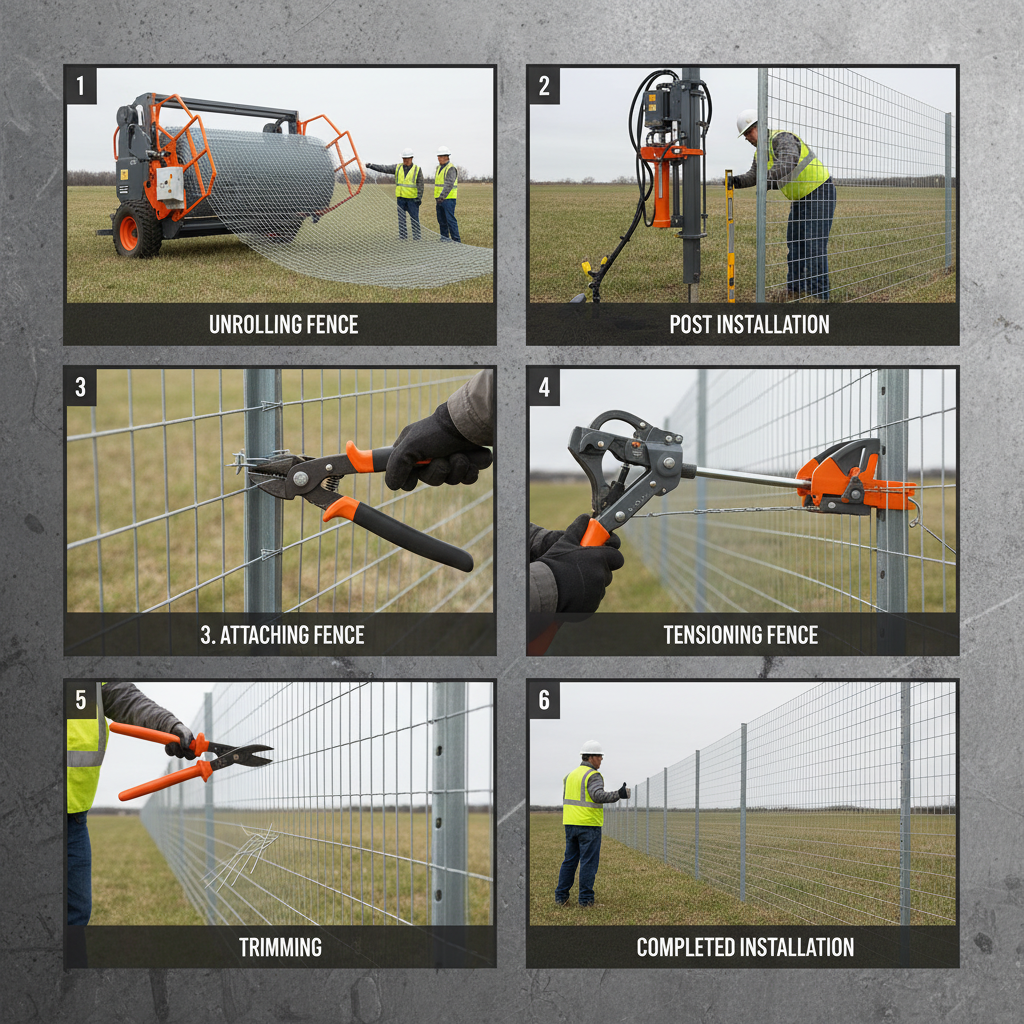 Comprehensive Guide to Choosing a 6 ft x 100 ft 12.5 Gauge Welded Wire FenceSelecting the appropriate fence for your property requires careful consideration. A 6 ft x 100 ft 12.5 gauge welded wire fence offers a robust and versatile solution for a variety of applications, from pet containment to garden protection and security. This guide will explore the benefits, applications, installation tips, and considerations when choosing this type of fencing. Understanding its construction and comparing it to other fencing options will help you make an informed decision.Read more >
Apr 04 2026
-
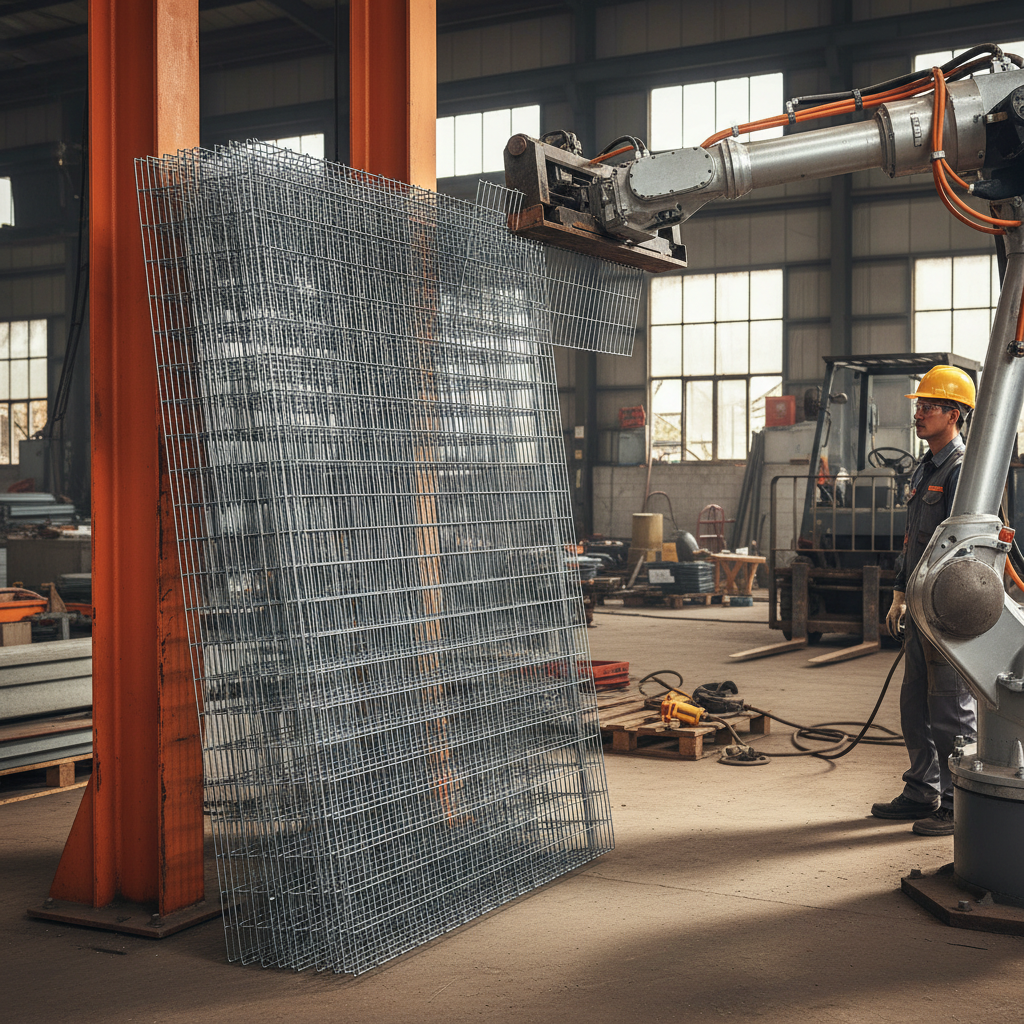 Comprehensive Guide to Durable 6 ft Welded Wire Fencing Panels and ApplicationsWhen selecting fencing for your property, 6 ft welded wire fencing panels offer a robust and versatile solution. These panels combine strength, security, and ease of installation, making them a popular choice for both residential and commercial applications. This article delves into the benefits, applications, installation, and maintenance of these panels, helping you make an informed decision.Read more >
Mar 31 2026