


Metall Mesh Explained: Durable Solutions for Global Infrastructure and Safety
What is Metall Mesh and Why Does It Matter Today?
If you’ve ever walked past a modern construction site, a factory, or even a secure facility, chances are you encountered metall mesh. But beyond just looking like a high-tech grid, metall mesh plays a rather unsung but vital role in many industries worldwide. Essentially, metall mesh is a woven or welded grid made from metal wires or strips, designed to deliver a reliable, flexible, and durable barrier or reinforcement solution. And frankly, its relevance is only growing, thanks to rapid urbanization, infrastructure needs, and evolving industrial demands.
Globally, the metal mesh market was valued in the tens of billions (USD), with Asia-Pacific leading demand growth. According to ISO standards on wrought metal products, this material blends strength and adaptability — two things that today’s engineers say are crucial as cities densify and supply chains demand more robust materials. Metall mesh doesn’t just protect—it enables innovation in everything from disaster relief fencing to high-tech filtration systems.
Understanding metall mesh and its nuances isn’t mere technical trivia; it’s about grasping a foundational material that powers modern infrastructure and even humanitarian solutions around the world.
The Global Picture: Why Metall Mesh Is More than Just Wire
Look around: every urban sprawl, every major infrastructure project, every high-security compound… metall mesh is present. The World Bank estimates that by 2050, 68% of the world’s population will live in urban areas, intensifying the need for secure, versatile, and scalable materials like metall mesh to manage everything from construction reinforcement to anti-intrusion measures.
A particular challenge? Balancing affordability with durability — especially in lower-income regions where supply chain constraints limit material choices. Metall mesh bridges this gap. It’s a classic case of “simple concept, massive impact.” With a few wires and the right layout, we get fences that withstand both weather and time, filters that last, and cages that secure without bulk.
metall mesh supplies on various continents are evolving accordingly, with manufacturers customizing the mesh’s properties for specific climates and industry needs.Metall Mesh Defined: What Are We Talking About?
At its core, metall mesh is a network of metal wires, strips, or rods, arranged either in a grid, net, or mesh pattern. Sometimes woven like fabric; sometimes welded like a tiny fortress. Materials vary—from stainless steel and aluminum to galvanized iron—depending on use case. And “mesh” isn’t limited to the outdoors: medical devices, electronics, and even architectural accents sometimes rely on metall mesh’s unique properties.
Its role in modern industry is twofold: firstly, as a physical barrier or reinforcement; secondly, as a medium for filtration, protection, or even electromagnetic shielding. Oddly enough, the same mesh that fences off industrial zones can be the backbone of hospital air filtration systems.
Core Components of Metall Mesh
1. Durability and Strength
Durability is self-explanatory but profoundly important. Metall mesh supports heavy loads when used in concrete reinforcement and resists corrosion in harsh environments—thanks largely to coatings like galvanization or powder coating. This makes it a natural fit in coastal infrastructure or chemical plants.
2. Mesh Size and Gauge
The size of a mesh opening and the thickness of wires (gauge) define what the mesh can do. For example: smaller openings offer better security or filtration, but cost more material and weight. Larger mesh sizes are lightweight and allow more airflow—ideal for fencing farms or construction safety nets.
3. Flexibility vs. Rigidity
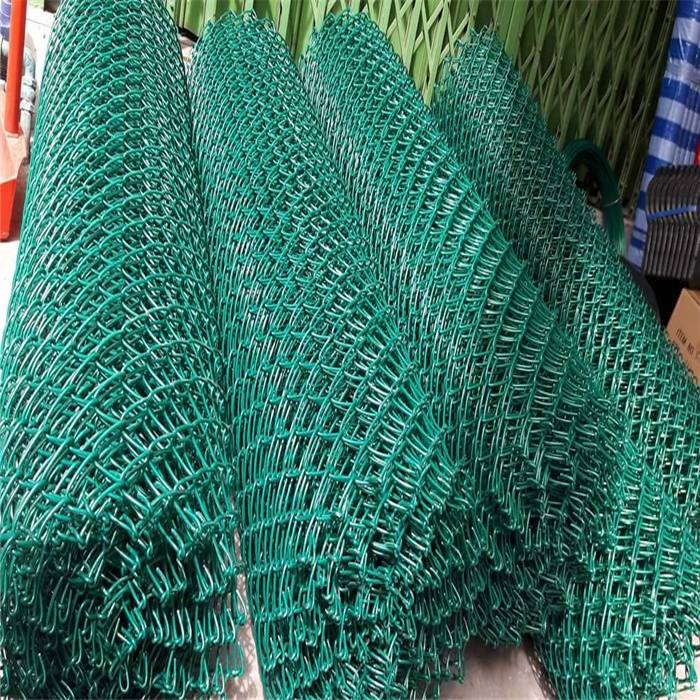
Depending on how it’s manufactured (woven vs. welded), metall mesh can be quite bendable or rigid as a steel panel. This flexibility determines its adaptability—wires for temporary fencing, welded panels for permanent structures.
4. Corrosion Resistance and Coatings
Coatings and metal choice affect lifespan. Stainless steel meshes resist rust highly but cost more, while galvanized meshes offer affordability with moderate corrosion resistance.
5. Customization & Scalability
Many users today look for customized mesh to meet specific project demands, from special alloys to sizes and shapes. Vendors often provide tailored solutions to scale from small-scale protective cages to massive industrial mesh fencing.
Real-World Uses of Metall Mesh
The scope is impressive: construction porosity control, wildlife fencing, civil engineering reinforcements, and even aerospace filtering systems.
- Construction & Urban Infrastructure: Reinforced concrete structures globally rely on metall mesh to enhance tensile strength. Especially in earthquake-prone areas, the flexibility plus tensile strength combo is crucial.
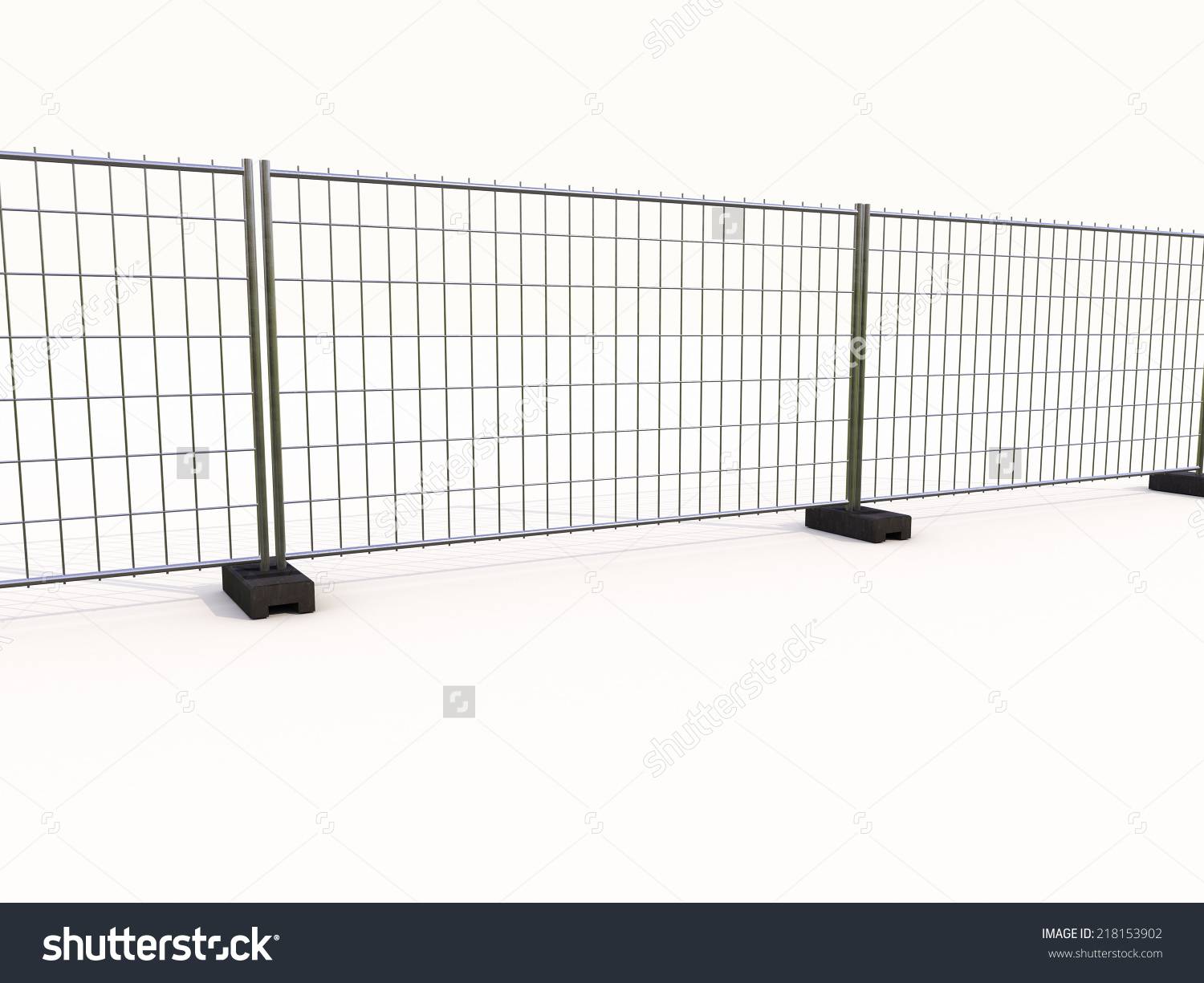
- Post-Disaster Relief Operations: Quick assembly fencing often uses metall mesh to secure sites or form temporary shelters. Because it's lightweight yet sturdy, teams can transport and deploy it swiftly.
- Industrial Safety: Machinery guards with fine metall mesh prevent accidents while allowing airflow and visibility.
- Environmental Protection: Coastal erosion barriers or flood control grids often use metal mesh to stabilize soil and water flows.
- Agriculture: Keeping crops safe from pests or creating vineyard trellises involves mesh customization.
Regions like Southeast Asia, Europe, and North America have notable metall mesh adoption, often partnering with NGOs and construction firms to set standards that last decades.
Typical Metall Mesh Specifications Table
| Specification | Details |
|---|---|
| Material | Stainless Steel / Galvanized Iron / Aluminum |
| Mesh Size | 0.5 inches to 4 inches (customizable) |
| Wire Gauge | 12 to 24 gauge |
| Coating | Powder coat, galvanization, or bare metal |
| Finish | Smooth or serrated edges |
| Dimensions | Standard panels 6 ft x 8 ft or custom |
Comparing Top Metall Mesh Vendors
| Vendor | Product Range | Customization | Lead Time | Price Level |
|---|---|---|---|---|
| SteelGrid Works | Standard & Heavy-Duty Mesh | Yes - All Sizes & Coatings | 2-3 weeks | Mid to High |
| MetroMetal Mesh Co. | Lightweight & Security Mesh | Limited Custom Sizes | 1-2 weeks | Low to Mid |
| Global Mesh Solutions | Industrial & Specialty Mesh | Highly Customizable | 4-5 weeks | High |
How Metall Mesh Brings Value: The Advantages
Well, for one, its cost-efficiency is difficult to beat. Compared to solid steel plates or reinforced concrete barriers, metall mesh saves tremendous material and shipping costs, yet maintains mechanical integrity. Think about fencing a 1,000 square foot area: using metall mesh means less weight and faster installation.
Sustainability also comes into play. Many metall meshes come from partially recycled metals, and their long lifespan reduces the need for frequent replacement. This equals lower waste—and many companies now align their procurement strategies with ISO 14001 environmental standards by choosing metall mesh.
On the social side, its use in disaster relief and temporary housing gives affected populations safety and dignity. I noticed in several humanitarian reports that metall mesh fencing not only creates boundaries but also a sense of order and security where it’s desperately needed.
And yes, the reliability means less maintenance and fewer surprises down the road. Many users report that once installed, metall mesh fences and barriers require minimal upkeep — which is a blessing in regions where maintenance funds are tight.
Looking Ahead: Metall Mesh Innovations on the Horizon
The future feels exciting. Beyond traditional metals, engineers are experimenting with composite metall meshes embedded with nano-coatings for self-cleaning and rust prevention. Integration with smart sensors could mean self-monitoring fences that alert owners about breaches or structural weaknesses.
Green energy fields may soon feature metall meshes optimized for solar farms—acting as not only physical barriers but also grounding systems, crucial in minimizing electrical hazards.
Since digital transformation is everywhere, expect to see more automation in mesh production, ensuring precision and customization are more accessible, especially for small-scale projects.
Overcoming Challenges
Despite all these perks, metall mesh isn’t without its quirks. Cost can sometimes spike, especially with high-grade stainless steel or specialty coatings. Deliveries might get delayed due to complex custom orders or global metal price fluctuations. And let’s not forget installation labor: big panels can be heavy and unwieldy.
These are manageable though. Recent advances in modular panel systems cut down installation times significantly. And vendors offer pre-fabricated, lighter mesh varieties focused on ease of transport.
Supplier relations and local sourcing also help reduce lead times—a practice increasingly recommended by industry bodies worldwide. So yes, challenges exist but so do plenty of smart solutions.
Frequently Asked Questions About Metall Mesh
- Q1: What are the main differences between woven and welded metall mesh?
- A: Woven mesh involves spinning wires like fabric to create a flexible net; welded mesh uses spot welding at intersections to form rigid panels. Woven is better for filtration and flexibility; welded is preferred for structural support and fencing.
- Q2: How long does metall mesh typically last outdoors?
- A: Lifespan varies with material and coating but can range anywhere from 10 to over 50 years. Stainless steel meshes last longest but come at a premium. Regular galvanization offers decent mid-term durability.
- Q3: Is metall mesh suitable for security fencing in harsh climates?
- A: Absolutely. When coated correctly and fabricated from corrosion-resistant metals, metall mesh fencing resists rust, UV damage, and mechanical wear, making it ideal for deserts, coasts, and industrial zones.
- Q4: Can metall mesh be customized for specific industrial needs?
- A: Yes, most vendors provide customized mesh sizes, gauge thicknesses, and coatings to tailor the mesh for filtration, reinforcement, or security properties.
Wrapping Up: Why Metall Mesh Still Holds the Edge
So here’s the bottom line: metall mesh offers a balance of cost, strength, and versatility not many materials can match. Whether you’re involved in building skyscrapers, securing a farm, or coordinating disaster relief, metall mesh quietly but firmly supports your goals. It enables safety without excess bulk, durability without exorbitant cost, and customization without complexity.
Interested in exploring metall mesh options tailored for your needs? Visit our website at https://www.chbarrier.com for in-depth product details, vendor contacts, and expert advice.
Latest News About CHENG CHUANG
-
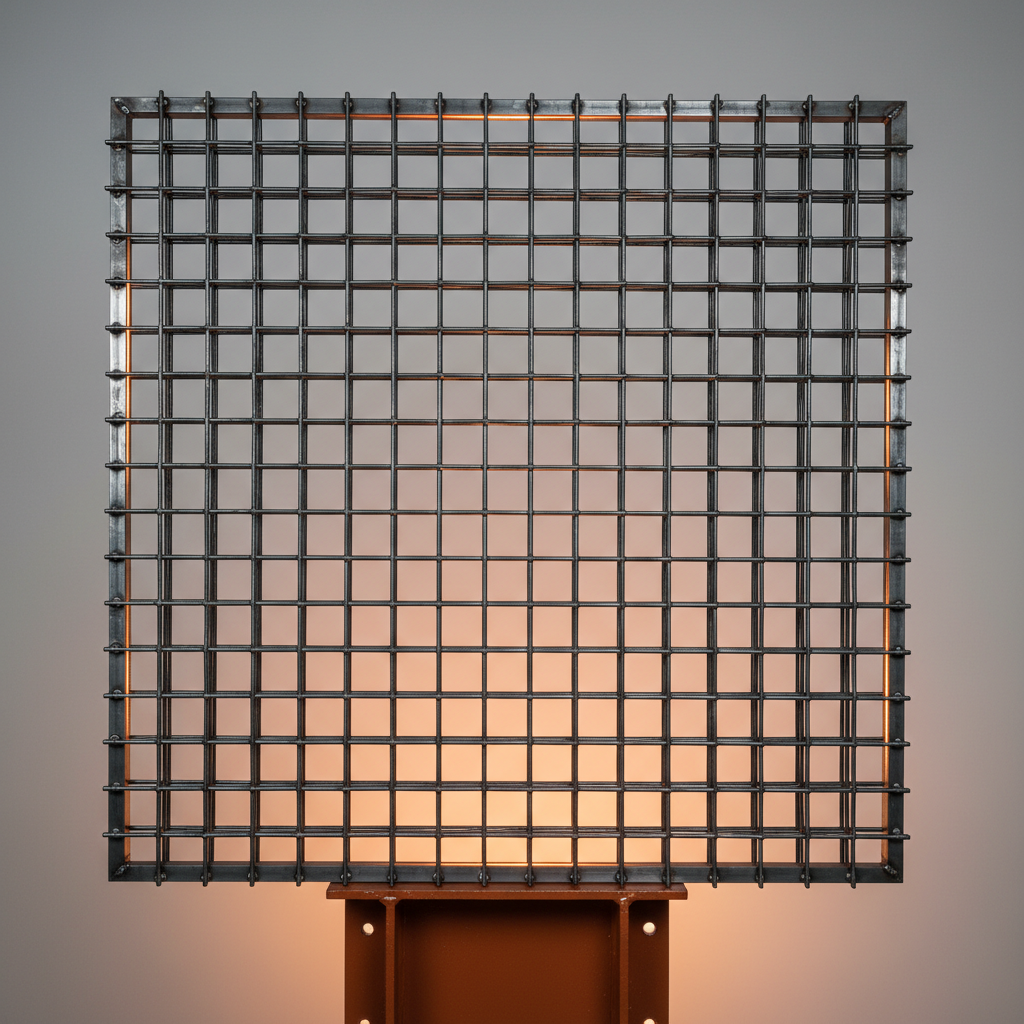 Heavy Duty 6 gauge welded wire mesh for Security and StrengthWhen it comes to heavy-duty containment, security, and structural reinforcement, choosing the right material is critical. The 6 gauge welded wire mesh stands as a premier choice for those requiring a balance of extreme rigidity and precise spacing. Whether you are securing a commercial perimeter, building industrial livestock panels, or creating reinforced concrete structures, this specific thickness provides the structural integrity needed to withstand significant pressure and impact. In this comprehensive guide, we will explore the technical specifications, primary applications, and why this mesh is the gold standard for high-security fencing solutions.Read more >
Apr 16 2026
-
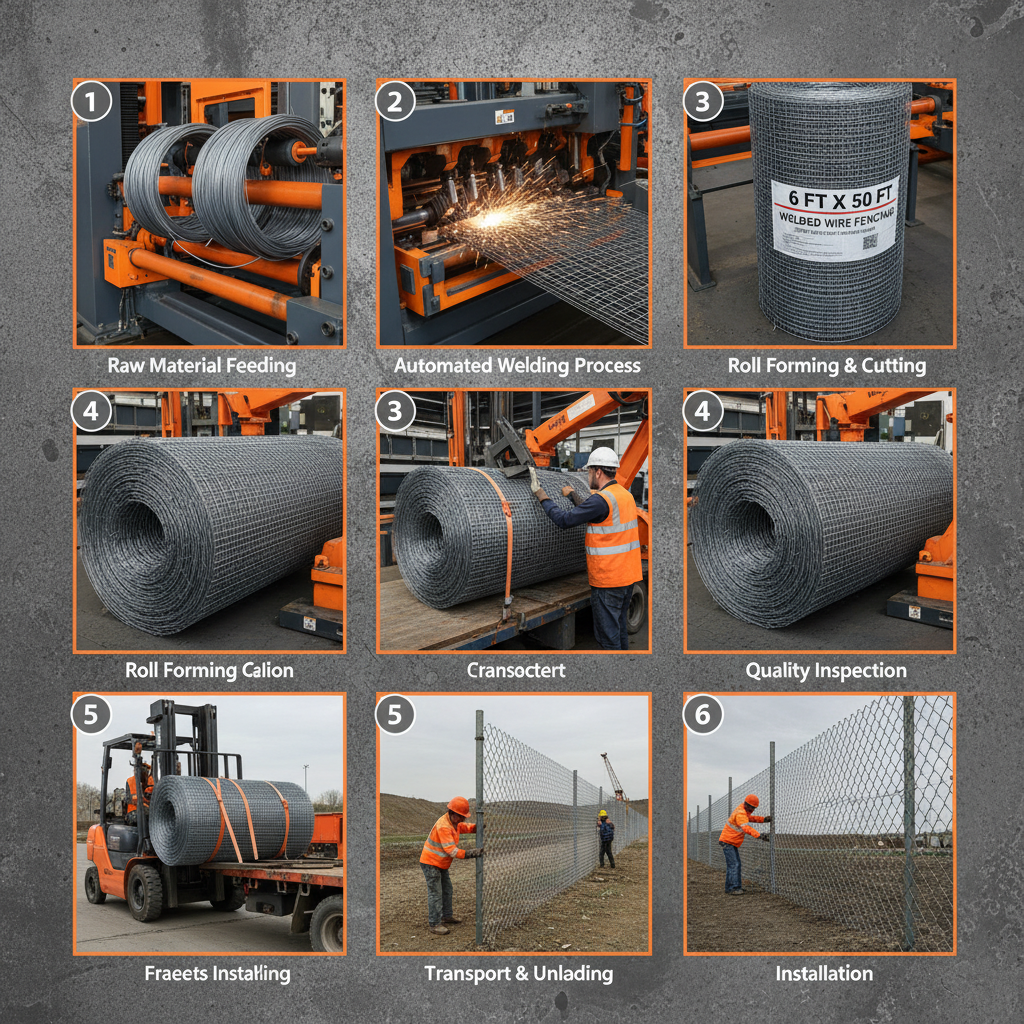 Durable 6 ft x 50 ft welded wire fencing for Security and GardensWhen it comes to securing a perimeter, whether for agricultural use, garden protection, or industrial boundaries, the dimensions and material of your fence matter. The 6 ft x 50 ft welded wire fencing offers an ideal balance of height and length, providing a robust barrier that is easy to install and maintain. Choosing a welded wire system ensures that the intersections are fused together, preventing the shifting and sagging often found in woven alternatives. In this guide, we will explore why this specific size is a preferred choice for property owners and how to maximize its effectiveness for your specific project.Read more >
Apr 09 2026
-
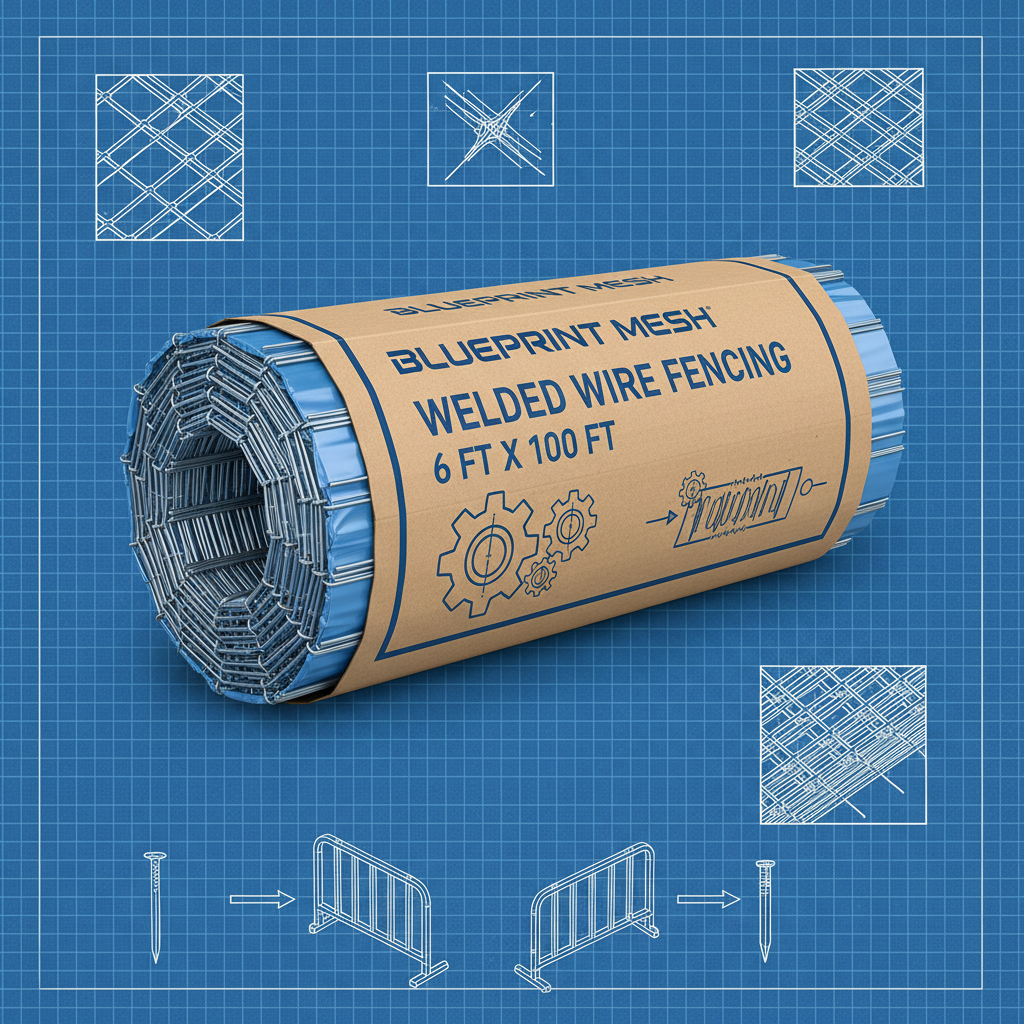 Comprehensive Guide to Choosing the Best 6 ft x 100 ft Welded Wire FencingWelded wire fencing is a versatile and cost-effective solution for a wide range of applications, from agricultural containment to residential security. Understanding the nuances of different types, especially when considering a size like 6 ft x 100 ft welded wire fencing, is crucial for making the right investment. This article will guide you through the essential factors to consider, helping you select the fencing that best suits your specific requirements.Read more >
Apr 07 2026
-
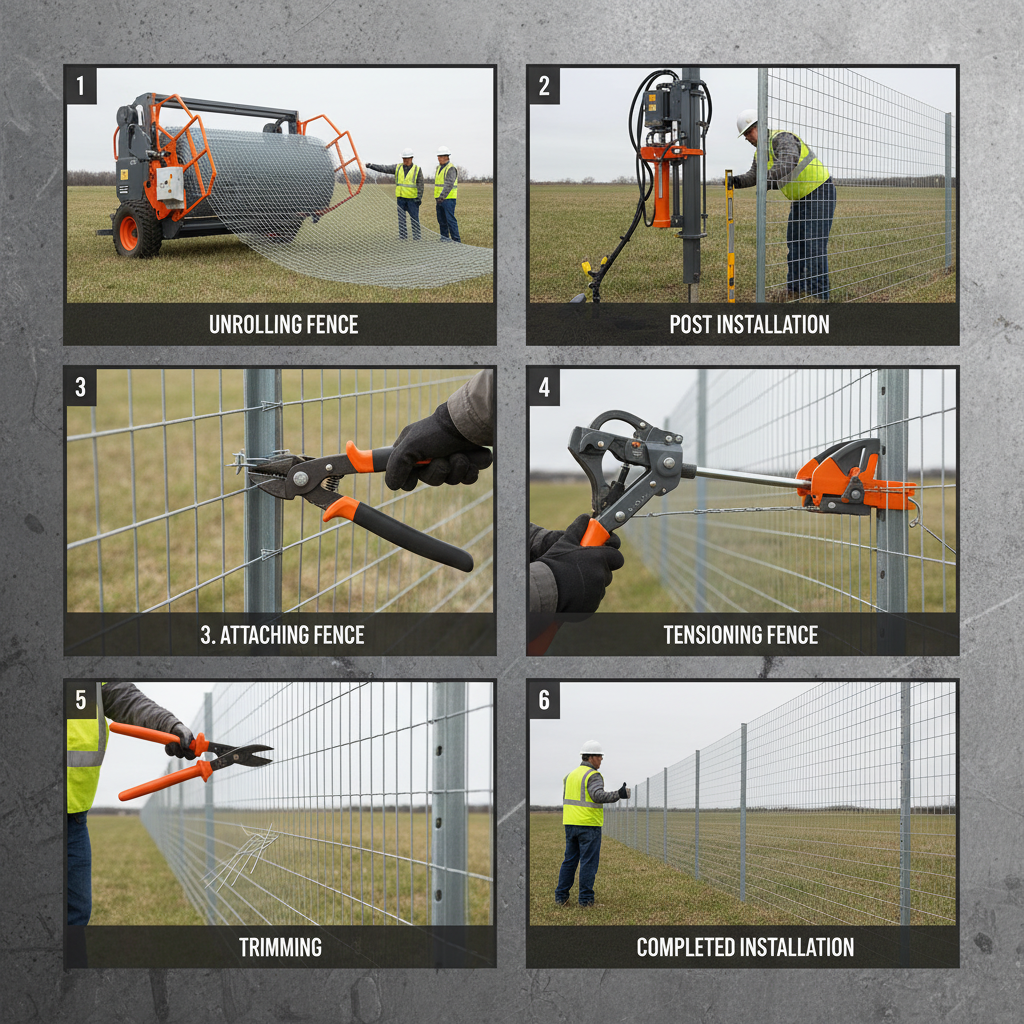 Comprehensive Guide to Choosing a 6 ft x 100 ft 12.5 Gauge Welded Wire FenceSelecting the appropriate fence for your property requires careful consideration. A 6 ft x 100 ft 12.5 gauge welded wire fence offers a robust and versatile solution for a variety of applications, from pet containment to garden protection and security. This guide will explore the benefits, applications, installation tips, and considerations when choosing this type of fencing. Understanding its construction and comparing it to other fencing options will help you make an informed decision.Read more >
Apr 04 2026
-
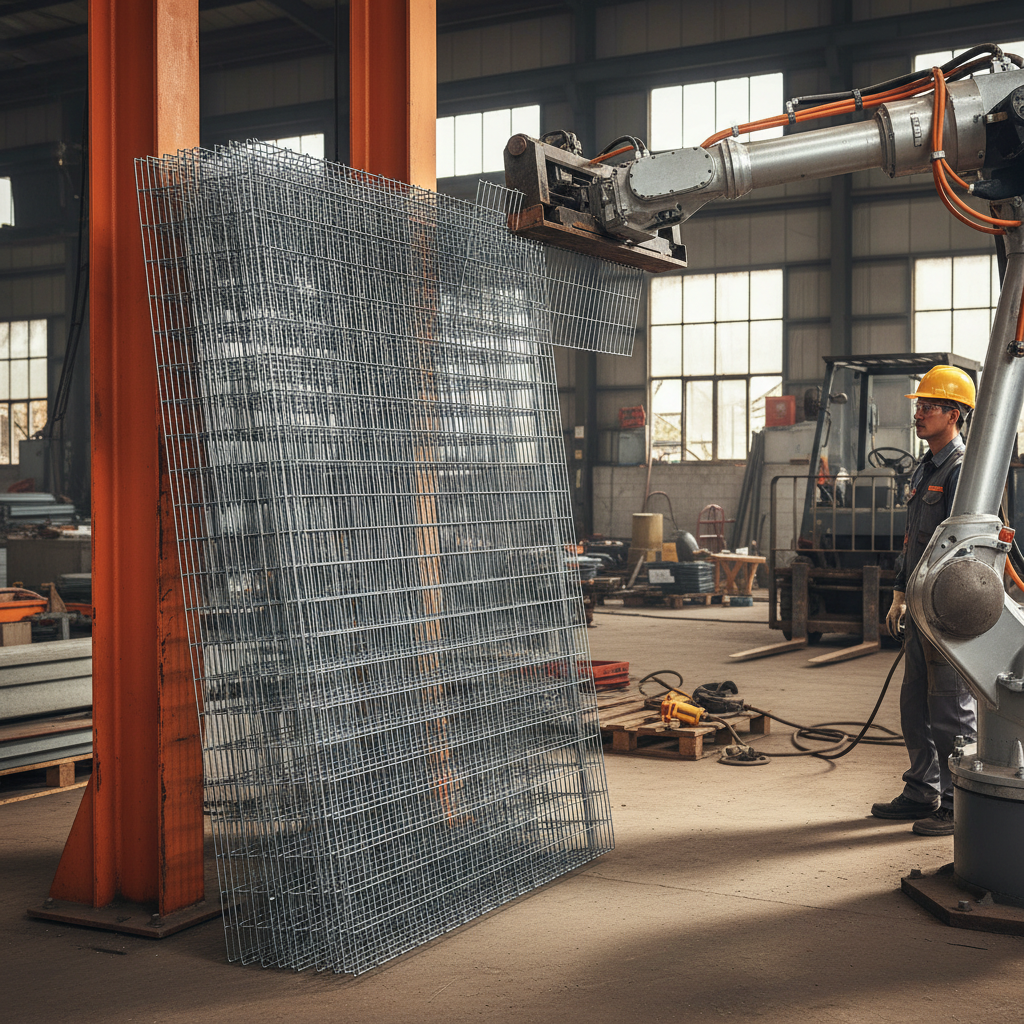 Comprehensive Guide to Durable 6 ft Welded Wire Fencing Panels and ApplicationsWhen selecting fencing for your property, 6 ft welded wire fencing panels offer a robust and versatile solution. These panels combine strength, security, and ease of installation, making them a popular choice for both residential and commercial applications. This article delves into the benefits, applications, installation, and maintenance of these panels, helping you make an informed decision.Read more >
Mar 31 2026