


Durable Plastic Coated Wire Mesh Panels for Global Industrial & Humanitarian Use | ChCh Fence
Nov . 30, 2025 18:35
What Are Plastic Coated Wire Mesh Panels and Why They Matter Globally
If you’ve ever wandered around a construction site, a sports stadium, or even a farm, chances are you've seen wire mesh panels holding up fences, partitions, or cages. Plastic coated wire mesh panels are essentially these grids of metal wires, thoughtfully wrapped in a protective plastic coating—usually PVC or polyethylene. This fusion might sound simple, but its real impact? Pretty significant. They provide durability, resistance to weather, and safer edges, making them invaluable across industries worldwide. From safeguarding playgrounds in Canada to securing industrial zones in Southeast Asia, understanding these panels matters because they underpin community safety, infrastructure resilience, and even humanitarian relief projects. Grasping their uses and benefits sheds light on how small technical components can ripple out to global challenges like resource efficiency, environmental protection, and public safety. ---Introduction: The Global Story Behind Plastic Coated Wire Mesh Panels
Globally, as industrialization accelerates and urban sprawl spreads, demand for resilient, cost-effective materials is at an all-time high. According to ISO’s recent standards on construction materials, more than 40% of industrial infrastructure integrates some form of mesh or grid system—often enhanced with protective coatings. And the World Bank reports that fence materials in developing regions must endure harsh climates, pests, and vandalism while staying affordable. Yet a challenge arises: traditional steel meshes rust quickly, causing safety hazards and unexpected costs. Plastic coated wire mesh panels offer a clever answer. The coating guards against corrosion, extends lifespan, and often improves aesthetic appeal. But beyond that, they address a boundary bigger than fences—the balance between durability, cost, and ecological footprint, especially critical in places with limited maintenance budgets or where high humidity and salt exposure are the norm. In a nutshell: these panels are quietly helping fill a major global need for robust, sustainable fencing and material separation. ---What Exactly Are Plastic Coated Wire Mesh Panels?
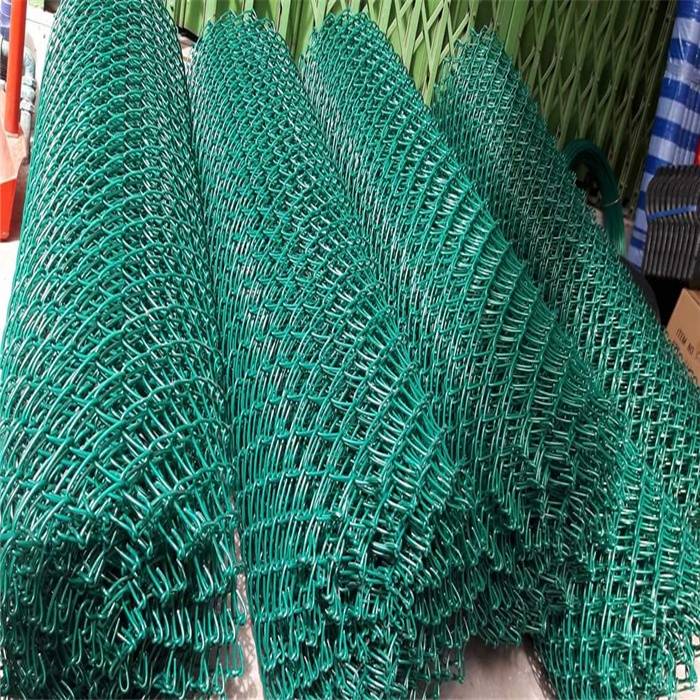
At heart, these panels are grids of interwoven steel wires. The twist? Each wire strand is covered with a thin layer of plastic—typically PVC (polyvinyl chloride)—making the panels tougher against rust, chemicals, and abrasion. The plastic doesn’t just act as a shield; it adds flexibility and color options, often green or black, to blend better into environments. Industries rely on these panels for everything from fencing livestock in rural areas to creating secure storage in warehouses. They strike a neat balance between metal’s strength and plastic’s adaptability—a combo that helps modern industries meet both safety standards and budget goals. Oddly enough, these have also found uses in humanitarian settings, like refugee camps, where fast, durable partitions are needed on the fly. ---Core Components Defining Plastic Coated Wire Mesh Panels
1. Durability
The steel wire is generally galvanized before coating, meaning it’s dipped in zinc to protect against rust. The plastic shell acts as an extra waterproof barrier. This two-step defense means panels can last 20+ years outdoors, even in punishing climates.2. Corrosion Resistance
Compared to bare metal meshes, plastic coated ones fare much better against moisture and chemicals. In coastal zones—think salt spray—they’re essential to prevent fast degradation.3. Safety & Handling
Bare wire mesh often has sharp edges that can be risky during installation or use. The plastic wrapping smooths these edges out, reducing injury risks for workers, animals, or children.4. Aesthetic Flexibility
Panels come in various colors that stay vibrant for years, allowing seamless integration with landscaping or branding—important for parks, zoos, or commercial properties.5. Cost Efficiency
Although coated panels cost more upfront than bare mesh, the extended life-cycle and reduced maintenance makes them surprisingly economical over time.6. Versatility
Available in multiple gauges, mesh sizes, and panel thicknesses, they adapt from heavy-duty security fences to lightweight garden trellises. Mini takeaway: These factors combine to make plastic coated wire mesh panels a highly adaptable choice in many sectors, ticking most boxes from durability to aesthetics. ---Real-World Uses of Plastic Coated Wire Mesh Panels
This is where the panels truly earn their salt. - Agriculture: Farmers use them for fencing crops or livestock, benefiting from corrosion resistance and strength against animal wear. - Industrial Zones: Factories employ these panels to section off equipment areas, preventing accidents without sacrificing airflow. - Sports Facilities: Tennis courts, soccer fields, and playgrounds often feature these panels because they endure weather and prevent ball loss. - Humanitarian Aid: NGOs like the UNHCR have employed them in refugee camps to quickly erect secure, modular partitions that respect privacy and safety. - Transportation Hubs: Airports and train stations use coated wire mesh for crowd management and security barriers. - Residential Fencing: Homeowners appreciate the clean look combined with longevity. For example, after the 2015 Nepal earthquake, disaster relief teams brought in plastic coated panels to rebuild secure perimeters that would weather monsoon seasons until permanent structures could be set up. In Nigeria, industrial parks near the coast rely on these panels to protect expensive equipment from humid, saline conditions. Mini takeaway: From remote villages to sprawling urban centers, these panels aren’t just fences—they’re infrastructure enablers supporting safety, economy, and dignity. ---Advantages and the Long-Term Value Proposition
When talking longevity and safety, these panels bring something real to the table. - Low Maintenance: No constant repainting or rust treatment saves money and time. - Sustainability: By extending the lifespan of fencing structures, there’s less frequent replacement waste. Plus, many coatings today meet environmental standards (e.g., ISO 14001). - Safety Enhancements: Smooth edges and visible colors reduce accidents and enhance trust for communities and workers. - Economic Gains: Reliable fencing makes theft harder, protects assets, and reduces insurance claims. - Emotional Comfort: Think about a playground enclosed in sturdy, visually pleasing mesh. Parents and kids feel safe, communities build trust. Oddly enough, these panels also embody a kind of modern pragmatism, balancing industrial needs with ecological constraints—something not always easy for building materials to achieve. ---Emerging Trends & Innovations Shaping the Future
The wire mesh industry isn’t stuck in the past. New directions include: - Eco-conscious Coatings: Biodegradable plastics and recycled materials starting to appear, cutting down on pollution. - Smart Mesh Integration: Embedding sensors in panels for security monitoring or structural health checks. - Automation in Manufacturing: Robot-welded panels improve precision and cut costs. - Modular Design: Panels engineered for ultra-quick assembly and disassembly—perfect for disaster zones needing fast deployment. - Energy Efficiency: Solar-charging fences or integrated lighting for enhanced nighttime visibility. In short, the humble coated wire mesh panel is quietly marching into the digital age... one mesh opening at a time. ---Challenges and How Industry Experts Address Them
Of course, nothing’s perfect. - Plastic Coating Damage: Scratches can expose metal beneath, leading to rust spots. - UV Degradation: Prolonged sun can embrittle some plastics. - Installation Training: Improper handling can negate safety benefits. - Cost Barrier: Initial investment higher than bare steel. Experts tackle these by improving coating formulas, adding UV stabilizers, offering extensive installer training, and developing financing schemes for bulk orders. ---Frequently Asked Questions About Plastic Coated Wire Mesh Panels
- Q1: How long do plastic coated wire mesh panels last outdoors? A: Typically, these panels last 15-25 years, depending on climate and maintenance. Proper installation and choosing the right coating thickness are key.
- Q2: Can I use them for animal enclosures? A: Absolutely. Their durability and smooth edges make them ideal for livestock and pets, reducing injury risks and withstanding biting or rubbing.
- Q3: Are they environmentally friendly? A: Many manufacturers now use eco-friendly coatings and recyclable materials, but always check certifications like ISO 14001 for assurance.
- Q4: How do plastic coated mesh panels compare cost-wise against galvanized only? A: Initial costs are higher by about 20-30%, but the lifespan and reduced maintenance typically make them more economical long-term.
- Q5: Can these panels be customized? A: Yes, they come in a range of mesh sizes, panel dimensions, and colors to meet specific project needs.
Product Specification Table
| Spec | Value |
|---|---|
| Wire Diameter | 2.0mm - 5.0mm |
| Mesh Size | 12mm x 12mm to 50mm x 50mm |
| Coating Type | PVC (Polyvinyl Chloride) |
| Color Options | Green, Black, Gray, Custom |
| Standard Panel Size | 2m x 3m (custom sizes available) |
| Operating Temperature | -40°C to +60°C |
Vendor Comparison at a Glance
| Vendor | Coating Technology | Custom Options | Typical Lead Time | Price Range |
|---|---|---|---|---|
| ChCh Fence | Advanced PVC with UV stabilizers | Yes, mesh sizes & colors | 2-4 weeks | Mid-Range |
| FencePro Inc. | Standard PVC coat | Limited | 3-5 weeks | Budget |
| SecureMesh Ltd. | Polyethylene coat, specialized for industrial | Yes | 4-6 weeks | Premium |
In Closing: Why Plastic Coated Wire Mesh Panels Are Worth Watching
At first glance, plastic coated wire mesh panels can seem like just “fencing stuff.” But in real terms, they’re a quiet backbone for safety, security, and environmental thinking worldwide. Their ability to balance durability with economy, safety with aesthetics, gives them a long-term niche in many sectors—from farms in Africa to stadiums in Europe, and emergency shelters around the world. For anyone laying plans for infrastructure, security, or even humanitarian aid, these panels are a sensible building block—versatile, reliable, and improving every year. If you’re curious to explore options or get a personalized quote, check out plastic coated wire mesh panels from trusted suppliers like ChCh Fence. ---References & Further Reading
Latest News About CHENG CHUANG
-
 2x2 welded wire mesh price: specify the 3D fence panel before comparing quotesPrepare a comparable 2x2 welded wire mesh price request with mesh size, wire diameter, panel dimensions, bends and post arrangement.Read more >
Nov 10 2026
-
 How to estimate the cost of welded wire fabric for SL reinforcing mesh panelsEstimate the cost of welded wire fabric by comparing SL62 to SL102 wire diameters, mesh openings, panel sizes, sheet mass, and project use.Read more >
Nov 04 2026
-
 High Security 358 Fecne FAQ: Specifications, Ordering and Support QuestionsAnswers to common questions about High Security 358 Fecne — covering mesh aperture, panel sizes, wire diameter, surface treatment options, post specs and customization. Sourced from confirmed product documentation.Read more >
Oct 29 2026
-
 Choosing Triangle Bending Fence / Garden Fence Low Price / Fencing Panels: Opening Size, Wire Diameter and ApplicationA practical selection guide for triangle bending fence / garden fence low price / fencing panels: compare mesh opening sizes, wire diameters, panel heights, surface treatments, and post types to find the right specification for your project.Read more >
Oct 27 2026
-
 Choosing a Hesco Wall Barrier: Application Fit and Specification ChecksCompare hesco wall barrier models ST-1 through ST-10 by height, width, wire coating, geotextile weight and mesh opening. Match the right configuration to military, flood control or retaining wall applications.Read more >
Oct 27 2026