


Durable and Sustainable Plastic Coated Mesh Solutions for Global Industries
Understanding Plastic Coated Mesh: A Global Perspective
Plastic coated mesh isn’t just another building material hustling for attention — it’s a quiet game changer on a global scale. From industrial fencing protecting vital infrastructure to humanitarian uses in disaster-hit regions, this mesh combines flexibility, durability, and cost efficiency in ways that traditional materials struggle with. As we face increasing urbanization, environmental concerns, and supply chain challenges, understanding what plastic coated mesh brings to the table helps industries and communities alike build smarter and safer.
Mini takeaway: Plastic coated mesh's growing global role blends performance with practicality, addressing both modern infrastructure needs and social challenges.
The Global Context of Plastic Coated Mesh
Worldwide demand for robust yet adaptable fencing solutions is booming — the global market for coatings alone recently crossed $30 billion, while the use of mesh across industries is driven by rapid urban expansion and enhanced security requirements (ISO 9001 standards highlight this trend for quality and durability). In agricultural zones from India to Brazil and security installations in Europe and North America, plastic coated mesh is found protecting assets, managing boundaries, and even optimizing supply chains.
One challenge it tackles — often understated — is how harsh environments and fluctuating logistics increase replacement costs and downtime. Plastic coated mesh’s corrosion resistance and longevity mitigate these pain points effectively, giving businesses a quiet edge in uncertain markets.
What Exactly Is Plastic Coated Mesh?
Put simply, plastic coated mesh is a grid of metallic wires enveloped in a polymer layer — usually polyvinyl chloride (PVC) or polyethylene (PE). This formulation keeps the wire from rusting, while adding a flexible, weatherproof skin. Modern industries appreciate that it's lightweight but tough, easy to transport, widely customizable, and recyclable in some contexts.
It’s no surprise humanitarian agencies often pack it alongside emergency shelters, using the mesh for fencing around temporary camps or livestock pens. The material’s adaptability lets teams react rapidly — something conventional steel fencing can’t match when time and logistics are tight.
Mini takeaway: Plastic coated mesh is essentially a metal mesh optimized with a protective polymer that suits both industrial and humanitarian demands alike.
Core Components That Define Plastic Coated Mesh
1. Durability
The PVC or PE layer fends off moisture, UV radiation, and chemical exposure, which usually cause rust and brittleness. Many engineers say this dramatically extends lifecycle, especially in coastal or industrial areas.
2. Flexibility and Strength
The wire’s tensile strength combined with the polymer jacket means the mesh bends without cracking — a highly desirable trait when installed on uneven terrain or under mechanical stress.
3. Cost Efficiency
While initially more expensive than bare wire mesh, the long-term savings due to less maintenance and lower replacement frequency make it financially attractive. Industries noticeably appreciate the ROI.
4. Scalability
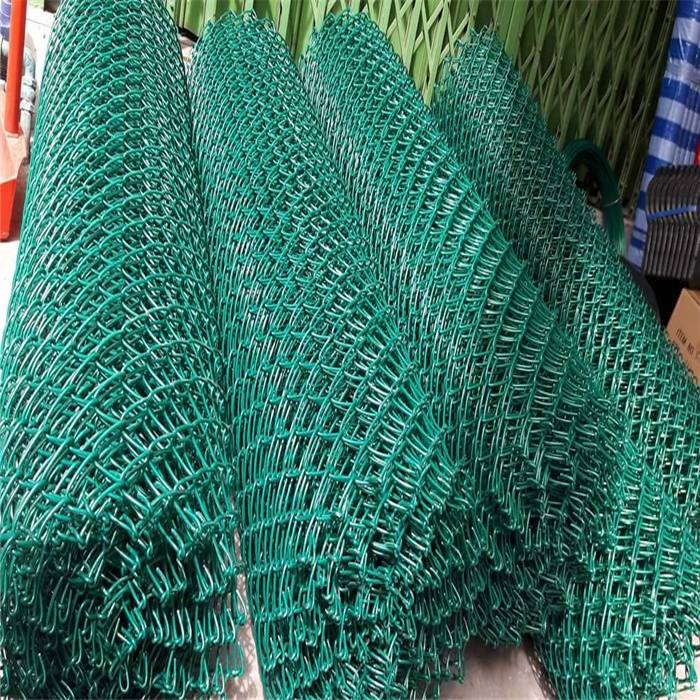
Available in rolls, sheets, and custom panels, it fits countless projects — from small farm fences to large perimeters around airports, industrial zones, or refugee camps.
5. Environmental Resistance
The mesh handles extremes — cold, heat, even salty air — without losing performance, which complements current sustainability goals worldwide.
Product Specification Table
| Specification | Description |
|---|---|
| Core Material | Galvanized Steel Wire |
| Coating | PVC or PE polymer, thickness 0.25–0.5mm |
| Mesh Size | 20mm to 100mm square openings |
| Roll Length | 25m to 50m |
| Wire Diameter | 2mm to 4mm |
| Colors | Green, black, white, custom upon request |
Global Applications: Where Plastic Coated Mesh Makes a Difference
Its applications span multiple domains, proving the material’s versatility. For instance:
- Agriculture: Protecting crops and livestock across Asia and South America where durable fencing is essential to reduce crop loss and animal theft.
- Security: High-security sites in the Middle East and Europe deploy it around airports, military bases, and utilities.
- Humanitarian Relief: Agencies like UNHCR often use it for quick-setup camp fencing in refugee zones, where rapid deployment and durability are key.
plastic coated mesh solutions are particularly favored. - Industrial: Mining and logistics companies in Australia use it to demarcate territory and secure heavy equipment.
Oddly enough, the mesh often fills gaps between supply chain efficiency and environmental durability — you can find it where conditions are harsh, and replacements costly.
Mini takeaway: The wide application canvas for plastic coated mesh proves it isn’t a niche but a cornerstone of many global infrastructure projects.
Advantages & Long-Term Value
When you step back and look at the total cost of ownership — the balance between upfront price and lifespan — plastic coated mesh usually wins. It’s not just the cost savings; safety and dignity also come into play. Proper fencing around homes and camps provides privacy and security, intangible benefits often ignored.
Organizations adopting this mesh enjoy fewer replacements and maintenance bouts, which means less environmental waste and less money spent over years — the kind of win-win sustainability experts preach about. Innovations driving colors and finishes to last longer also enhance aesthetic appeal, which is a surprisingly important factor in urban projects.
Vendor Comparison Table
| Vendor | Coating Type | Customization | Lead Time | Warranty |
|---|---|---|---|---|
| Chch Fence Co. | PVC, UV Stabilized | Color, mesh size, roll length | 3-4 weeks | 5 years |
| Global Mesh Supplies | PE, Standard | Only standard options | 6-7 weeks | 3 years |
| EcoFence Systems | Bio-based PVC blend | Color, thickness, eco-certification | 4-5 weeks | 7 years |
Looking Ahead: Future Trends in Plastic Coated Mesh
The green wave is pushing manufacturers towards bio-based and recyclable polymers. Soon, we might see mesh combining solar-activated coatings or digital sensors embedded for smart perimeter monitoring. Automation in production is already boosting consistency and reducing defects — you might say the mesh of tomorrow is smarter, greener, and more custom-tailored.
Also, policies tightened by international bodies like the ISO and UN’s environmental programs encourage transparent sourcing and sustainable disposal methods, which could influence vendor choices and manufacturing more deeply in years to come.
Challenges and How Experts Are Tackling Them
No material is perfect. Plastic coated mesh can become brittle under extreme cold or lose some flexibility if the coating is too thin. Improper installation and poor maintenance are other stumbling blocks. Fortunately, many suppliers now offer installation training and improved formulations that resist cracking and fading more effectively.
New composite coatings with enhanced UV and chemical resistance also help overcome previous limitations, and recycled content helps align the product with circular economy principles. It’s a work in progress, but the momentum is unmistakable.
FAQ: Practical Questions About Plastic Coated Mesh
- Q: How does plastic coated mesh compare with bare galvanized wire mesh in corrosive environments?
- A: The plastic coating significantly reduces corrosion by preventing direct moisture and oxygen contact with the steel wire. This prolongs lifespan especially in salty or industrial areas, reducing maintenance.
- Q: Can I customize the color and size of the plastic coated mesh?
- A: Yes, many vendors offer custom colors (green, black, white, etc.) and mesh sizes depending on your project needs. This also helps blend fencing into the environment aesthetically.
- Q: Is plastic coated mesh recyclable or eco-friendly?
- A: The metal core is recyclable, but the polymer coating can complicate recycling. Emerging bio-based coatings and programs for separation are improving the environmental profile.
- Q: What’s the typical lifespan of properly installed plastic coated mesh?
- A: Under normal conditions, it can last between 8 to 15 years — sometimes longer with proper maintenance.
- Q: How quickly can plastic coated mesh be delivered for urgent projects?
- A: Lead times vary by vendor and customization level, but standard orders often ship within 3 to 7 weeks. Emergency or stock items may be faster.
Wrapping It Up: Why Plastic Coated Mesh Matters Long-Term
When you think about fencing solutions, plastic coated mesh may not be the flashiest option, but it’s reliable, versatile, and smart — qualities that matter as infrastructure needs grow and budgets tighten. Its proven endurance in varied climates, coupled with evolving eco-conscious innovations, make it a worthwhile choice, whether you’re securing a farm, a factory, or a temporary camp.
Thinking about robust, flexible fencing that balances strength and cost? Take a closer look at plastic coated mesh. It might just be the unsung hero your project needs.
Mini takeaway: In a world that demands longevity, affordability, and sustainability, plastic coated mesh stands out as a practical solution worth considering now and well into the future.
References
Latest News About CHENG CHUANG
-
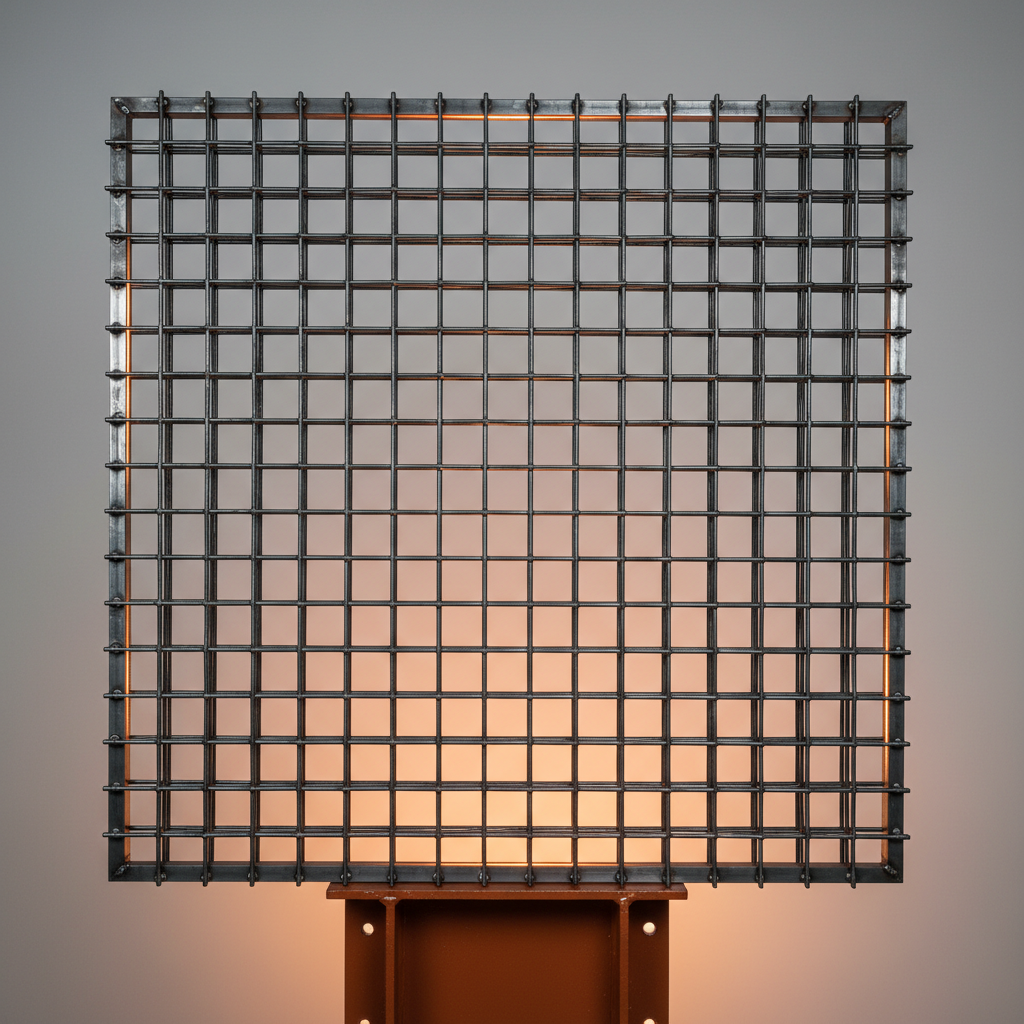 Heavy Duty 6 gauge welded wire mesh for Security and StrengthWhen it comes to heavy-duty containment, security, and structural reinforcement, choosing the right material is critical. The 6 gauge welded wire mesh stands as a premier choice for those requiring a balance of extreme rigidity and precise spacing. Whether you are securing a commercial perimeter, building industrial livestock panels, or creating reinforced concrete structures, this specific thickness provides the structural integrity needed to withstand significant pressure and impact. In this comprehensive guide, we will explore the technical specifications, primary applications, and why this mesh is the gold standard for high-security fencing solutions.Read more >
Apr 16 2026
-
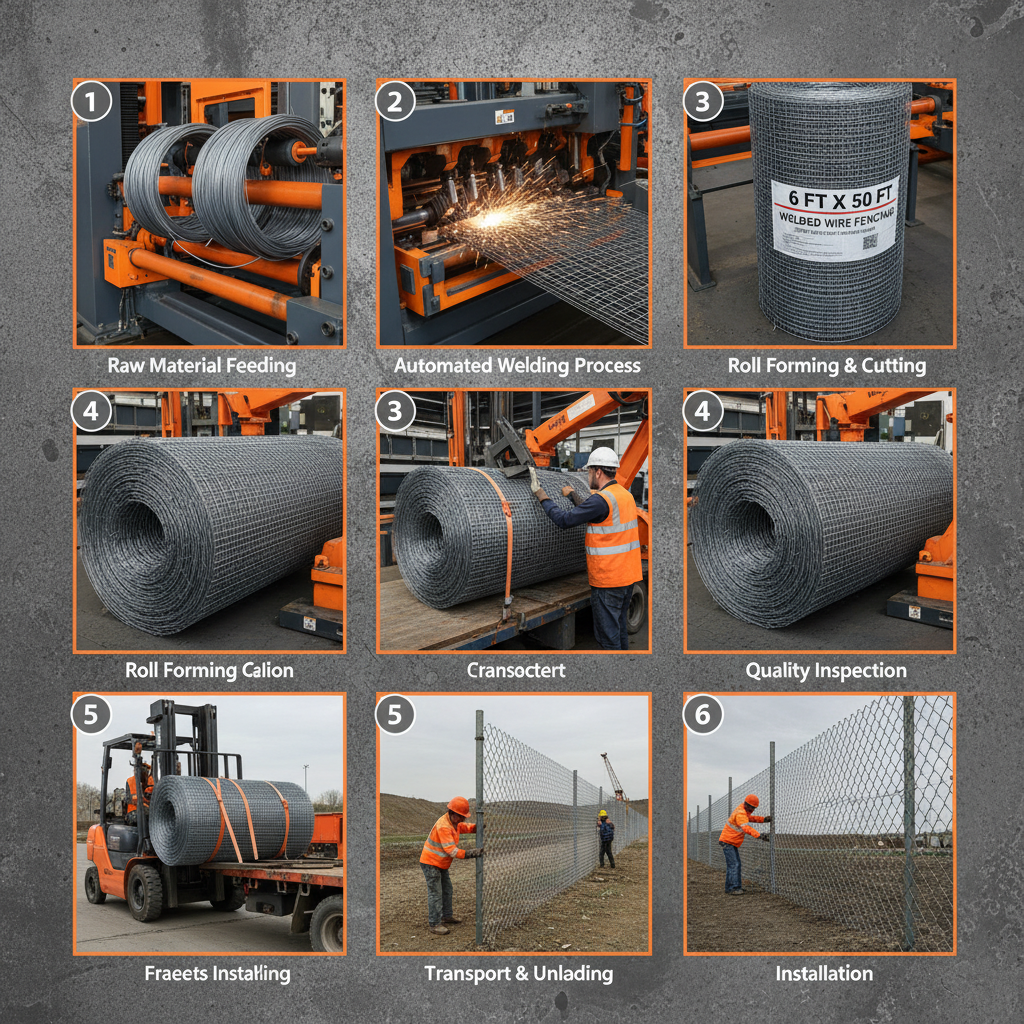 Durable 6 ft x 50 ft welded wire fencing for Security and GardensWhen it comes to securing a perimeter, whether for agricultural use, garden protection, or industrial boundaries, the dimensions and material of your fence matter. The 6 ft x 50 ft welded wire fencing offers an ideal balance of height and length, providing a robust barrier that is easy to install and maintain. Choosing a welded wire system ensures that the intersections are fused together, preventing the shifting and sagging often found in woven alternatives. In this guide, we will explore why this specific size is a preferred choice for property owners and how to maximize its effectiveness for your specific project.Read more >
Apr 09 2026
-
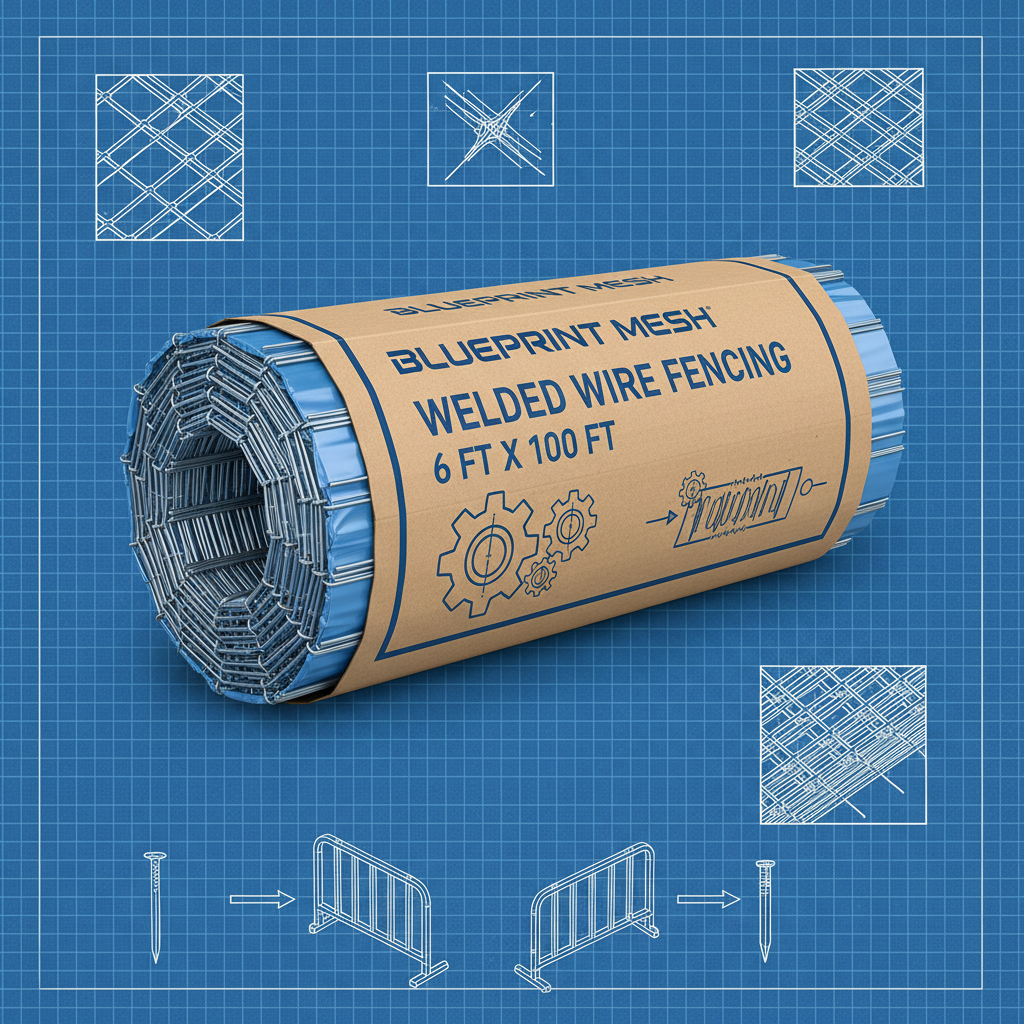 Comprehensive Guide to Choosing the Best 6 ft x 100 ft Welded Wire FencingWelded wire fencing is a versatile and cost-effective solution for a wide range of applications, from agricultural containment to residential security. Understanding the nuances of different types, especially when considering a size like 6 ft x 100 ft welded wire fencing, is crucial for making the right investment. This article will guide you through the essential factors to consider, helping you select the fencing that best suits your specific requirements.Read more >
Apr 07 2026
-
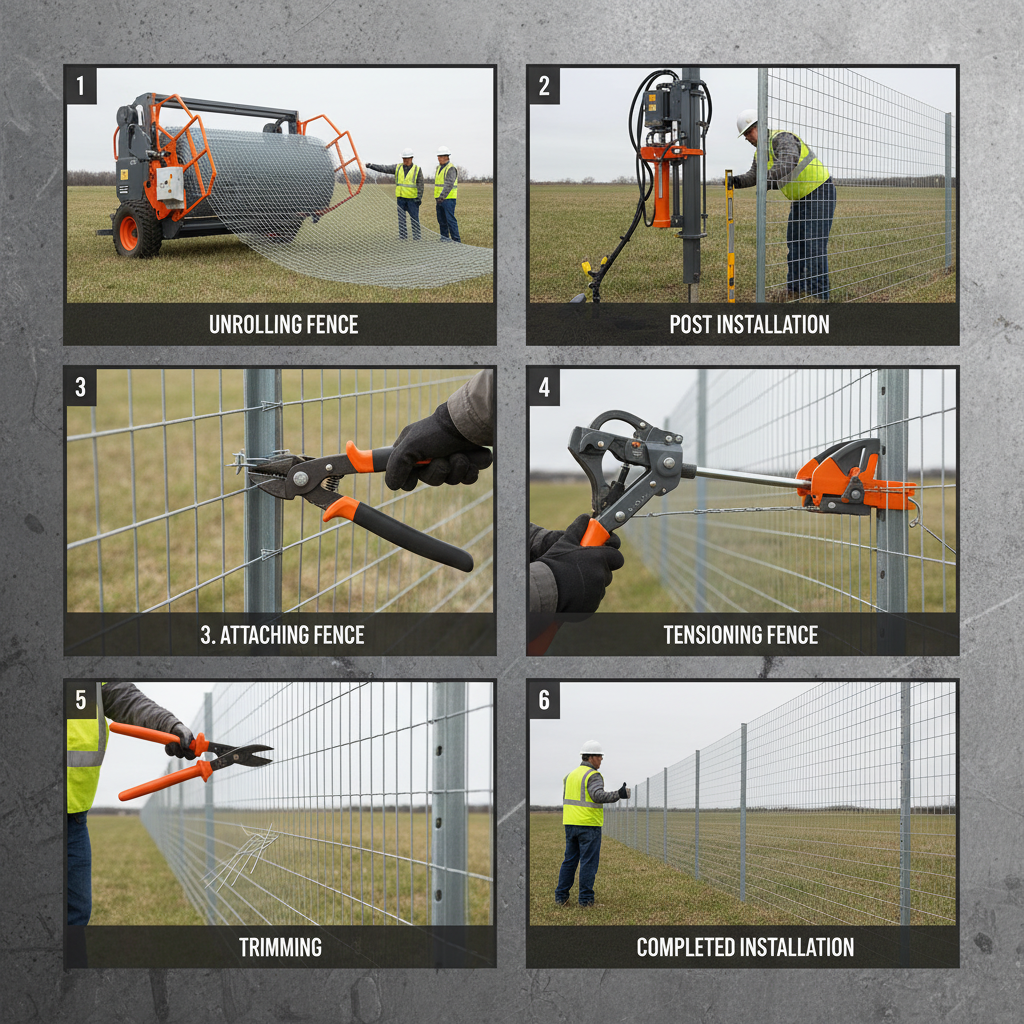 Comprehensive Guide to Choosing a 6 ft x 100 ft 12.5 Gauge Welded Wire FenceSelecting the appropriate fence for your property requires careful consideration. A 6 ft x 100 ft 12.5 gauge welded wire fence offers a robust and versatile solution for a variety of applications, from pet containment to garden protection and security. This guide will explore the benefits, applications, installation tips, and considerations when choosing this type of fencing. Understanding its construction and comparing it to other fencing options will help you make an informed decision.Read more >
Apr 04 2026
-
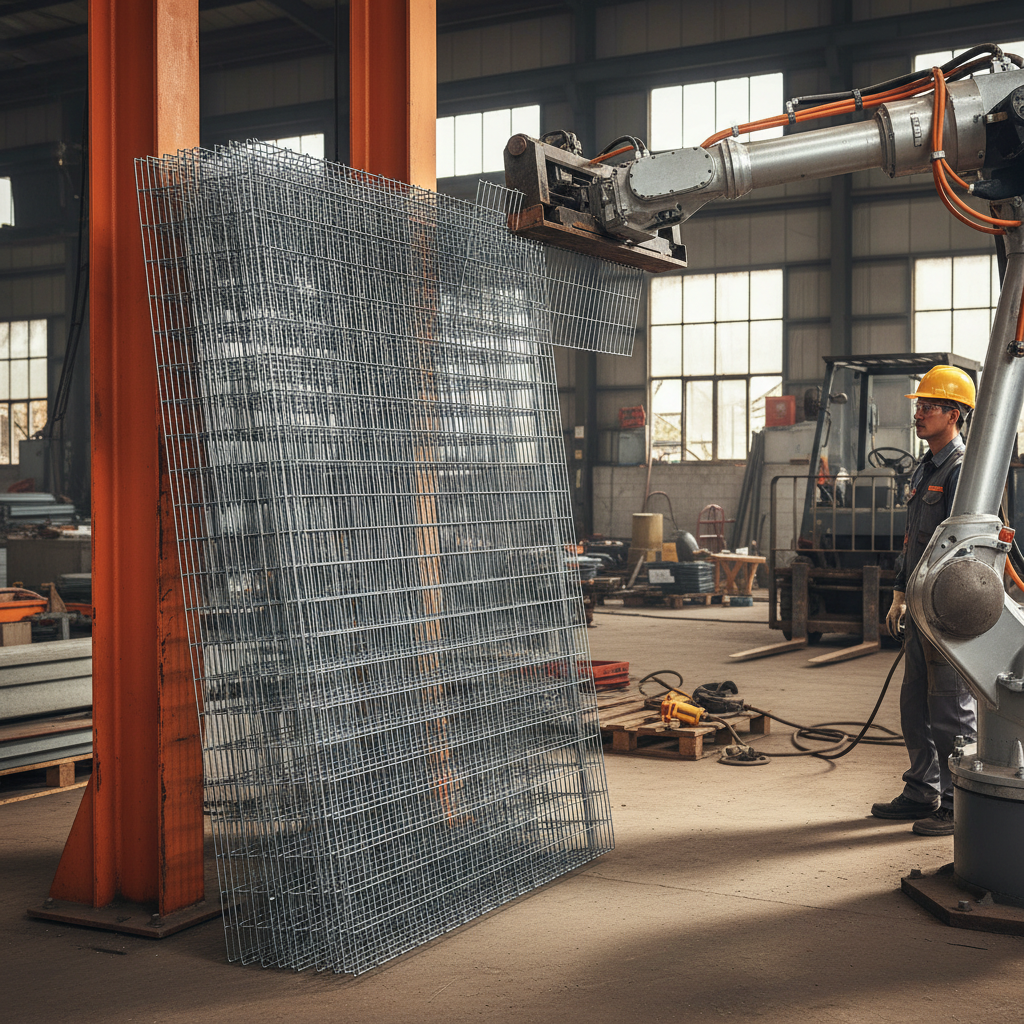 Comprehensive Guide to Durable 6 ft Welded Wire Fencing Panels and ApplicationsWhen selecting fencing for your property, 6 ft welded wire fencing panels offer a robust and versatile solution. These panels combine strength, security, and ease of installation, making them a popular choice for both residential and commercial applications. This article delves into the benefits, applications, installation, and maintenance of these panels, helping you make an informed decision.Read more >
Mar 31 2026