


Durable & Versatile Plastic Coated Hardware Cloth for Global Industries
Understanding Plastic Coated Hardware Cloth: Why It Matters Globally
Plastic coated hardware cloth might not be the first thing to spring to mind when thinking about global infrastructure or humanitarian efforts. Yet, this surprisingly versatile mesh plays a quiet but crucial role worldwide. From agricultural containment to post-disaster rebuilding, plastic coated hardware cloth combines durability with adaptability in ways few materials can match.
Why the fuss? Globally, billions depend on reliable fencing and protective materials to safeguard crops, livestock, and even safe zones within conflict or disaster-prone areas. The plastic coating adds an essential layer of weather resistance and longevity, cutting down maintenance costs and environmental waste in the long haul.
In short, grasping the nuances of plastic coated hardware cloth helps industries, NGOs, and governments streamline operations, reduce expenses, and most importantly, protect lives and livelihoods.
The Global Context: Where Plastic Coated Hardware Cloth Meets Real-World Challenges
The demand for sturdy fencing solutions surged by about 7% annually over the last decade, according to the International Trade Centre and ISO standards on building materials. It’s a response to growing urbanization, climate change impacts, and increased humanitarian aid efforts worldwide.
Oddly enough, while we often focus on high-tech solutions for infrastructure, materials like plastic coated hardware cloth quietly address everyday problems in a practical way. Consider flood control or even protecting fragile ecosystems — the coated mesh provides a reusable, corrosion-resistant barrier that stands up to harsh weather and chemical exposure.
However, the challenge remains: how to balance cost with performance, especially in less wealthy regions where maintenance budgets are tight? Plastic coated hardware cloth offers a sweet spot that helps organizations scale solutions without sacrificing quality or safety.
What Is Plastic Coated Hardware Cloth?
In simple terms, plastic coated hardware cloth is a wire mesh — usually made from galvanized steel — wrapped or dipped in a layer of plastic such as PVC or polyethylene. Think of it as a regular metal fence but with a protective skin that shields it from rust, UV damage, and physical wear.
This mesh’s versatility lends itself to countless uses, from agricultural fencing to cages, and even screening in construction. It’s also crucial in humanitarian work where quick, robust protection barriers are vital — securing shelters, creating safe zones, or protecting stored supplies in rugged environments.
Core Features That Make Plastic Coated Hardware Cloth Stand Out
1. Durability
The plastic coating dramatically extends the lifespan of the steel mesh, making it weatherproof and resistant to corrosion. Even in humid or saline environments, it holds up far better than bare metal options.
2. Flexibility and Scalability
Available in various roll sizes, mesh gauges, and plastic thicknesses, it’s possible to tailor the cloth to small gardens or huge industrial projects alike. Not many solutions combine this level of customization with consistent quality.
3. Cost-Effectiveness
Thanks to the plastic coating’s protective qualities, less frequent repairs and replacements keep ongoing costs manageable. This helps especially in disaster-prone or remote areas where maintenance crews can’t pop over anytime.
4. Safety and Environmental Resistance
The coating softens the feel of the wire, reducing injury risks to animals or workers. Plus, it often features UV stabilization to prevent cracking and degradation even after long exposures.
5. Easy Installation
The mesh remains lightweight yet firm, facilitating quick deployment — a real boon during emergency relief efforts or fast-paced construction projects.
Mini takeaway: Plastic coated hardware cloth delivers a practical mix of long-lasting protection, adaptability, and affordability that keeps industries moving forward.
How Plastic Coated Hardware Cloth Is Used Around the World
In agricultural zones across Asia and Africa, it protects fields from wild animals without harming them physically — a sustainable alternative to electric fencing. Meanwhile, in construction projects throughout Europe and North America, it serves as a sturdy reinforcement material and temporary site fencing.
Post-disaster relief missions, such as in the aftermath of hurricanes or floods in Central America, often rely on plastic coated hardware cloth to quickly erect protective barriers for roads, emergency shelters, or water supplies. Aid organizations appreciate its durability, light weight, and reusability.
Industrial zones in remote parts of Australia and Canada use it to safeguard sensitive equipment from intrusive wildlife and environmental hazards, where traditional materials might fail under extreme weather.
Advantages and Long-Term Value of Plastic Coated Hardware Cloth
- Cost savings: Fewer replacements mean long-term financial relief.
- Sustainability: The material’s lifespan helps reduce waste and environmental impact compared to uncoated wire.
- Social impact: Improving livestock protection supports rural communities’ livelihoods and food security.
- Reliability: Resistance to rust and UV exposure increases trust in the fencing’s integrity.
- Safety: A softer coating reduces injury risks for both humans and animals.
In real terms, using plastic coated hardware cloth isn’t just about better fences — it’s about safer communities and smarter resource management.
Looking Ahead: Innovations and Trends to Watch
Sustainability continues to drive industry improvements. New ECO-friendly plastic coatings are emerging, integrating biodegradable or recycled materials that promise the same durability with less environmental footprint.
Digital tracking of materials—embedding RFID tags in rolls—is another rising trend, helping large projects monitor fence conditions remotely and schedule maintenance precisely.
Finally, automated manufacturing promises more consistent product quality and cost reductions, potentially making plastic coated hardware cloth accessible to even more sectors worldwide.
Challenges and How the Industry Is Tackling Them
Despite its many benefits, plastic coated hardware cloth is not without limitations. Extreme abrasion or sharp impact can sometimes breach the coating, exposing metal beneath to rust. Another challenge is plastic degradation in areas with high heat fluctuations, which can cause brittleness over many years.
Innovators are tackling these by developing multilayer coatings and hybrid composites that combine plastic with rubber-like materials, improving elasticity and impact resistance. Adding UV inhibitors further delays breakdown in sunnier climates.
On the supply side, logistics hurdles in delivering large rolls to remote sites require better packaging and localized storage solutions, which NGOs and vendors are actively improving.
FAQ: Your Burning Questions About Plastic Coated Hardware Cloth
- What benefits does plastic coated hardware cloth offer over plain wire mesh?
- The plastic coating enhances corrosion resistance, extends lifespan, and reduces injury risks compared to bare wire. It also improves aesthetics and offers UV protection, which is essential for long-term outdoor use.
- How long can plastic coated hardware cloth last in harsh environments?
- Depending on the plastic type and thickness, coatings typically last 10–20 years before showing significant wear. Proper installation and maintenance can extend this considerably.
- Is it difficult to customize sizes and mesh patterns?
- Not at all. Manufacturers often offer varied mesh sizes, roll widths, and lengths. Many also provide custom orders for unique project requirements, balancing cost and supply chain factors.
- Can plastic coated hardware cloth be recycled?
- Yes, though recycling requires separating the plastic from the metal, which is more complex than bare wire. Emerging technologies and recycling programs are improving this process.
- Where can I buy reliable plastic coated hardware cloth?
- Trusted vendors specialize in quality certifications (like ISO 9001). For example, check products at plastic coated hardware cloth suppliers who provide detailed specs and support.
Conclusion: Why Plastic Coated Hardware Cloth Is an Unsung Hero
After tracing through its core properties, global uses, and future developments, it’s clear that plastic coated hardware cloth is more than just fencing mesh. It represents a practical solution to some of today’s pressing challenges — be it food security, disaster resilience, or sustainable construction.
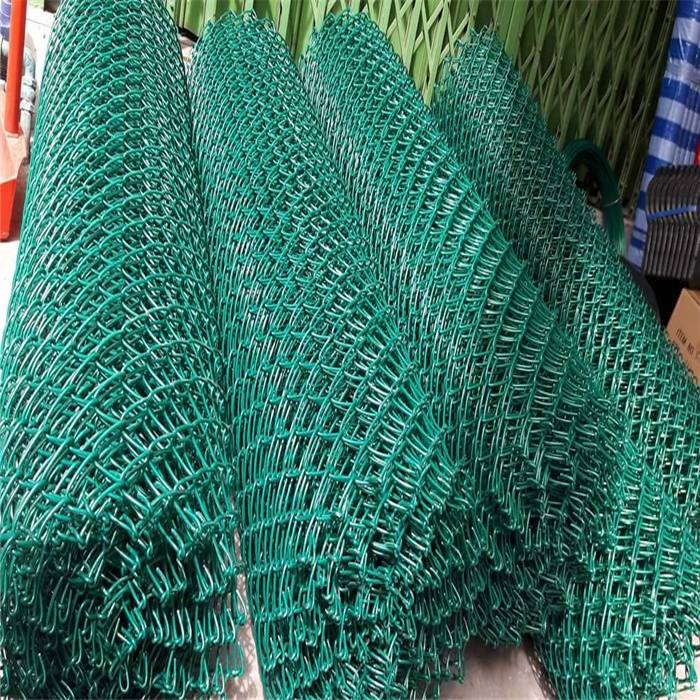
Next time you see a sturdy green-coated fence, you’ll know there’s more than meets the eye — a story of innovation, practicality, and global impact embedded in each wire strand.
If you’d like to learn more or explore product options, don’t hesitate to visit our website. There’s a lot beneath the surface of plastic coated hardware cloth, waiting to be discovered.
| Property | Range / Options | Comments |
|---|---|---|
| Wire Gauge | 16 - 22 Gauge (1.29mm - 0.71mm) | Thicker wire for heavy-duty uses |
| Mesh Opening Size | ½" to 2" (12.7mm - 50.8mm) | Customizable for animal containment or ventilation |
| Coating Type | PVC, Polyethylene, or Polypropylene | UV stabilized, weather resistant |
| Roll Size | 25 ft x 3 ft up to 100 ft x 6 ft | Flexible for different projects |
| Color Options | Green, Black, White, Custom | Blends with environment or matches branding |
| Feature | ChchFence | FenceWorld | AgriMesh Co. |
|---|---|---|---|
| Product Range | Wide (various gauges, coatings) | Medium (focused on standard sizes) | Narrow (specializes in agricultural uses) |
| Custom Orders | Yes | Limited | Yes, but longer lead times |
| Shipping Locations | Global | North America only | Africa & Asia focus |
| Pricing | Competitive, volume discounts | Mid-range | Higher (specialty products) |
| Customer Support | 24/7 technical assistance | Business hours only | Limited |
Final takeaway: Plastic coated hardware cloth quietly proves that innovation doesn’t always mean reinventing the wheel but often enhancing the simple, everyday things that keep the world running — resilient, safe, and a little bit greener.
References:
Latest News About CHENG CHUANG
-
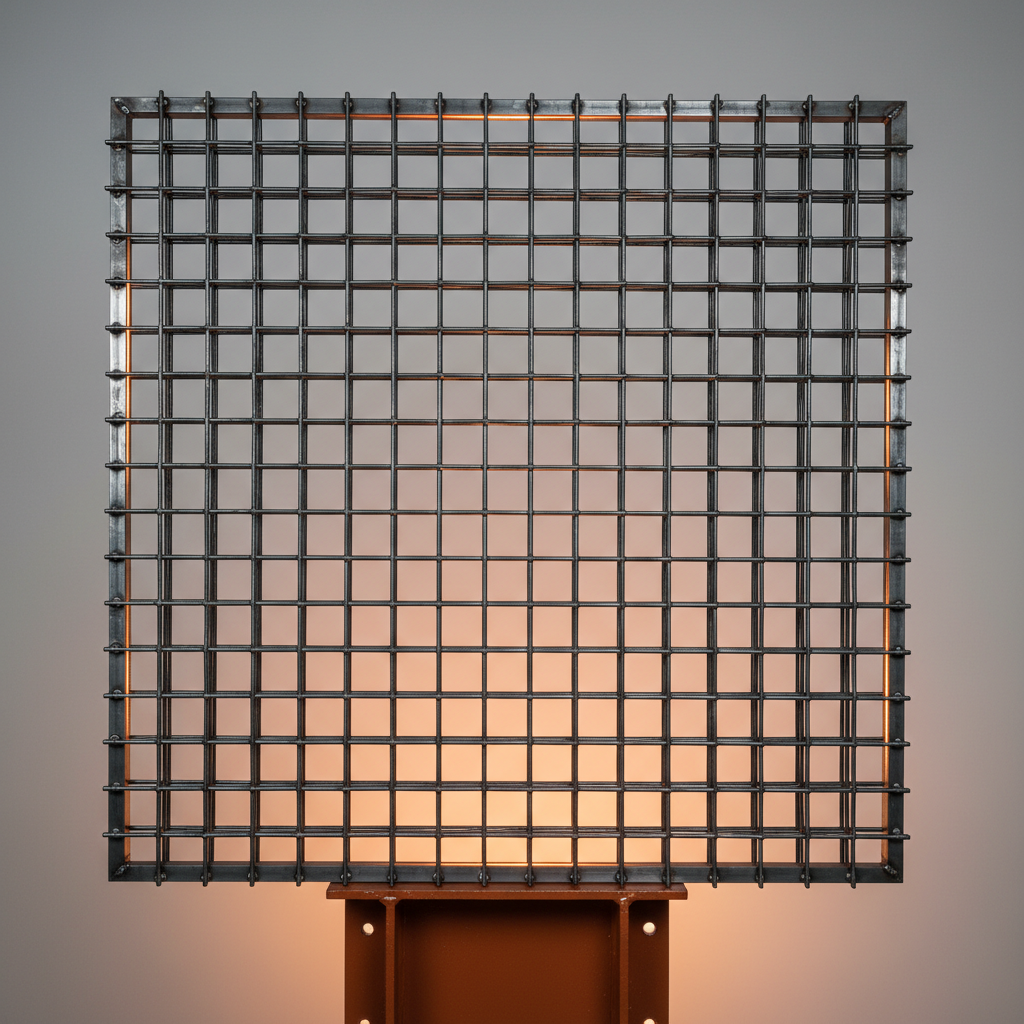 Heavy Duty 6 gauge welded wire mesh for Security and StrengthWhen it comes to heavy-duty containment, security, and structural reinforcement, choosing the right material is critical. The 6 gauge welded wire mesh stands as a premier choice for those requiring a balance of extreme rigidity and precise spacing. Whether you are securing a commercial perimeter, building industrial livestock panels, or creating reinforced concrete structures, this specific thickness provides the structural integrity needed to withstand significant pressure and impact. In this comprehensive guide, we will explore the technical specifications, primary applications, and why this mesh is the gold standard for high-security fencing solutions.Read more >
Apr 16 2026
-
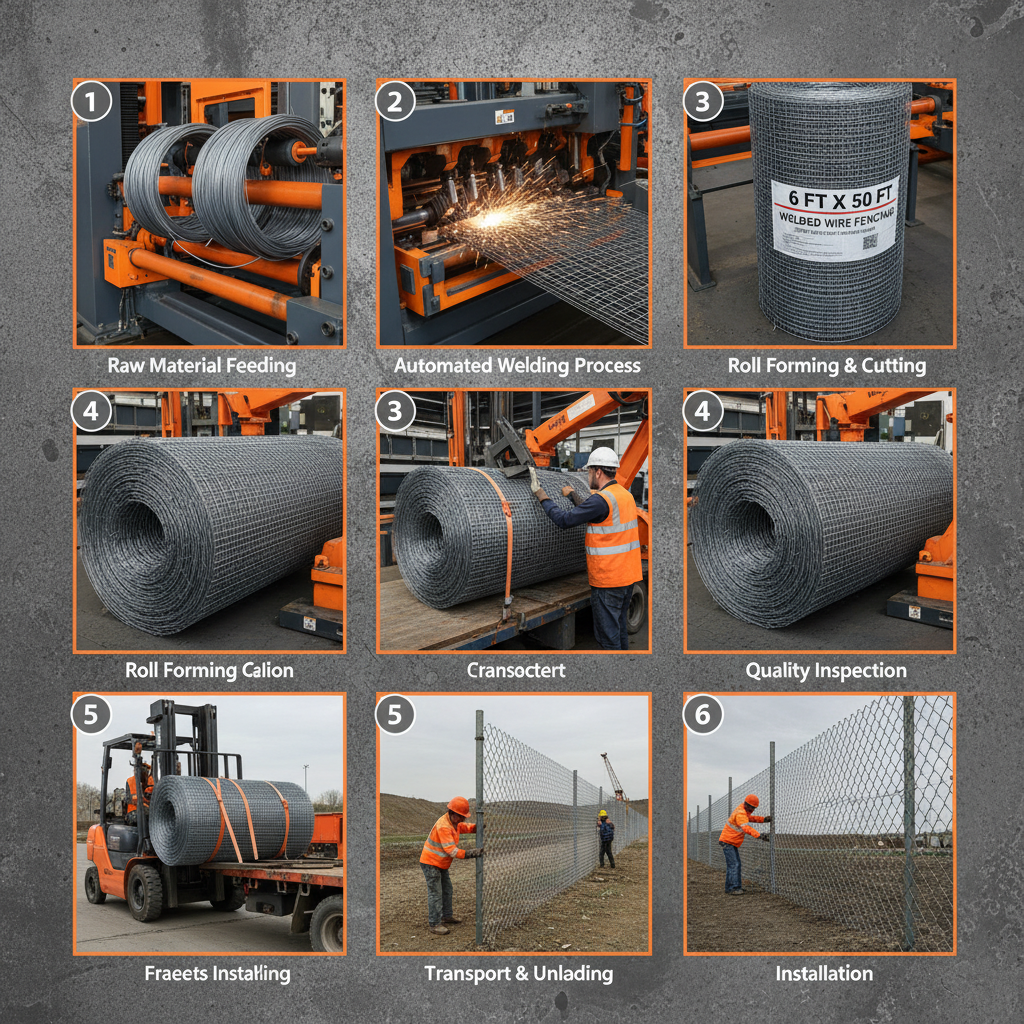 Durable 6 ft x 50 ft welded wire fencing for Security and GardensWhen it comes to securing a perimeter, whether for agricultural use, garden protection, or industrial boundaries, the dimensions and material of your fence matter. The 6 ft x 50 ft welded wire fencing offers an ideal balance of height and length, providing a robust barrier that is easy to install and maintain. Choosing a welded wire system ensures that the intersections are fused together, preventing the shifting and sagging often found in woven alternatives. In this guide, we will explore why this specific size is a preferred choice for property owners and how to maximize its effectiveness for your specific project.Read more >
Apr 09 2026
-
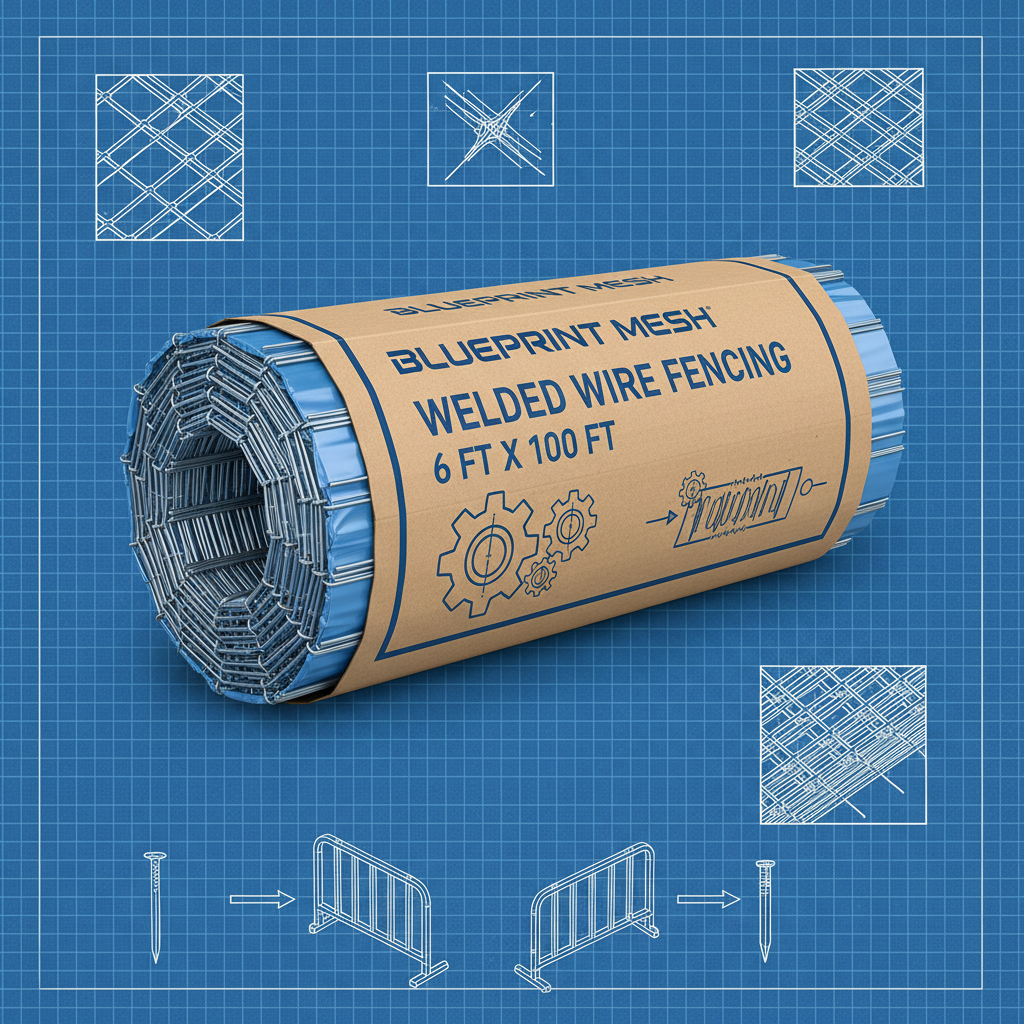 Comprehensive Guide to Choosing the Best 6 ft x 100 ft Welded Wire FencingWelded wire fencing is a versatile and cost-effective solution for a wide range of applications, from agricultural containment to residential security. Understanding the nuances of different types, especially when considering a size like 6 ft x 100 ft welded wire fencing, is crucial for making the right investment. This article will guide you through the essential factors to consider, helping you select the fencing that best suits your specific requirements.Read more >
Apr 07 2026
-
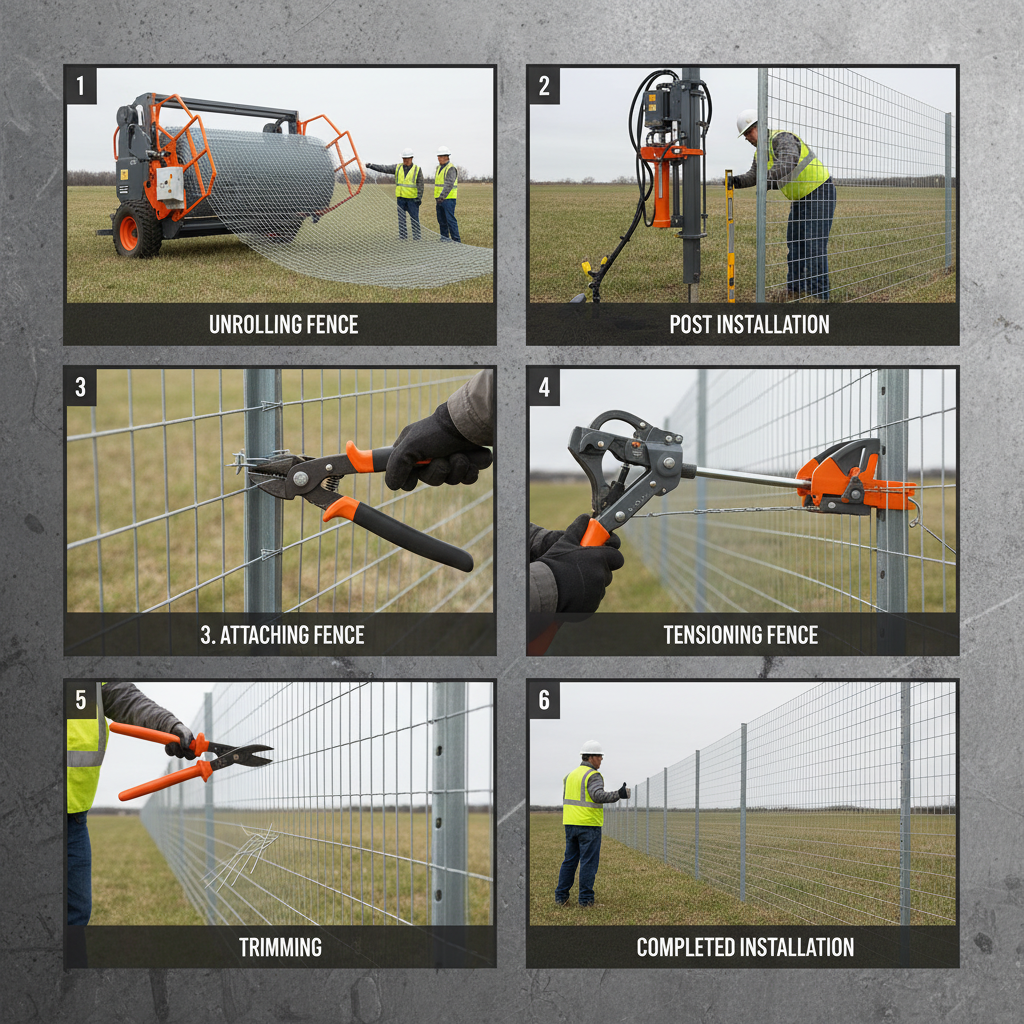 Comprehensive Guide to Choosing a 6 ft x 100 ft 12.5 Gauge Welded Wire FenceSelecting the appropriate fence for your property requires careful consideration. A 6 ft x 100 ft 12.5 gauge welded wire fence offers a robust and versatile solution for a variety of applications, from pet containment to garden protection and security. This guide will explore the benefits, applications, installation tips, and considerations when choosing this type of fencing. Understanding its construction and comparing it to other fencing options will help you make an informed decision.Read more >
Apr 04 2026
-
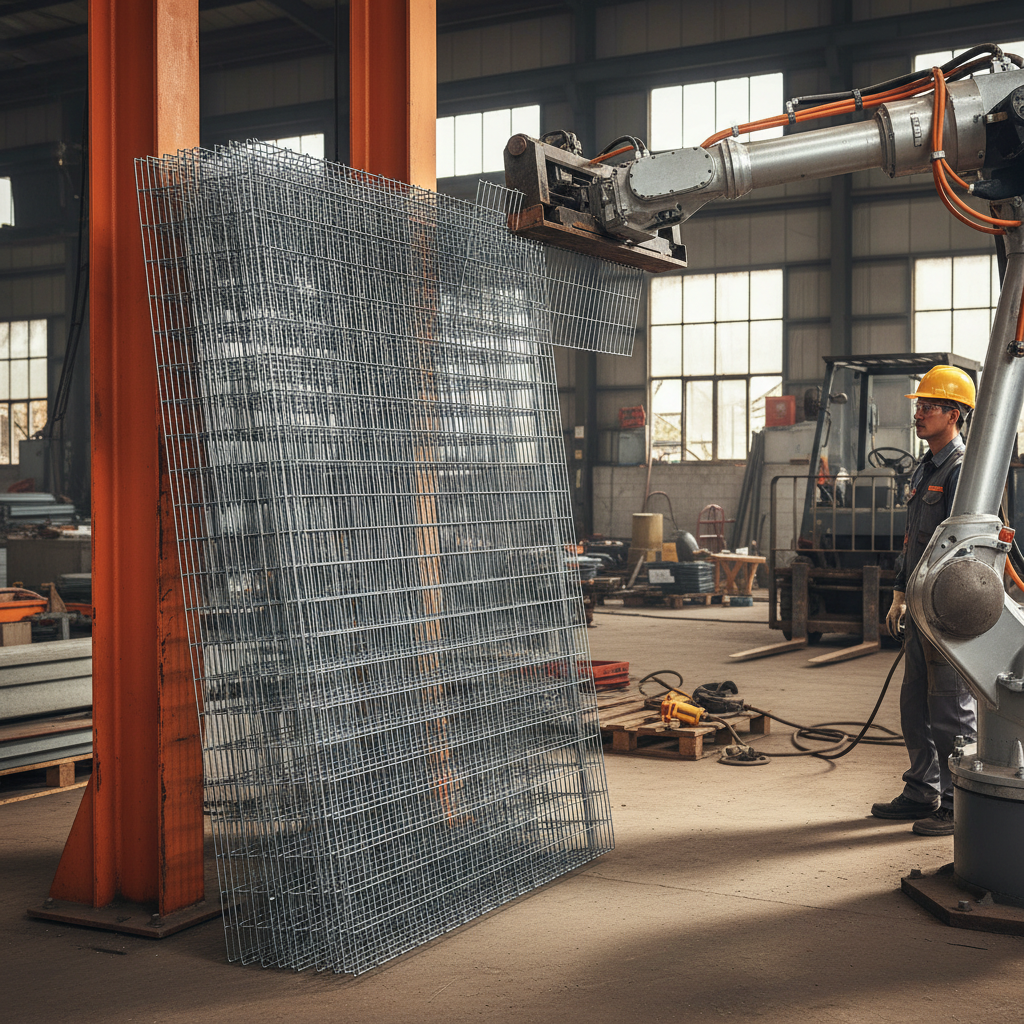 Comprehensive Guide to Durable 6 ft Welded Wire Fencing Panels and ApplicationsWhen selecting fencing for your property, 6 ft welded wire fencing panels offer a robust and versatile solution. These panels combine strength, security, and ease of installation, making them a popular choice for both residential and commercial applications. This article delves into the benefits, applications, installation, and maintenance of these panels, helping you make an informed decision.Read more >
Mar 31 2026