In the realm of agricultural infrastructure and specialized containment, the chicken net stands as a fundamental tool that balances simplicity with high functional utility. While often viewed as a basic utility item, the engineering behind hexagonal wire mesh provides a unique structural integrity that allows it to be flexible yet resilient, making it an indispensable asset for farmers and industrial planners globally.
Understanding the nuances of chicken net is crucial for anyone looking to optimize livestock security or implement cost-effective partitioning in rural environments. From preventing predator intrusion to supporting climbing plants in urban gardening, the versatility of this material transcends its primary name, evolving into a multi-purpose solution for boundary management.
As global demand for sustainable farming and secure animal husbandry increases, the quality and material composition of these nets have become critical. By analyzing the balance between galvanized coatings, wire gauge, and aperture size, stakeholders can ensure long-term durability and safety, reducing the frequency of replacements and enhancing the overall efficiency of their containment systems.
Global Relevance of Chicken Net Systems
On a global scale, the reliance on chicken net extends far beyond simple backyard coops. In developing economies, where livestock represents a significant portion of household wealth, the deployment of affordable, durable wire mesh is a primary defense against predation and disease spread. According to agricultural trends highlighted by food security organizations, the ability to create secure, partitioned environments is essential for the transition from subsistence farming to commercial poultry production.
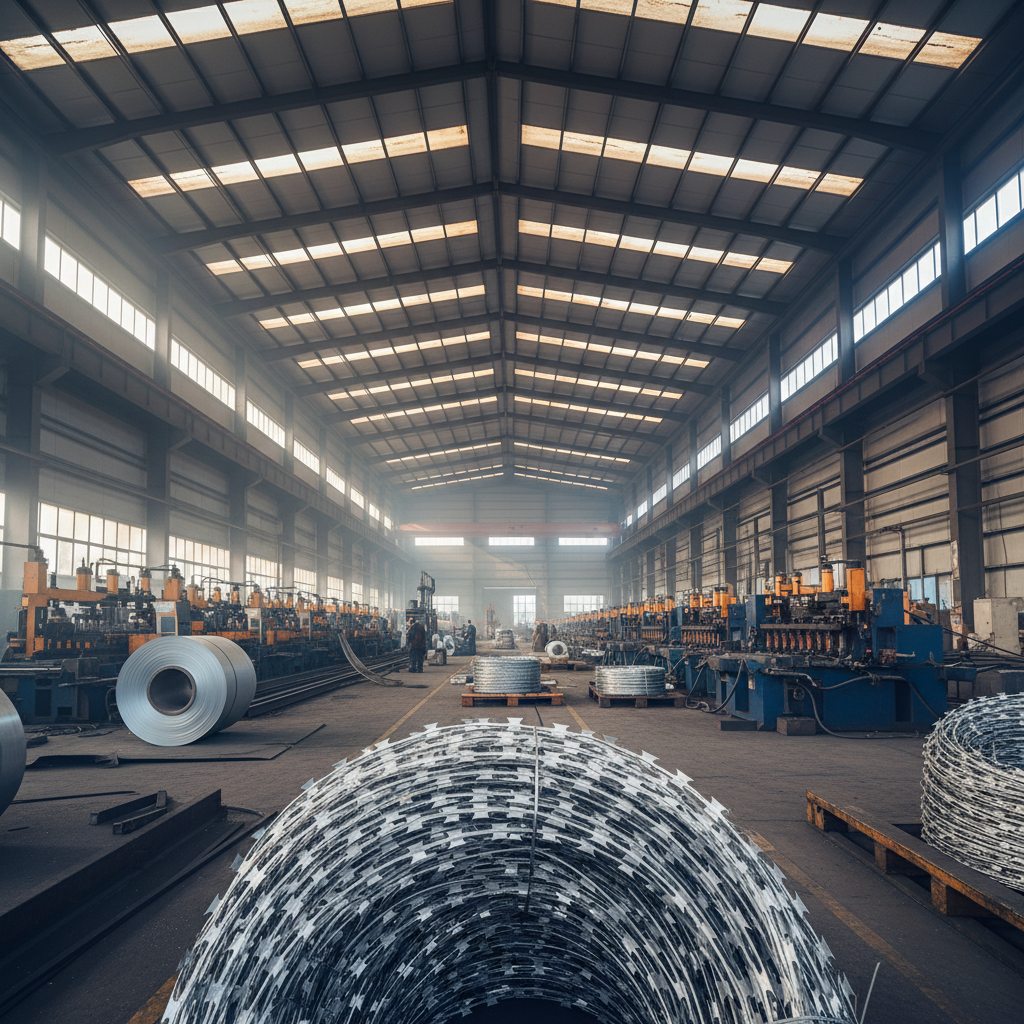
The industrialization of the metal fence sector has allowed for the mass production of these nets with standardized ISO quality controls, ensuring that users in diverse climates—from the humid tropics of Southeast Asia to the arid plains of Africa—receive materials that can withstand environmental stressors. The challenge remains in balancing the cost of high-grade galvanization with the accessibility of the product for small-scale farmers.
Defining the Technical Scope of Chicken Net
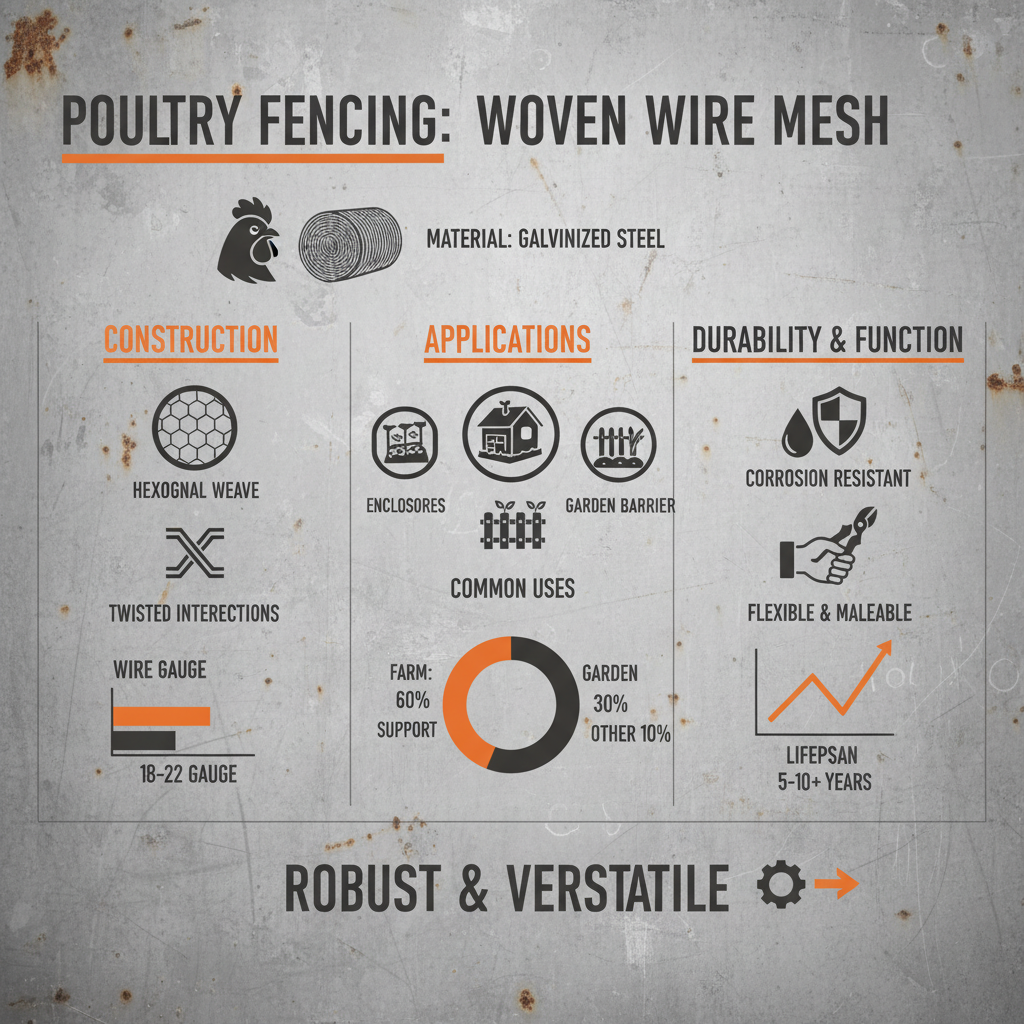
At its core, a chicken net is a lightweight, flexible wire mesh characterized by its hexagonal pattern. This specific geometry is not accidental; the hexagon provides a superior strength-to-weight ratio and allows the mesh to bend and conform to uneven terrain without losing its structural integrity or creating large gaps that could be exploited by predators.
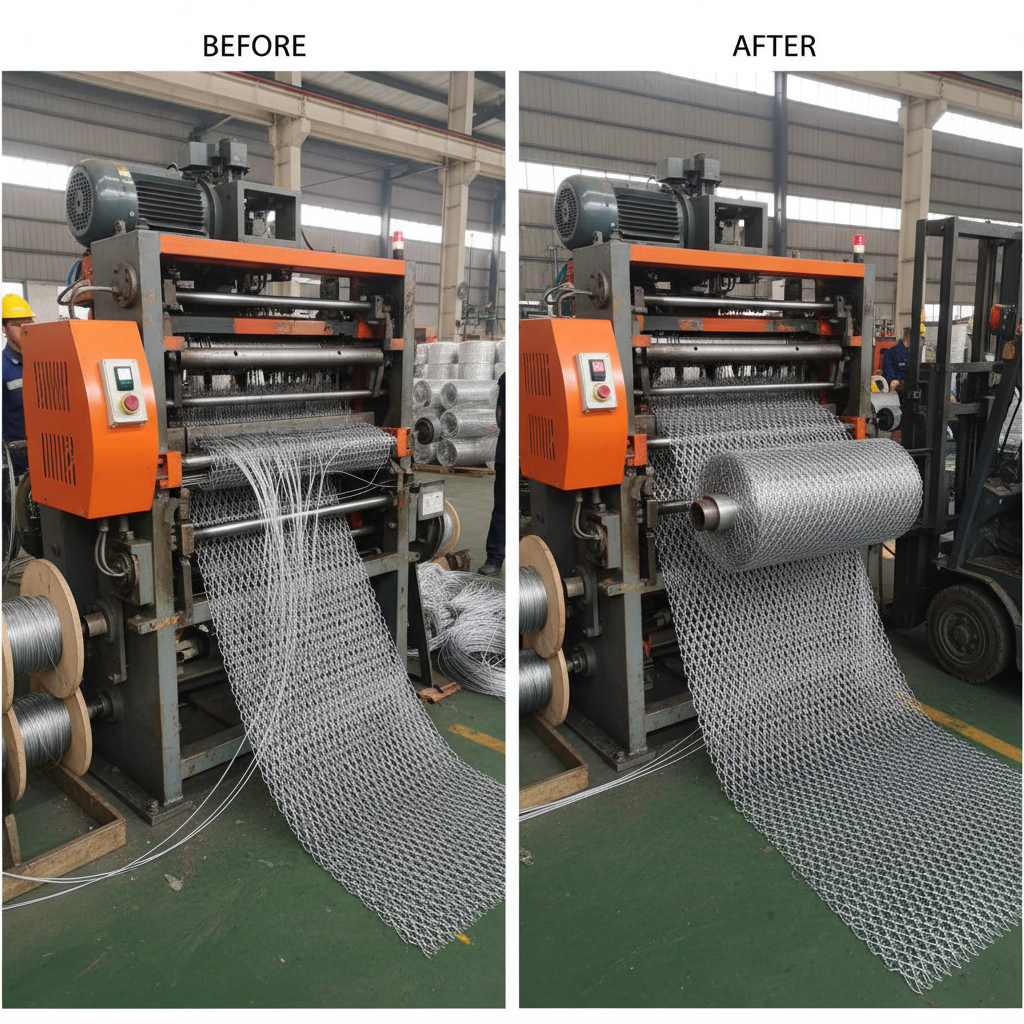
In modern industry, this product is categorized under wire mesh manufacturing, often utilizing low-carbon steel that is subsequently coated to prevent oxidation. Its connection to humanitarian needs is evident in disaster-relief zones, where quick-deploy fencing is required to secure livestock and protect temporary food gardens from foraging animals, thereby safeguarding local food sources.
Furthermore, the technical definition encompasses various gauges of wire and mesh sizes. While the "standard" is designed for poultry, variations are engineered for different species or industrial uses, ensuring that the tension and openness of the weave meet the specific requirements of the containment objective.
Core Components for Maximum Durability
The longevity of a chicken net installation is primarily determined by its coating. Hot-dipped galvanization is the gold standard, creating a metallurgical bond between the zinc and the steel, which prevents rust from penetrating the core wire even when the surface is scratched during installation.
Tensile strength and wire gauge are equally critical. A higher gauge wire provides the necessary rigidity to resist the pushing force of livestock, while the hexagonal twist ensures that if one wire is cut, the entire structure doesn't unravel—a key safety feature that differentiates professional chicken net from inferior alternatives.
Finally, the aperture size determines the exclusivity of the barrier. Whether designed for small chicks or larger birds, the precision of the mesh opening ensures that the net serves its purpose without restricting airflow or visibility, which are essential for the health and well-being of the animals.
Comparative Efficiency of Netting Methods
When evaluating the efficacy of different containment strategies, the chicken net often outperforms solid barriers in terms of ventilation and installation speed. Its ability to be rolled out and secured with minimal tooling makes it the preferred choice for temporary or expansive enclosures where traditional masonry or heavy-duty fencing would be cost-prohibitive.
However, efficiency is measured not just by cost but by the "security-to-weight" ratio. Modern iterations of wire mesh have introduced hybrid coatings that combine zinc with polymers, offering an additional layer of protection against corrosive soil conditions, thereby extending the product's lifecycle by several years.
Efficiency Comparison of Chicken Net Variants
Diverse Global Applications and Use Cases
Beyond its namesake application, chicken net is utilized in a vast array of industrial and residential projects. In the construction sector, it is often used as a reinforcement layer for stucco or plaster, providing a grip for the wet material to adhere to the wall surface, ensuring a crack-free finish over time.
In environmental management, these nets are deployed in remote industrial zones to prevent soil erosion by acting as a substrate for native vegetation to climb and stabilize the earth. Similarly, in post-disaster relief operations, NGOs use lightweight wire mesh to quickly partition safe zones for livestock, preventing animals from wandering into hazardous debris areas.
Long-Term Value and Sustainable Benefits
The long-term value of investing in high-quality chicken net lies in the reduction of maintenance overhead. While cheaper, non-galvanized options may seem attractive initially, their rapid degradation in outdoor environments leads to frequent failures and increased labor costs for repair, eventually costing the user more than a premium product.
From a sustainability perspective, steel wire mesh is highly recyclable. Once a fence reaches the end of its functional life, the metal can be reclaimed and repurposed, fitting into the circular economy model of the modern manufacturing industry. This reduces the environmental footprint compared to plastic netting, which often ends up in landfills or as microplastic pollution in the soil.
Moreover, the use of professional netting promotes animal welfare. By providing a secure environment that prevents stress-inducing predator encounters and allows for controlled grazing (rotation), farmers can improve the health and productivity of their livestock, leading to a more ethical and profitable farming operation.
Future Innovations in Wire Mesh Technology
The future of chicken net is being shaped by advances in material science. We are seeing the emergence of "smart coatings" that are not only corrosion-resistant but also antimicrobial, which can help in reducing the spread of avian diseases within high-density enclosures.
Automation in the manufacturing process is also enabling the production of custom-gauge nets tailored to specific geographic stressors. Using AI-driven stress analysis, manufacturers can now optimize the hexagonal weave for maximum strength in areas prone to high winds or aggressive wildlife, ensuring that the netting remains taut and effective without adding unnecessary weight.
Additionally, the integration of green energy is transforming the production line. Many leading manufacturers are shifting toward hydrogen-powered smelting and renewable energy for the galvanization process, making the creation of these nets more eco-friendly and aligning with global carbon-neutral goals.
Analysis of Technical Specifications for Modern Chicken Net Variants
|
Material Type
|
Corrosion Resistance
|
Installation Ease
|
Lifespan (Years)
|
| Standard Galvanized |
Moderate |
High |
5-8 |
| Hot-Dipped Zinc |
High |
Moderate |
15-20 |
| PVC Coated Steel |
Very High |
High |
10-15 |
| Stainless Steel 304 |
Extreme |
Low |
30+ |
| Aluminum Alloy |
High |
Very High |
12-18 |
| Hybrid Polymer |
Moderate |
Very High |
7-10 |
FAQS
For coastal environments, PVC-coated or high-grade hot-dipped galvanized steel is recommended. The salt spray in coastal air accelerates oxidation in standard steel; PVC provides a physical barrier that prevents salt and moisture from reaching the wire core, significantly extending the life of the fence.
Yes, it is widely used as a trellis for climbing plants or as a protective barrier to keep pests out of vegetable patches. Its flexibility allows it to be curved around garden beds, and the hexagonal mesh provides excellent support for vines without restricting sunlight.
Preventing sag requires proper tensioning during installation. We recommend using sturdy fence posts every 6-10 feet and employing a tension wire (a heavier gauge wire) along the top and bottom edges of the chicken net to maintain a rigid vertical structure.
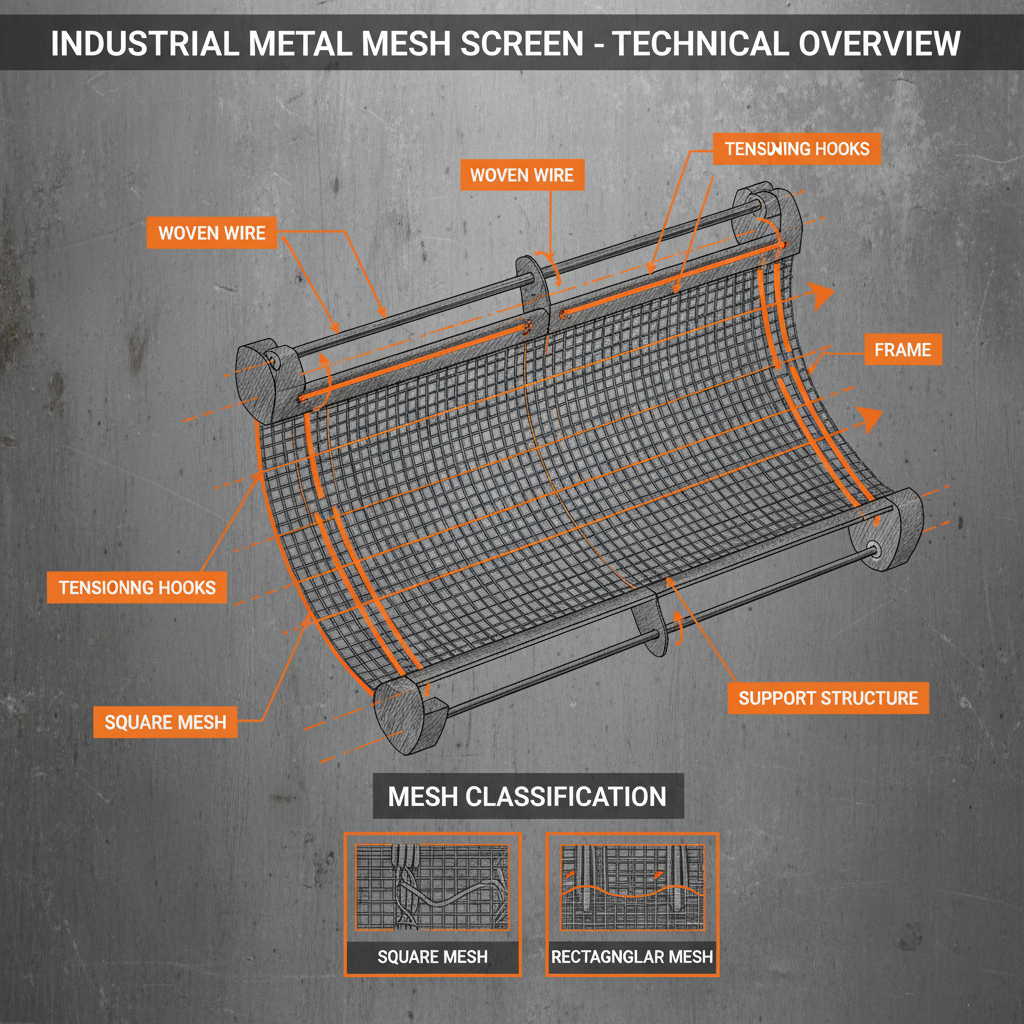
It depends on the application. Hexagonal mesh is more flexible and better at absorbing impact or conforming to shapes, whereas welded square mesh is more rigid. For poultry, the hexagonal twist is often preferred because it doesn't unravel if a single wire is broken.
High-quality galvanization should have a uniform, matte grey appearance without visible flakes or uncoated "bright" spots. You can also check the manufacturer's specifications for the zinc coating weight (g/m²); a higher number generally indicates better long-term rust protection.
Professional-grade netting is manufactured to minimize sharp edges. However, it is always advisable to ensure the ends are properly folded or capped during installation to prevent accidental scrapes. Using PVC-coated options adds an extra layer of smoothness for animal safety.
Conclusion
In summary, the chicken net is far more than a simple agricultural tool; it is a precision-engineered solution that integrates material science with practical utility. By focusing on key factors such as galvanization quality, wire gauge, and structural geometry, users can implement containment systems that are not only cost-effective but also durable and sustainable across various global environments.
Looking forward, the evolution of wire mesh will likely focus on eco-friendly production and specialized coatings to meet the rising standards of animal welfare and environmental protection. Whether you are a commercial farmer or a residential gardener, choosing the right specification of netting is an investment in security and efficiency. Visit our website for professional solutions: www.chchfence.com