


Non Climb Fence: Secure, Durable, and Innovative Perimeter Solutions
Understanding Non Climb Fence: What It Is and Why It Matters
When you hear the term non climb fence, it might just sound like technical jargon reserved for security professionals or industrial planners. Yet, these fences play a pivotal role worldwide in protecting people, property, and critical infrastructure. Simply put, a non climb fence is designed to prevent unauthorized individuals from scaling over it — providing a robust barrier that’s as much about safety as it is about peace of mind.
Globally, as urban areas densify and security challenges increase, the demand for reliable perimeter control solutions has skyrocketed. From protecting sensitive government sites to industrial zones and even humanitarian relief camps, these fences are invaluable. Understanding their construction and benefits helps stakeholders choose smarter, more cost-effective security solutions — but more on that ahead.
non climb fenceThe Growing Global Need for Non Climb Fence Solutions
Security challenges today are multifaceted. According to the United Nations security briefs, global threats like vandalism, theft, and unauthorized border crossings burden governments and businesses alike. Plus, urban growth has led to increasing incidences of intrusion attempts in many parts of the world — which means normal fencing just won’t cut it anymore.
Non climb fences offer a proactive response to these expanding needs. Data from the World Bank shows that over 55% of the world’s population now lives in urban environments, placing more emphasis on securing perimeters in cities and industrial hubs. Oddly enough, while traditional fences were often easy to scale or damage, modern non climb fences merge strength with design to make breaches incredibly difficult. It’s a subtle but powerful shift.
Why is this important? Because boundaries are more than lines—they’re safety, privacy, and sometimes, lifesaving barriers.
Non Climb Fence: Definition and Industrial Relevance
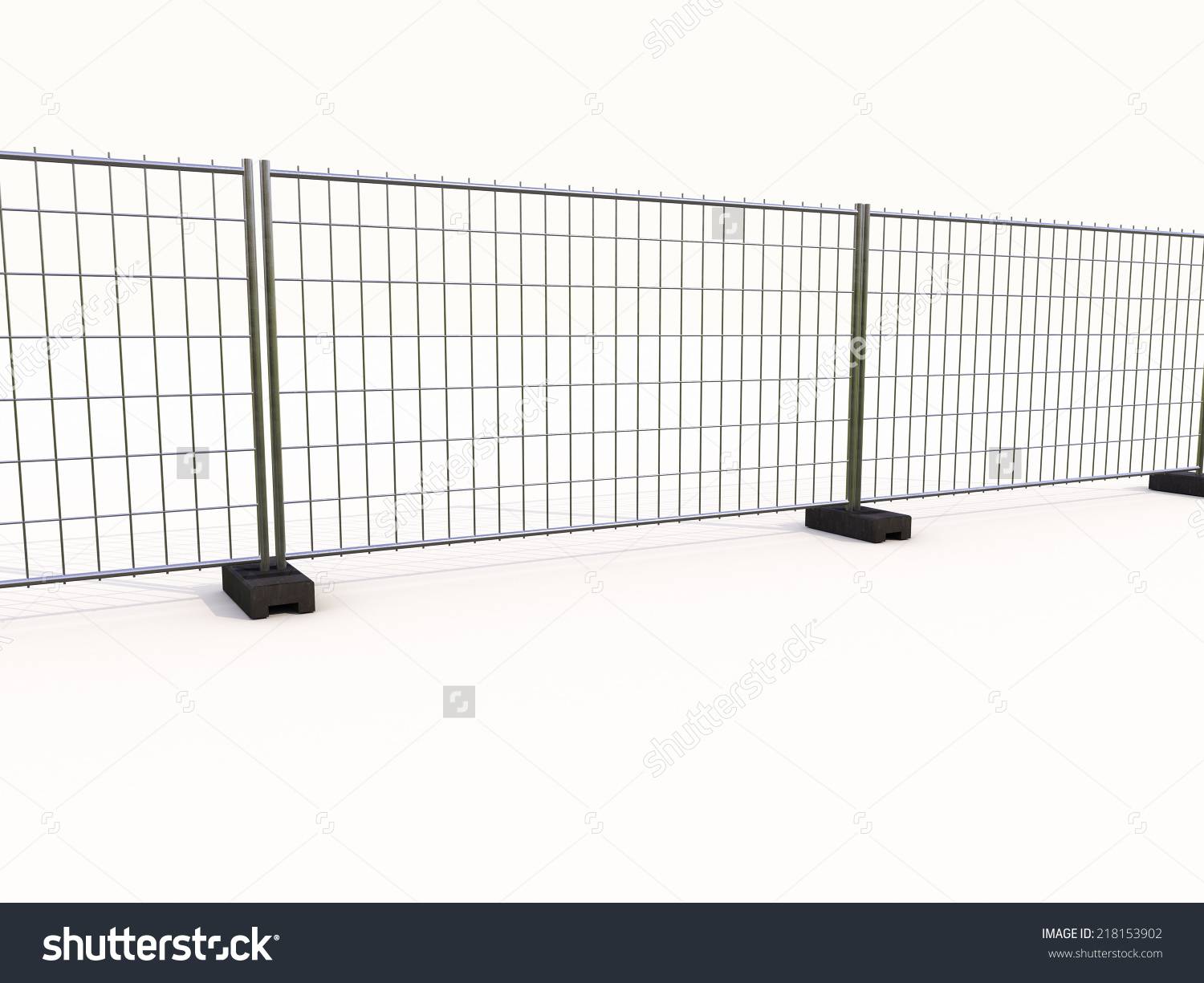
At its core, a non climb fence is a type of security fence engineered specifically to deter climbing. It typically features narrow vertical wires or mesh panels spaced closely enough so that footholds or handholds are nearly impossible.
This isn’t just about putting up any fence; it’s about integrating design with material science. Such fences commonly use angled panels, razor wire, or smooth surfaces. In the industrial sector, this is paramount for protecting hazardous areas or valuable assets. Humanitarian agencies, on the other hand, deploy these fences around refugee camps or disaster recovery zones to maintain safety and order.
Core Components and Key Factors of Effective Non Climb Fencing
1. Durability
High-grade steel or galvanized mesh materials ensure longevity against weather and tampering. The last thing anyone wants is a fence that rusts or weakens in months.
2. Anti-Climb Design Features
Spacing in the fence mesh or panel must be tight (often less than 50mm) and combined with vertical alignment to deny footing. Sometimes stealthy angles or spikes are used to reinforce this.
3. Scalability and Customization
From small commercial plots to sprawling industrial compounds, non climb fences can be configured in height, thickness, and finishes to suit the application.
4. Cost Efficiency
While initial costs may be higher than traditional fences, the reduced need for repairs, alarms, or patrols typically makes them more economical long term.
5. Visual Deterrent
Often underestimated, a formidable non climb fence sends a clear message before anyone even tries to breach it — “this won’t be easy.”
Product Specification Table: Typical Non Climb Fence Features
| Specification | Typical Values |
|---|---|
| Material | Galvanized Steel or Powder-Coated Steel |
| Height | 2m to 4.5m (customizable) |
| Mesh Aperture | 12.5mm x 76.2mm (approx.), vertically oriented |
| Coating | Hot-dip galvanizing with optional polyester finish |
| Weight | Approx. 8-12 kg/m² depending on gauge |
| Installation | Fixed with steel posts and concrete base |
How Non Climb Fence Is Used Worldwide
Imagine the security network around a power substation, a prison, or even a wildlife reserve segment. Many engineering teams say that a good non climb fence is their first line of defense — making later measures more effective.
Some real-world applications:
- Industrial Zones: Factories and warehouses where theft or accidental intrusion could cause huge losses.
- Government Facilities: Protecting sensitive infrastructure from sabotage or unauthorized entry.
- Humanitarian Relief Camps: Managing the flow of displaced persons safely while ensuring camp security.
- Urban Perimeters: Around schools or parks in cities needing effective but unobtrusive boundary protection.
Regions like Australia, Europe, and North America have widely adopted non climb fencing standards recommended by ISO for security fencing — highlighting how global and cross-sector this product is.
Mini Takeaway:
Non climb fences are no longer just physical barriers; they are integral security solutions bridging industrial needs and humanitarian concerns in an increasingly complex world.
The Advantages and Lasting Value of Non Climb Fencing
On one hand, there’s a clear bottom line: prevention costs less than cure. Non climb fences reduce incidents of break-ins, keep insurance premiums lower, and minimize downtime.
Then there’s the intangible but no less powerful side — safety and dignity for those protected. In refugee camps, for example, these fences offer families a sense of secured space without feeling imprisoned.
Plus, they signal professionalism and careful management to stakeholders, investors, and communities alike. It’s a package deal: robust protection combined with social responsibility.
Vendor Comparison: Leading Non Climb Fence Providers
| Brand | Material Quality | Custom Options | Warranty | Pricing |
|---|---|---|---|---|
| ChchFence | Galvanized & Powder-Coated Steel | High: Height & Color | 10 years | Mid to Premium |
| SecureFencing Co. | Galvanized Steel Only | Limited | 5 years | Budget |
| FenceMasters | Powder-Coated Steel | Moderate Customization | 7 years | Mid-range |
Looking Ahead: Innovations and Emerging Trends in Non Climb Fencing
Strangely enough, fences are going digital. The integration of sensor technology, smart cameras, and even AI-driven monitoring is becoming common, turning fences into active security systems instead of passive barriers.
Material science innovations include more corrosion-resistant alloys and polymers that maintain strength while reducing weight. Sustainability is key — solar-powered lighting and eco-friendly coatings are being tested.
Regionally, stricter regulatory standards (think ISO 12944 for corrosion protection) push manufacturers toward higher-quality, longer-lasting products.
Challenges in Non Climb Fencing & How Professionals Address Them
Maintaining the balance between security and public accessibility remains tricky. Overly aggressive designs can alienate communities or complicate emergency access.
Cost constraints in developing regions also limit adoption, though modular and prefabricated solutions promise faster, cheaper installation.
Professionals recommend integrating fences with surveillance and community engagement for the most effective security ecosystem.
FAQ: Your Non Climb Fence Questions Answered
- What makes a non climb fence superior to a standard chain-link fence?
- Non climb fences feature tightly spaced mesh and vertical wiring that leave virtually no footholds or handholds, making climbing nearly impossible, unlike standard chain-link fences which are easier to scale. This design significantly reduces unauthorized access risks.
- How long does a typical non climb fence last outdoors?
- With proper galvanization and coatings (such as powder-coating), a non climb fence can last 10 to 15 years or more without significant corrosion or weakening, even in harsh weather. Maintenance extends this lifespan.
- Are non climb fences suitable for temporary sites like disaster relief camps?
- Yes, they offer a balance of security and rapid deployment. Modular panels can be quickly assembled and relocated as needed while maintaining safety and orderly boundaries for vulnerable populations.
- Can non climb fences be customized to fit aesthetic requirements?
- Absolutely. Many vendors offer color options, panel heights, and finishing touches to blend security with site aesthetics — especially important in urban environments or heritage sites.
- Is installation complex and how long does it typically take?
- Installation usually requires skilled technicians, as posts must be securely anchored and panels aligned precisely. Time depends on length and site complexity but roughly ranges from a day for small sites to several weeks for large perimeters.
Conclusion: Invest Wisely in Longevity and Peace of Mind
All told, choosing a non climb fence isn’t just about keeping people out. It’s a commitment to safety, sustainability, and trust — a statement that security matters without compromising design or dignity. Industries, governments, and humanitarian organizations worldwide increasingly recognize this. If you’re considering a perimeter solution that lasts and protects with style, non climb fencing deserves serious thought.
Ready to explore options that suit your needs? Visit https://www.chbarrier.com for expert advice, customized solutions, and long-term peace of mind.
Mini Takeaway:
Strong, smart, and subtle — non climb fencing is quietly reshaping how we think about perimeter security in a complex, demanding world.
References
Latest News About CHENG CHUANG
-
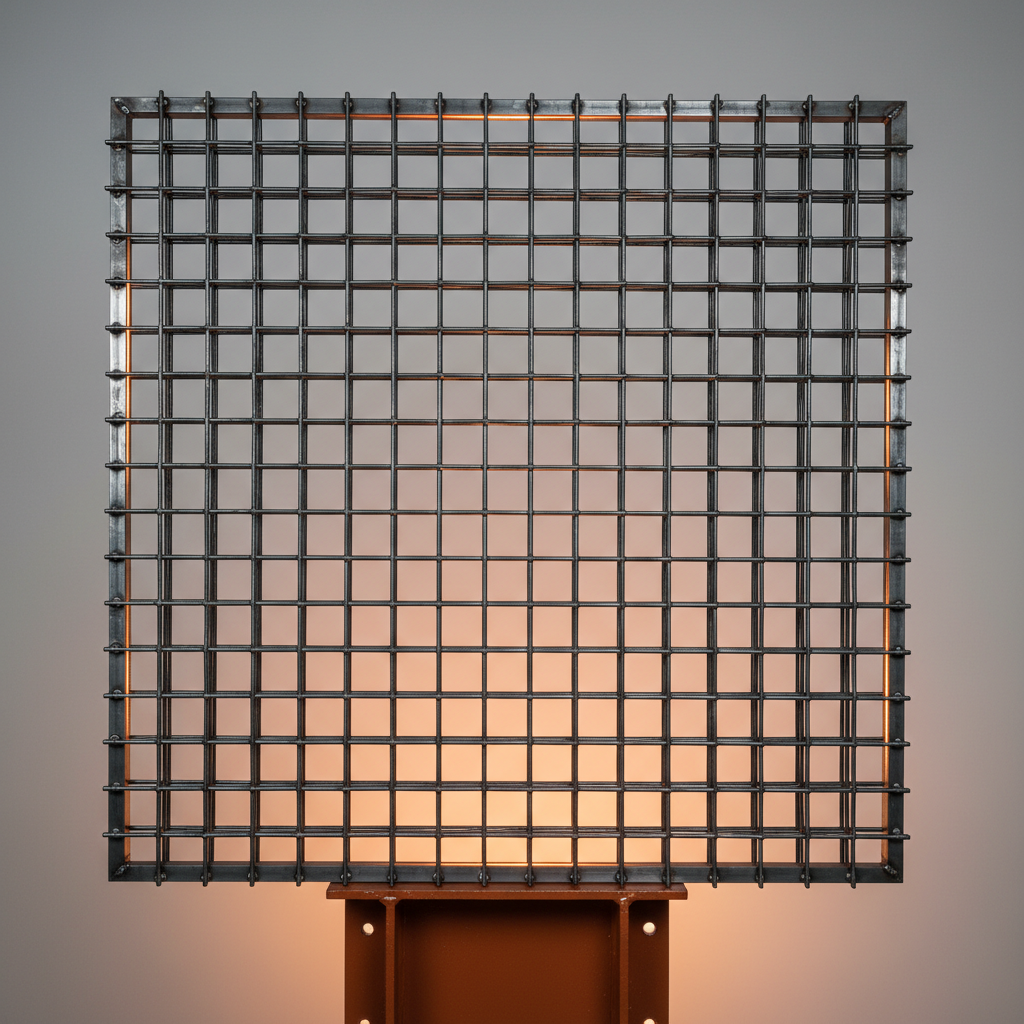 Heavy Duty 6 gauge welded wire mesh for Security and StrengthWhen it comes to heavy-duty containment, security, and structural reinforcement, choosing the right material is critical. The 6 gauge welded wire mesh stands as a premier choice for those requiring a balance of extreme rigidity and precise spacing. Whether you are securing a commercial perimeter, building industrial livestock panels, or creating reinforced concrete structures, this specific thickness provides the structural integrity needed to withstand significant pressure and impact. In this comprehensive guide, we will explore the technical specifications, primary applications, and why this mesh is the gold standard for high-security fencing solutions.Read more >
Apr 16 2026
-
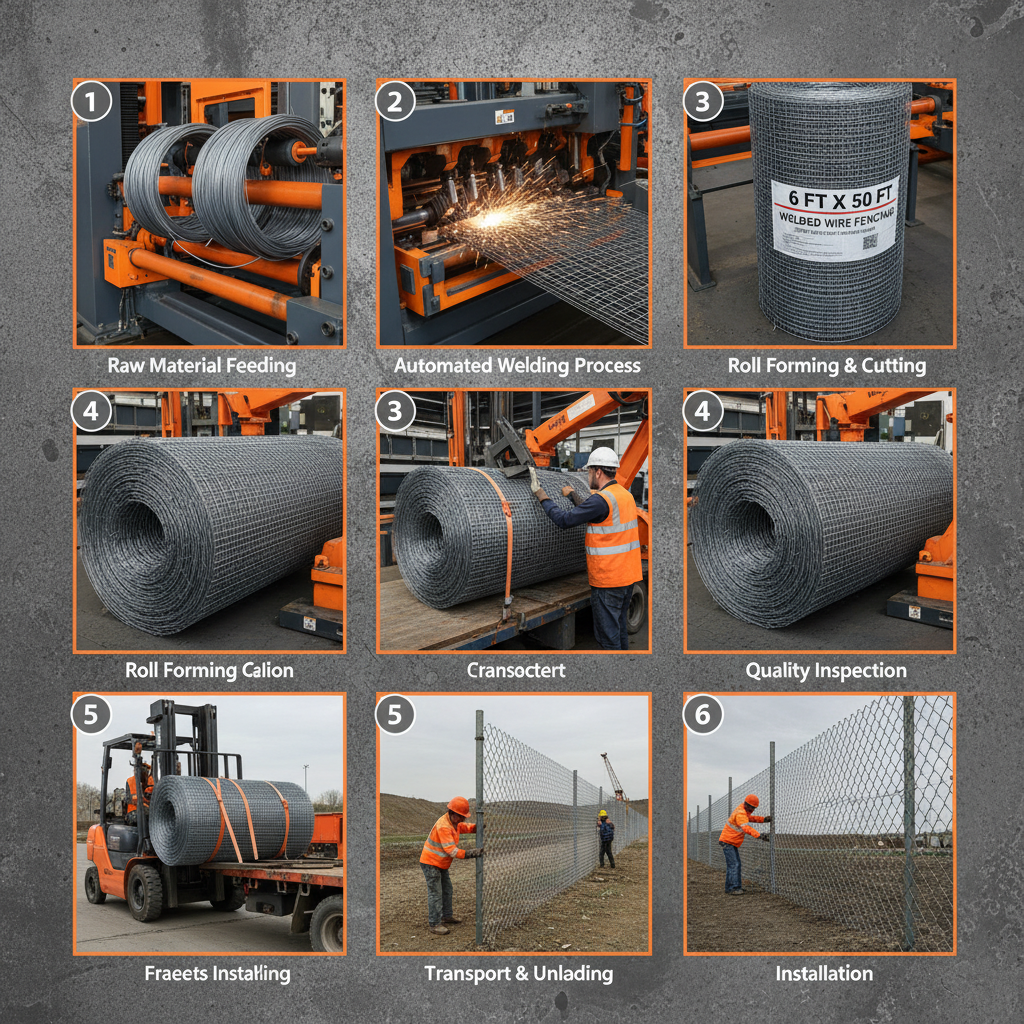 Durable 6 ft x 50 ft welded wire fencing for Security and GardensWhen it comes to securing a perimeter, whether for agricultural use, garden protection, or industrial boundaries, the dimensions and material of your fence matter. The 6 ft x 50 ft welded wire fencing offers an ideal balance of height and length, providing a robust barrier that is easy to install and maintain. Choosing a welded wire system ensures that the intersections are fused together, preventing the shifting and sagging often found in woven alternatives. In this guide, we will explore why this specific size is a preferred choice for property owners and how to maximize its effectiveness for your specific project.Read more >
Apr 09 2026
-
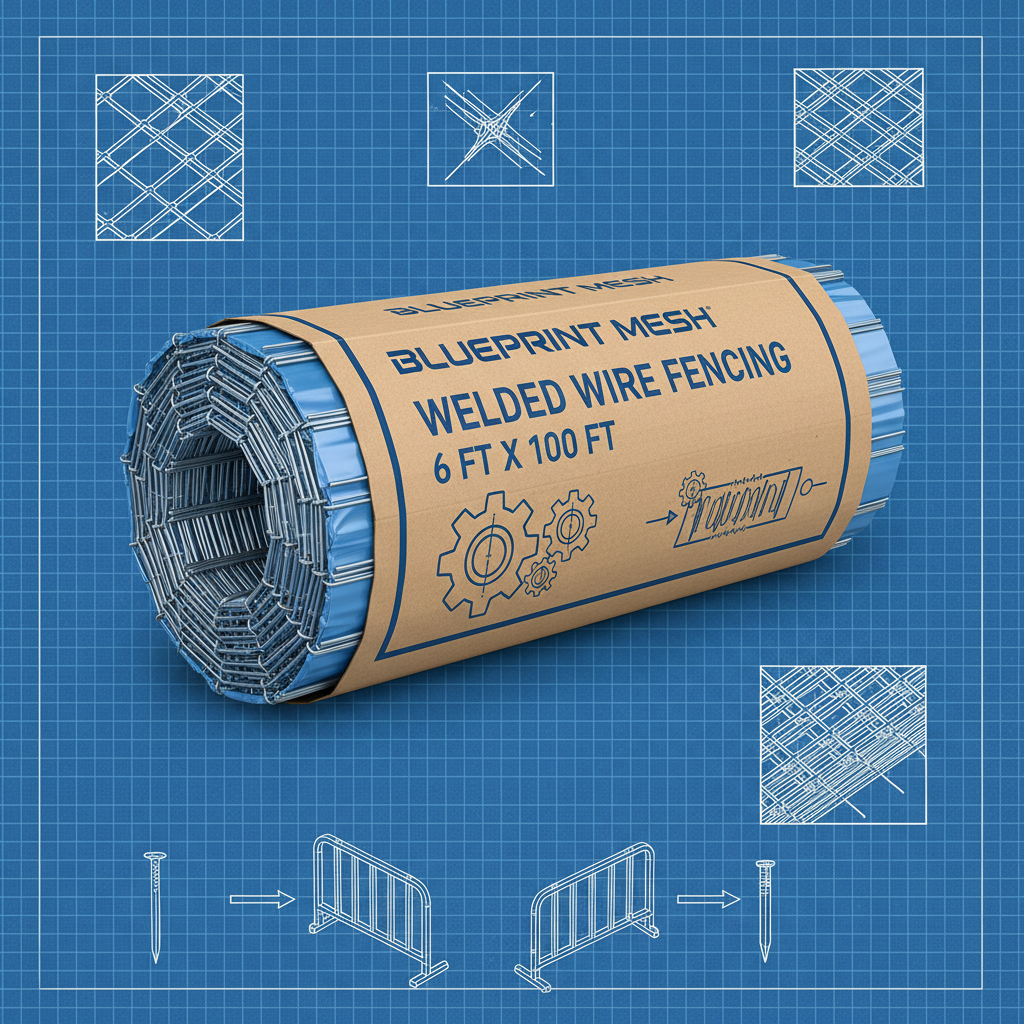 Comprehensive Guide to Choosing the Best 6 ft x 100 ft Welded Wire FencingWelded wire fencing is a versatile and cost-effective solution for a wide range of applications, from agricultural containment to residential security. Understanding the nuances of different types, especially when considering a size like 6 ft x 100 ft welded wire fencing, is crucial for making the right investment. This article will guide you through the essential factors to consider, helping you select the fencing that best suits your specific requirements.Read more >
Apr 07 2026
-
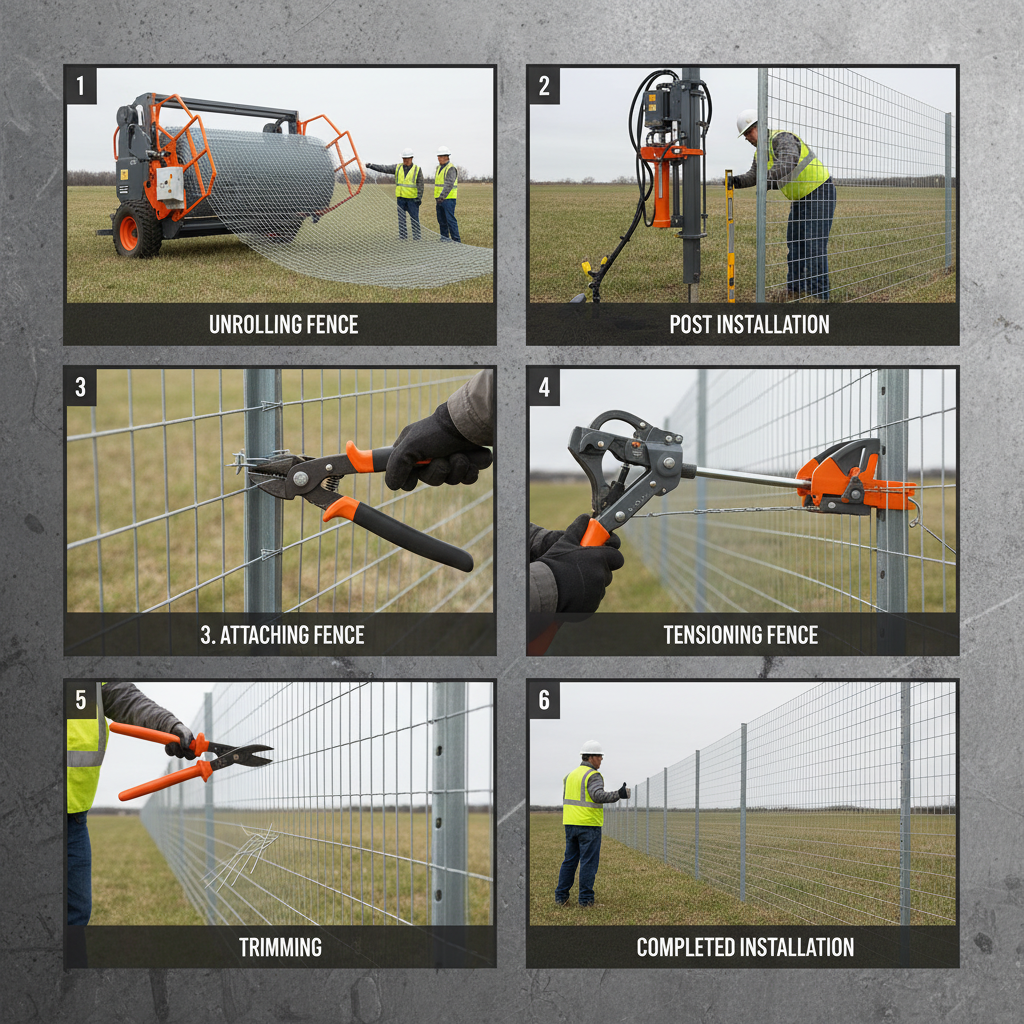 Comprehensive Guide to Choosing a 6 ft x 100 ft 12.5 Gauge Welded Wire FenceSelecting the appropriate fence for your property requires careful consideration. A 6 ft x 100 ft 12.5 gauge welded wire fence offers a robust and versatile solution for a variety of applications, from pet containment to garden protection and security. This guide will explore the benefits, applications, installation tips, and considerations when choosing this type of fencing. Understanding its construction and comparing it to other fencing options will help you make an informed decision.Read more >
Apr 04 2026
-
 Comprehensive Guide to Durable 6 ft Welded Wire Fencing Panels and ApplicationsWhen selecting fencing for your property, 6 ft welded wire fencing panels offer a robust and versatile solution. These panels combine strength, security, and ease of installation, making them a popular choice for both residential and commercial applications. This article delves into the benefits, applications, installation, and maintenance of these panels, helping you make an informed decision.Read more >
Mar 31 2026