


Non Galvanized Chicken Wire: Uses, Benefits, and Global Impact
What Is Non Galvanized Chicken Wire and Why It Matters Globally
If you've ever seen fencing around a garden or used for small livestock, you might have come across chicken wire. But not all chicken wire is created equal. Non galvanized chicken wire—simply put, wire mesh that hasn’t been coated with zinc to prevent rust—plays an interesting role in agriculture, construction, and humanitarian fields worldwide. Understanding this simple material can reveal surprisingly complex practical benefits and challenges.
Globally, millions rely on this mesh for everything from protecting crops to quick fencing solutions in developing economies. The choice between galvanized and non galvanized versions often boils down to availability, cost, and local conditions. So knowing the ins and outs of non galvanized chicken wire helps industries balance budget and durability, especially where immediate deployment and affordability are more crucial than long lifespan.
Let's dig into why this humble material remains relevant, even as newer alternatives emerge.
Global Context: The Wide-Reaching Role of Non Galvanized Chicken Wire
The World Bank reports that over 60% of global agricultural activity takes place on small farms in developing regions — many of which still rely heavily on affordable fencing solutions like non galvanized chicken wire. Its raw and straightforward construction allows rapid production and deployment in remote or resource-limited areas.
However, an issue arises as this wire is vulnerable to rust, especially in humid or rainy climates. This rust risk challenges longevity and maintenance but is often accepted due to its low initial cost and ease of handling. NGOs and local farmers alike find the balance between cost and durability particularly interesting when planning fencing for livestock or crop security in large-scale rural projects.
Though galvanized wire is more durable, the non galvanized variety addresses urgent needs where importing specialty materials or industrial-grade fencing isn’t feasible. That's why it often pops up in post-disaster relief zones or emerging markets — places where practicality and budget matter more than decades-long resistance to corrosion.
What Exactly Is Non Galvanized Chicken Wire?
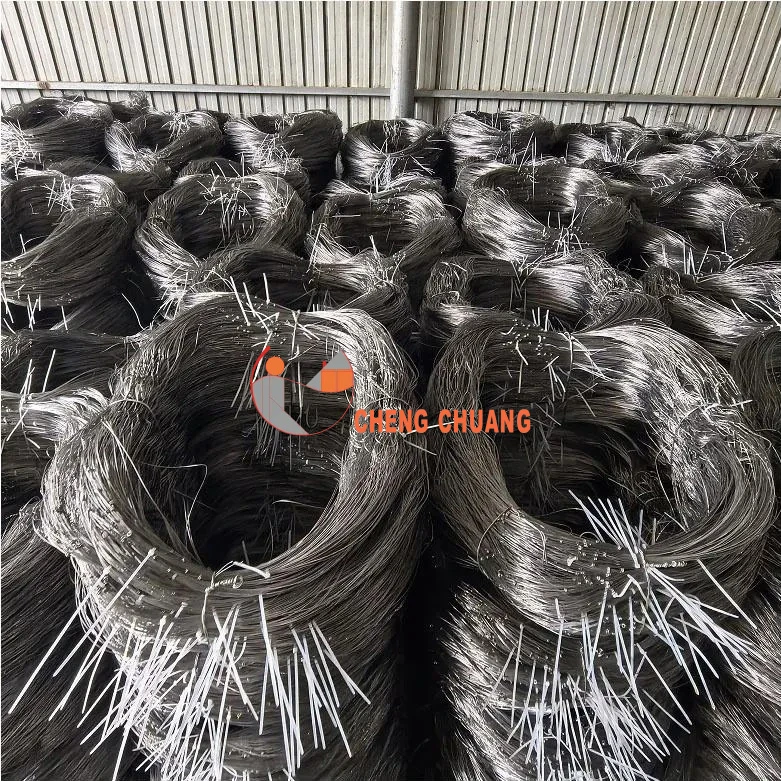
Picture a mesh made by twisting thin steel wires into a hexagonal pattern, designed to keep chickens in and pests out. When this wire hasn’t been dipped or sprayed with zinc or another metal coating, it’s called “non galvanized.”
This means it’s essentially plain steel wire, often less expensive but more prone to rust over time. It’s lightweight, flexible, and easy to cut or bend on site, making it great for quick builds or temporary fencing.
Interestingly, this simplicity connects deeply to humanitarian and agricultural efforts by providing a no-frills physical barrier. Despite the rise of synthetic fencing, steel wire mesh in its raw form remains embedded in both tradition and modern economies where portability, cost, and availability are king.
Key Aspects of Non Galvanized Chicken Wire
1. Durability
The obvious drawback is rust. Without protective galvanization, exposure to water or humid air causes oxidation. This means in areas with high rainfall or salty air, the wire may only last 1-2 years before significant deterioration.
2. Cost Efficiency
Plain wire is cheaper upfront. In many rural or emergency contexts, that cost saving makes all the difference, allowing fences to go up fast without breaking budgets. If fencing needs to be replaced every few years, the tradeoff still feels worthwhile.
3. Flexibility & Ease of Installation
Non galvanized chicken wire is flexible—good for uneven terrain and odd-shaped enclosures. Many farmers and builders appreciate how easily it cuts with basic tools and is simple to stretch and staple without specialized equipment.
4. Environmental Impact
Production of galvanized wire involves chemicals and zinc mining, which have ecological footprints. Some small-scale users prefer non galvanized wire for this reason, coupled with the fact that steel wire is recyclable once removed.
5. Availability and Supply Chain
Non galvanized wire is often more readily available in local hardware stores or markets worldwide, eliminating the wait times or import costs associated with galvanized wire. This makes it ideal for quick or unplanned projects.
Mini takeaway:
- Non galvanized chicken wire’s charm lies in its low cost and easy availability, despite a limited lifespan caused by rust.
- It remains a practical choice in settings where speed, flexibility, and budget constraints override durability needs.
How Non Galvanized Chicken Wire Is Used Around the World
In real terms, non galvanized chicken wire pops up in surprising places—from tiny farms in sub-Saharan Africa, to backyard gardens in Southeast Asia, and even in Western DIY projects when cost savings are paramount.
- Post-Disaster Relief: NGOs often use rolls of this wire for rapid livestock fencing or to build temporary animal shelters in flood or earthquake-affected zones. The wire’s flexibility and weight make transportation and installation on uneven, damaged terrain easier.
- Urban Farming: In cities where greenery spaces are limited, community gardens use non galvanized wire to protect crops from pests cheaply.
- Construction Industry: Sometimes it serves as a framework to hold plaster or concrete.
- Animal Husbandry: Small-scale farmers use it for chicken coops and rabbit hutches where budget controls material choice.
For example: a recent project in rural India distributed thousands of rolls of non galvanized chicken wire to stabilize poultry farming post-monsoon, supporting food security and local livelihoods. While it wasn’t perfect for longevity, its fast deployment was crucial.
Advantages & Long-Term Value of Choosing Non Galvanized Wire
Despite seeming like a compromise, there’s a certain beauty in its simplicity:
- Affordability: You pay less upfront, freeing capital for other critical inputs.
- Speed: When time is tight, easy handling saves days of labor.
- Recyclability: Steel scrap means reduced waste when fences are retired.
- Pragmatism: Some engineers swear by using materials “just good enough” for the right context — non galvanized wire fits that bill.
- Community Impact: Enabling fences for villages improves animal safety, helps control disease, and promotes dignity by protecting livelihoods.
So, while it might not last for decades, its immediate usefulness embodies a “fit for purpose” philosophy found in so many successful global aid and agriculture programs.
Product Specification Table: Typical Non Galvanized Chicken Wire
| Specification | Value |
|---|---|
| Material | Low carbon steel wire (plain, non galvanized) |
| Mesh Size | 25 mm to 50 mm hexagonal openings |
| Wire Diameter | 0.8 to 1.6 mm |
| Roll Length | 10 to 50 meters |
| Corrosion Resistance | Low; recommended for dry or short-term use |
| Weight per Roll | Approx. 5-8 kg (varies with mesh size and wire gauge) |
Comparing Vendors: Non Galvanized vs Galvanized Chicken Wire
| Feature | Non Galvanized Wire | Galvanized Wire |
|---|---|---|
| Initial Cost | Lower - budget friendly | Higher - due to protective coating |
| Durability | Short term, rusts quickly | Long lasting, rust resistant |
| Suitability | Temporary fencing, dry conditions | Permanent fencing, wet environments |
| Environmental Impact | Lower environmental processing | Extra environmental cost due to galvanizing |
| Recyclability | Fully recyclable steel | Also recyclable, but needs processing |
Looking Ahead: Trends and Innovations in Wire Mesh
Interestingly, the fencing sector is not standing still. Reinforced composites and synthetic meshes have started to replace metal wire in some applications, especially where corrosion is a huge problem. Additionally, some manufacturers explore non galvanized chicken wire with polymer coatings or rust inhibitors that blend low cost with extended lifespan.
Sustainability drives innovation, too. With rising awareness on environmental footprints, companies seek greener production methods, recycling steel scrap in closed loops, or using biodegradable binding polymers to combine durability and eco-friendliness.
And don't forget the digital touch: some smart farms integrate QR codes or sensors attached to fencing for monitoring livestock movements and fence integrity remotely. It feels like something out of a sci-fi movie, but these advances are quietly creeping into everyday rural life.
Common Challenges and How Experts Tackle Them
The main challenge of non galvanized chicken wire is obvious: rust and degradation over time. In tropical climates or coastal zones, this is a real issue. Experts advise applying quick rust inhibitors on-site or using wire clips painted with anti-corrosive paint for longer life.
Another problem? Strength. Thin gauge wire can be vulnerable to predators or accidental damage. Some users double-layer the mesh or reinforce posts to create sturdier fences.
Interestingly, some logistics solutions involve bulk shipments of non galvanized wire, which local workers galvanize or coat themselves before use — a kind of “DIY longevity” solution that mixes cost savings with improved durability.
FAQs About Non Galvanized Chicken Wire
Q1: How long does non galvanized chicken wire typically last outdoors?
A: Typically, 1 to 3 years, depending largely on climate. In dry areas, it can last longer; in humid or rainy zones, rust appears faster.
Q2: Can non galvanized wire be painted to prolong its life?
A: Yes, a rust-resistant paint or sealant can help slow corrosion, but it won't fully replace the protection offered by galvanization.
Q3: Is non galvanized chicken wire suitable for protecting garden plants?
A: Absolutely. For short- to medium-term use in relatively dry environments, it’s a cost-effective way to protect vegetables and flowers from small animals.
Q4: How does non galvanized wire compare environmentally to plastic fencing?
A: Steel wire is often recyclable and less polluting in the long run compared to plastics, which degrade slowly and contribute to microplastic problems.
Q5: Can non galvanized chicken wire be used for construction applications?
A: Yes, it sometimes serves as a plaster or stucco lath but must be treated or painted to delay corrosion in those uses.
Wrapping Up: Why Non Galvanized Chicken Wire Still Holds Value
After all this, it’s clear that non galvanized chicken wire isn’t just about fencing chickens. It’s a material bridging tradition with evolving needs around the world. It’s simple, affordable, adaptable — and honestly, sometimes that’s exactly what a project needs when realities on the ground limit fancy options.
For anyone considering fencing options — especially in agriculture, relief, or construction contexts — understanding these trade-offs is key. If you're looking to explore reliable providers or find custom solutions, you might want to check out more about non galvanized chicken wire to compare options and get expert recommendations.
Who knew wire could open so many practical doors?
References and Further Reading
Latest News About CHENG CHUANG
-
 Heavy Duty 6 gauge welded wire mesh for Security and StrengthWhen it comes to heavy-duty containment, security, and structural reinforcement, choosing the right material is critical. The 6 gauge welded wire mesh stands as a premier choice for those requiring a balance of extreme rigidity and precise spacing. Whether you are securing a commercial perimeter, building industrial livestock panels, or creating reinforced concrete structures, this specific thickness provides the structural integrity needed to withstand significant pressure and impact. In this comprehensive guide, we will explore the technical specifications, primary applications, and why this mesh is the gold standard for high-security fencing solutions.Read more >
Apr 16 2026
-
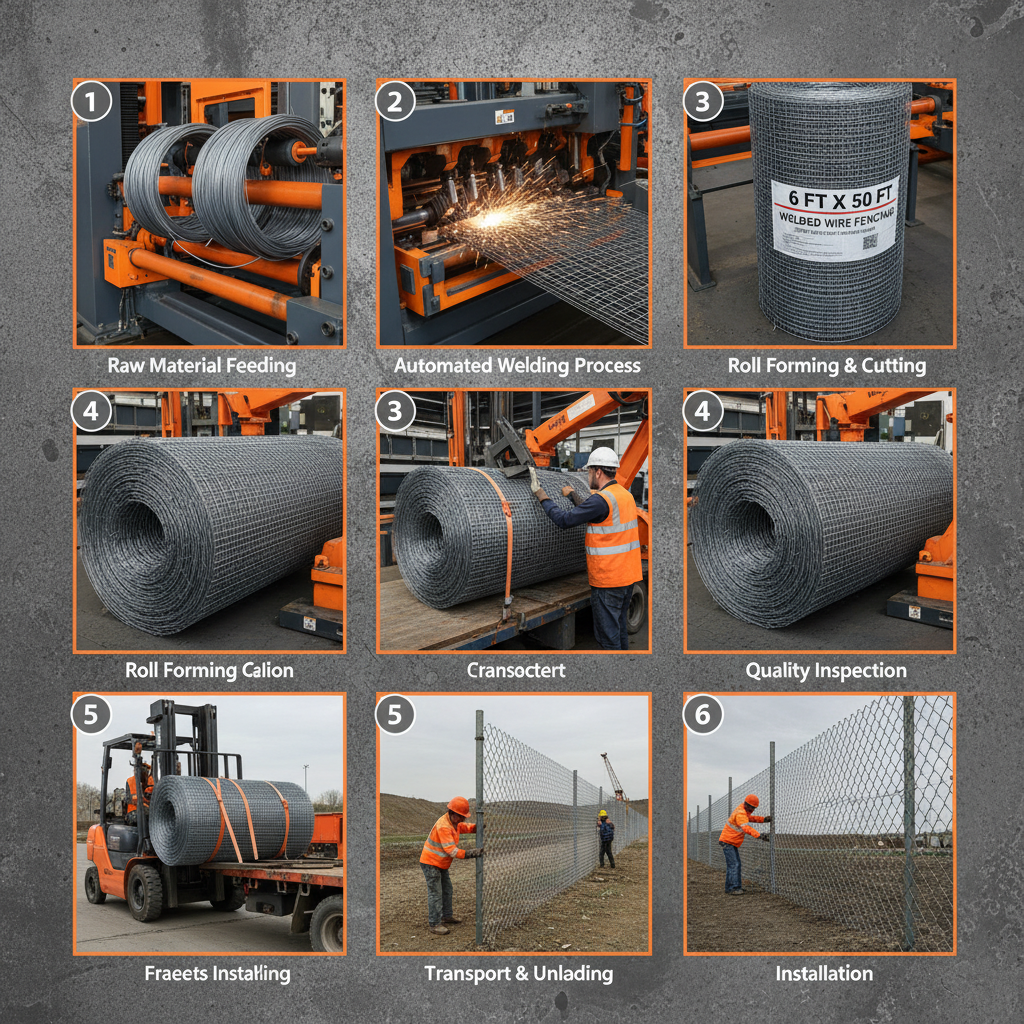 Durable 6 ft x 50 ft welded wire fencing for Security and GardensWhen it comes to securing a perimeter, whether for agricultural use, garden protection, or industrial boundaries, the dimensions and material of your fence matter. The 6 ft x 50 ft welded wire fencing offers an ideal balance of height and length, providing a robust barrier that is easy to install and maintain. Choosing a welded wire system ensures that the intersections are fused together, preventing the shifting and sagging often found in woven alternatives. In this guide, we will explore why this specific size is a preferred choice for property owners and how to maximize its effectiveness for your specific project.Read more >
Apr 09 2026
-
 Comprehensive Guide to Choosing the Best 6 ft x 100 ft Welded Wire FencingWelded wire fencing is a versatile and cost-effective solution for a wide range of applications, from agricultural containment to residential security. Understanding the nuances of different types, especially when considering a size like 6 ft x 100 ft welded wire fencing, is crucial for making the right investment. This article will guide you through the essential factors to consider, helping you select the fencing that best suits your specific requirements.Read more >
Apr 07 2026
-
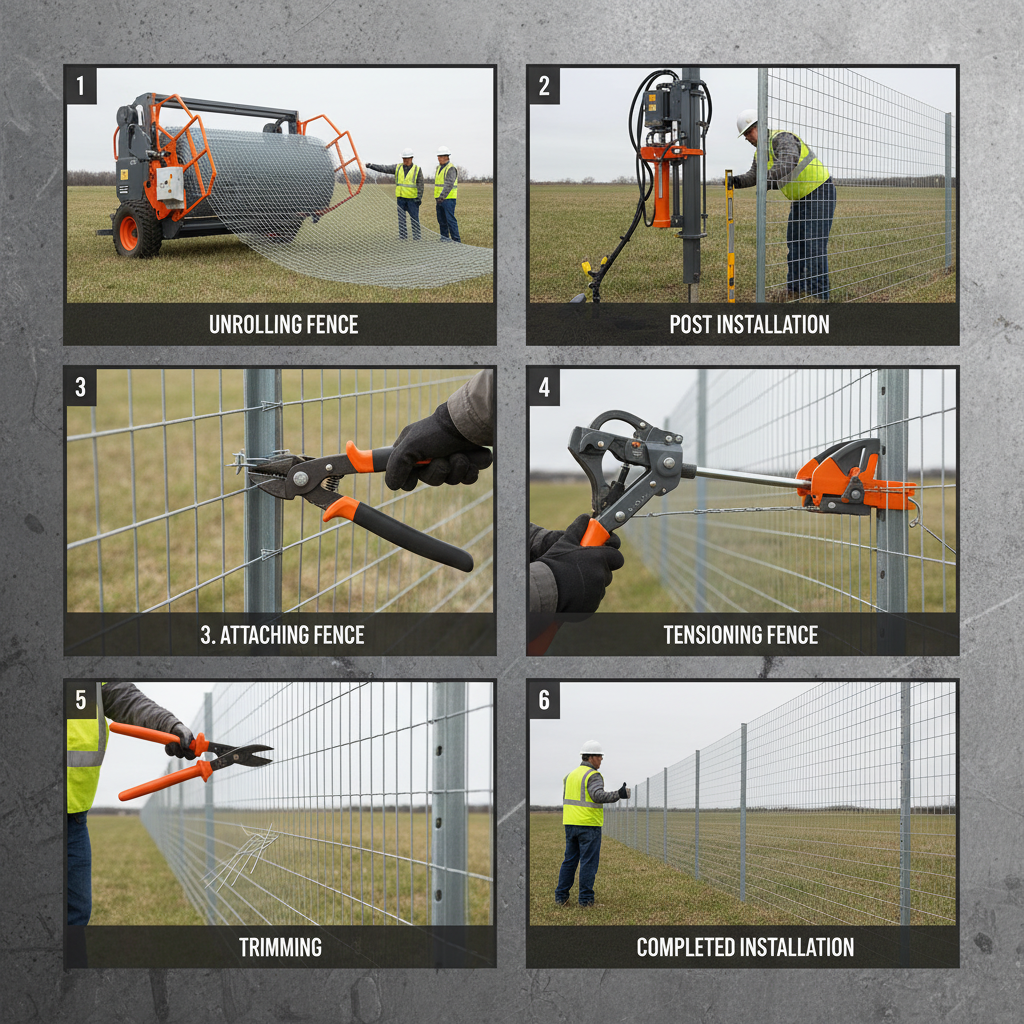 Comprehensive Guide to Choosing a 6 ft x 100 ft 12.5 Gauge Welded Wire FenceSelecting the appropriate fence for your property requires careful consideration. A 6 ft x 100 ft 12.5 gauge welded wire fence offers a robust and versatile solution for a variety of applications, from pet containment to garden protection and security. This guide will explore the benefits, applications, installation tips, and considerations when choosing this type of fencing. Understanding its construction and comparing it to other fencing options will help you make an informed decision.Read more >
Apr 04 2026
-
 Comprehensive Guide to Durable 6 ft Welded Wire Fencing Panels and ApplicationsWhen selecting fencing for your property, 6 ft welded wire fencing panels offer a robust and versatile solution. These panels combine strength, security, and ease of installation, making them a popular choice for both residential and commercial applications. This article delves into the benefits, applications, installation, and maintenance of these panels, helping you make an informed decision.Read more >
Mar 31 2026