


The Practical Guide to Non Galvanized Wire Mesh - Uses, Benefits & Trends
Why Non Galvanized Wire Mesh Still Matters Globally
Non galvanized wire mesh might sound like an old-school material, but it’s actually a quietly pivotal player on the global stage. Think about infrastructure, agriculture, secure fencing, and even emergency housing — so many sectors still rely on this simple yet resilient product. Globally, the movement towards sustainable, cost-effective fencing and containment solutions ties directly to demands for accessibility and affordability. Understanding non galvanized wire mesh helps stakeholders—whether in industrial manufacturing or humanitarian aid—to make smarter choices without breaking budgets or the environment.
Setting the Stage: The Global Context of Non Galvanized Wire Mesh
Worldwide demand for wire mesh is huge. According to ISO, wire mesh standards affect construction and safety in virtually every major economy. While galvanized wire mesh dominates some markets because of its rust resistance, many regions, especially in developing countries, still rely heavily on non galvanized wire mesh due to affordability and ease of manufacturing. The United Nations also highlights infrastructure gaps in rural and post-disaster zones where affordable wire mesh is crucial for rebuilding and temporary shelter security.
The challenge? Non galvanized wire mesh tends to degrade quicker, especially in humid or corrosive environments. This raises questions about durability for projects expected to last several years. Yet, in many cases, cost and availability outweigh corrosion resistance as priorities, and that’s why this mesh remains relevant.
What Exactly Is Non Galvanized Wire Mesh?
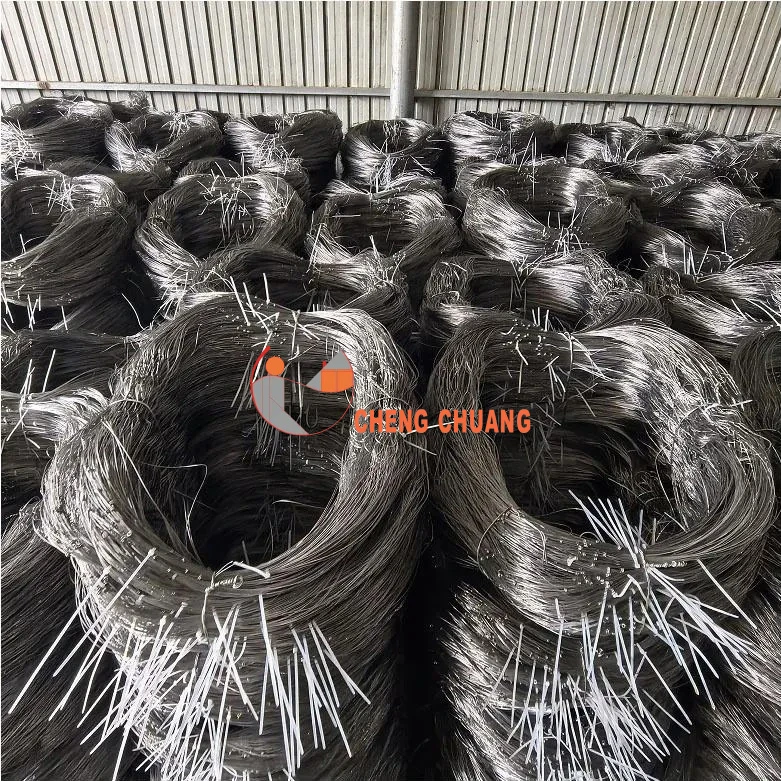
Put simply, non galvanized wire mesh is a grid of interconnected metal wires uncoated with zinc or other anti-corrosive layers. Often made from plain carbon steel, it’s produced by weaving or welding wires into patterns. The absence of galvanization means it has a raw surface, which some might call “naked” steel, exposed directly to air and moisture.
This raw nature makes it more susceptible to rust but also less expensive and more adaptable in various industrial, agricultural, and even humanitarian uses. For example, in emergency shelter frameworks or fencing around farmland, a quick and cheap solution often trumps the need for a fancy finish.
Key Factors Defining Non Galvanized Wire Mesh
1. Cost Efficiency
The manufacturing process of non galvanized wire mesh skips the extra galvanization step — meaning less energy and fewer materials. That translates directly into a lower purchase price. For large agricultural projects or temporary fencing, this cost-saving is vital.
2. Durability: A Double-Edged Sword
Naturally, non galvanized wire mesh corrodes quicker—especially outdoors under wet conditions. Yet, for short-term projects or indoor applications, this doesn’t necessarily impede usefulness. Many engineers argue that its lifespan often meets—or exceeds—the necessary time frame for specific projects.
3. Scalability and Customization
It’s easier to tweak wire thickness, mesh size, and weave patterns without galvanization constraints. This flexibility benefits manufacturers who must produce bespoke solutions rapidly or in high volumes.
4. Ease of Repair and Modification
Because it isn’t coated, makeshift onsite repairs with welding or cutting are straightforward, which is especially handy in rough environments like construction sites or remote regions.
5. Environmental Impact
Skipping galvanization reduces some chemical use and waste, a point some sustainability advocates appreciate. On the flip side, the shorter useful life may cause more frequent replacement, a trade-off that’s still debated.
Global Applications and Use Cases for Non Galvanized Wire Mesh
You’d be surprised just how widely non galvanized wire mesh is used. In East Africa, NGOs employ it to create affordable livestock enclosures post-crisis. In South Asia, farmers secure crops with fencing made from this mesh because it costs a fraction of galvanized alternatives. Industrially, it's common in indoor partitions or reinforcement in concrete slabs where moisture exposure is limited.
Emergency relief organizations rely on it for temporary shelters and debris containment. Even remote mining operations in South America often prefer this mesh for site fencing — where operational timelines are short and replacement simpler than corrosion mitigation.
In temperate climates or indoor environments, rust is less of an issue, so the mesh's raw strength and simple design make it ideal for scalable projects.
Typical Industries Using Non Galvanized Wire Mesh
- Agriculture and animal husbandry
- Construction and concrete reinforcement
- Emergency and temporary shelter frameworks
- Mining and industrial fencing
- Warehouse and storage partitioning
Advantages and Long-Term Value of Non Galvanized Wire Mesh
Frankly, it’s all about balance. The main advantage is that it opens doors to secure perimeter solutions and reinforcements with a modest upfront investment. This is especially critical in developing regions where infrastructure funding is scarce. Its simple, repairable construction inspires trust in rugged environments. There’s also an emotional side to this — knowing that a sturdy wire mesh can protect homes, crops, or livestock during tough times adds a whole layer of dignity and security.
Compared to more expensive metal meshes, it’s also easier to recycle — as it’s just raw steel. This can align with certain sustainability goals if the mesh isn’t dumped indiscriminately.
Product Specifications for Typical Non Galvanized Wire Mesh
| Specification | Typical Value | Notes |
|---|---|---|
| Wire Diameter | 1.5 - 5.0 mm | Varies by application |
| Mesh Opening Size | 10 x 10 mm to 50 x 50 mm | Customized per need |
| Material | Carbon Steel (Non Galvanized) | Standard grades |
| Surface Treatment | None (Plain Finish) | No galvanizing or coating |
| Maximum Roll Width | 2.0 meters | Depends on supplier |
| Weight per Roll | 50 - 100 kg | Varies by density |
Vendor Comparison: Common Suppliers of Non Galvanized Wire Mesh
| Vendor | Price Range (USD/roll) | Customization Options | Availability | Lead Time |
|---|---|---|---|---|
| Global Wire Corp. | $120 - $200 | Various diameters & mesh sizes | High | 2-3 weeks |
| Steel Mesh Solutions | $100 - $180 | Standard sizes, bulk orders | Medium | 3-4 weeks |
| Eco Wire Industries | $110 - $190 | Custom meshes, eco certifications | Low | 4-6 weeks |
Looking Ahead: Future Trends and Innovations
Oddly enough, while the basic material (non galvanized steel) hasn’t changed much for decades, innovation is creeping in through smarter production and hybrid treatments. Some manufacturers now experiment with partial coatings or galvanization alternatives that preserve low cost but boost longevity.
Digital tracking of supply chains and IoT-enabled durability sensors on large deployments are starting to appear in industrial contexts. There’s also push for eco-friendly reclamation processes post-use to reduce landfill.
More broadly, with sustainability becoming a global priority (hello, United Nations Sustainable Development Goals), industries are looking at ways to optimize lifecycle and recyclability—including for non galvanized options.
Challenges and What’s Being Done
The primary challenge is corrosion in humid or coastal environments, which shortens lifespan. In response, NGOs and construction firms often apply external protective treatments post-purchase, like paint or sealants. Alternatively, some choose to accept shorter service life and plan for replacement cycles accordingly.
Another obstacle is sometimes inconsistent quality from manufacturer to manufacturer, especially where standards aren’t strictly enforced. Efforts to certify suppliers and educate buyers about correct mesh grades help here — as does sourcing from trusted vendors with ISO or ASTM compliance.
FAQ: Frequently Asked Questions About Non Galvanized Wire Mesh
- Q: How long does non galvanized wire mesh typically last outdoors?
- A: Generally, non galvanized mesh can last from 1 to 5 years depending on environmental conditions. In dry climates, it tends to last longer, whereas in coastal or rainy areas, rust develops faster.
- Q: Can non galvanized wire mesh be used for permanent fencing?
- A: It’s possible but not ideal. For permanent fencing, galvanized or coated mesh is preferred for its corrosion resistance. Using non galvanized mesh means accepting a shorter usable life or committing to maintenance.
- Q: Is non galvanized wire mesh recyclable?
- A: Yes, it is 100% recyclable since it’s plain carbon steel. Recycling facilities commonly accept it, making it environmentally sustainable if properly handled after use.
- Q: Can NGOs import non galvanized wire mesh easily for relief efforts?
- A: Yes, its simple composition and moderate weight make it relatively easy to ship internationally. Many suppliers also provide bulk packaging suited for humanitarian and industrial projects.
- Q: What makes non galvanized wire mesh preferable versus galvanized in agricultural use?
- A: The main factors are affordability and quicker procurement. Since many agricultural enclosures only need a fence that lasts a growing season or two, the cost savings typically justify the shorter durability.
Wrapping Up: The Last Word on Non Galvanized Wire Mesh
Non galvanized wire mesh isn’t flashy, and it’s got its quirks—mostly around corrosion and lifespan. But its economic accessibility, ease of customization, and broad usefulness keep it relevant worldwide. For anyone in industrial, agricultural, or humanitarian fields looking for a straightforward, cost-effective fencing or reinforcing solution, it’s a compelling choice.
If you want to dive deeper or source quality products, check out non galvanized wire mesh options tailored to your needs—think of it as your reliable partner in the raw world of steel fencing.
References:
1. Wikipedia: Wire Mesh
2. ISO Wire Mesh Standards
3. United Nations Sustainable Development Goals
Latest News About CHENG CHUANG
-
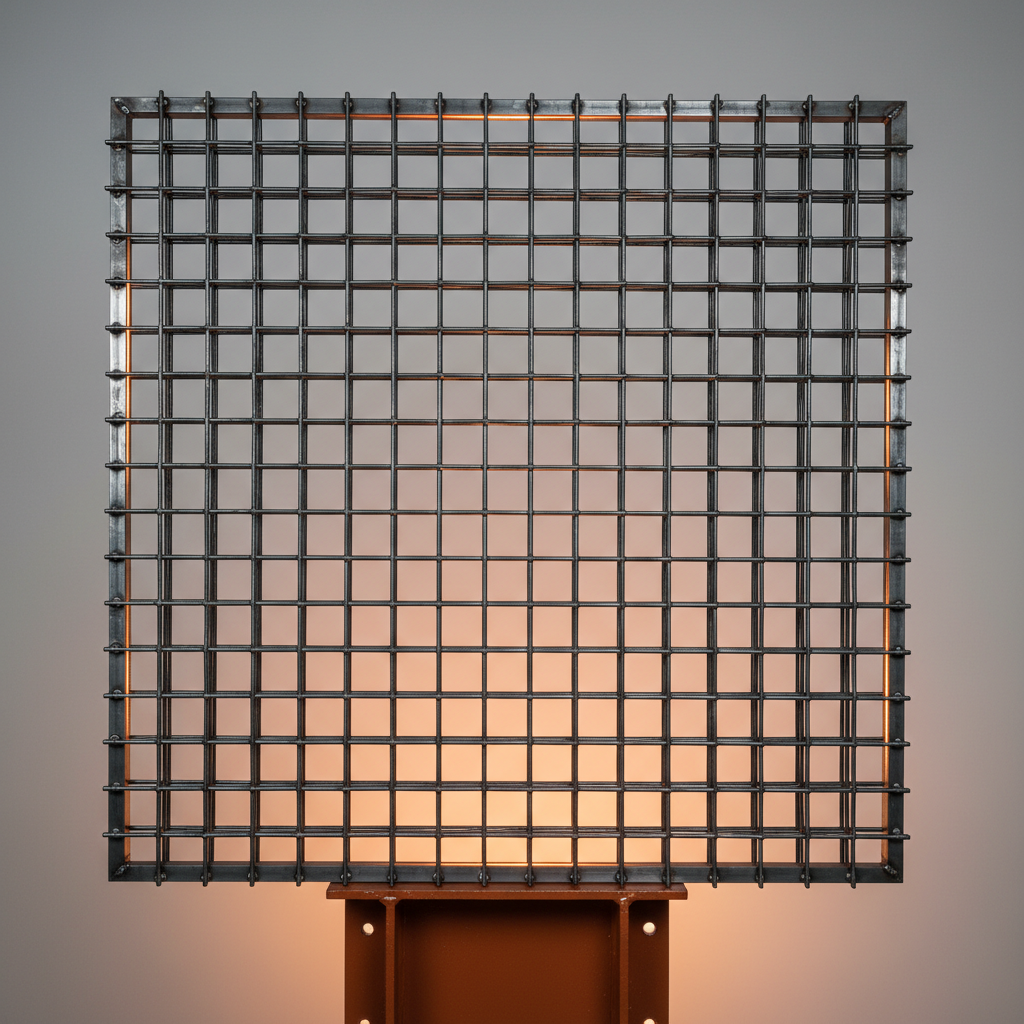 Heavy Duty 6 gauge welded wire mesh for Security and StrengthWhen it comes to heavy-duty containment, security, and structural reinforcement, choosing the right material is critical. The 6 gauge welded wire mesh stands as a premier choice for those requiring a balance of extreme rigidity and precise spacing. Whether you are securing a commercial perimeter, building industrial livestock panels, or creating reinforced concrete structures, this specific thickness provides the structural integrity needed to withstand significant pressure and impact. In this comprehensive guide, we will explore the technical specifications, primary applications, and why this mesh is the gold standard for high-security fencing solutions.Read more >
Apr 16 2026
-
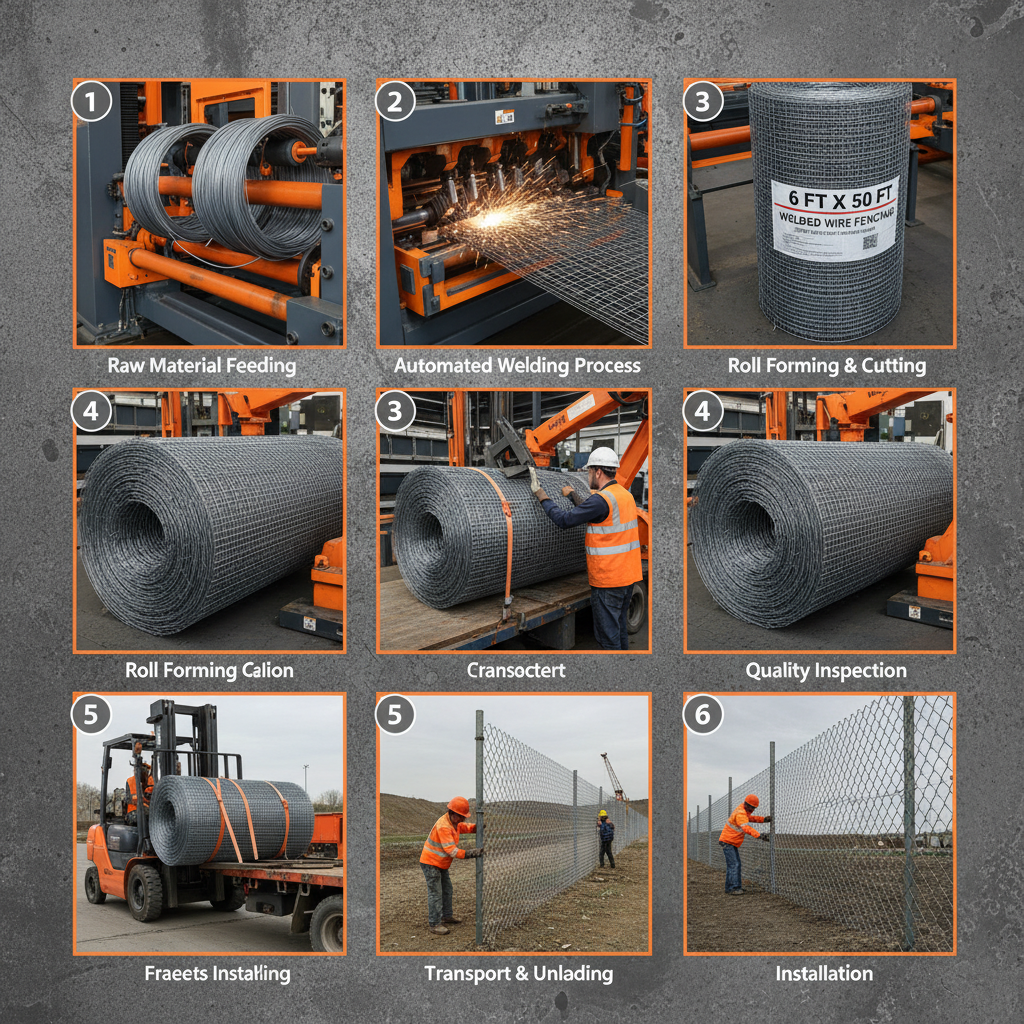 Durable 6 ft x 50 ft welded wire fencing for Security and GardensWhen it comes to securing a perimeter, whether for agricultural use, garden protection, or industrial boundaries, the dimensions and material of your fence matter. The 6 ft x 50 ft welded wire fencing offers an ideal balance of height and length, providing a robust barrier that is easy to install and maintain. Choosing a welded wire system ensures that the intersections are fused together, preventing the shifting and sagging often found in woven alternatives. In this guide, we will explore why this specific size is a preferred choice for property owners and how to maximize its effectiveness for your specific project.Read more >
Apr 09 2026
-
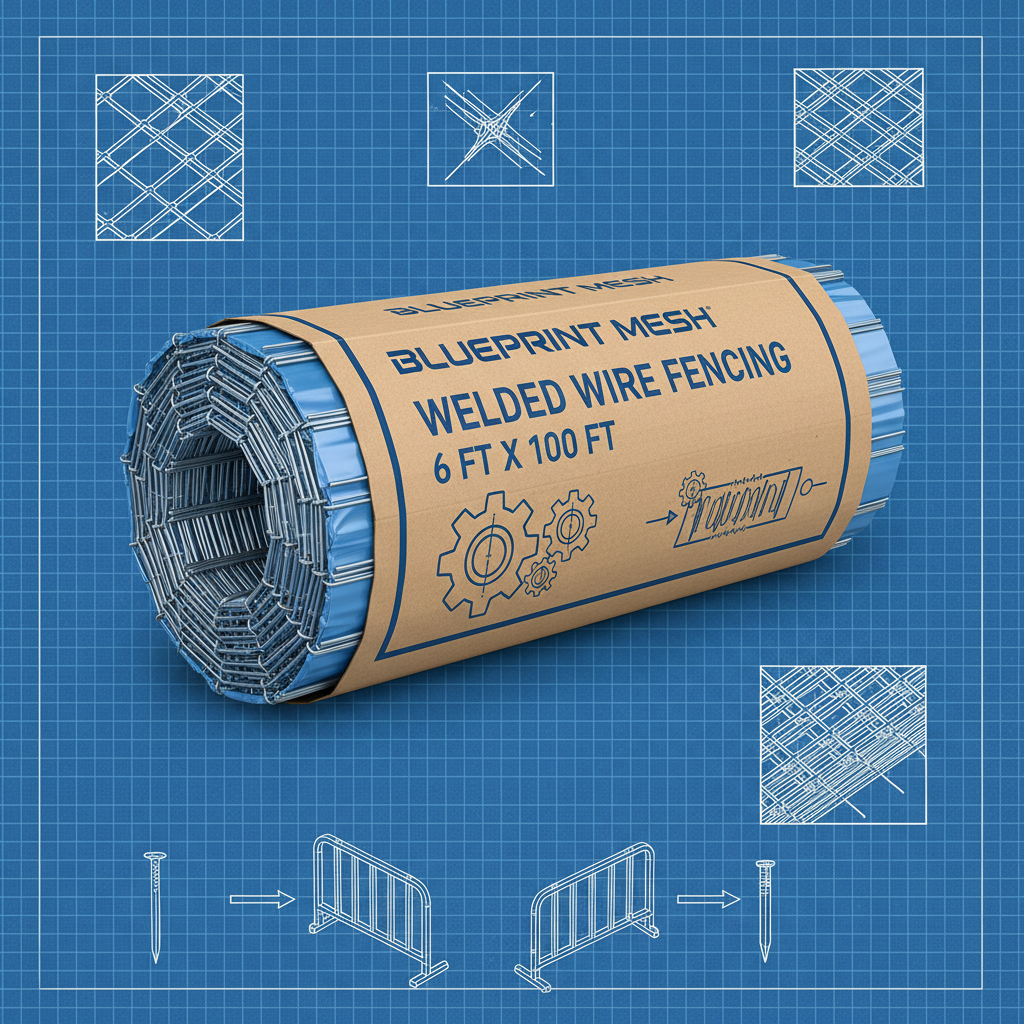 Comprehensive Guide to Choosing the Best 6 ft x 100 ft Welded Wire FencingWelded wire fencing is a versatile and cost-effective solution for a wide range of applications, from agricultural containment to residential security. Understanding the nuances of different types, especially when considering a size like 6 ft x 100 ft welded wire fencing, is crucial for making the right investment. This article will guide you through the essential factors to consider, helping you select the fencing that best suits your specific requirements.Read more >
Apr 07 2026
-
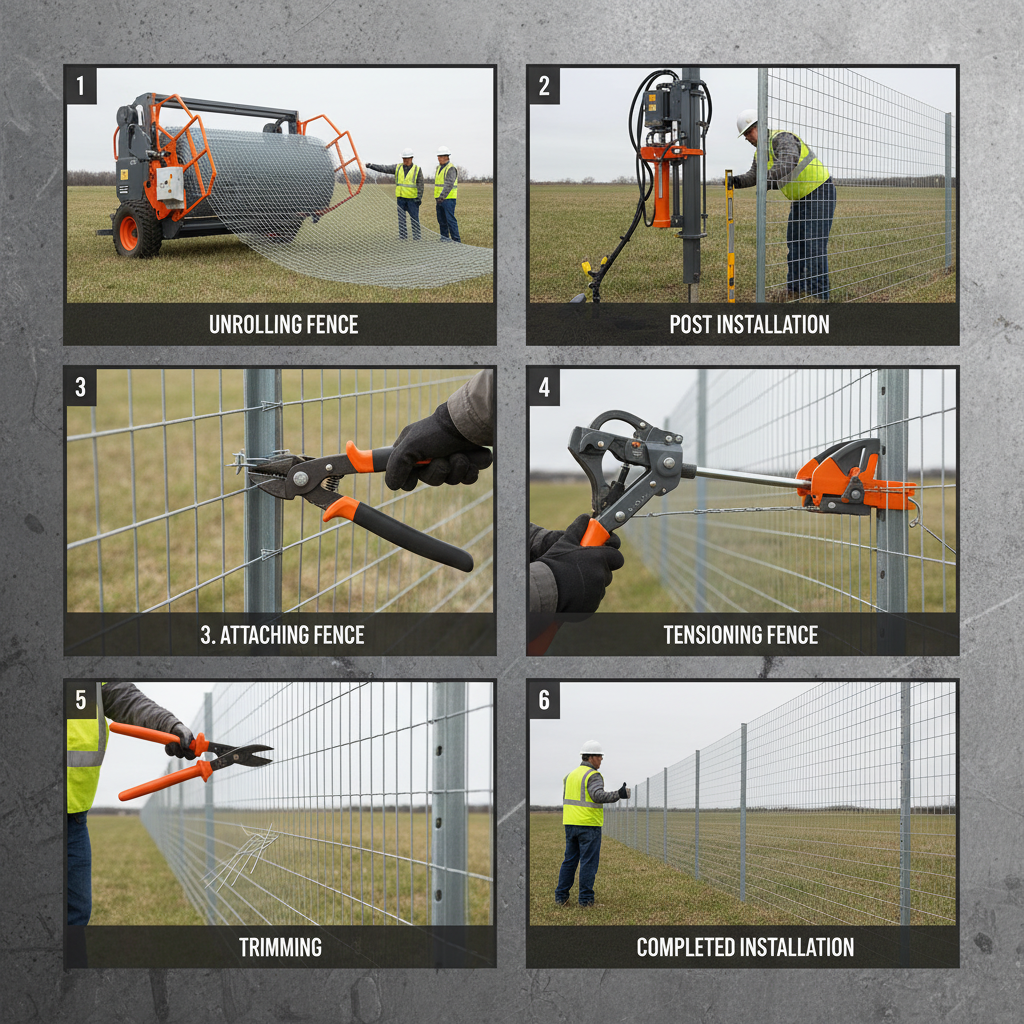 Comprehensive Guide to Choosing a 6 ft x 100 ft 12.5 Gauge Welded Wire FenceSelecting the appropriate fence for your property requires careful consideration. A 6 ft x 100 ft 12.5 gauge welded wire fence offers a robust and versatile solution for a variety of applications, from pet containment to garden protection and security. This guide will explore the benefits, applications, installation tips, and considerations when choosing this type of fencing. Understanding its construction and comparing it to other fencing options will help you make an informed decision.Read more >
Apr 04 2026
-
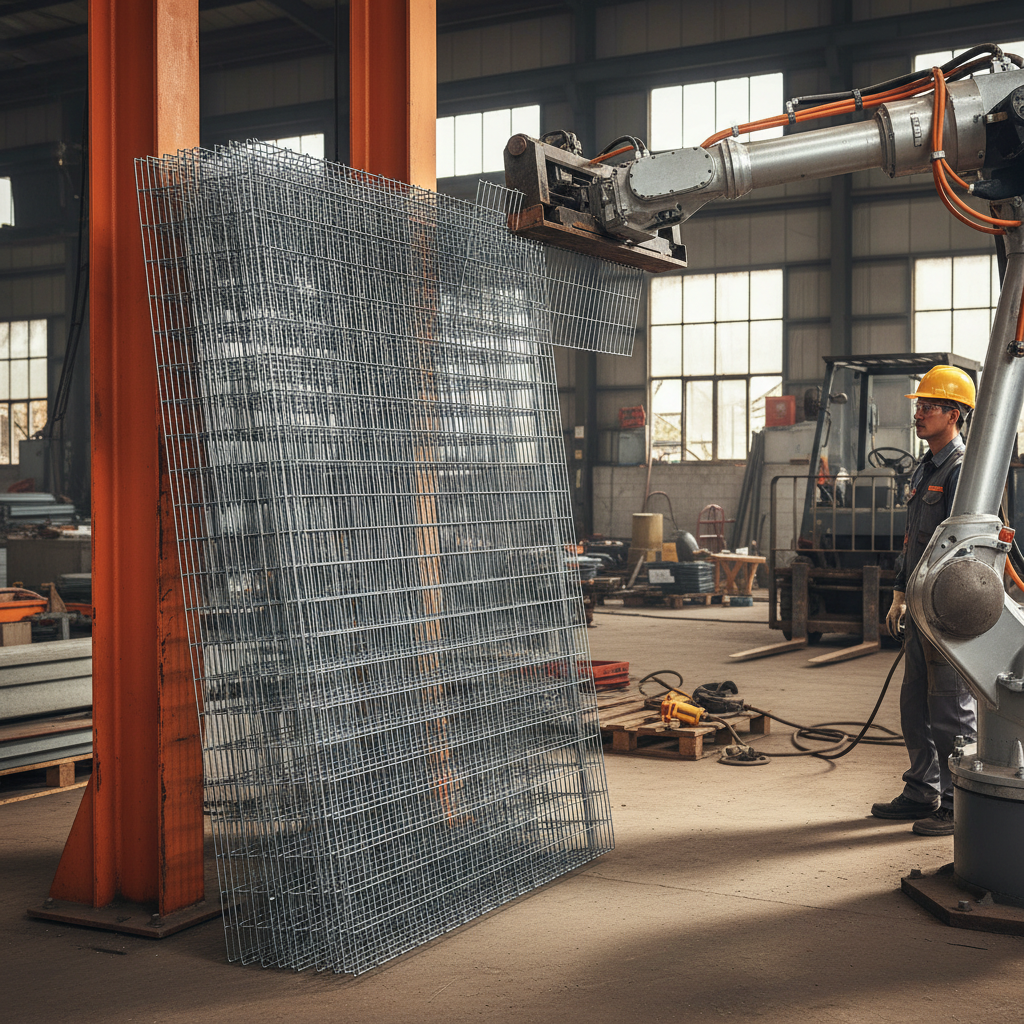 Comprehensive Guide to Durable 6 ft Welded Wire Fencing Panels and ApplicationsWhen selecting fencing for your property, 6 ft welded wire fencing panels offer a robust and versatile solution. These panels combine strength, security, and ease of installation, making them a popular choice for both residential and commercial applications. This article delves into the benefits, applications, installation, and maintenance of these panels, helping you make an informed decision.Read more >
Mar 31 2026