


Plain Weave Wire Mesh – Durable, Versatile Solutions for Global Needs
Understanding Plain Weave Wire Mesh and Its Worldwide Significance
If you’ve ever looked closely at a wire mesh, you might have noticed the pattern where wires cross each other in a simple over-and-under sequence—this is what we call plain weave wire mesh. It’s among the oldest and most fundamental weaving techniques, yet it still plays a critical role in modern industry and humanitarian applications. Now, you might ask, why does this matter on a global scale? Well, the plain weave mesh provides reliable filtration, structural strength, and protection in environments ranging from urban construction sites to remote disaster zones. The better we understand it, the more effectively we can apply it to solve complex filtration, containment, and safety issues worldwide.
So before diving deeper, imagine a material so versatile that it’s essential from refining drinking water to safeguarding sensitive infrastructure against unwanted intrusion. That’s plain weave wire mesh for you.
The Global Context: Why Plain Weave Wire Mesh Is More Relevant Than Ever
The world’s industrial footprint and infrastructure needs are expanding faster than ever. According to the United Nations, the global population will reach 9.7 billion by 2050, driving demand for cleaner water, safer buildings, and more efficient factories (1). And here comes the challenge: how do industries meet these needs sustainably and cost-effectively?
Plain weave wire mesh answers this by providing an adaptable and durable material solution for critical applications. From water treatment plants in Southeast Asia to mining operations in South America, the mesh’s uniform weave ensures performance consistency. In mining alone, for example, over 60% of separation and screening equipment uses some form of woven wire mesh (2).
Nonetheless, challenges remain, like balancing cost with strength and flexibility. Industry professionals often grapple with choosing the right mesh specifications to optimize productivity without overspending.
What Exactly Is Plain Weave Wire Mesh?
At its core, plain weave wire mesh consists of parallel wires woven with an alternating over-and-under technique, creating a grid-like pattern. This simple weaving makes it incredibly stable and straightforward to manufacture at scale. It’s also called the “over-under weave” due to this pattern.
Modern industries rely heavily on this mesh for filtering, reinforcement, and protection because of its predictable pore sizes and even strength distribution. For humanitarian efforts, it’s vital too—think barriers for safety, filtering, or even frameworks for temporary shelters. The plain weave’s straightforward design means it can be customized from very fine (micro mesh) to coarse sizes depending on need.
Mini takeaway:
- Plain weave wire mesh is a durable, versatile woven wire material defined by its simple over-under wire pattern.
- Its predictability and strength make it essential across many industries and humanitarian sectors.
Core Components of Plain Weave Wire Mesh and Why They Matter
1. Durability
The plain weave offers excellent mechanical stability. Since each wire alternates over and under the adjoining wires, the load distributes evenly. This helps the mesh endure heavy vibrations, impacts, and harsh weather. Engineers say it's like the “little engine that could” of woven meshes—small wires working together for big strength.
2. Scalability & Customization
Depending on wire diameter and mesh aperture (opening size), these meshes can be scaled up or down. From micron-level filtration (used in food production or pharmaceutical sectors) to large-scale fencing panels. This scalability lets industries tailor solutions precisely rather than settling for “one-size-fits-all.”
3. Cost Efficiency
Compared to more technical weave styles (like twill weave or Dutch weave), plain weave meshes are straightforward to produce and test. This means faster delivery, lower manufacturing overhead, and a more affordable price point—a key driver in budget-sensitive infrastructure projects worldwide.
4. Corrosion Resistance
Many plain weave meshes feature galvanized steel or stainless steel wires. This enhances their lifespan by resisting rust, especially critical for outdoor or marine environments—think ports, bridges, or coastal water treatment plants.
5. Simplicity in Testing & Certification
Due to consistent pore size and structure, quality control is easier than for more complex meshes. This predictability aligns well with certification bodies’ standards like ISO 9044 (3).
Mini takeaway:
- Durability and consistent weave make plain weave meshes reliable in harsh conditions.
- Its flexibility in size and material balances scalability with cost.
Plain Weave Wire Mesh in Action: Key Global Applications
Oddly enough, although it sounds basic, plain weave wire mesh appears in many high-tech scenarios:
- Water Filtration & Purification: In emerging economies, porous mesh filters sediment and microorganisms from drinking water. Given WHO’s ongoing water safety goals, mesh screens protect communities daily (4).
- Mining & Quarrying: Used for crushing and grading rocks. South America’s vast mining regions lean heavily on wire mesh for productivity and safety.
- Security Fencing: Plain weave mesh panels serve as barriers around airports, data centers, and industrial zones in Europe and North America.
- Construction: In reinforced concrete, the mesh adds tensile strength to concrete slabs, especially in Asia’s fast-growing urban zones.
- Disaster Relief & Humanitarian Use: Temporary shelters in cyclone-hit areas are sometimes constructed using frames draped with plain weave wire mesh to provide ventilation yet protection.
Mini takeaway:
The plain weave wire mesh’s functionality spans industries and continents, delivering scalable, reliable performance even in the most demanding conditions.
Advantages & Long-Term Benefits of Using Plain Weave Wire Mesh
Beyond just functionality, the mesh brings strategic benefits:
- Cost Savings: Lightweight and durable, less material waste occurs during installation, and fewer replacements are needed.
- Sustainability: Many manufacturers employ recyclable metals; long life reduces landfill waste.
- Enhanced Safety & Trust: In public spaces, well-installed mesh fences and screens create a sense of security without feeling oppressive.
- Innovation Catalyst: It enables R&D in filtration and construction methods, pushing industries forward.
Product Specification Table: Typical Plain Weave Wire Mesh Characteristics
| Specification | Details |
|---|---|
| Material | Stainless Steel 304/316, Galvanized Steel, Aluminum |
| Wire Diameter | 0.1 mm – 5 mm |
| Opening Size (Aperture) | 0.2 mm – 50 mm |
| Mesh Count | 5 – 200 mesh |
| Typical Width | 1 m – 3 m (roll width) |
| Standard Length | 10 m – 30 m (roll length) |
Comparing Top Vendors of Plain Weave Wire Mesh
| Vendor | Materials Offered | Customization | Global Reach | Lead Time |
|---|---|---|---|---|
| SteelWeave Inc. | Stainless Steel 304/316, Galvanized | Yes, custom aperture & diameter | North America, Europe | 4-6 weeks |
| Global Mesh Supplies | Aluminum, Stainless Steel | Standard sizes only | Asia, Africa, Australia | 2-4 weeks |
| WireCraft Solutions | Stainless Steel, Copper blends | Highly customizable | Europe, Middle East | 6-8 weeks |
Emerging Trends and Innovations in Plain Weave Wire Mesh Technology
It’s not often that woven wire mesh feels “cutting edge,” but that’s slowly changing. Recent developments include:
- Smart Mesh Integration: Embedding sensors within the mesh to monitor strain and corrosion remotely—a step toward digital transformation in materials.
- Eco-Friendly Coatings: New biodegradable or low-impact coatings aim to reduce the environmental footprint of mesh production.
- Advanced Alloys: Incorporating nickel or titanium blends to improve extreme environment resistance while remaining lightweight.
- Automation in Production: AI-driven looms that adapt wire tension dynamically for perfect weavings every time.
Overall, these trends point to meshes that are not just physically strong but smarter and more sustainable.
Common Challenges & Their Practical Solutions
Despite its benefits, plain weave wire mesh is not a universal fix. Common issues include:
- Corrosion in Harsh Environments: Even stainless steel can succumb to saltwater corrosion without proper coatings or material choice. Solution? Employ marine-grade materials and routine inspections.
- Limited Flexibility for Complex Filters: Plain weave meshes may not meet specialized filtration needs. Solution: Combine with secondary meshes or filters.
- Installation Errors: Improper tension or fixing compromises performance. Training and professional installation services help here.
Frequently Asked Questions About Plain Weave Wire Mesh
- What industries most commonly use plain weave wire mesh?
- Water treatment, mining, construction, and security sectors are the primary users, benefiting from its durability and customization potential.
- Can plain weave wire mesh be recycled?
- Yes, most plain weave meshes made from stainless steel and galvanized wire are recyclable, supporting circular economy initiatives.
- How do I choose the right mesh size for filtration?
- Consider the particle size you want to filter out—the aperture size should be smaller than the particle diameter. Consulting with vendors helps tailor specifications.
- Is plain weave mesh suitable for outdoor fences?
- Absolutely. Its strength and corrosion resistance make it ideal for perimeter security and fencing in varied climates.
- Where can I learn about international shipping regulations for wire mesh?
- Checking with international trade organizations and customs authorities ensures compliance; many vendors provide guidance based on destination.
Wrapping Up: Why Plain Weave Wire Mesh Remains an Unsung Hero
In a world hungry for reliable, sustainable, and versatile materials, plain weave wire mesh quietly powers countless critical processes. Whether safeguarding water purity in developing regions or forming the backbone of industrial screens, its simplicity and dependability make it uniquely valuable. If your next project demands strength, consistency, and adaptability, it’s worth considering this classic material—we’ve seen it time and again deliver beyond expectations.
Want to learn more or request a sample? Visit us at https://www.chbarrier.com and see how plain weave wire mesh can fit your needs.
References
- United Nations Department of Economic and Social Affairs, "World Population Prospects" (https://population.un.org/wpp/)
- International Mining Association, "Trends in Screening and Separation Equipment", 2022 Report
- International Organization for Standardization (ISO), ISO 9044:2003 - Metallic materials — Woven wire meshes — Determination of nominal opening size, wire diameter and open areas (https://www.iso.org/standard/30194.html)
- World Health Organization, "Drinking-water" factsheet (https://www.who.int/news-room/fact-sheets/detail/drinking-water)
Latest News About CHENG CHUANG
-
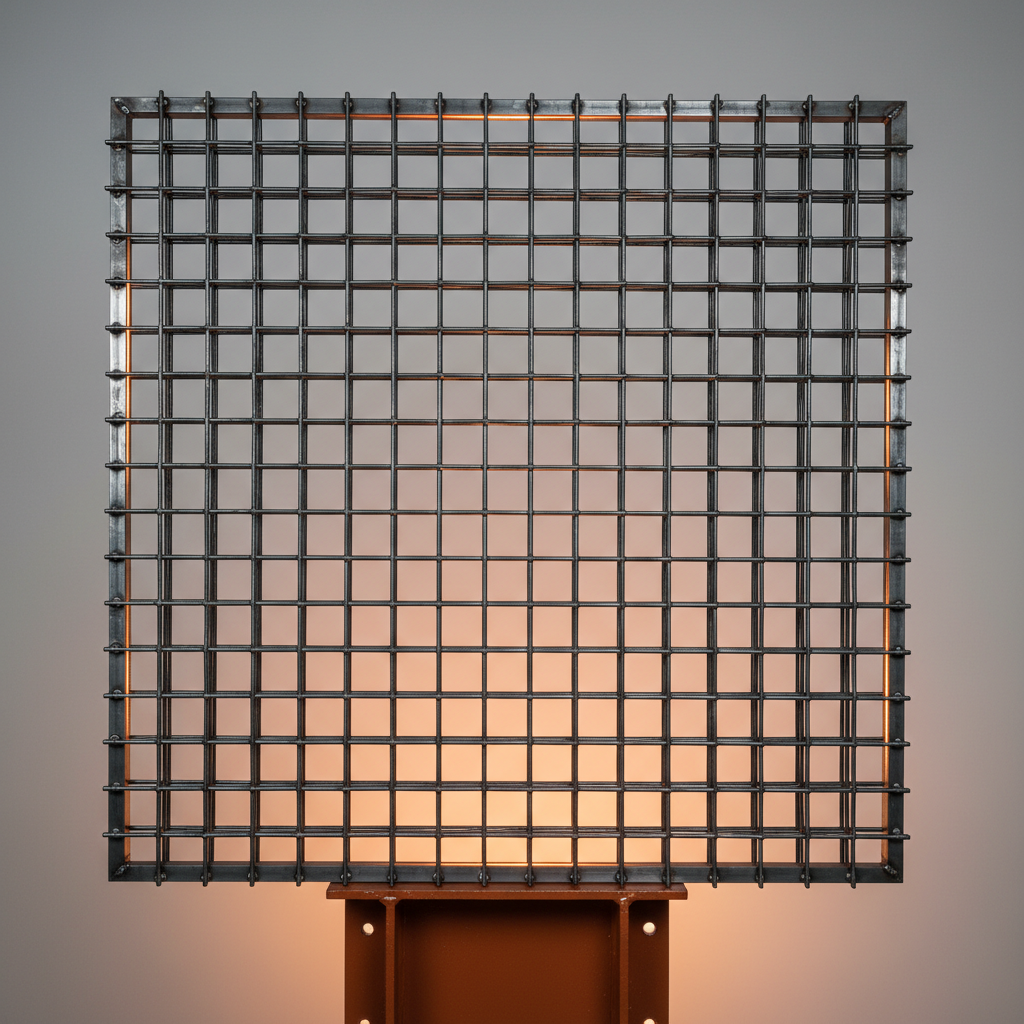 Heavy Duty 6 gauge welded wire mesh for Security and StrengthWhen it comes to heavy-duty containment, security, and structural reinforcement, choosing the right material is critical. The 6 gauge welded wire mesh stands as a premier choice for those requiring a balance of extreme rigidity and precise spacing. Whether you are securing a commercial perimeter, building industrial livestock panels, or creating reinforced concrete structures, this specific thickness provides the structural integrity needed to withstand significant pressure and impact. In this comprehensive guide, we will explore the technical specifications, primary applications, and why this mesh is the gold standard for high-security fencing solutions.Read more >
Apr 16 2026
-
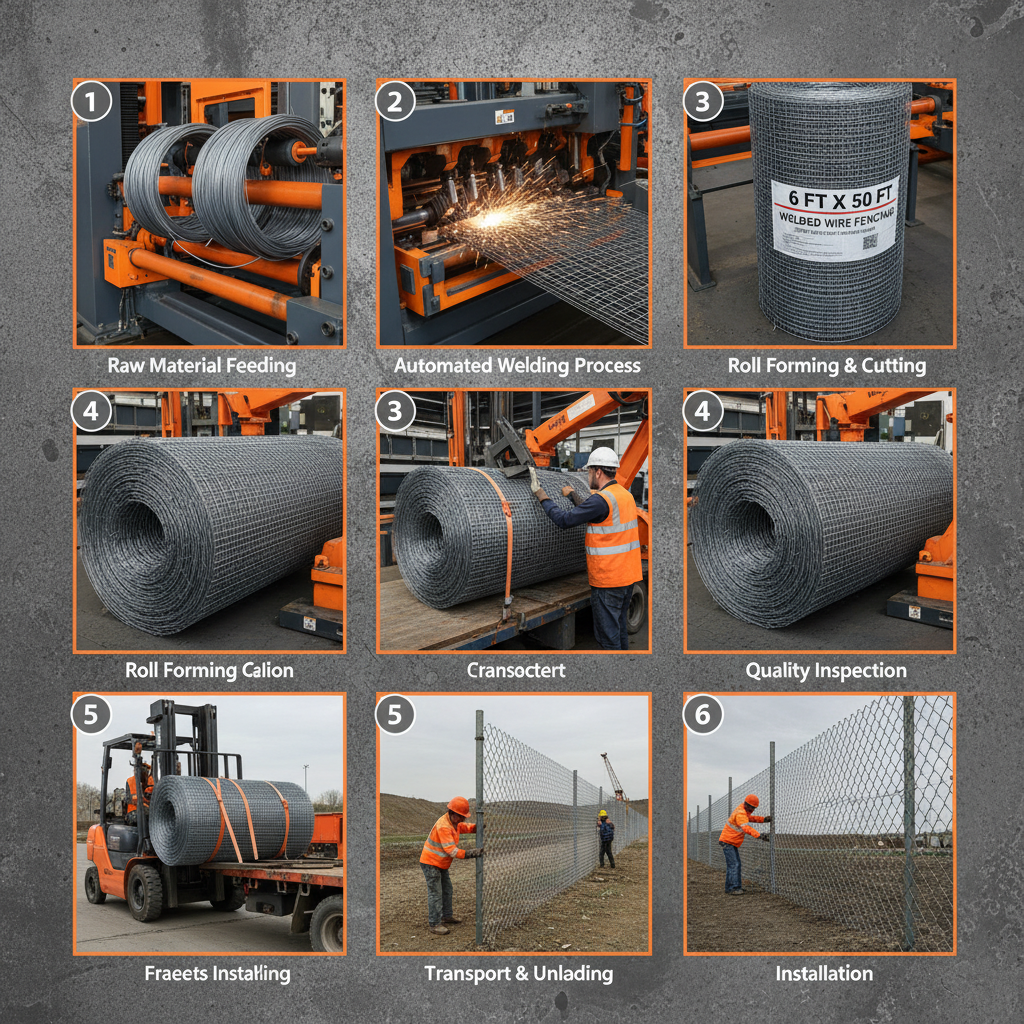 Durable 6 ft x 50 ft welded wire fencing for Security and GardensWhen it comes to securing a perimeter, whether for agricultural use, garden protection, or industrial boundaries, the dimensions and material of your fence matter. The 6 ft x 50 ft welded wire fencing offers an ideal balance of height and length, providing a robust barrier that is easy to install and maintain. Choosing a welded wire system ensures that the intersections are fused together, preventing the shifting and sagging often found in woven alternatives. In this guide, we will explore why this specific size is a preferred choice for property owners and how to maximize its effectiveness for your specific project.Read more >
Apr 09 2026
-
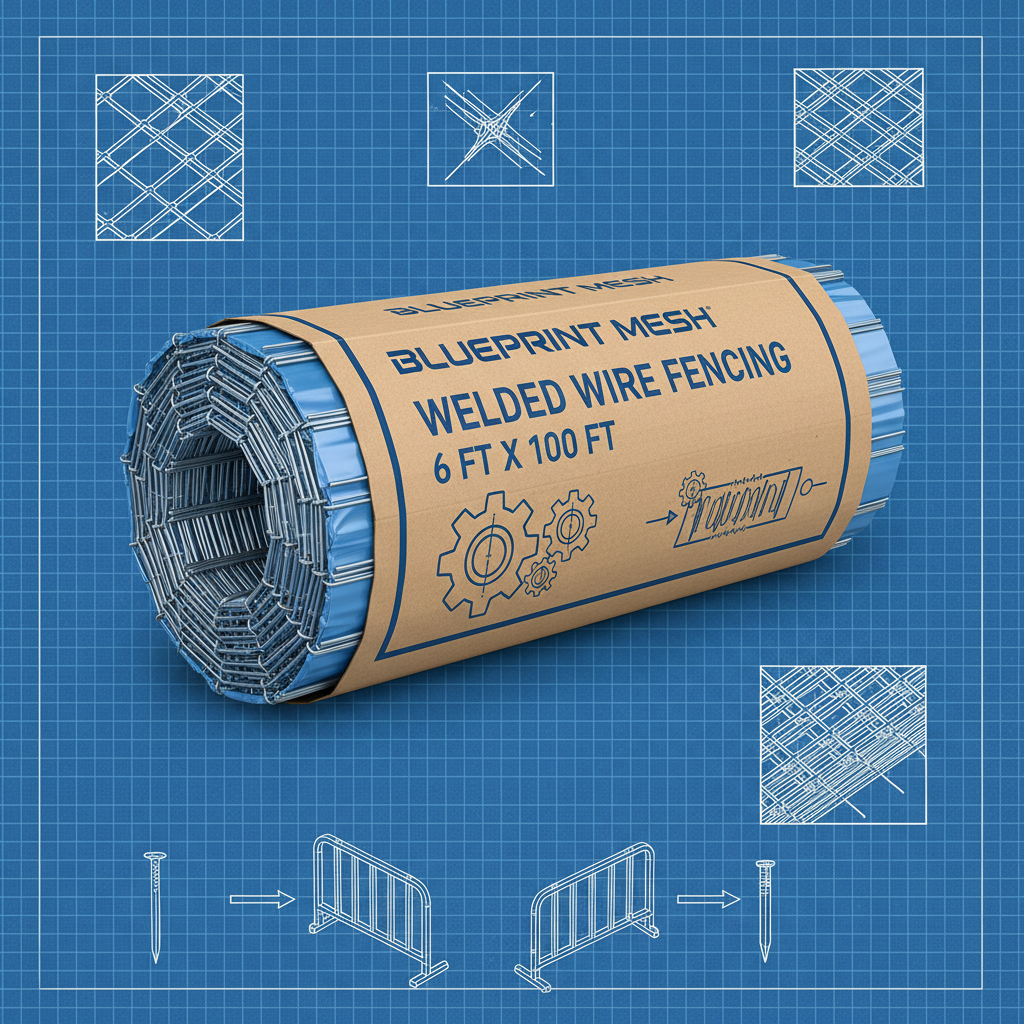 Comprehensive Guide to Choosing the Best 6 ft x 100 ft Welded Wire FencingWelded wire fencing is a versatile and cost-effective solution for a wide range of applications, from agricultural containment to residential security. Understanding the nuances of different types, especially when considering a size like 6 ft x 100 ft welded wire fencing, is crucial for making the right investment. This article will guide you through the essential factors to consider, helping you select the fencing that best suits your specific requirements.Read more >
Apr 07 2026
-
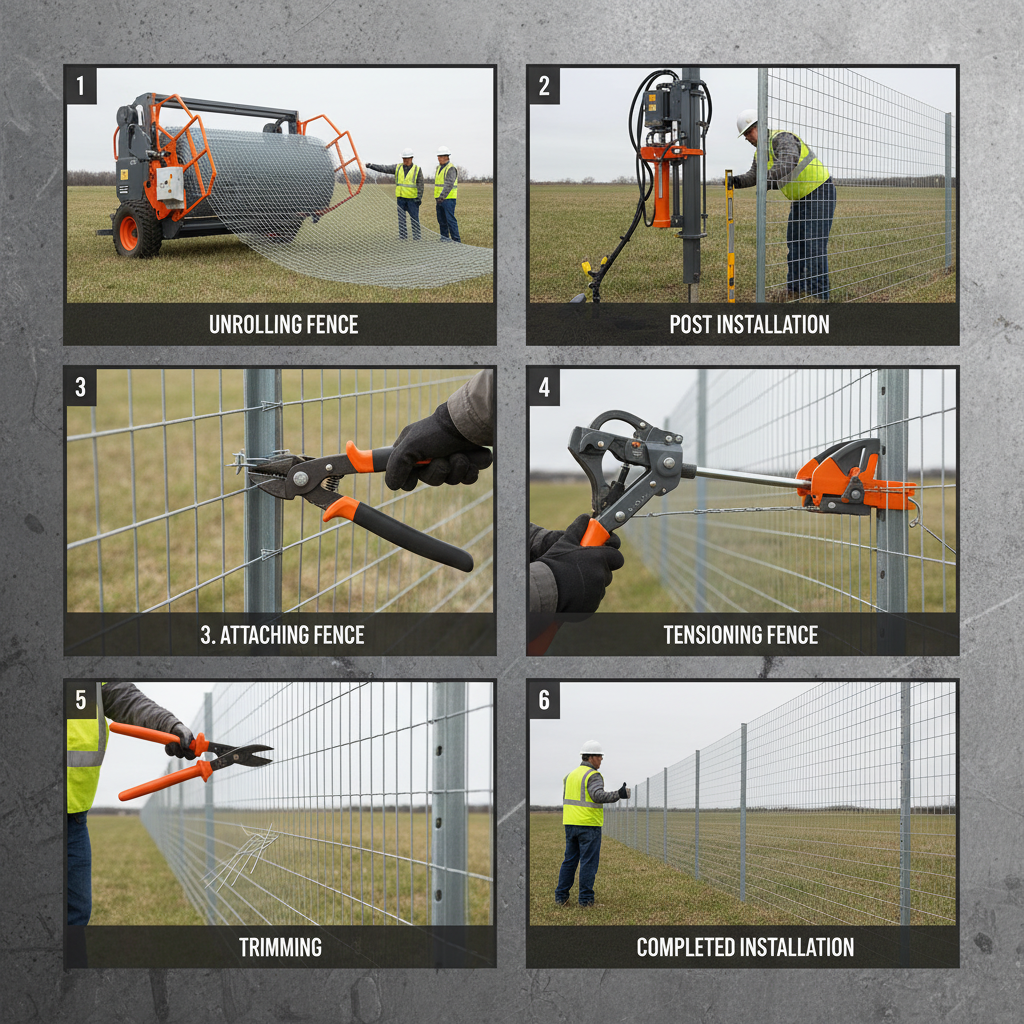 Comprehensive Guide to Choosing a 6 ft x 100 ft 12.5 Gauge Welded Wire FenceSelecting the appropriate fence for your property requires careful consideration. A 6 ft x 100 ft 12.5 gauge welded wire fence offers a robust and versatile solution for a variety of applications, from pet containment to garden protection and security. This guide will explore the benefits, applications, installation tips, and considerations when choosing this type of fencing. Understanding its construction and comparing it to other fencing options will help you make an informed decision.Read more >
Apr 04 2026
-
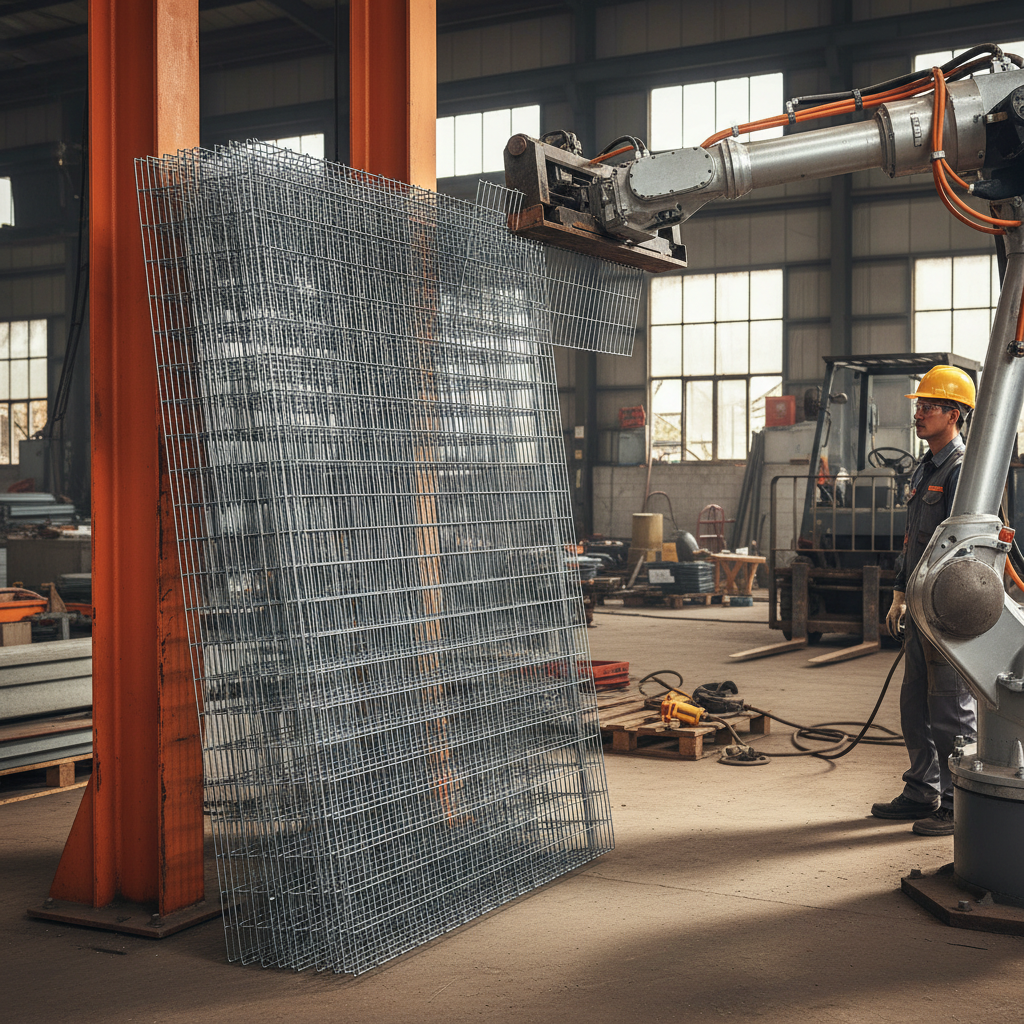 Comprehensive Guide to Durable 6 ft Welded Wire Fencing Panels and ApplicationsWhen selecting fencing for your property, 6 ft welded wire fencing panels offer a robust and versatile solution. These panels combine strength, security, and ease of installation, making them a popular choice for both residential and commercial applications. This article delves into the benefits, applications, installation, and maintenance of these panels, helping you make an informed decision.Read more >
Mar 31 2026