


Plaster Netting – Durable Mesh Solutions for Modern Construction & Relief Efforts
Plaster Netting: The Unsung Hero in Construction and Beyond
In an industry where every detail matters, plaster netting might sound like a small player, but it’s a surprisingly global affair. Essentially, it’s a mesh that holds plaster to walls, ceilings, and surfaces, but its reach extends far beyond that. From disaster relief shelters to new smart building trends, understanding plaster netting means better durability, safety, and innovation for construction projects worldwide.
Think about it: over 30% of global construction materials are wasted annually according to a UN Environment report — plaster netting helps cut that loss by improving plaster adhesion and reducing cracks. That’s why industries—whether commercial or humanitarian—are turning their attention to this material.
The Broader Context: Why Plaster Netting Matters Globally
Globally, construction expands at breakneck speed, especially in emerging economies, where urbanization rates can top 2% a year. But this growth isn’t without challenges. Poor-quality wall finishes lead to moisture damage, higher maintenance costs, and sometimes health hazards from mold. Here, plaster netting plays a critical part.
According to ISO standards on construction materials, integrating proper base layers like plaster netting reduces crack formation by up to 40%. In practical terms, this means longer-lasting walls and safer homes.
Yet, the challenge lies in supply chain inconsistencies and the technical know-how required to install it correctly. This gap particularly impacts rural and disaster-prone regions, where walls are often hastily constructed. Plaster netting addresses that head-on, creating a reliable physical framework for plaster or render.
Mini takeaway: Understanding plaster netting’s role isn’t just about a mesh. It’s about futureproofing walls, homes, and human safety on a global scale.
Plaster Netting — What Is It, Really?
In simple terms, plaster netting is a type of woven or welded mesh—usually galvanized steel or PVC-coated—that acts as a substrate for plaster or stucco. The mesh acts like scaffolding at the microscopic level, gripping the plaster and forming a stable, flexible base. This is essential when applying materials on rough or uneven surfaces or creating architectural details that need extra support.
On the humanitarian front, plaster netting is invaluable for making quick, sturdy shelters. NGOs implementing temporary housing in flood or earthquake zones often incorporate it to make sure walls hold together better under strain. The mesh’s affordability and ease of transport make it a subtle but critical aid component.
Mini takeaway: It’s a simple product that’s easy to overlook, but plaster netting is key in marrying material strength with flexible designs, especially where resources are tight.
Key Factors Shaping the Effectiveness of Plaster Netting
1. Durability and Corrosion Resistance
Most plaster netting is galvanized or PVC-coated to resist rust — and, frankly, this determines lifespan. Where you expect heavy moisture or acid rain, a durable coating can be the difference between a five-year patch and a 20-year reliable surface.
2. Mesh Size and Thickness
The size of the openings in the netting and thickness of the wire impact plaster adhesion. Smaller mesh sizes help plaster grip better but might add weight or cost, while larger sizes allow easier plaster penetration — the balance depends on application needs.
3. Flexibility and Formability
Some projects require netting that conforms easily to curves or complex shapes. Flexible plaster netting (especially PVC-coated versions) lends itself better to modern architecture or artistic facades.
4. Cost Efficiency
At the end of the day, it’s about budget, especially in large projects or emergency builds. Price-per-square meter varies widely, but smart sourcing and choosing the right type can save thousands.
5. Environmental Impact
Increasingly, buyers demand materials with a lower carbon footprint. PVC-coated nets, while corrosion-resistant, have environmental downsides compared to steel. Some vendors now offer recycled steel meshes—a step in the right direction.
| Feature | Standard Range | Notes |
|---|---|---|
| Material | Galvanized Steel, PVC-coated Steel | Steel preferred for strength; PVC adds corrosion protection |
| Mesh Size | 12–50 mm square openings | Smaller meshes for detail work; larger for quick plaster adherence |
| Wire Diameter | 0.8–1.5 mm | Thicker wire adds rigidity |
| Roll Size | 1 m width x 10 m length | Standardized for easy transport and cutting |
| Weight | 200–500 g/m² | Depends on wire thickness and coating |
Mini takeaway: Choosing plaster netting is a balance of strength, flexibility, and cost, shaped by the project’s specific needs.
Global Applications & Real-World Use Cases of Plaster Netting
Oddly enough, the practical uses of plaster netting are as varied as construction itself. In harsh climates—think Middle East or coastal Europe—it stops plaster from cracking due to temperature swings and humidity. Industrial zones use it for protective coatings around sensitive infrastructure.
Humanitarian organizations like the Red Cross rely on plaster netting for rebuilding homes after disasters, as it enables quicker plaster application and stronger walls without heavy machinery. In remote African and Asian regions, plaster netting combined with local clay or cement is a cost-effective way to improve shelter safety, insulation, and durability.
Architects designing sculpted facades often use specialized mesh as a base for complex shapes that plaster alone can’t hold.
Mini takeaway: While plaster netting is low-tech, it’s incredibly versatile, crossing continents and sectors, from fancy stores in Milan to emergency shelters in Nepal.
Advantages & Long-Term Benefits of Using Plaster Netting
- Cost Savings: Less plaster wastage, fewer repairs, and quicker application save money.
- Structural Integrity: Significantly reduces cracks and plaster delamination, improving longevity.
- Sustainability: Encourages reuse and repair over demolition.
- Safety & Comfort: Sound insulation improves; more airtight walls resist drafts and mold.
- Social Impact: Stable housing supports dignity and recovery for displaced families.
In real terms, it’s a small investment that pays dividends in both the emotional wellbeing of inhabitants and the financial health of projects. Many engineers say it’s a “no brainer” for quality finishes.
Future Outlook: Innovations in Plaster Netting Technology
The industry isn’t standing still. We’re seeing bio-based coatings that reduce plastic use and steel meshes made from recycled content. Robotics and drones might soon automate plaster netting installation, making it faster and safer. Digital modeling helps architects optimize mesh layouts so no material is wasted, aligning with circular economy principles.
Plus, some vendors are integrating antimicrobial coatings that can inhibit mold growth — a game-changer in humid or tropical climates. And I must say, the push for green building certifications is nudging companies to rethink materials like plaster netting for sustainability.
Common Challenges and How Experts Suggest Overcoming Them
Plaster netting isn’t without its hurdles. Installation errors—like improper tension or overlap—can create weak points. It’s also vulnerable to corrosion if the coating is damaged.
However, training installers better and choosing higher-grade products with warranties have proven effective. Some innovators are trialing hybrid mesh composites to combine flexibility with strength.
Supply chain hiccups also pose problems in remote areas; this is where local fabrication or bulk shipments help ensure continuous availability.
FAQ: Frequently Asked Questions About Plaster Netting
- What types of plaster are best used with plaster netting?
- Most cement-based and lime plasters work well with plaster netting. Avoid gypsum plaster outdoors as it’s less durable. The mesh provides a mechanical key, so consistency in plaster mix is key.
- Can plaster netting be used for curved or decorative surfaces?
- Yes, flexible PVC-coated mesh is excellent for shaping facades or complex shapes. It keeps the plaster supported while allowing creative designs.
- How long does plaster netting typically last when properly installed?
- With galvanized or coated steel, you can expect 15–25 years or more, depending on environmental exposure. Protective coatings are a must to prevent rust and degradation.
- Is plaster netting recyclable or environmentally friendly?
- Steel-based meshes are recyclable, and some manufacturers use recycled steel. PVC coatings are less eco-friendly, though new bio-polymers are emerging.
- Where can I buy high-quality plaster netting for construction or relief projects?
- Check our website for reliable suppliers offering certified, durable plaster netting suitable for many applications.
Quick Comparison: Top Plaster Netting Vendors
| Vendor | Material Options | Price Range (USD/m²) | Lead Time | Sustainability |
|---|---|---|---|---|
| CHCH Fence Co. | Galvanized & PVC-coated Steel | $1.80 – $2.20 | 2–3 weeks | Recycled steel & eco-packaging |
| Global Mesh Ltd. | Galvanized Steel Only | $1.50 – $1.75 | 3–4 weeks | Standard steel |
| EcoPlas Mesh | PVC-coated, Biopolymer Mesh | $2.20 – $2.70 | 4–5 weeks | Bio-based, recyclable |
Wrapping Up: Why Plaster Netting Should Matter to You
Plaster netting is one of those “invisible” building materials that quietly keeps structures safe, sustainable, and sound. Whether you’re an architect, contractor, or humanitarian aid worker, understanding its nuances helps your projects last longer and perform better — not to mention cost less over time.
Interested in quality plaster netting that meets global standards and suits your project needs? Visit our website: https://www.chbarrier.com — we offer a range of reliable options and expertise to support your next build.
Final thought:
Sometimes it’s the mesh behind the scenes that makes all the difference — literally holding your world together.
References:
Latest News About CHENG CHUANG
-
 Heavy Duty 6 gauge welded wire mesh for Security and StrengthWhen it comes to heavy-duty containment, security, and structural reinforcement, choosing the right material is critical. The 6 gauge welded wire mesh stands as a premier choice for those requiring a balance of extreme rigidity and precise spacing. Whether you are securing a commercial perimeter, building industrial livestock panels, or creating reinforced concrete structures, this specific thickness provides the structural integrity needed to withstand significant pressure and impact. In this comprehensive guide, we will explore the technical specifications, primary applications, and why this mesh is the gold standard for high-security fencing solutions.Read more >
Apr 16 2026
-
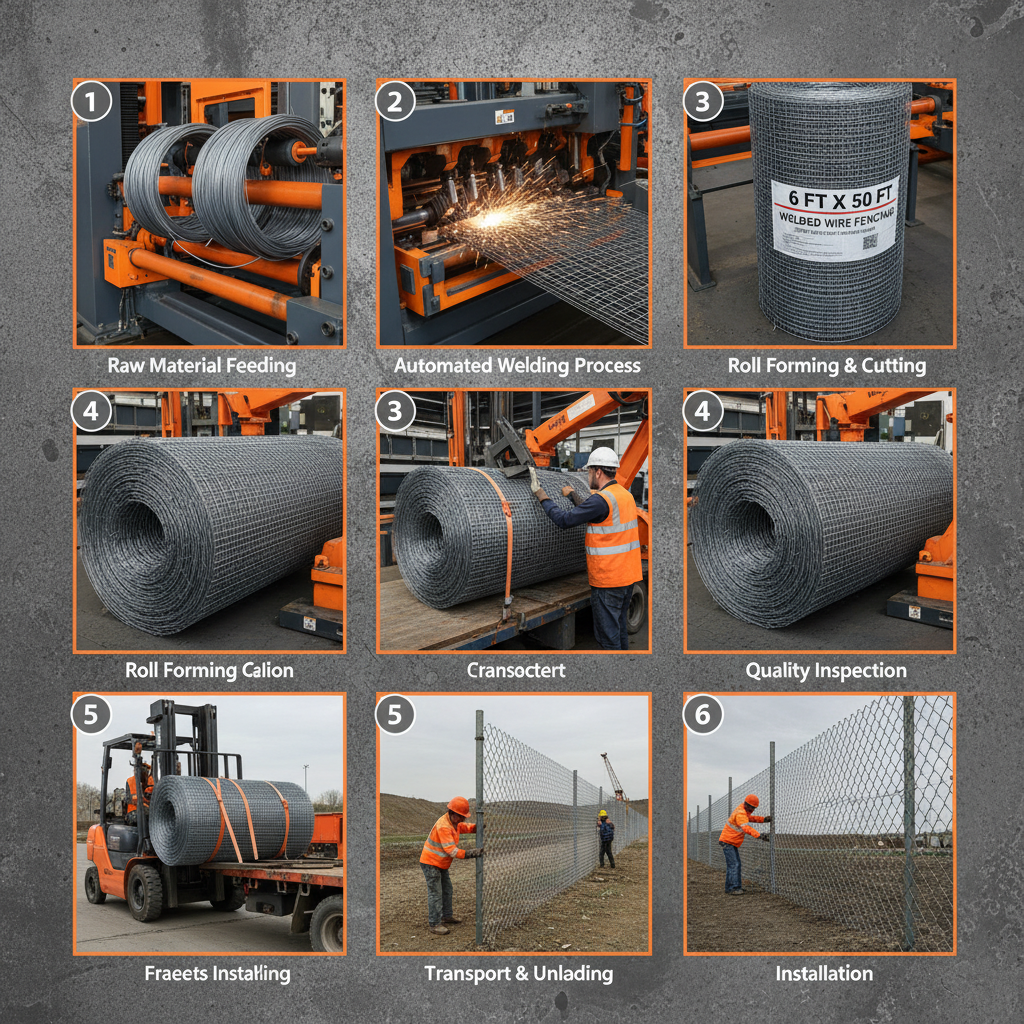 Durable 6 ft x 50 ft welded wire fencing for Security and GardensWhen it comes to securing a perimeter, whether for agricultural use, garden protection, or industrial boundaries, the dimensions and material of your fence matter. The 6 ft x 50 ft welded wire fencing offers an ideal balance of height and length, providing a robust barrier that is easy to install and maintain. Choosing a welded wire system ensures that the intersections are fused together, preventing the shifting and sagging often found in woven alternatives. In this guide, we will explore why this specific size is a preferred choice for property owners and how to maximize its effectiveness for your specific project.Read more >
Apr 09 2026
-
 Comprehensive Guide to Choosing the Best 6 ft x 100 ft Welded Wire FencingWelded wire fencing is a versatile and cost-effective solution for a wide range of applications, from agricultural containment to residential security. Understanding the nuances of different types, especially when considering a size like 6 ft x 100 ft welded wire fencing, is crucial for making the right investment. This article will guide you through the essential factors to consider, helping you select the fencing that best suits your specific requirements.Read more >
Apr 07 2026
-
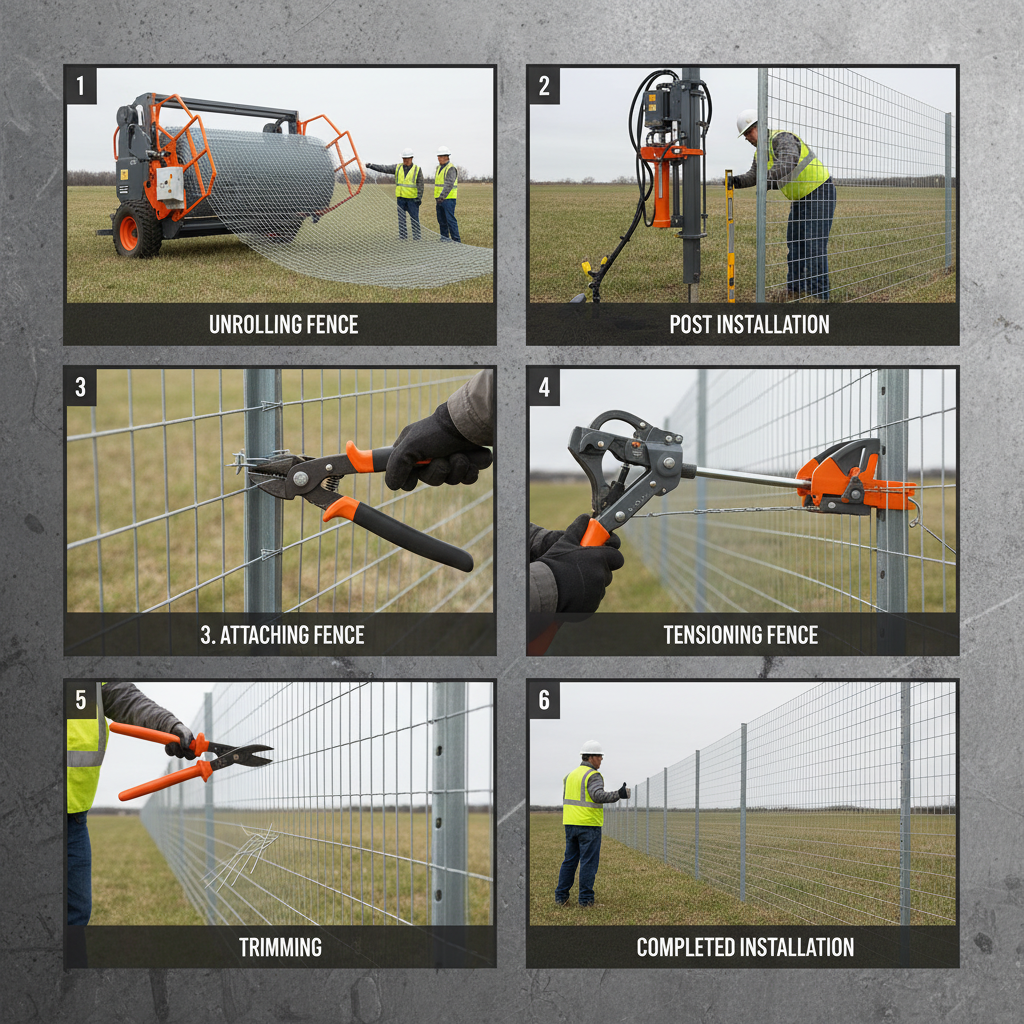 Comprehensive Guide to Choosing a 6 ft x 100 ft 12.5 Gauge Welded Wire FenceSelecting the appropriate fence for your property requires careful consideration. A 6 ft x 100 ft 12.5 gauge welded wire fence offers a robust and versatile solution for a variety of applications, from pet containment to garden protection and security. This guide will explore the benefits, applications, installation tips, and considerations when choosing this type of fencing. Understanding its construction and comparing it to other fencing options will help you make an informed decision.Read more >
Apr 04 2026
-
 Comprehensive Guide to Durable 6 ft Welded Wire Fencing Panels and ApplicationsWhen selecting fencing for your property, 6 ft welded wire fencing panels offer a robust and versatile solution. These panels combine strength, security, and ease of installation, making them a popular choice for both residential and commercial applications. This article delves into the benefits, applications, installation, and maintenance of these panels, helping you make an informed decision.Read more >
Mar 31 2026