


Polyurethane Mesh: Durable, Versatile, and Sustainable Solutions for Industry & Relief
The Growing Importance of Polyurethane Mesh in Today’s World
Polyurethane mesh might sound like industry jargon, but it’s quietly becoming a vital material across various global sectors — from construction to humanitarian aid. Seriously, understanding this stuff isn’t just for engineers or materials experts anymore. As challenges like climate change, disaster relief, and sustainable manufacturing mount worldwide, polyurethane mesh provides flexible solutions with some impressive benefits.
Why care about it? Well, its unique properties — strength, durability, and adaptability — help address critical problems like erosion control, filtration, protective barriers, and even medical applications. Plus, with production ramping up and costs dropping, it's more accessible to markets that really need it.
Why Polyurethane Mesh Matters Globally
The world is increasingly interconnected, but it’s also facing some tough hurdles — environmental, infrastructure-wise, and social. According to the United Nations, extreme weather events have increased the demand for resilient, cost-effective materials that can be deployed quickly and last long. And here’s where polyurethane mesh strides in. ISO standards now recognize its strength characteristics, making it a trusted option in critical systems.
Industries ranging from agriculture in sub-Saharan Africa to industrial filtration in Europe, and coastal erosion projects in Southeast Asia, all benefit. The same goes for humanitarian groups that need materials which are lightweight, strong, and easy to ship. Frankly, without such options, rebuilding or maintaining infrastructure under difficult conditions would be far more expensive and slower.
Mini takeaway:
- Polyurethane mesh is globally relevant due to durability and versatility
- It helps address major industry and environmental challenges
What Exactly Is Polyurethane Mesh?
Simply put, polyurethane mesh is a type of fabric or netting made from polyurethane polymers, designed with an open structure to allow air, water, or other fluids to pass through while providing mechanical strength. Imagine a web-like sheet that’s waterproof yet breathable and resistant to chemicals and abrasion. Different weaves or grid sizes tailor its properties for specific uses.
Its roots come from a need for materials that are both flexible and tough, bridging a gap that traditional plastics or metal meshes sometimes can’t fill. In industry, it’s used for filtration, reinforcement, and surface protection. In humanitarian settings, its light weight and durability make it perfect for temporary fencing or protective coverings.
Mini takeaway:
- Polyurethane mesh is a flexible, durable net-like material made from polymers.
- It combines breathability with mechanical strength to serve diverse roles.
Key Factors That Make Polyurethane Mesh Stand Out
Durability and Weather Resistance
This mesh endures harsh environments — UV exposure, moisture, chemical contact — without degrading quickly. Engineers often praise how it retains strength far longer than some other polymer meshes.
Flexibility and Weight
Unlike metal grids, polyurethane mesh bends without cracking and is light enough for easy transport. This means less strain during installation and lower shipping costs.
Cost Efficiency
While production techniques vary, generally polyurethane mesh costs less than metal alternatives when you consider longevity and maintenance. Many procurement officers I spoke to find the lifecycle cost savings pretty convincing.
Customization and Scalability
From pore size to thickness, manufacturers can tailor this mesh to different needs — whether that means micro-filtration or robust fencing.
Environmental Compatibility
Recyclability and the possibility to produce mesh with bio-based polyurethanes point to a greener future, aligning with global sustainability goals like those tracked by the ISO 14001 Environmental Management standard.
Mini takeaway:
- Durability, flexibility, and cost effectiveness set polyurethane mesh apart
- Its adaptability fits a range of industrial and humanitarian applications
Real-World Applications Around the Globe
In disaster relief zones, especially after floods or earthquakes, polyurethane mesh serves as fast-setup fencing or protective covers for supplies and temporary shelters. The lightweight design means NGOs can fly in larger quantities without excess freight costs.
Agriculture in arid regions uses it to prevent soil erosion and control sand movement, improving crop yields and protecting farmland. Coastal countries deploy it in erosion control projects, reinforcing sand dunes and retaining substrates without undue ecological harm.
Industrially, wastewater treatment plants rely on polyurethane mesh for high-efficiency filtration systems, as the material’s chemical resistance and mechanical qualities extend maintenance intervals drastically compared to other meshes.
| Application | Region/Industry | Benefit |
|---|---|---|
| Temporary fencing & shelter covers | Disaster relief (Asia, Africa) | Rapid deployment, lightweight, durable |
| Soil/sand erosion control mesh | Agriculture/coastal (Australia, Middle East) | Prevents erosion, eco-friendly |
| Filtration media for wastewater | Industrial plants (Europe, North America) | Chemical resistance, long service life |
Mini takeaway:
- Polyurethane mesh’s flexibility enables uses worldwide, in emergencies and industry
- Its roles range from erosion control to complex filtration
The Advantages and Lasting Value of Polyurethane Mesh
It’s no surprise that stakeholders in engineering and environmental sectors feel quite optimistic about polyurethane mesh. Not only is it a solid investment financially, but it also carries social and ecological value. For example, the mesh’s durability translates into less waste, so fewer replacement cycles and lower landfill impact.
From a social angle, using reliable materials for shelter and protection helps ensure dignity and safety for vulnerable populations. There’s an emotional component here, trust in the equipment that’s holding up some fragile structure against the elements.
Industrially, reduced downtime due to mesh failure means smoother operations and less interruption, a boon for factories and treatment plants alike. All told, polyurethane mesh fits neatly into the broader push toward sustainability — not just “green” marketing, but real, long-term impact.
Emerging Trends and Innovations to Watch
Looking forward, the field is buzzing about combining polyurethane mesh with smart materials and sensors for “intelligent” filtration or responsive flood barriers. Imagine a mesh that changes porosity with weather conditions or signals wear before failure.
Plus, greener polyurethanes derived from bio-based feedstocks are pushing both cost and environmental impact down. Automation and 3D weaving tech help create complex mesh geometries, sharpening performance for niche uses.
Governments, especially under policies aligned with the UN Sustainable Development Goals, are funding research to accelerate these innovations — not just for rich countries but also developing regions.
Challenges & Smart Solutions
Of course, not everything is perfect. Issues like UV degradation over very long exposures or the cost barrier in extremely low-income settings still exist. Also, recycling polyurethane mesh isn’t always straightforward without proper facilities.
Experts recommend integrating additives to improve UV resistance and building local recycling capacities using modular take-back programs. Plus, partnerships between manufacturers and NGOs help tailor products affordably. It feels like these challenges will become manageable with continued innovation and collaboration.
FAQ: Your Polyurethane Mesh Questions Answered
- What makes polyurethane mesh better than traditional metal meshes?
- Polyurethane mesh weighs much less, offers better corrosion resistance, and is easier to customize in terms of elasticity and pore size. Plus, it generally costs less when lifecycle factors like maintenance and replacement are included.
- How long does polyurethane mesh last in outdoor environments?
- With proper UV stabilizers, polyurethane mesh can remain functional for 5-10 years outdoors, depending on climate. In harsher environments, it may degrade faster unless special additives are used.
- Is polyurethane mesh recyclable?
- Yes, but recycling requires dedicated facilities due to polymer complexity. Increasingly, bio-based options and take-back schemes aim to improve recyclability and reduce waste.
- Can polyurethane mesh be customized for specific industry needs?
- Absolutely. Manufacturers can tailor pore size, thickness, color, and strength parameters to fit applications like filtration, fencing, or erosion control.
- How do NGOs source polyurethane mesh for international aid projects?
- Many NGOs partner with specialized suppliers who understand logistical and compliance issues. Bulk ordering with clear specifications via trusted vendors ensures smooth imports and faster deployment.
Conclusion: Why Polyurethane Mesh is a Future-Proof Choice
So there it is — polyurethane mesh isn’t just a niche polymer web. It’s a versatile, durable, and increasingly sustainable material answering complex modern challenges. Whether you work in disaster relief, industrial filtration, or environmental management, the opportunities it opens up are pretty compelling. If you want to explore practical products or connect with trusted suppliers, I suggest visiting our website to find out more and see current offerings tailored to your needs.
| Specification | Typical Values | Notes |
|---|---|---|
| Material | Thermoplastic Polyurethane (TPU) | High abrasion and chemical resistance |
| Mesh Opening Size | 0.5 - 10 mm | Customizable per application |
| Tensile Strength | 10 - 30 MPa | Depends on polymer formulation |
| UV Resistance | Excellent with additives | Can extend life by 5+ years |
| Thickness | 0.2 - 3 mm | Adjustable for weight and strength |
| Vendor | Core Strengths | Industries Served | Availability |
|---|---|---|---|
| CHCH Fence | Custom polyurethane mesh, rapid delivery | Construction, disaster relief, agriculture | Global, with regional warehouses |
| Global Poly Mesh Inc. | Innovative polymer blends, R&D focus | Industrial filtration, automotive | North America, Europe |
| EcoWeave Solutions | Bio-based TPU meshes, sustainable focus | Environmental, agricultural | Asia-Pacific |
In closing, the outlook is promising. Polyurethane mesh blends advanced chemistry with real-world usefulness. As the world sets higher bars for materials that perform but also care for the planet, this mesh catches that sweet spot — and that’s worth watching closely.
References:
Latest News About CHENG CHUANG
-
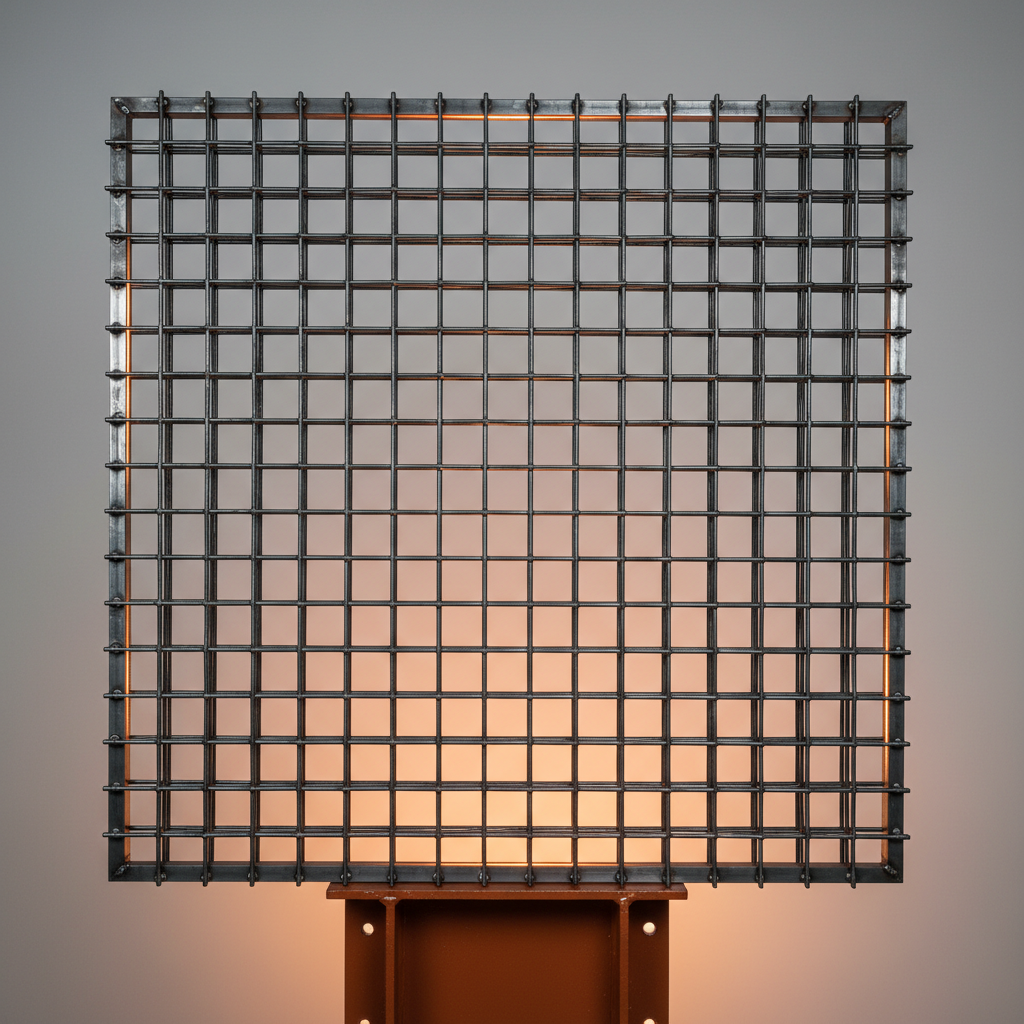 Heavy Duty 6 gauge welded wire mesh for Security and StrengthWhen it comes to heavy-duty containment, security, and structural reinforcement, choosing the right material is critical. The 6 gauge welded wire mesh stands as a premier choice for those requiring a balance of extreme rigidity and precise spacing. Whether you are securing a commercial perimeter, building industrial livestock panels, or creating reinforced concrete structures, this specific thickness provides the structural integrity needed to withstand significant pressure and impact. In this comprehensive guide, we will explore the technical specifications, primary applications, and why this mesh is the gold standard for high-security fencing solutions.Read more >
Apr 16 2026
-
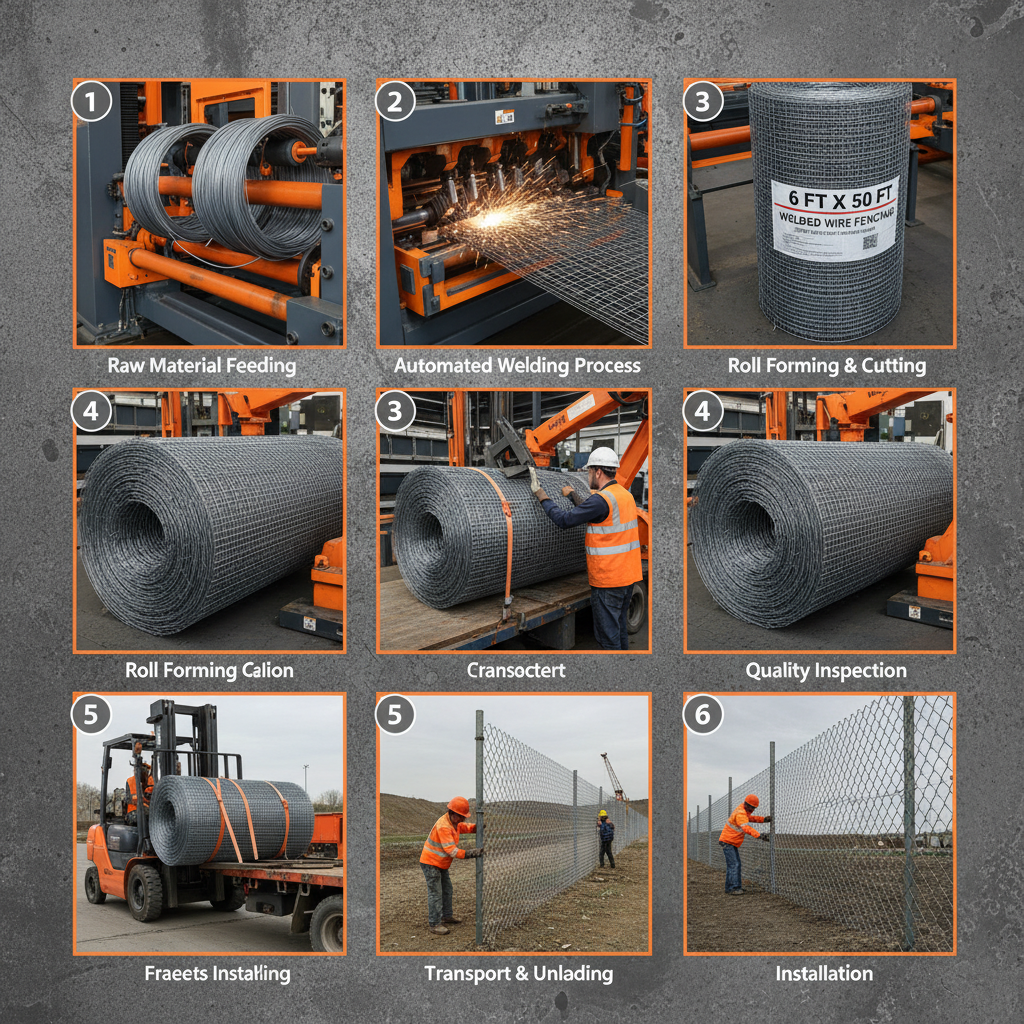 Durable 6 ft x 50 ft welded wire fencing for Security and GardensWhen it comes to securing a perimeter, whether for agricultural use, garden protection, or industrial boundaries, the dimensions and material of your fence matter. The 6 ft x 50 ft welded wire fencing offers an ideal balance of height and length, providing a robust barrier that is easy to install and maintain. Choosing a welded wire system ensures that the intersections are fused together, preventing the shifting and sagging often found in woven alternatives. In this guide, we will explore why this specific size is a preferred choice for property owners and how to maximize its effectiveness for your specific project.Read more >
Apr 09 2026
-
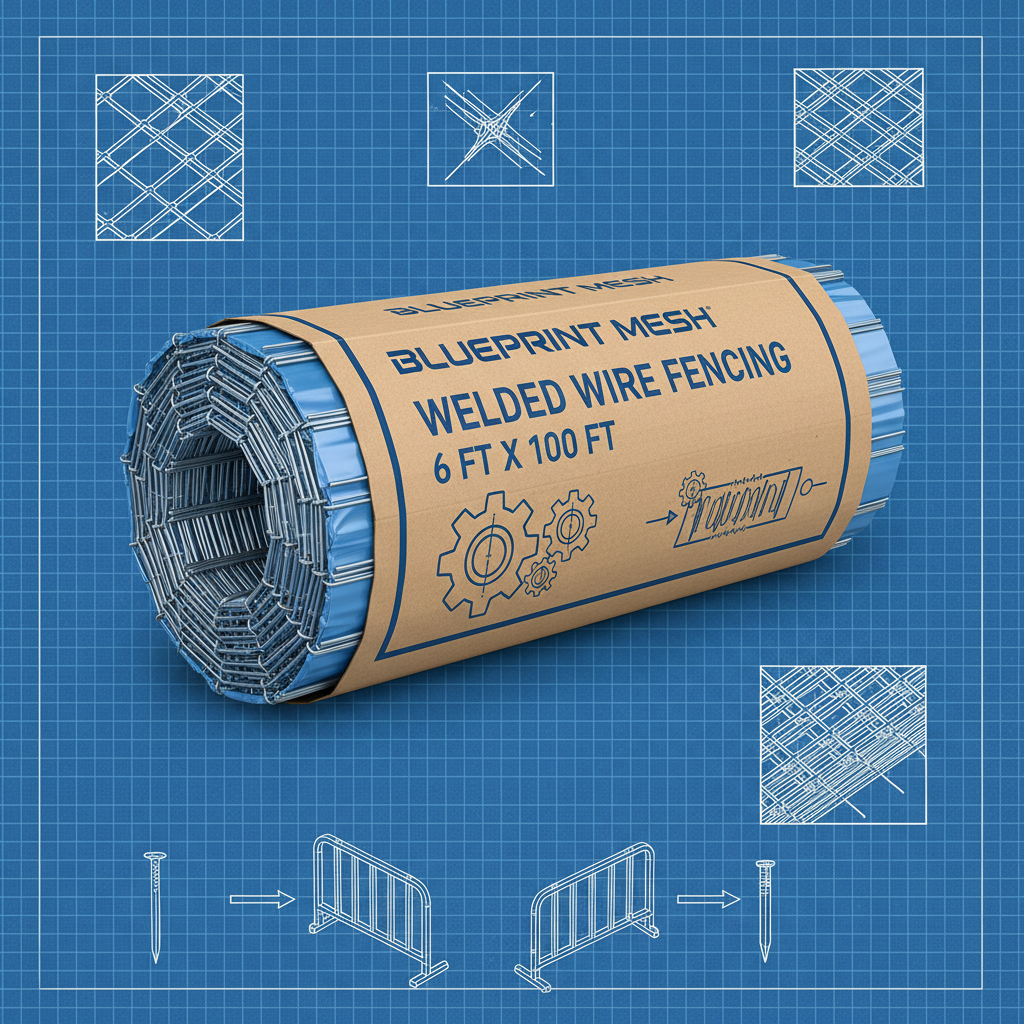 Comprehensive Guide to Choosing the Best 6 ft x 100 ft Welded Wire FencingWelded wire fencing is a versatile and cost-effective solution for a wide range of applications, from agricultural containment to residential security. Understanding the nuances of different types, especially when considering a size like 6 ft x 100 ft welded wire fencing, is crucial for making the right investment. This article will guide you through the essential factors to consider, helping you select the fencing that best suits your specific requirements.Read more >
Apr 07 2026
-
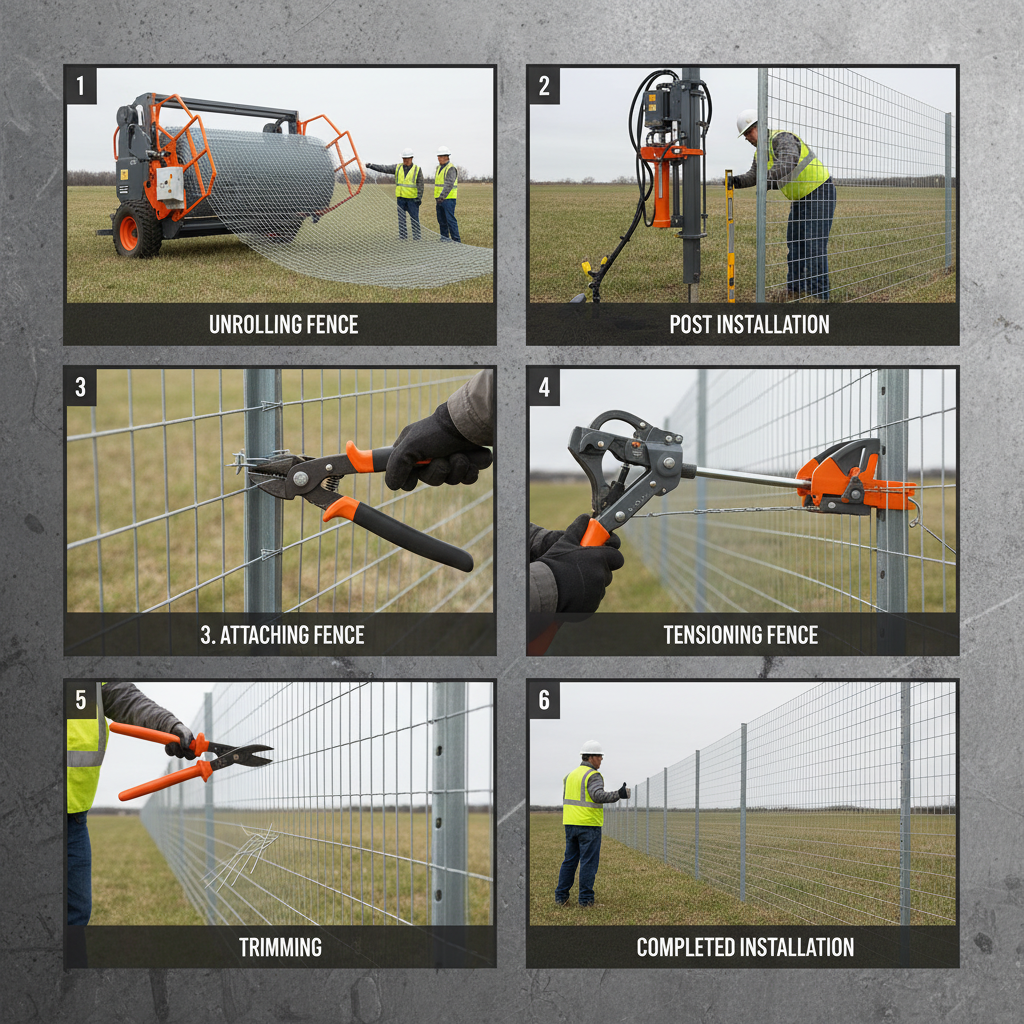 Comprehensive Guide to Choosing a 6 ft x 100 ft 12.5 Gauge Welded Wire FenceSelecting the appropriate fence for your property requires careful consideration. A 6 ft x 100 ft 12.5 gauge welded wire fence offers a robust and versatile solution for a variety of applications, from pet containment to garden protection and security. This guide will explore the benefits, applications, installation tips, and considerations when choosing this type of fencing. Understanding its construction and comparing it to other fencing options will help you make an informed decision.Read more >
Apr 04 2026
-
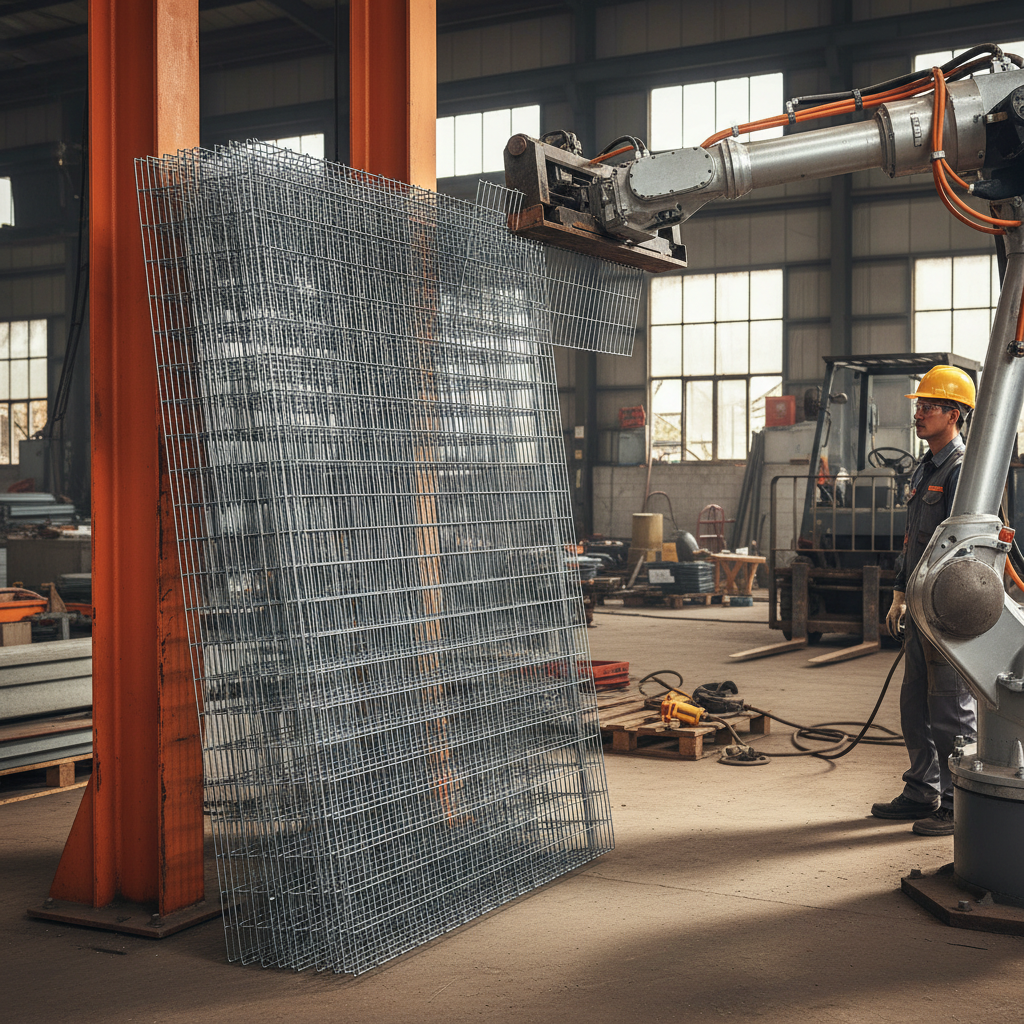 Comprehensive Guide to Durable 6 ft Welded Wire Fencing Panels and ApplicationsWhen selecting fencing for your property, 6 ft welded wire fencing panels offer a robust and versatile solution. These panels combine strength, security, and ease of installation, making them a popular choice for both residential and commercial applications. This article delves into the benefits, applications, installation, and maintenance of these panels, helping you make an informed decision.Read more >
Mar 31 2026