


Poultry Mesh Guide: Durable, Efficient, and Sustainable Solutions for Secure Farming
Understanding Poultry Mesh: More Than Just Wire
At first glance, poultry mesh might seem like an unassuming piece of hardware—just a simple wire netting designed to keep chickens cozy or foxes out. But the truth is, it’s one of those unsung heroes in agriculture and even humanitarian contexts worldwide. From securing livestock and optimizing farm productivity to assisting emergency shelter building, the role of poultry mesh transcends its humble appearance.
Why does it matter globally? Well, poultry farming is a multi-billion-dollar industry fueling nutrition and livelihoods for billions. While the focus is often on the animals or feed, the infrastructure—inclusive of fencing—plays a crucial role in sustainable production and animal welfare. Getting savvy about poultry mesh means understanding durability, safety, and cost-efficiency all wrapped into one piece of gear.
A Global Perspective on Poultry Mesh Usage
According to the Food and Agriculture Organization of the United Nations (FAO), over 23 billion chickens are raised worldwide at any given time, with poultry farming pivotal to food security in many developing regions. That sheer scale underscores the importance of reliable containment systems like poultry mesh, especially where open grazing risks predation or disease.
However, challenges persist—predator attacks, escape risks, and even material degradation in high-moisture environments can disrupt operations. With global poultry consumption predicted to increase by 15% in the next decade (OECD-FAO Agricultural Outlook), securing flocks efficiently is more pertinent than ever.
Mini Takeaway
Poultry mesh isn’t just about fencing animals; it intersects deeply with global food security and farming resilience.
What Exactly Is Poultry Mesh?
In simple terms, poultry mesh is a type of wire mesh, typically galvanized or PVC coated, designed specifically to safely confine chickens and other small livestock. Its apertures are small enough to prevent escape yet large enough to allow ventilation and visibility.
Think of it as the lightweight armor for your flock, often used in pens, cages, and coops. Its design balances flexibility with strength, making it integral not just to farms but also to humanitarian efforts where quick, sturdy containment or protective barriers are essential—for instance, in disaster-stricken zones or refugee camp setups.
Key Aspects of Poultry Mesh That Matter
Durability & Weather Resistance
Galvanized steel mesh withstands rust and corrosion, ensuring seasons or harsh climates don't wear it down fast. PVC coatings provide an extra shield, especially in humid or coastal areas.
Flexibility & Ease of Handling
Its lightweight nature doesn’t sacrifice strength, letting farmers cut and shape it easily to suit unique pens or nesting areas.
Cost Efficiency
Compared to wood or plastic fencing, poultry mesh offers a longer lifespan with low maintenance, reducing replacement cycles and saving money in the long run.
Animal Welfare Impact
Ventilation through the mesh helps prevent heat stress and respiratory problems in poultry, an often underestimated factor in flock health.
Sustainability
Recent trends introduce recyclable materials and environmentally safer coatings, aligning poultry farming with rising eco-conscious standards.
Security
Poultry mesh is critical for predator control, whether foxes, stray dogs, or birds of prey. Smaller aperture sizes prevent even tiny critters from getting through.
Mini Takeaway
Any quality poultry mesh balances toughness, flexibility, and welfare—like the Swiss army knife of farm fencing.
Poultry Mesh in Action: Real-World Applications
It isn’t all rural chicken coops—poultry mesh finds itself in versatile roles globally:
- Smallholder farms in sub-Saharan Africa: Where free-range poultry risks high losses, mesh enclosures reduce mortality drastically, boosting incomes.
- Post-disaster housing: Humanitarian groups use poultry mesh panels to create quick fences or structural reinforcements within camps.
- Urban rooftop gardening: Secures small birds or plants while keeping pests away in metropolitan areas.
- Agricultural research facilities: Controlled environments use precise mesh types for biosecurity.
For example, in Bangladesh, NGOs distributing poultry mesh kits helped villagers create predator-resistant pens, increasing survival rates by up to 40% in the first 6 months.
Table: Typical Poultry Mesh Specifications
| Specification | Details |
|---|---|
| Mesh Size (Opening) | 12.7 mm x 12.7 mm (0.5" x 0.5") standard |
| Wire Diameter | 0.7 mm to 1.4 mm (18 to 16 gauge) |
| Material | Galvanized Steel, PVC Coated Steel |
| Roll Size | 1 m width x 30 m length typical |
| Coating Options | Zinc Galvanization, PVC Sleeve (Green, White) |
| Weight | Approx. 4-6 kg per roll |
Comparing Poultry Mesh Vendors: What Should You Look For?
| Vendor | Material Quality | Customization Options | Pricing | Lead Time | Eco-Friendliness |
|---|---|---|---|---|---|
| ChCh Fence | Industrial Grade Galvanized + PVC | Custom sizes, coated colors | Competitive, volume discounts | 2-3 weeks | Recyclable coatings available |
| GreenField Wire | Standard galvanized | Limited colors, fixed sizes | Budget-friendly | 1-2 weeks | Basic eco initiatives |
| AgriMesh Solutions | High-tensile galvanized steel | Wide customization, including biodegradable coatings | Premium pricing | 4 weeks | Strong sustainability focus |
The Lasting Value of Investing in Quality Poultry Mesh
When you consider the bigger picture, poultry mesh offers more than just fencing. It’s about protection — protection of livelihoods, safety for the animals, and dignity for farmers who depend on their flocks. Cost savings over time mean fewer worries and steady growth. Plus, knowing your stock is safeguarded helps build trust within communities and with buyers.
There's a sort of peace of mind that comes with reliable infrastructure, and that intangible benefit is hard to put a price on. That’s why many ranchers and institutions prefer trusted suppliers who can guarantee consistent mesh quality and sizing.
Emerging Trends & What Lies Ahead
The poultry mesh of tomorrow isn’t just wire—it’s smart. Innovations are surfacing that incorporate UV-resistant materials, anti-microbial coatings, even embedded sensors for real-time structural integrity monitoring. As digital farming grows, mesh might integrate with sensors to detect breaches or temperature fluctuations.
Sustainability remains front and center. We’re seeing biodegradable meshes and production processes reducing carbon footprints. In regions vulnerable to climate change, lightweight, rapidly deployable poultry mesh fences support adaptive farming practices.
Challenges in Use and How to Overcome Them
Every material has its limits. Poultry mesh sometimes falls short against larger predators or suffers damage from rust in salty air environments. But experts recommend:
- Proper installation: Anchoring deeply and avoiding tension points reduces early wear.
- Regular inspections: Catching small tears before they expand is key.
- Advanced coatings: PVC or powder coatings significantly prolong lifespan in harsh climates.
- Hybrid fencing: Combining mesh with electric fencing or rigid posts adds layers of security.
Over time, these steps have revolutionized how farms protect their poultry amid evolving environmental stresses.
Frequently Asked Questions About Poultry Mesh
What is the ideal mesh size for containing chickens?
The common aperture is about 12.7 mm (0.5 inches), small enough to prevent even young chicks from slipping through, while still allowing airflow. For smaller birds or quail, finer mesh sizes might be necessary.
How long does typical poultry mesh last outdoors?
When galvanized and properly maintained, poultry mesh can last anywhere from 7 to 15 years. Adding PVC coatings can extend this lifespan further by providing extra protection against corrosion.
Can poultry mesh be recycled or is it environmentally harmful?
Most galvanized steel meshes are recyclable. With newer eco-friendly coatings, their environmental impact is lessening. Always check vendor specifications for recyclability.
Is poultry mesh suitable for use in coastal areas?
Yes, but it’s important to choose PVC-coated mesh or stainless steel variants since the salty air accelerates corrosion in unprotected galvanized steel.
How do I install poultry mesh for best predator resistance?
Secure the mesh firmly into the ground to prevent burrowing, use sturdy posts every 2 meters, and consider combining with an electric wire for larger predator deterrence.
Closing Thoughts: Why Poultry Mesh Still Matters
In the end, poultry mesh is a deceptively simple solution powering a complex global need—feeding billions safely and sustainably. Whether you’re a smallholder farmer or an agricultural logistics planner, its role is undeniable.
For those looking to optimize their farming or animal containment strategies, quality matters—and poultry mesh remains the backbone of secure, efficient, and humane poultry farming worldwide.
Explore more about how the right mesh can change your farm’s game at https://www.chbarrier.com.
Mini Summary
- Poultry mesh is critical in securing and safeguarding poultry globally.
- Durability, flexibility, and animal welfare are key considerations.
- New tech and eco-conscious materials are shaping its future.
- Proper installation and coatings significantly extend product lifespan.
References
Latest News About CHENG CHUANG
-
 Heavy Duty 6 gauge welded wire mesh for Security and StrengthWhen it comes to heavy-duty containment, security, and structural reinforcement, choosing the right material is critical. The 6 gauge welded wire mesh stands as a premier choice for those requiring a balance of extreme rigidity and precise spacing. Whether you are securing a commercial perimeter, building industrial livestock panels, or creating reinforced concrete structures, this specific thickness provides the structural integrity needed to withstand significant pressure and impact. In this comprehensive guide, we will explore the technical specifications, primary applications, and why this mesh is the gold standard for high-security fencing solutions.Read more >
Apr 16 2026
-
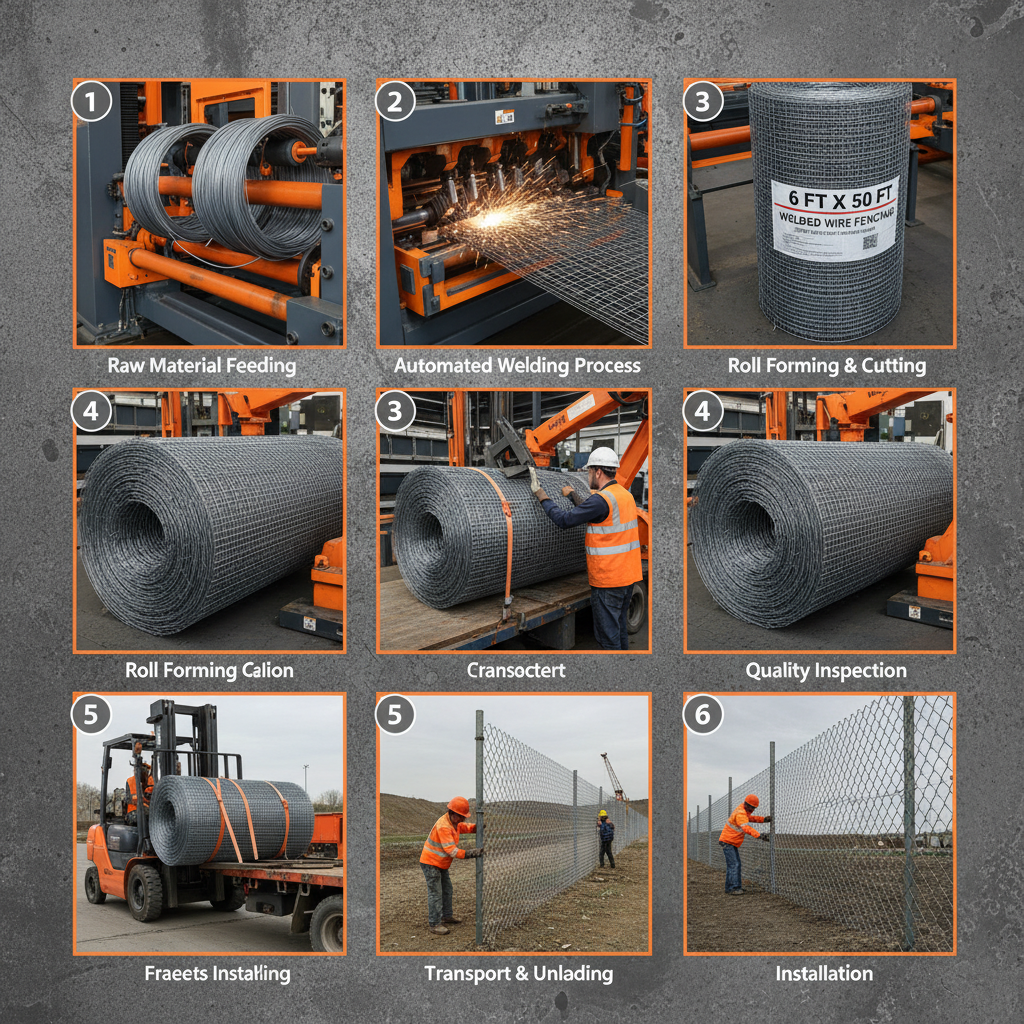 Durable 6 ft x 50 ft welded wire fencing for Security and GardensWhen it comes to securing a perimeter, whether for agricultural use, garden protection, or industrial boundaries, the dimensions and material of your fence matter. The 6 ft x 50 ft welded wire fencing offers an ideal balance of height and length, providing a robust barrier that is easy to install and maintain. Choosing a welded wire system ensures that the intersections are fused together, preventing the shifting and sagging often found in woven alternatives. In this guide, we will explore why this specific size is a preferred choice for property owners and how to maximize its effectiveness for your specific project.Read more >
Apr 09 2026
-
 Comprehensive Guide to Choosing the Best 6 ft x 100 ft Welded Wire FencingWelded wire fencing is a versatile and cost-effective solution for a wide range of applications, from agricultural containment to residential security. Understanding the nuances of different types, especially when considering a size like 6 ft x 100 ft welded wire fencing, is crucial for making the right investment. This article will guide you through the essential factors to consider, helping you select the fencing that best suits your specific requirements.Read more >
Apr 07 2026
-
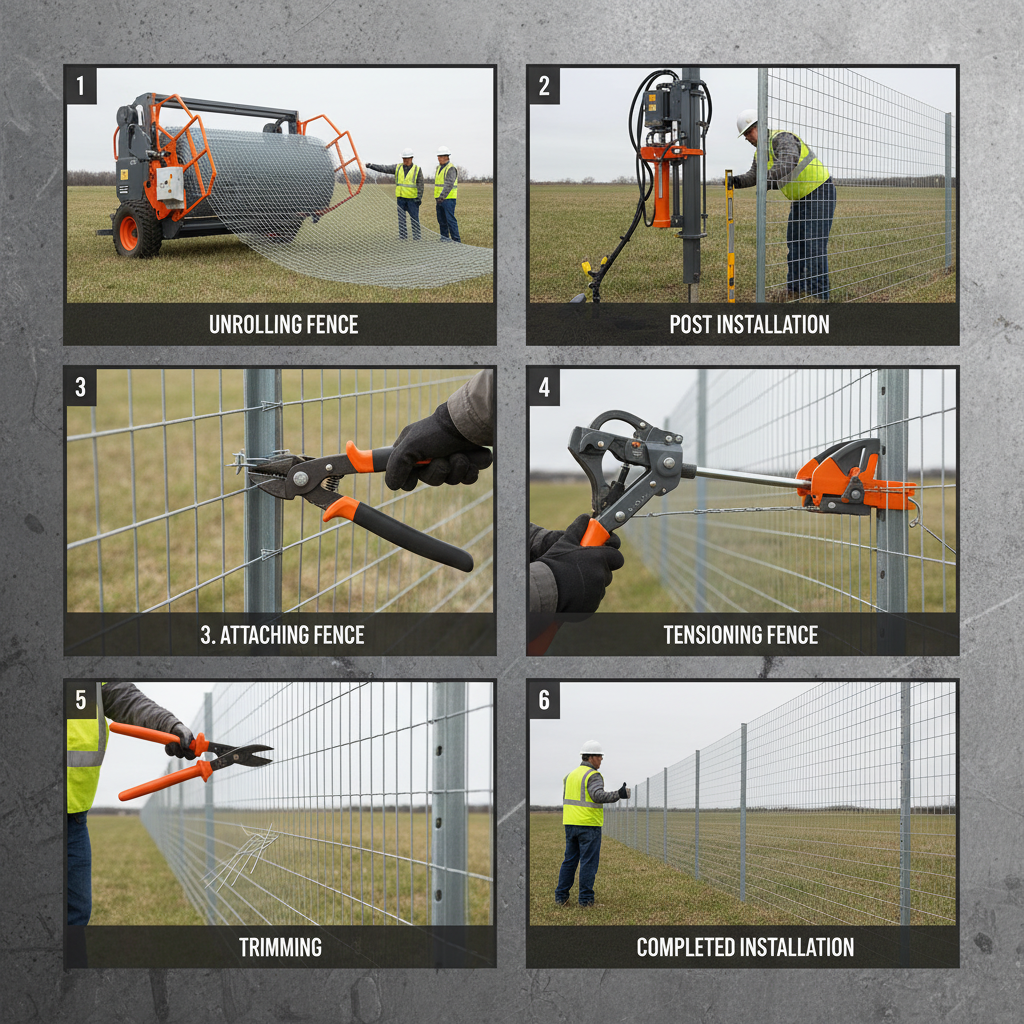 Comprehensive Guide to Choosing a 6 ft x 100 ft 12.5 Gauge Welded Wire FenceSelecting the appropriate fence for your property requires careful consideration. A 6 ft x 100 ft 12.5 gauge welded wire fence offers a robust and versatile solution for a variety of applications, from pet containment to garden protection and security. This guide will explore the benefits, applications, installation tips, and considerations when choosing this type of fencing. Understanding its construction and comparing it to other fencing options will help you make an informed decision.Read more >
Apr 04 2026
-
 Comprehensive Guide to Durable 6 ft Welded Wire Fencing Panels and ApplicationsWhen selecting fencing for your property, 6 ft welded wire fencing panels offer a robust and versatile solution. These panels combine strength, security, and ease of installation, making them a popular choice for both residential and commercial applications. This article delves into the benefits, applications, installation, and maintenance of these panels, helping you make an informed decision.Read more >
Mar 31 2026