


Reinforced Wire Mesh: Essential Guide to Strengthening Infrastructure and Security
Reinforced Wire Mesh: The Backbone of Modern Construction and Safety
Reinforced wire mesh might not be the flashiest topic, but its global significance can’t be overstated. It’s that unsung hero that strengthens everything from skyscrapers to prison fences, playing a critical role in both industrial progress and humanitarian efforts worldwide. Understanding this material unlocks real insight into safer, more durable infrastructure — a topic that honestly touches all of us, anywhere on the planet.
Introduction: Why Reinforced Wire Mesh Matters Globally
Worldwide, infrastructure development is surging. According to the World Bank, global construction output is expected to reach $15 trillion by 2030 — more than double today’s figures. Reinforced wire mesh is a cornerstone of this growth, offering structural integrity and flexibility for countless applications. Yet challenges like rising raw material costs and environmental concerns complicate its adoption in some regions, especially in disaster-prone or resource-limited areas.
Frankly, reinforced wire mesh is more than some steel grid; it’s a solution helping to mitigate risks such as building collapses, erosion, and even hazardous waste containment. It’s a part of the puzzle modern engineers turn to for resilient design.
What Exactly is Reinforced Wire Mesh?
At its core, reinforced wire mesh is a network of steel wires welded or woven into a grid pattern. This mesh is often embedded into concrete or used as fencing and barriers. The reinforcement effect comes from the mesh’s ability to hold materials firmly together, increasing tensile strength and preventing cracks or collapses.
This isn’t just a technical fix; in humanitarian contexts, for example, reinforced wire mesh can help build quick yet sturdy shelters in refugee camps or strengthen retaining walls in earthquake-affected areas, showcasing a real-life impact that goes beyond construction jargon.
Core Components and Key Factors
- Durability: Steel wires are usually galvanized or coated to resist corrosion. This extends the mesh’s service life, sometimes beyond 50 years in ideal conditions.
- Flexibility and Scalability: Wire mesh can be cut and shaped to fit a variety of projects — from small fencing panels to massive reinforcements for highway overpasses.
- Cost Efficiency: Compared to rebar, mesh is often faster to install and reduces labor costs. Its standard sizes also help optimize material use, lowering waste.
- Safety and Security: Besides structural roles, wire mesh is widely used in physical security. Sectors including prisons, airports, and military bases rely on specialized mesh to deter intrusion.
- Environmental Impact: Some manufacturers now focus on eco-friendly coating processes and recyclable steel, addressing sustainability demands.
Each factor contributes to why reinforced wire mesh is preferred across industries, balancing practical needs with cost and longevity.
Global Applications & Real-World Use Cases
The applications are diverse. In North America and Europe, reinforced wire mesh is standard in high-rise construction, subway tunnels, and road infrastructure. In Asia, burgeoning urban developments rely heavily on mesh to meet strict safety standards amid rapid growth.
In humanitarian relief, organizations use reinforced wire mesh to quickly erect secure fencing around camps to protect displaced populations from wildlife or aggressors. For example, after the 2015 Nepal earthquake, reinforced mesh was deployed to stabilize damaged hillside terraces, preventing further landslides.
Advantages & Long-Term Value
Choosing reinforced wire mesh means investing in lasting safety — not just structural but social. Cost benefits are apparent through faster construction times and fewer repairs, while durability lowers lifecycle expenses. This reliability inspires trust, whether among construction firms or the communities protected by fences and shelters.
On an emotional level, sturdy infrastructure promotes dignity and resilience. You can almost feel the difference when walking through a site reinforced with quality mesh — it speaks of care and foresight.
Emerging Trends & Innovations
Oddly enough, the future of reinforced wire mesh involves a fair bit of “smart” technology. New types embedded with sensors can monitor stress and structural integrity in real-time, alerting maintenance teams to potential issues before failure. Meanwhile, eco-conscious coatings reduce carbon footprints, aligning with ISO 14000 environmental standards.
The rise of automation in manufacturing also makes it easier to customize mesh specifications quickly, improving scalability for unconventional projects.
Common Challenges & Expert Solutions
Not everything's perfect, obviously. Corrosion still poses problems in high-humidity or salty environments despite galvanization. Also, improper installation can reduce mesh effectiveness, leading to cracks or weaknesses.
Experts recommend using high-quality coatings, periodic inspections, and professional installation to avoid pitfalls. Some firms use hybrid composites that blend steel with polymer coatings to enhance resistance — a promising innovation worth watching.
FAQ: Your Reinforced Wire Mesh Questions Answered
- How long does reinforced wire mesh last in outdoor conditions?
- With proper galvanization and regular maintenance, reinforced wire mesh can last 30 to 50 years, depending on climate and exposure. Coastal or industrial environments may shorten this lifespan without enhanced protective coatings.
- Is reinforced wire mesh recyclable and eco-friendly?
- Steel is fully recyclable, making reinforced wire mesh one of the greenest construction materials when recycled properly. Many manufacturers also adopt environmentally friendly coatings to minimize chemical impact.
- Can wire mesh be customized for unusual construction projects?
- Absolutely. Most suppliers offer custom sizing, wire gauge, and mesh spacing to fit specific project needs, from small residential walls to large infrastructure reinforcements.
- How does reinforced wire mesh improve safety in disaster zones?
- Its tensile strength helps stabilize structures and soil, reducing the risk of collapse or erosion after events like earthquakes or heavy rains. Rapid deployment save lives and resources on the ground.
Product Specification Table
| Specification | Typical Range | Notes |
|---|---|---|
| Wire Diameter | 2.0mm – 6.0mm | Thicker for high-load applications |
| Mesh Opening Size | 25mm x 25mm to 100mm x 100mm | Customization available |
| Coating | Galvanized, PVC, Epoxy | Adds corrosion resistance |
| Tensile Strength | 400 – 600 MPa | Varies by steel grade |
| Standard Panel Size | 2m x 6m or 2.4m x 12m | Custom sizes on request |
Vendor Comparison Table
| Vendor | Range of Options | Price Range | Sustainability Practices | Global Reach |
|---|---|---|---|---|
| SteelMeshPro | Wide (custom sizes, coatings) | $$$ | ISO 14001 certified, Recycled steel | North America, Europe |
| GlobalWire Solutions | Moderate (standard panels) | $$ | Efficient manufacturing, energy reduction | Asia, Middle East |
| EcoMesh Industries | Limited (focus on eco coatings) | $$$ | Biodegradable coatings, carbon neutral factory | Europe, Australia |
References:
1. Wikipedia: Reinforced Concrete
2. World Bank: Urban Development
3. ISO 14001 Environmental Management Standard
Latest News About CHENG CHUANG
-
 Heavy Duty 6 gauge welded wire mesh for Security and StrengthWhen it comes to heavy-duty containment, security, and structural reinforcement, choosing the right material is critical. The 6 gauge welded wire mesh stands as a premier choice for those requiring a balance of extreme rigidity and precise spacing. Whether you are securing a commercial perimeter, building industrial livestock panels, or creating reinforced concrete structures, this specific thickness provides the structural integrity needed to withstand significant pressure and impact. In this comprehensive guide, we will explore the technical specifications, primary applications, and why this mesh is the gold standard for high-security fencing solutions.Read more >
Apr 16 2026
-
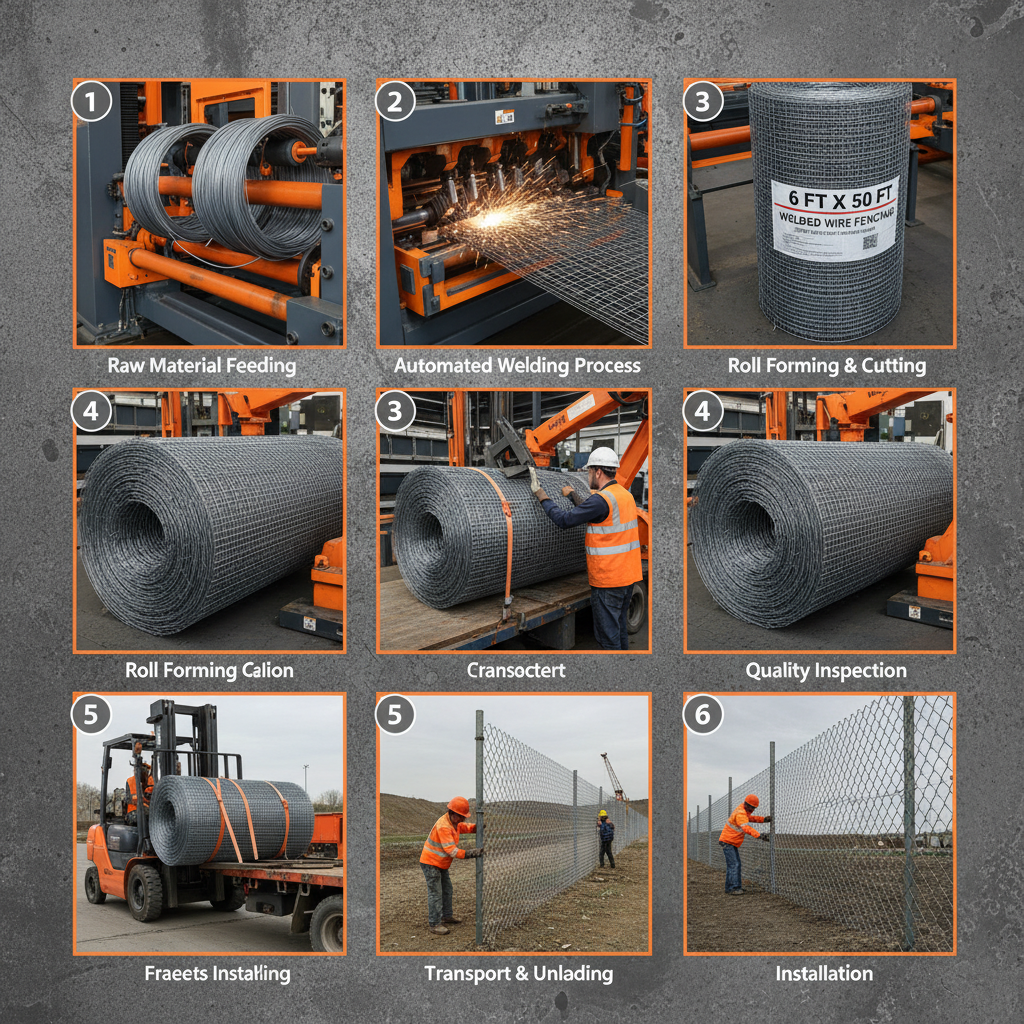 Durable 6 ft x 50 ft welded wire fencing for Security and GardensWhen it comes to securing a perimeter, whether for agricultural use, garden protection, or industrial boundaries, the dimensions and material of your fence matter. The 6 ft x 50 ft welded wire fencing offers an ideal balance of height and length, providing a robust barrier that is easy to install and maintain. Choosing a welded wire system ensures that the intersections are fused together, preventing the shifting and sagging often found in woven alternatives. In this guide, we will explore why this specific size is a preferred choice for property owners and how to maximize its effectiveness for your specific project.Read more >
Apr 09 2026
-
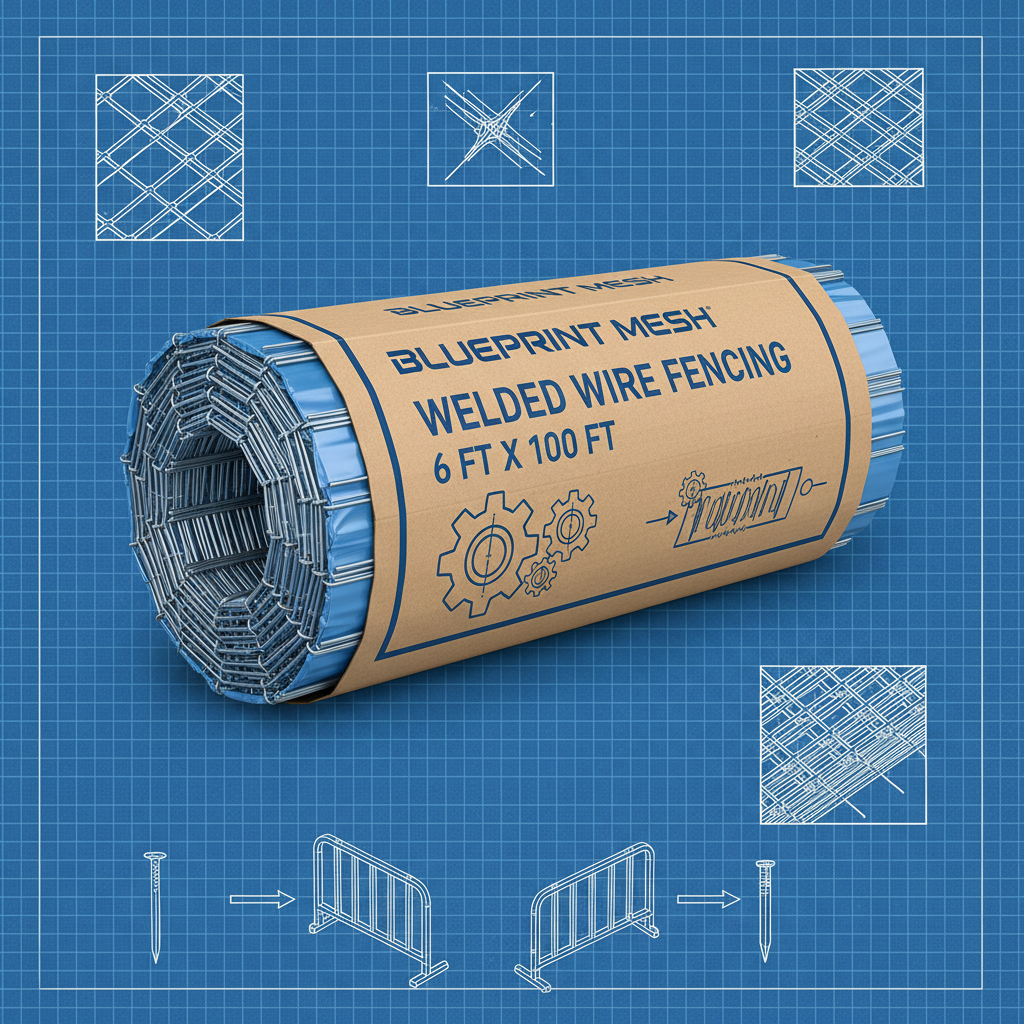 Comprehensive Guide to Choosing the Best 6 ft x 100 ft Welded Wire FencingWelded wire fencing is a versatile and cost-effective solution for a wide range of applications, from agricultural containment to residential security. Understanding the nuances of different types, especially when considering a size like 6 ft x 100 ft welded wire fencing, is crucial for making the right investment. This article will guide you through the essential factors to consider, helping you select the fencing that best suits your specific requirements.Read more >
Apr 07 2026
-
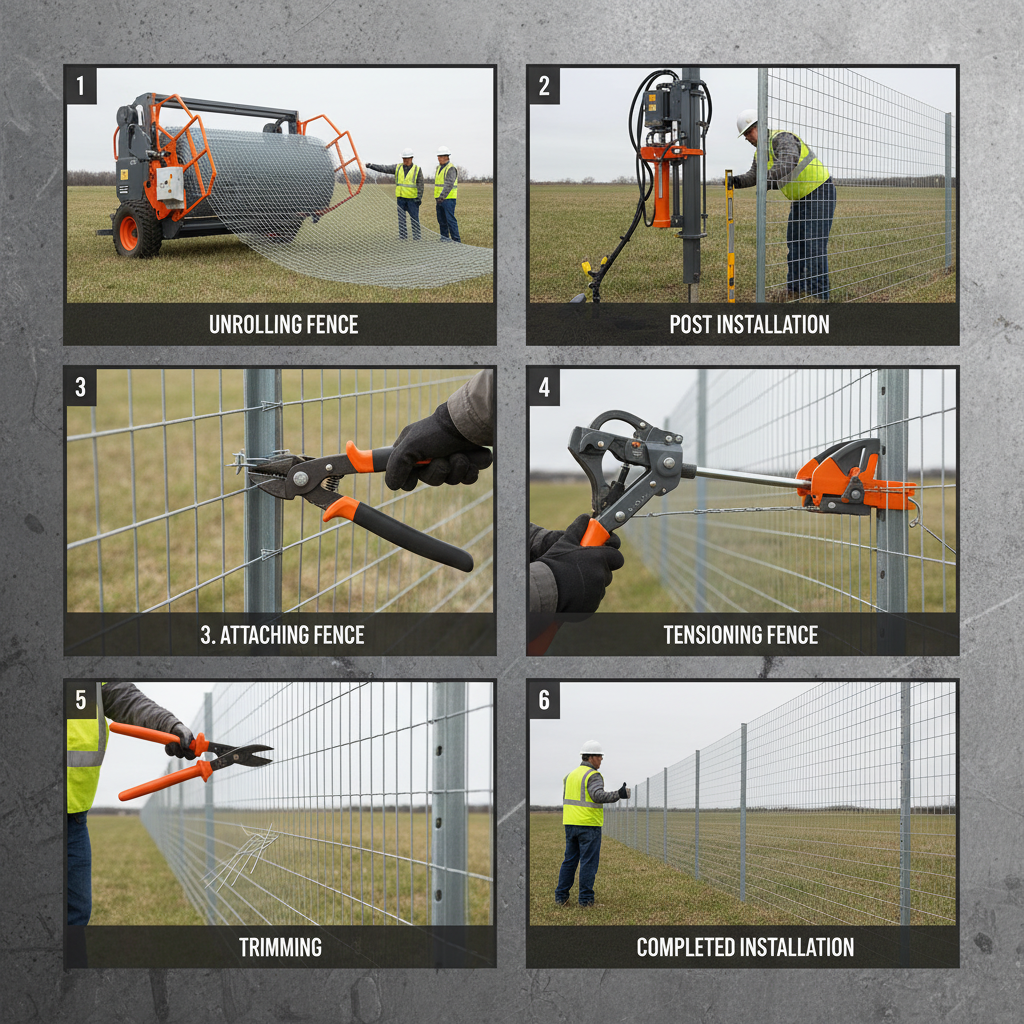 Comprehensive Guide to Choosing a 6 ft x 100 ft 12.5 Gauge Welded Wire FenceSelecting the appropriate fence for your property requires careful consideration. A 6 ft x 100 ft 12.5 gauge welded wire fence offers a robust and versatile solution for a variety of applications, from pet containment to garden protection and security. This guide will explore the benefits, applications, installation tips, and considerations when choosing this type of fencing. Understanding its construction and comparing it to other fencing options will help you make an informed decision.Read more >
Apr 04 2026
-
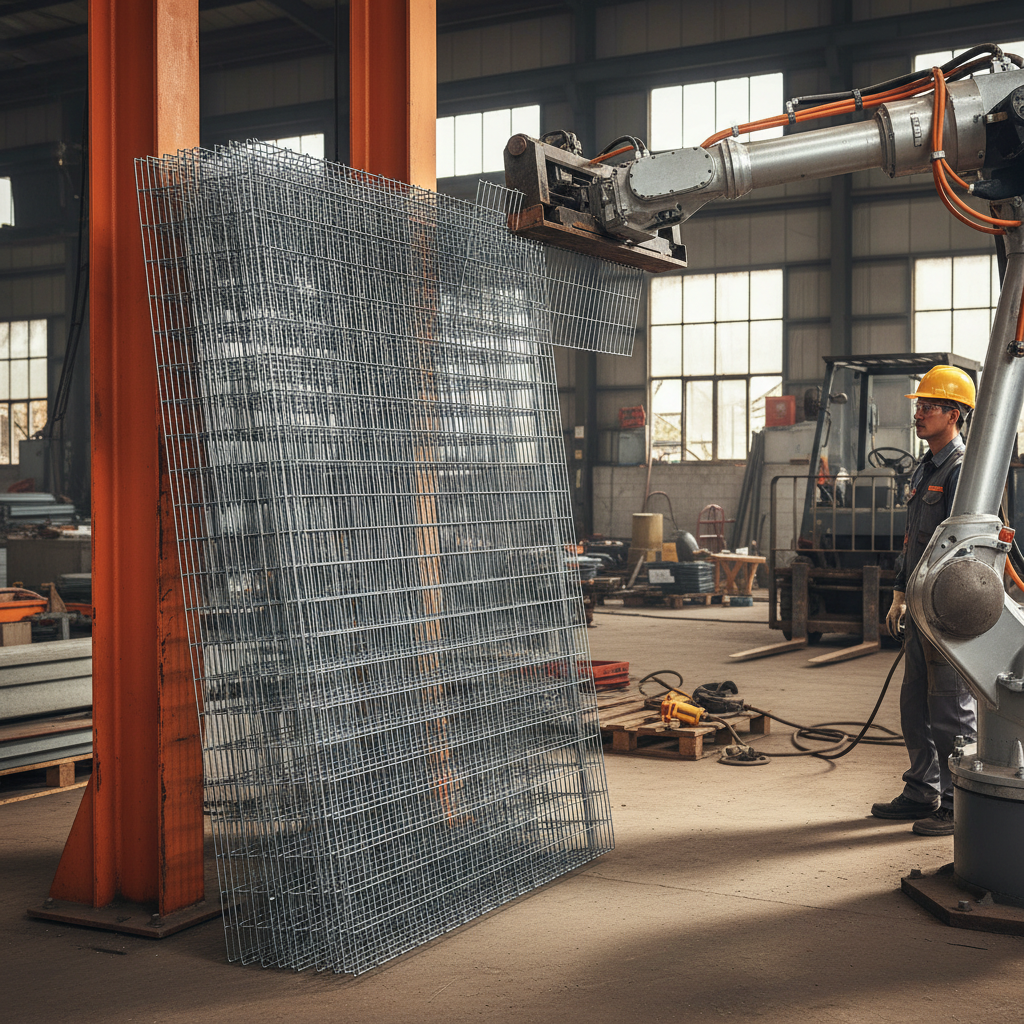 Comprehensive Guide to Durable 6 ft Welded Wire Fencing Panels and ApplicationsWhen selecting fencing for your property, 6 ft welded wire fencing panels offer a robust and versatile solution. These panels combine strength, security, and ease of installation, making them a popular choice for both residential and commercial applications. This article delves into the benefits, applications, installation, and maintenance of these panels, helping you make an informed decision.Read more >
Mar 31 2026