


Reinforcing Wire - Essential Steel Wire Solutions for Durable Construction
Understanding Reinforcing Wire: Essential Backbone of Modern Construction
Reinforcing wire might not be the first thing you think about when picturing a skyscraper or a bridge, but frankly, without it, many of the structures we take for granted wouldn’t stand a chance. Worldwide, this simple yet critical material ensures safety, stability, and longevity in construction, infrastructure, and even emergency relief projects. Getting a grip on what reinforcing wire is—not just what it looks like but its role globally—uncovers a fascinating story of engineering, economic efficiency, and social impact.
Global Context: Why Reinforcing Wire Matters Now More Than Ever
Here’s a quick insight: as urban populations surge and climate change intensifies, infrastructure demands are hitting record highs. According to the World Bank, global investment in infrastructure must nearly triple by 2030 to keep pace with urban growth and sustainable development goals. Reinforcing wire, often underestimated, forms a critical element in this equation.
From earthquake-prone zones to rapidly developing cities, this material addresses the challenge of building both quickly and reliably, without spiraling costs. Oddly enough, it’s also a quiet hero in post-disaster humanitarian efforts, where rapid deployment of shelters or infrastructures is vital for affected communities.
What Exactly Is Reinforcing Wire?
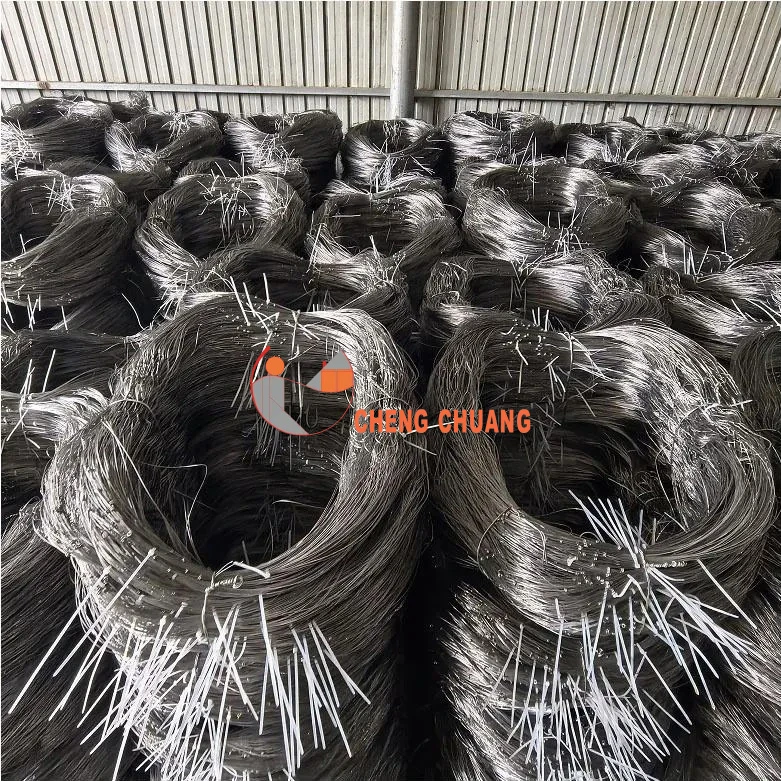
Put simply, reinforcing wire is a steel wire, often galvanized or coated, engineered to provide tensile strength within concrete and masonry—materials strong under compression but weaker when pulled or bent. Imagine the wire as the skeleton inside the concrete muscle. Its tensile properties dramatically reduce cracking and deformation, increasing the structure’s lifespan.
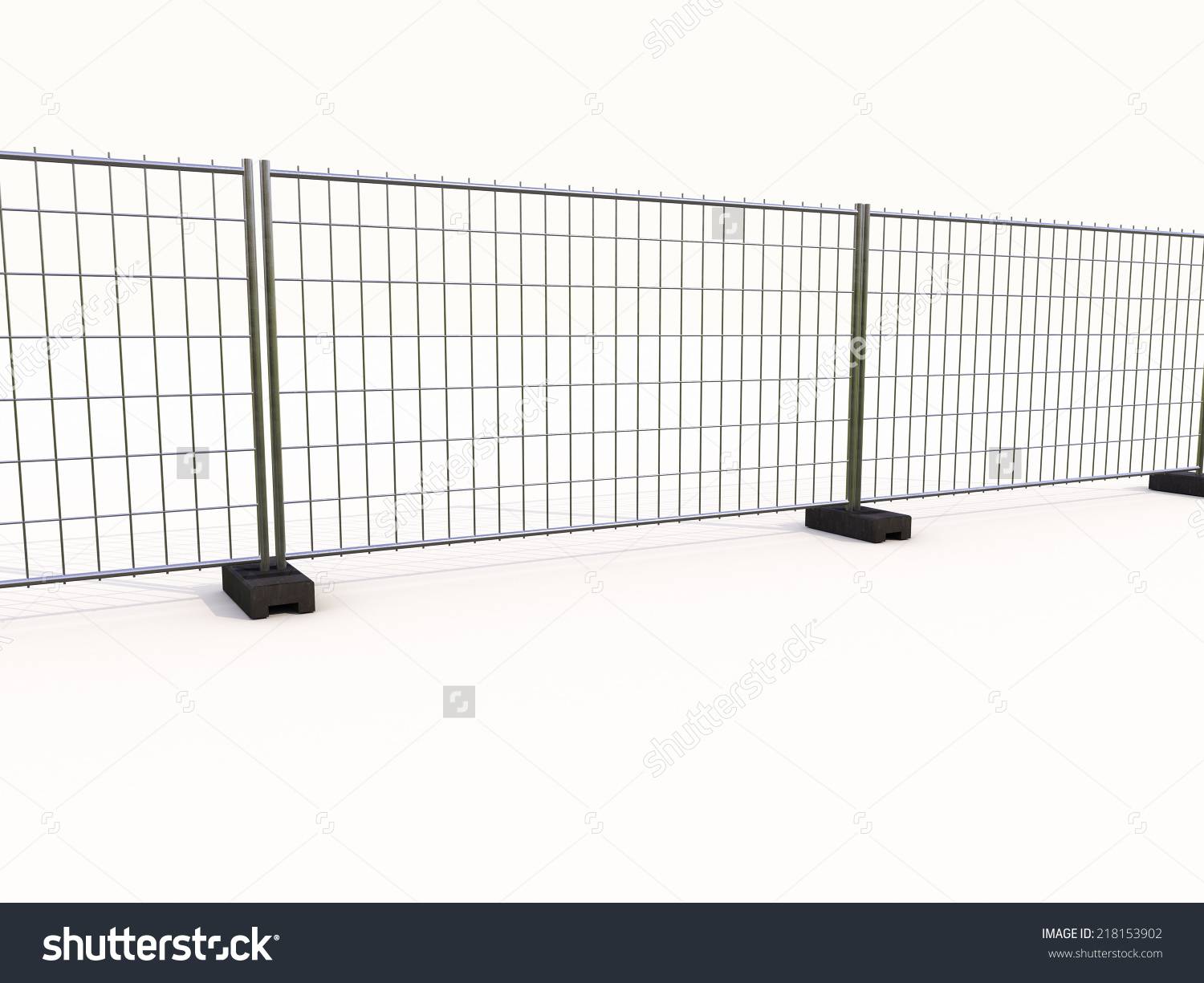
This kind of reinforcing mesh or tied wire system is foundational in modern construction—as well as in improvised or temporary engineering solutions, like fencing or containment.
Core Features of Reinforcing Wire
1. Durability
The wire usually boasts corrosion resistance—either via galvanization or specialized coatings—to endure moisture, chemicals, and the stressors of a harsh environment. Longevity is key here; a few extra years might not sound exciting, but it saves a fortune in repair costs.
2. Tensile Strength & Flexibility
Balancing strength with some give, reinforcing wire can handle movement from stress and minor ground shifts. Too brittle, and it cracks. Too flexible, and it doesn’t support effectively.
3. Cost Efficiency
This wire is surprisingly economical compared to other reinforcing materials. Its ease of transport, on-site cutting, and shaping make it a favorite for projects that need budget smartness without skimping on quality.
4. Scalability & Customization
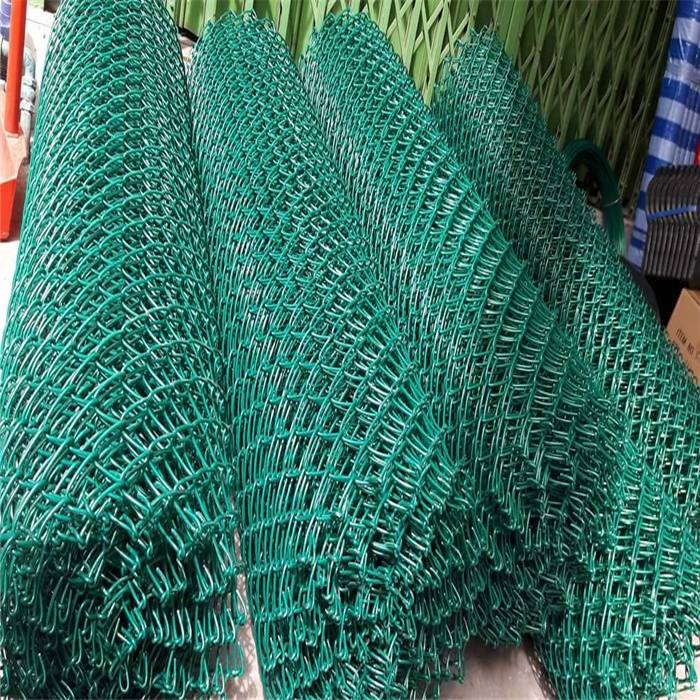
Reinforcing wire systems can be customized to various thicknesses, mesh sizes, and coatings based on the project. Whether it’s a small-scale low-rise building or a vast highway barrier, there’s a right-set configuration.
5. Environmental Impact
Modern production increasingly emphasizes eco-friendly processes and recyclability. Steel wire is often made from recycled materials – a nice bonus for sustainability-conscious projects.
Mini takeaway:
Reinforcing wire's combination of durability, strength, affordability, and adaptability makes it an indispensable material in both everyday and high-stakes engineering scenarios.
Product Specifications Table for Common Reinforcing Wire
| Specification | Typical Value | Units |
|---|---|---|
| Wire Diameter | 3.0 - 6.0 | mm |
| Tensile Strength | 450 - 650 | MPa |
| Coating Type | Galvanized / PVC-coated | - |
| Corrosion Resistance | High | - |
| Typical Mesh Size | 50 x 50 to 150 x 150 | mm |
Global Applications & Use Cases
Reinforcing wire is everywhere, shaping infrastructure quietly but decisively. In Asia’s urban megaprojects, its use in high-rise concrete frameworks ensures buildings withstand seismic activity. Look at regions like California and Japan—they lean heavily on such materials because of earthquake resilience requirements.
In humanitarian contexts, the UNHCR and NGOs use modular shelters reinforced with wire mesh for rapid response housing. These shelters offer both safety and dignity where ruins need replacing fast.
Oddly enough, mining sectors and remote industrial zones often employ reinforcing wire fencing and containment to secure hazardous areas—a neat example of multifunctionality beyond just construction.
Vendor Comparison: Reinforcing Wire Suppliers
| Vendor | Product Range | Pricing | Lead Time | Sustainability Certifications |
|---|---|---|---|---|
| SteelStrong Inc. | Galvanized, PVC-Coated | $$$ | 2-3 weeks | ISO 14001, Recycled Content |
| BuildFlex Supplies | Galvanized Only | $$ | 1-2 weeks | None |
| GreenWire Global | Galvanized, Eco PVC | $$$$ | 3-4 weeks | ISO 14001, LEED Certified |
Advantages and Long-Term Value of Reinforcing Wire
What’s impressive is how reinforcing wire blends logical benefits — like cost savings on maintenance — with more emotional considerations. Building owners and workers often voice trust in wire-reinforced structures for safety and reliability under pressure. You could say it offers peace of mind, which frankly is priceless.
Environmentally, this material supports sustainable practices through extended structure life and recyclability. Socially, building robust homes or infrastructure means fostering dignity and security, especially in vulnerable regions.
Emerging Trends & Innovations
Looking ahead, advanced composites and coated wires infused with nanotechnology aim to boost corrosion resistance further. There’s also buzz around integrating smart sensors within wire meshes to monitor structural health in real time—part of the whole digital transformation in construction.
Eco-friendly production methods and circular economy principles are another focus area. We’re seeing manufacturers reduce carbon footprints and improve recycling pipelines for steel wire products, aligning closely with ISO’s standards on environmental management.
Challenges and Solutions
Despite the benefits, challenges persist. One of the main issues is corrosion over time, especially in coastal or chemically aggressive environments. Selecting the wrong wire type or poor installation can lead to early deterioration.
Experts recommend thorough inspection regimes and choosing wires with appropriate coatings tailored for the project environment. Innovations in polymer coatings and stainless steel variants are helping to overcome these hurdles. Also, proper training during installation makes a surprisingly big difference.
Frequently Asked Questions About Reinforcing Wire
- Q: How does reinforcing wire differ from rebar?
A: Reinforcing wire is typically thinner and more flexible, used often to form wire mesh or tie frameworks, while rebar is thicker, used for major structural support. Both complement each other in concrete reinforcement. - Q: Can reinforcing wire be used in extreme weather conditions?
A: Yes, especially when galvanized or specially coated. However, selecting the right coating and monitoring for corrosion is critical for durability in such environments. - Q: What are the environmental benefits of using steel reinforcing wire?
A: Steel wire is recyclable and often produced from recycled content, reducing raw material consumption and minimizing carbon footprint compared to some alternatives. - Q: How do I ensure the quality of reinforcing wire when importing it internationally?
A: Work with vendors who provide certifications such as ISO 9001 and ISO 14001, request test reports, and verify compliance with local construction standards.
Conclusion
In real terms, reinforcing wire might feel like a small piece in the giant puzzle of modern infrastructure, but its impact is massive. It promises strength, safety, and sustainability wrapped into an accessible, cost-effective product — a foundation for both innovation and tradition. Interested in learning more or sourcing high-quality reinforcing wire? Visit our website at https://www.chbarrier.com to explore options and get expert guidance.
References
Latest News About CHENG CHUANG
-
 Heavy Duty 6 gauge welded wire mesh for Security and StrengthWhen it comes to heavy-duty containment, security, and structural reinforcement, choosing the right material is critical. The 6 gauge welded wire mesh stands as a premier choice for those requiring a balance of extreme rigidity and precise spacing. Whether you are securing a commercial perimeter, building industrial livestock panels, or creating reinforced concrete structures, this specific thickness provides the structural integrity needed to withstand significant pressure and impact. In this comprehensive guide, we will explore the technical specifications, primary applications, and why this mesh is the gold standard for high-security fencing solutions.Read more >
Apr 16 2026
-
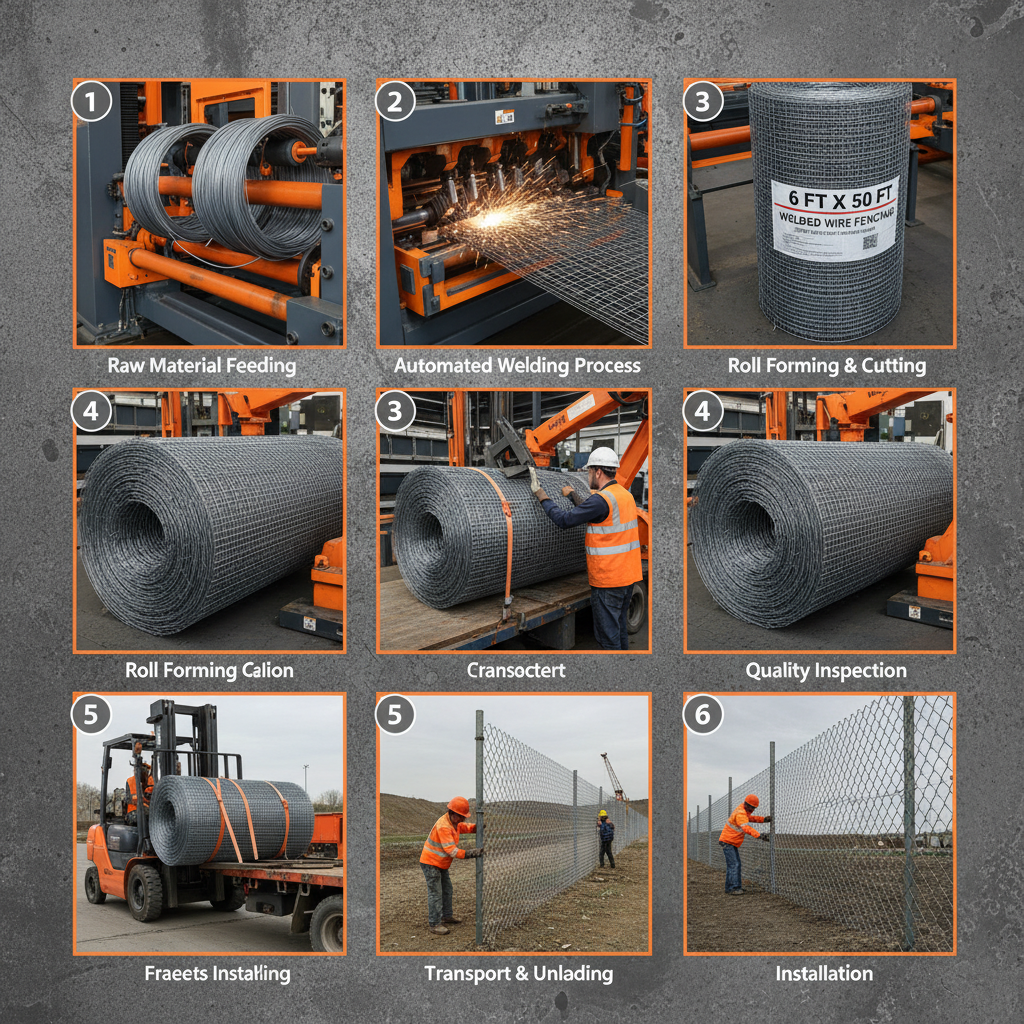 Durable 6 ft x 50 ft welded wire fencing for Security and GardensWhen it comes to securing a perimeter, whether for agricultural use, garden protection, or industrial boundaries, the dimensions and material of your fence matter. The 6 ft x 50 ft welded wire fencing offers an ideal balance of height and length, providing a robust barrier that is easy to install and maintain. Choosing a welded wire system ensures that the intersections are fused together, preventing the shifting and sagging often found in woven alternatives. In this guide, we will explore why this specific size is a preferred choice for property owners and how to maximize its effectiveness for your specific project.Read more >
Apr 09 2026
-
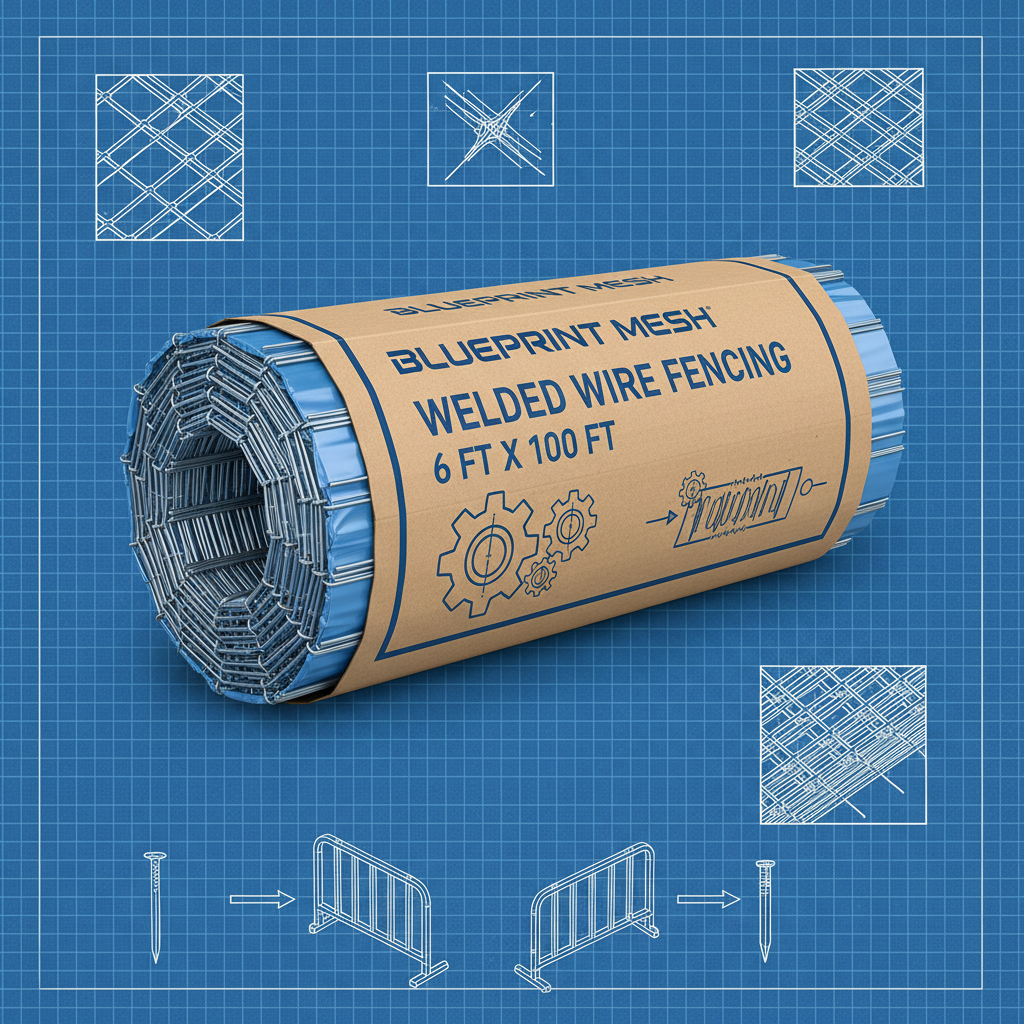 Comprehensive Guide to Choosing the Best 6 ft x 100 ft Welded Wire FencingWelded wire fencing is a versatile and cost-effective solution for a wide range of applications, from agricultural containment to residential security. Understanding the nuances of different types, especially when considering a size like 6 ft x 100 ft welded wire fencing, is crucial for making the right investment. This article will guide you through the essential factors to consider, helping you select the fencing that best suits your specific requirements.Read more >
Apr 07 2026
-
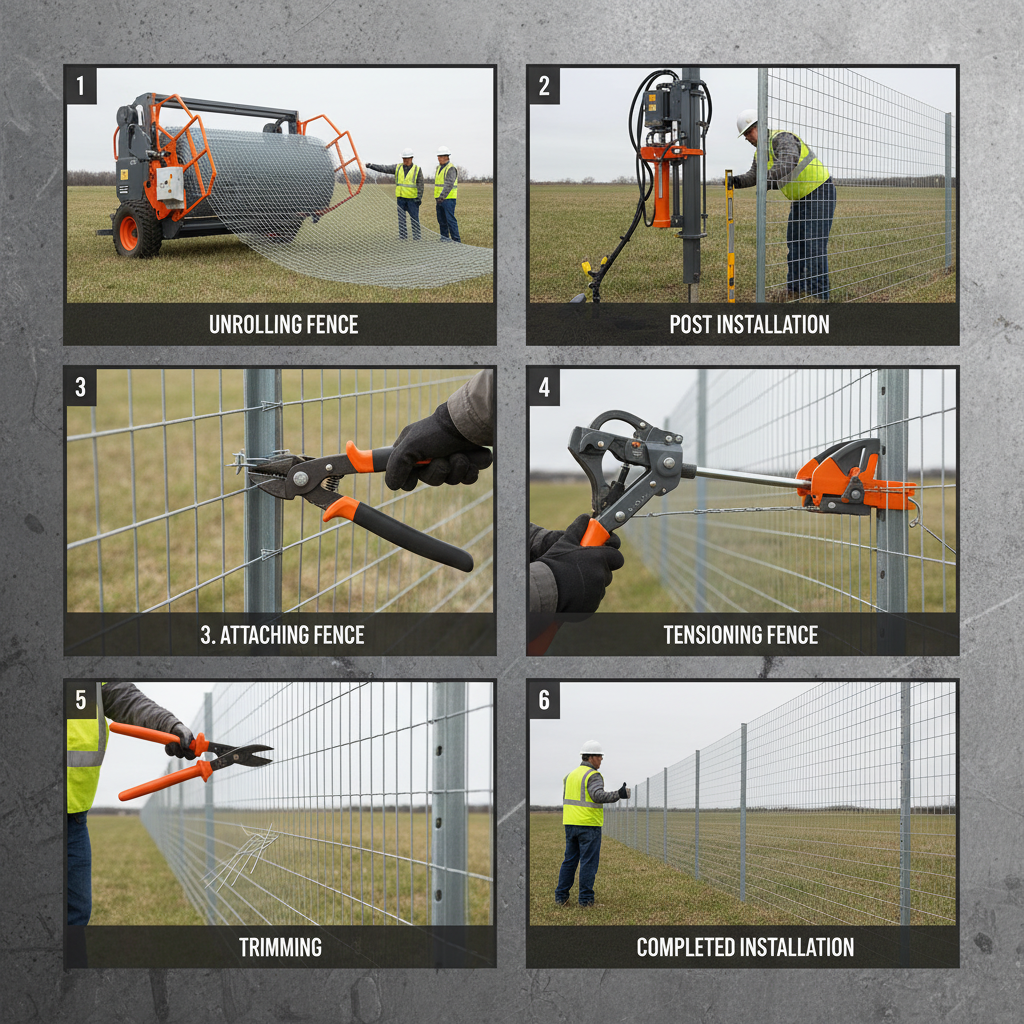 Comprehensive Guide to Choosing a 6 ft x 100 ft 12.5 Gauge Welded Wire FenceSelecting the appropriate fence for your property requires careful consideration. A 6 ft x 100 ft 12.5 gauge welded wire fence offers a robust and versatile solution for a variety of applications, from pet containment to garden protection and security. This guide will explore the benefits, applications, installation tips, and considerations when choosing this type of fencing. Understanding its construction and comparing it to other fencing options will help you make an informed decision.Read more >
Apr 04 2026
-
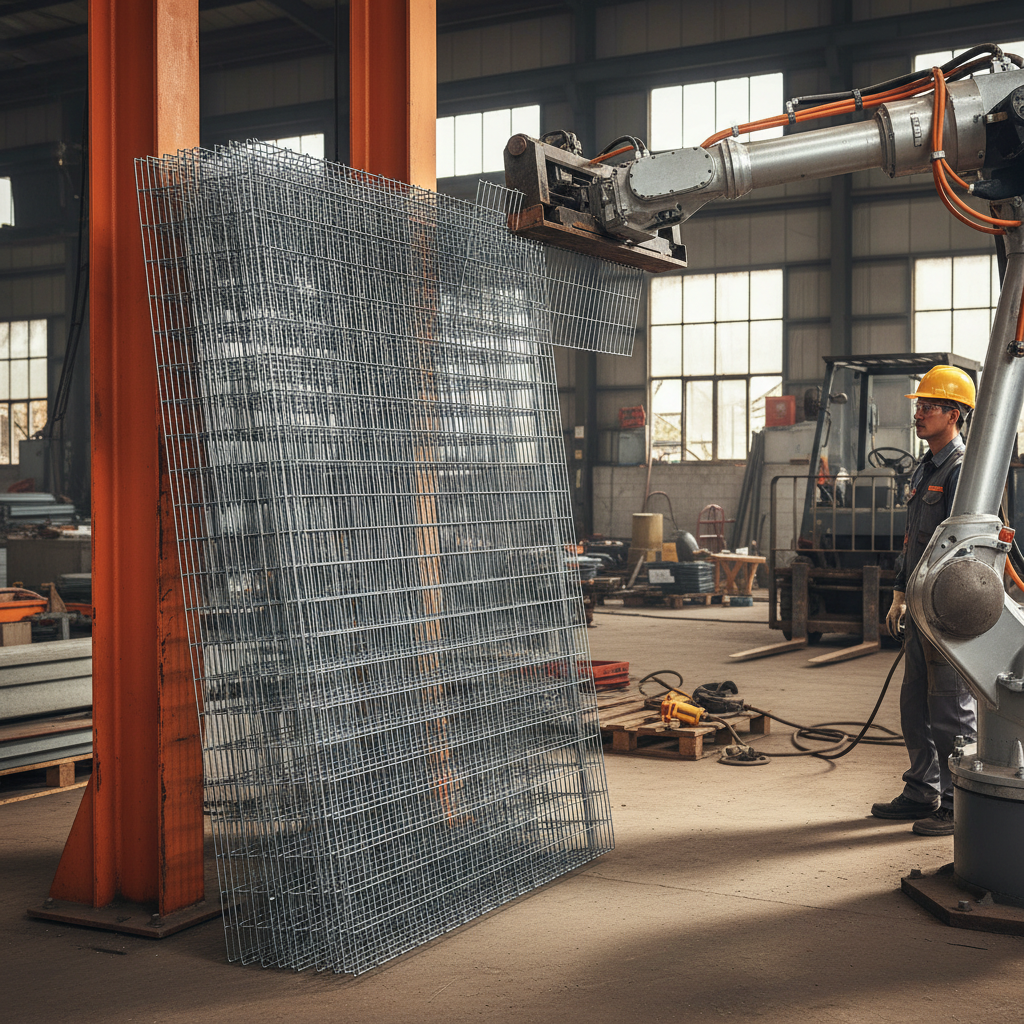 Comprehensive Guide to Durable 6 ft Welded Wire Fencing Panels and ApplicationsWhen selecting fencing for your property, 6 ft welded wire fencing panels offer a robust and versatile solution. These panels combine strength, security, and ease of installation, making them a popular choice for both residential and commercial applications. This article delves into the benefits, applications, installation, and maintenance of these panels, helping you make an informed decision.Read more >
Mar 31 2026