Fine wire mesh, a seemingly simple material, plays a critical role in a vast array of industries and applications globally. From intricate filtration systems to robust security fencing, its versatility stems from its unique combination of strength, flexibility, and precision manufacturing. Understanding the properties and potential of fine wire mesh is paramount for innovators, engineers, and businesses seeking efficient and reliable solutions.
The global demand for fine wire mesh is steadily increasing, driven by growth in sectors like pharmaceuticals, food processing, agriculture, and construction. According to recent industry reports, the market is projected to reach substantial figures in the coming years, fueled by advances in materials science and increasingly stringent regulatory standards requiring high-quality filtration and separation technologies. This demand necessitates a constant drive for innovation in manufacturing processes and material compositions.
Fine wire mesh offers a cost-effective and adaptable alternative to many traditional materials, providing solutions where precision, durability, and permeability are essential. Its lightweight nature also contributes to logistical efficiencies and reduces overall project costs, making it an attractive option across a diverse range of applications.
The Significance of Fine Wire Mesh
Fine wire mesh isn’t simply a woven material; it’s a foundational component in numerous processes that impact our daily lives. Its importance lies in its ability to provide precise filtration, secure containment, and structural support in a remarkably lightweight form. This makes it invaluable in sectors ranging from medical device manufacturing to agricultural protection.
The consistent demand for high-quality fine wire mesh highlights its enduring relevance. Manufacturers are continually refining production techniques to meet increasingly complex specifications, ensuring the material remains at the forefront of technological advancements.
Defining Fine Wire Mesh
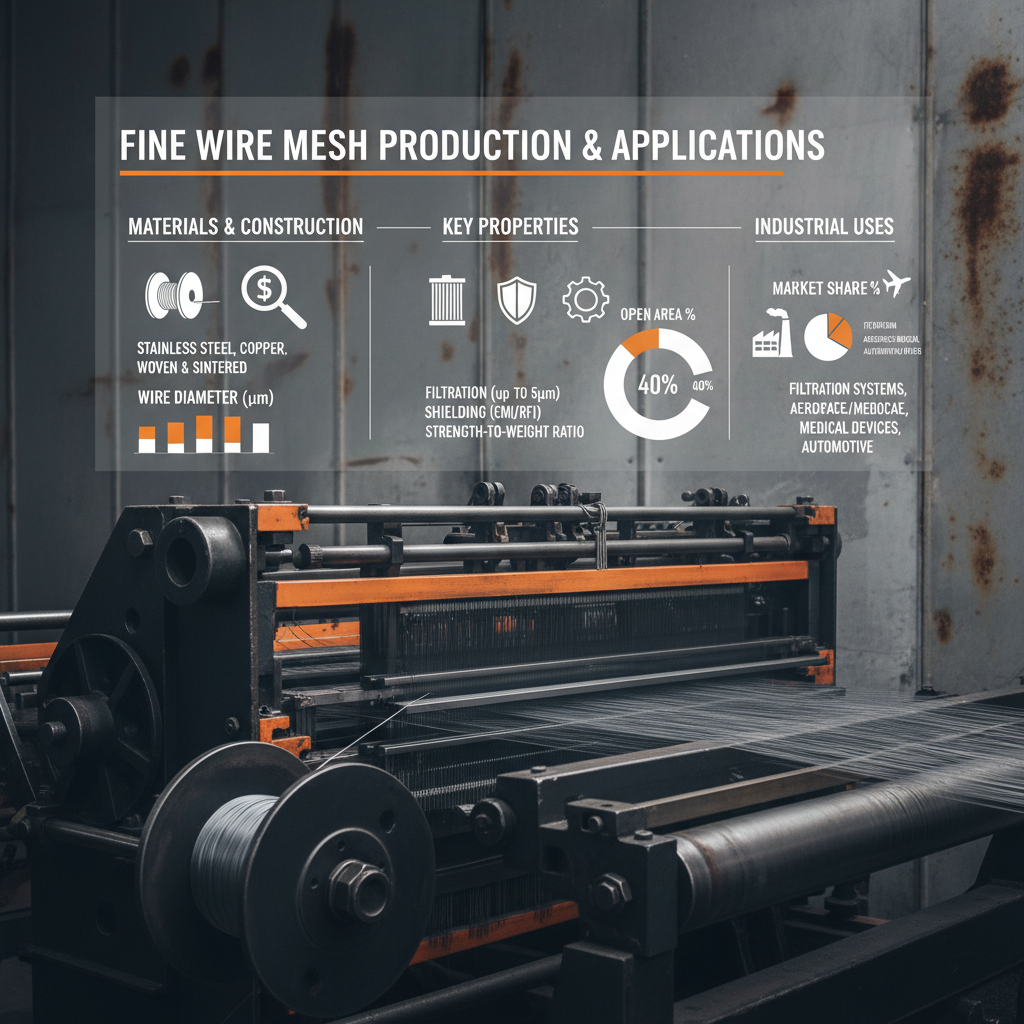
At its core, fine wire mesh is a fabric constructed from an interlacing pattern of metal wires. What sets it apart is the wire diameter – typically less than 0.5mm, often significantly smaller – resulting in extremely small apertures. This fineness dictates its key properties, including high permeability, accurate filtration, and a smooth surface finish.
The creation of fine wire mesh connects directly to modern industrial needs for precise separation and filtration. In applications like pharmaceutical manufacturing, ensuring purity is paramount. Fine wire mesh provides the critical barrier needed to remove contaminants, contributing to the safety and efficacy of medications.
Furthermore, its utility extends beyond purification. It acts as a vital component in creating lightweight, strong, and breathable materials used in areas like aerospace and automotive industries.
Core Properties of Fine Wire Mesh
Durability is a cornerstone of fine wire mesh performance. Constructed from materials like stainless steel, brass, and titanium, it exhibits exceptional resistance to corrosion, wear, and tear. This robustness ensures a long service life, even in harsh operating environments. Proper material selection is crucial for maximizing lifespan and minimizing maintenance costs.
Permeability, or the ease with which fluids or gases can pass through the mesh, is another vital property. The precise control over aperture size allows for tailored permeability rates, making it ideal for filtration, ventilation, and separation applications. This is a defining characteristic of fine wire mesh, differentiating it from coarser woven materials.
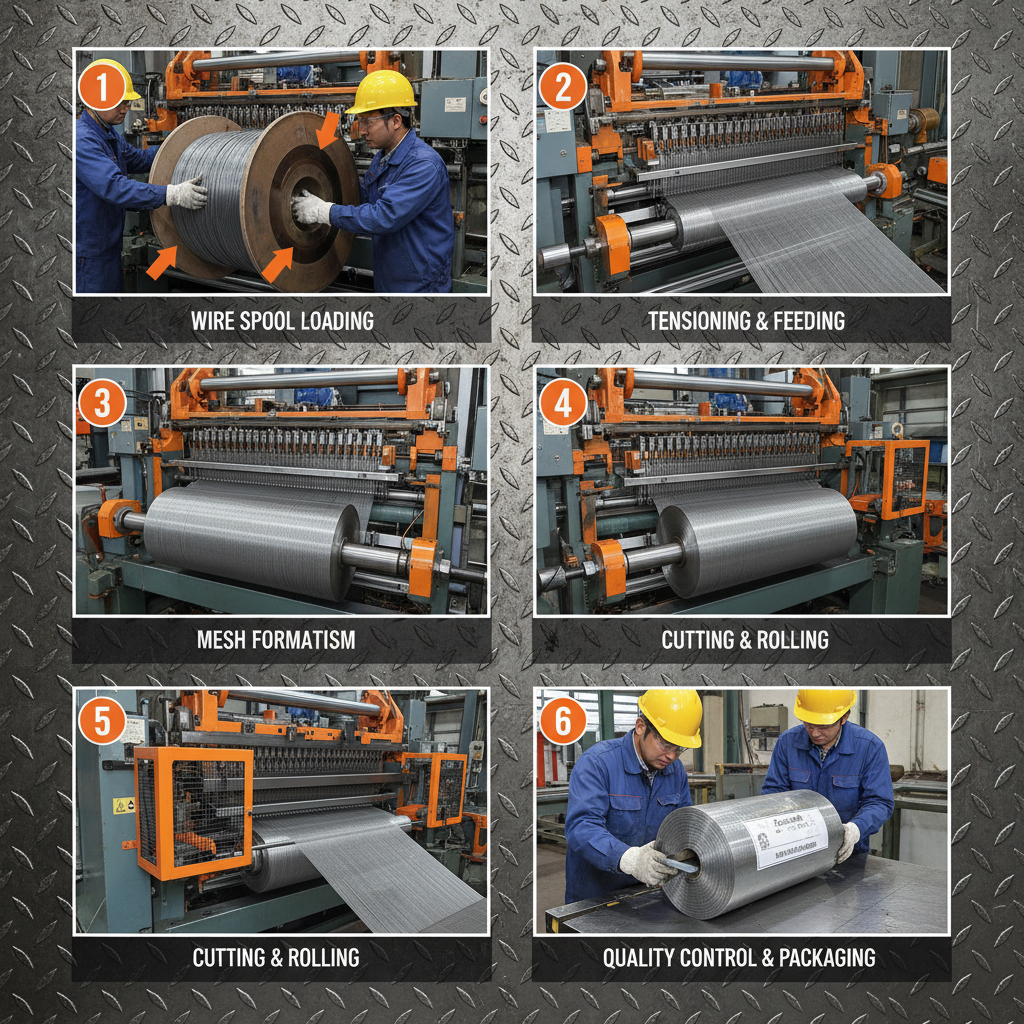
Precision is inherent in the manufacturing process. Modern weaving techniques ensure consistent aperture sizes and wire diameters, guaranteeing predictable performance and reliability. This level of control is critical for applications demanding specific filtration requirements or dimensional accuracy.
Applications of Fine Wire Mesh Across Industries
The pharmaceutical industry relies heavily on fine wire mesh for filtration processes during drug production, ensuring product purity and safety. In food processing, it’s used for sifting, straining, and separating ingredients, maintaining food quality and hygiene standards.
The aerospace sector utilizes fine wire mesh in aircraft filters, ventilation systems, and lightweight structural components, contributing to improved fuel efficiency and performance. The automotive industry employs it in catalytic converters, air filters, and vibration damping materials, enhancing vehicle efficiency and reducing emissions.
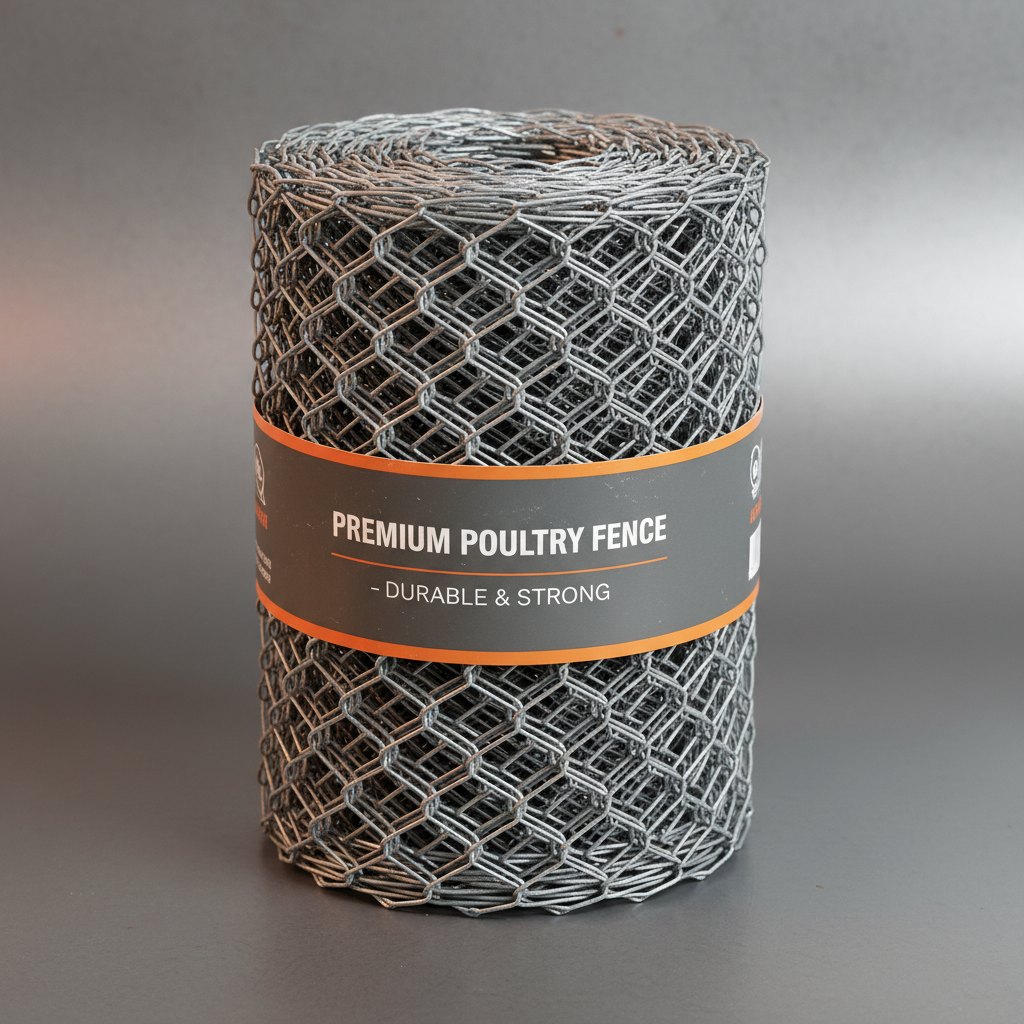
Beyond these, fine wire mesh finds applications in agriculture (insect screening), water treatment (filtration), and even artistic endeavors (sculpture and design).
Fine Wire Mesh Application Ratings
Advantages and Long-Term Value Proposition
The cost-effectiveness of fine wire mesh is a significant advantage. Compared to alternative materials like specialized polymers or complex filtration systems, it often provides a more economical solution without compromising performance. This makes it accessible to a wider range of businesses and applications.
From a sustainability perspective, many fine wire meshes are constructed from recyclable materials like stainless steel, minimizing environmental impact. Its longevity also reduces the frequency of replacements, further contributing to resource conservation. Fine wire mesh’s durability contributes to long term cost savings.
Global Applications & Real-World Use Cases
In post-disaster relief operations, fine wire mesh is used in the construction of temporary shelters and water filtration systems, providing essential support to affected communities. Its lightweight nature facilitates rapid deployment and efficient logistics.
In remote industrial zones, fine wire mesh is utilized in mining operations for screening and separating materials, improving efficiency and reducing environmental contamination. In the agricultural sector of Southeast Asia, it serves as protective barriers against pests, bolstering crop yields.
Across Africa, fine wire mesh is deployed in mosquito netting, contributing significantly to the prevention of malaria transmission and improving public health.
Future Trends and Innovations in Fine Wire Mesh
The development of advanced materials, such as shape memory alloys, promises to revolutionize fine wire mesh applications. These materials can adapt to changing conditions, enhancing performance and extending lifespan. Research into nanotechnology is also exploring the creation of even finer mesh structures with unprecedented filtration capabilities.
Digital transformation is impacting the manufacturing process, with automated weaving systems increasing precision and efficiency. The integration of sensors into fine wire mesh structures enables real-time monitoring of performance, allowing for predictive maintenance and optimization.
Sustainability remains a key driver, with increasing focus on developing biodegradable and eco-friendly mesh materials, reducing environmental impact and promoting circular economy principles.
Summary of Factors Influencing Fine Wire Mesh Performance
| Material Composition |
Aperture Size |
Weaving Pattern |
Environmental Factors |
| Stainless Steel (304, 316) |
20 microns |
Plain Weave |
Corrosion Resistance (Rating 9/10) |
| Brass |
45 microns |
Twill Weave |
Temperature Stability (Rating 7/10) |
| Titanium |
10 microns |
Dutch Weave |
Strength-to-Weight Ratio (Rating 10/10) |
| Aluminum |
75 microns |
Plain Weave |
Cost-Effectiveness (Rating 8/10) |
| Monel |
30 microns |
Twill Weave |
Chemical Resistance (Rating 9/10) |
| Nickel |
50 microns |
Dutch Weave |
High Temperature Performance (Rating 7/10) |
FAQS
The most prevalent materials include stainless steel (grades 304 and 316 are popular for corrosion resistance), brass (valued for its conductivity and workability), titanium (known for its strength-to-weight ratio), and aluminum (a cost-effective option for less demanding applications). The choice depends on the specific application’s requirements, such as chemical exposure, temperature, and mechanical stress.
Aperture size directly dictates the mesh’s filtration and separation capabilities. Smaller apertures provide finer filtration, effectively removing smaller particles. However, reducing aperture size can also decrease permeability, slowing down flow rates. Optimizing aperture size is critical to balancing filtration efficiency and flow characteristics for the intended application.
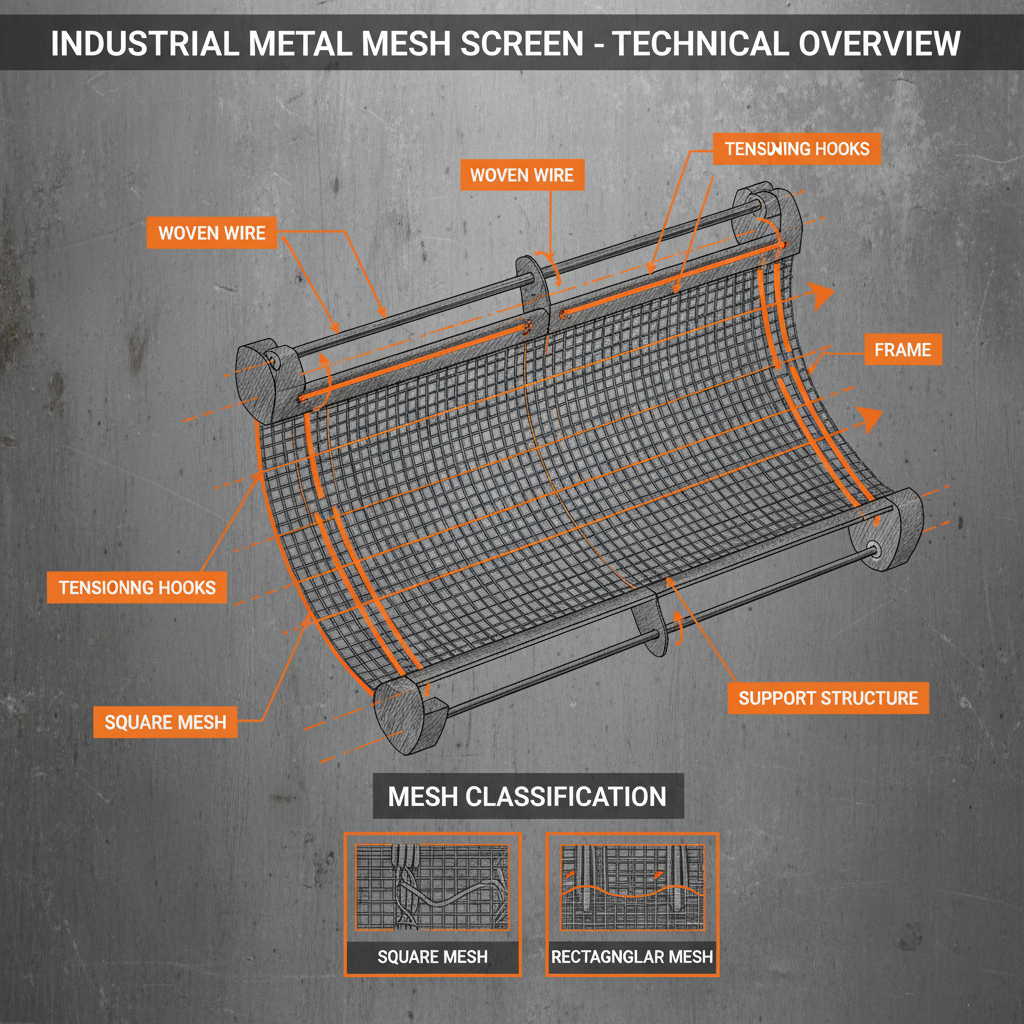
Plain weave is the simplest and most common pattern, offering good stability. Twill weave creates a diagonal pattern, resulting in a more pliable mesh with higher density. Dutch weave features alternating warp and weft wires, providing high permeability and strength, making it ideal for filtration under pressure. Each weave offers different properties suited for specific needs.
Wire diameter impacts the mesh’s strength and durability. Thicker wires provide greater structural integrity but also reduce aperture size. Considerations include the expected load, operating environment, and required filtration level. Consulting with a mesh supplier is recommended to determine the optimal wire diameter for your specific application.
Stainless steel, particularly grades 304 and 316, exhibit excellent corrosion resistance in a wide range of environments. Titanium offers superior resistance in harsh chemical environments. Aluminum is susceptible to corrosion but can be treated for improved protection. Brass may tarnish but maintains structural integrity.
Yes, most suppliers offer custom fabrication services, including cutting, forming, welding, and finishing. Fine wire mesh can be produced in a variety of shapes and sizes to meet specific project requirements. Providing accurate dimensions and specifications is crucial for ensuring a precise fit.
Conclusion
Fine wire mesh, a seemingly unassuming material, stands as a critical component across diverse industries. Its unique blend of durability, permeability, and precision, coupled with ongoing innovations in materials and manufacturing, ensures its continued relevance in addressing global challenges. By understanding its core properties and diverse applications, businesses and engineers can harness its potential to create efficient, reliable, and sustainable solutions.
Looking ahead, the future of fine wire mesh lies in further advancements in nanotechnology, sustainable materials, and smart manufacturing techniques. Embracing these innovations will unlock new possibilities, expanding its role in addressing critical needs in areas such as healthcare, environmental protection, and industrial efficiency.