Welded fence structures represent a cornerstone of modern security, demarcation, and industrial applications. Their robust nature and efficient manufacturing processes have made them indispensable across a diverse range of sectors, from residential properties seeking enhanced privacy and security to large-scale agricultural operations needing effective livestock control. The global demand for welded fence is steadily increasing, driven by factors such as urbanization, heightened security concerns, and the expansion of infrastructure projects worldwide.
The significance of welded fence extends beyond mere physical barriers. It contributes to economic stability by supporting manufacturing industries and providing employment opportunities. Furthermore, advancements in welding technology and material science continuously improve the durability and longevity of welded fence, reducing life-cycle costs and minimizing environmental impact. Understanding the nuances of welded fence—its materials, construction methods, and applications—is therefore crucial for professionals in construction, security, and agricultural industries, as well as for informed consumers.
The continued evolution of welded fence technologies, particularly with a focus on sustainability and innovative designs, underscores its enduring relevance in a rapidly changing world. welded fence is a versatile and adaptable solution for a wide variety of fencing needs.
The Significance of Welded Fence
The enduring significance of welded fence stems from its fundamental ability to provide secure perimeters. Whether it’s delineating property lines, safeguarding industrial facilities, or protecting agricultural land, welded fence offers a reliable and cost-effective solution. The increasing need for controlled access and enhanced security continues to fuel demand for high-quality welded fence products. welded fence has become an integral part of modern infrastructure.
Beyond security, welded fence contributes to aesthetic value, with options ranging from simple galvanized wire to more decorative powder-coated finishes. This versatility makes it suitable for a wide variety of applications, seamlessly blending functionality with visual appeal. The adaptability of welded fence to different terrains and landscaping designs further underscores its importance in both urban and rural settings.
Understanding Welded Fence Construction
Welded fence is created by joining individual wires or pre-fabricated mesh panels using an electric welding process. This method results in strong, rigid structures capable of withstanding significant stress and impact. The most common materials used in welded fence construction include galvanized steel, stainless steel, and aluminum, each offering varying levels of corrosion resistance and durability. Proper welding techniques are crucial to ensure the structural integrity of the fence.
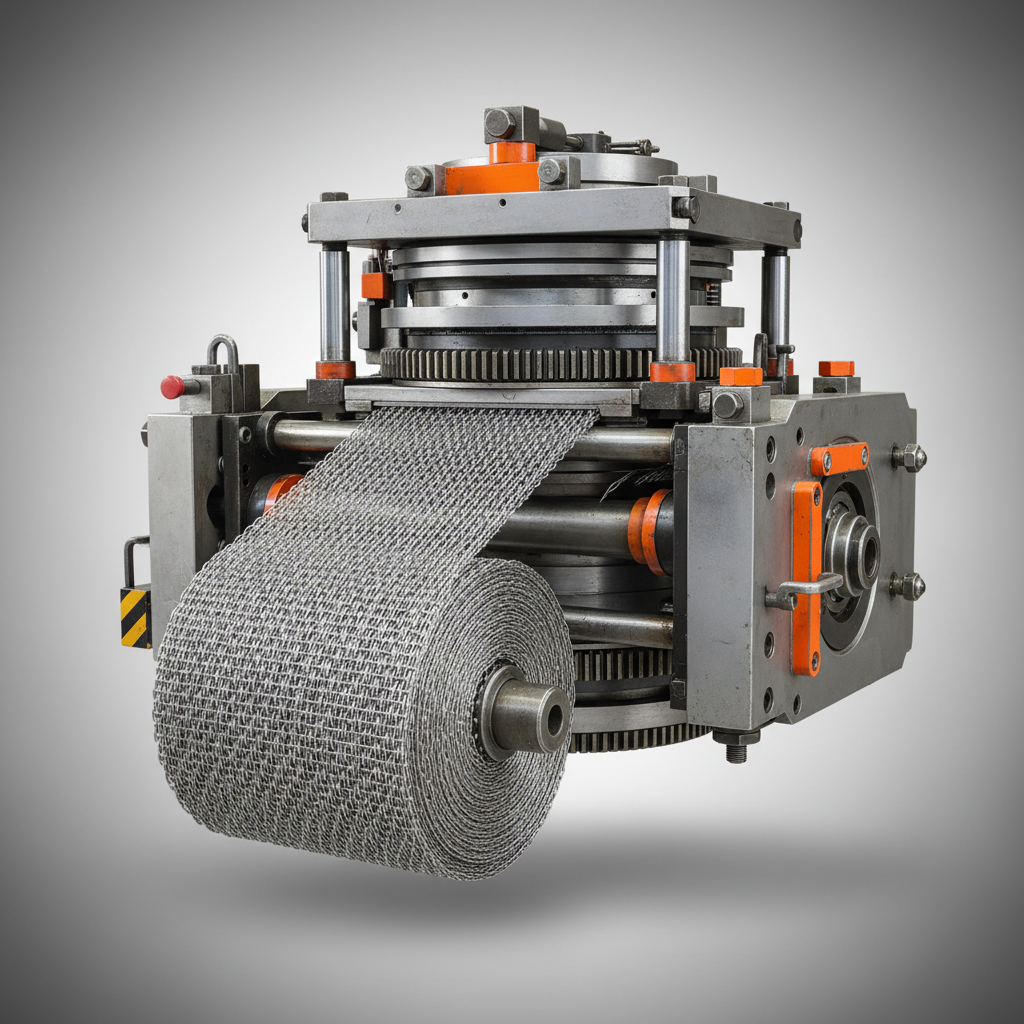
The manufacturing process typically involves creating a grid pattern of wires, which are then welded at each intersection. The size of the wire mesh, or ‘aperture,’ can be customized to suit specific application requirements. Different welding styles, such as spot welding and continuous welding, are employed depending on the desired strength and aesthetic appearance of the finished product.
The finishing process often includes galvanization or powder coating to protect the steel from corrosion and enhance its longevity. Galvanization involves applying a zinc coating, while powder coating provides a durable, colorful, and weather-resistant finish. This protection is critical, especially in harsh environmental conditions where corrosion can compromise the fence’s integrity.
Core Properties of Welded Fence
Durability is a cornerstone property of welded fence. The robust welding process creates a structurally sound barrier capable of withstanding considerable force and environmental stressors. High-quality materials and proper manufacturing techniques contribute significantly to the fence’s long-term performance and resistance to damage.
Corrosion resistance is another critical property, particularly in outdoor applications. Galvanization, powder coating, and the use of stainless steel alloys effectively protect the fence from rust and degradation, extending its lifespan and reducing maintenance requirements. Choosing the appropriate material for the specific environment is vital.
The strength and rigidity of welded fence provide a secure perimeter, deterring unauthorized access and protecting valuable assets. The density of the mesh and the gauge of the wire contribute to the overall strength of the fence. It also allows for custom designs to address site-specific security concerns.
Welded Fence Applications and Use Cases
Welded fence finds extensive application in the agricultural sector, where it's used to contain livestock, protect crops from wildlife, and define property boundaries. The durable construction and corrosion resistance of welded fence make it well-suited for harsh outdoor conditions commonly encountered in farming and ranching.
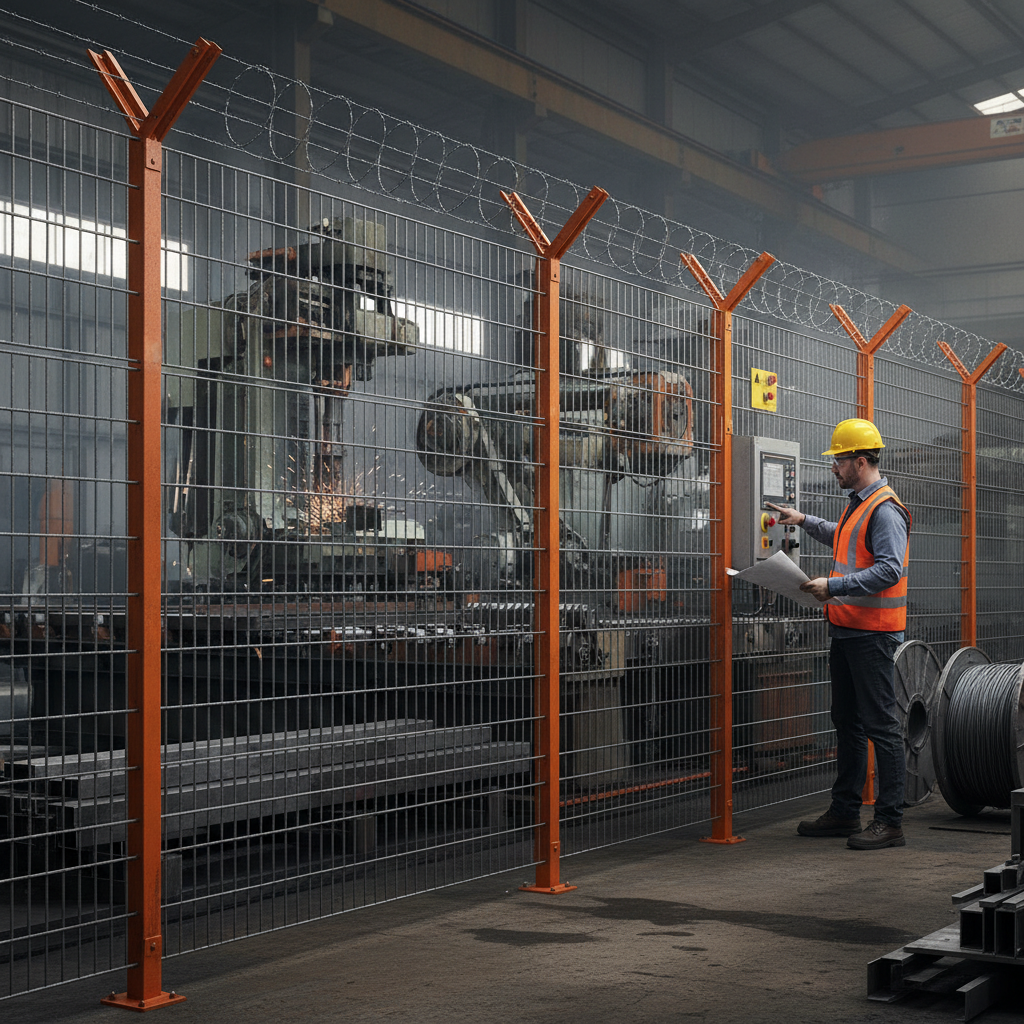
In industrial and commercial settings, welded fence provides robust security for facilities, equipment, and inventory. It’s commonly used around factories, warehouses, power plants, and construction sites to prevent unauthorized access and vandalism. The customizable nature of welded fence allows for tailored security solutions.
Comparative Analysis of Welded Fence Materials
The Advantages of Welded Fence Systems
Welded fence systems provide a significant advantage in terms of installation speed and efficiency. Pre-fabricated panels can be quickly erected, reducing labor costs and minimizing disruption to ongoing operations. This is particularly beneficial for large-scale projects with tight deadlines.
Compared to other fencing options, welded fence often presents a cost-effective solution, especially when considering its long lifespan and minimal maintenance requirements. The durable construction and corrosion resistance contribute to lower life-cycle costs, making it a financially sound investment.
Future Trends in Welded Fence Technology
The integration of smart technologies into welded fence systems represents a significant future trend. This includes features such as embedded sensors for intrusion detection, remote monitoring capabilities, and automated gate control systems. These advancements enhance security and provide real-time situational awareness.
Sustainable materials and eco-friendly manufacturing processes are gaining prominence in the welded fence industry. The development of recycled steel alloys and low-VOC powder coatings reduces the environmental impact of fence production and disposal, aligning with growing sustainability initiatives.
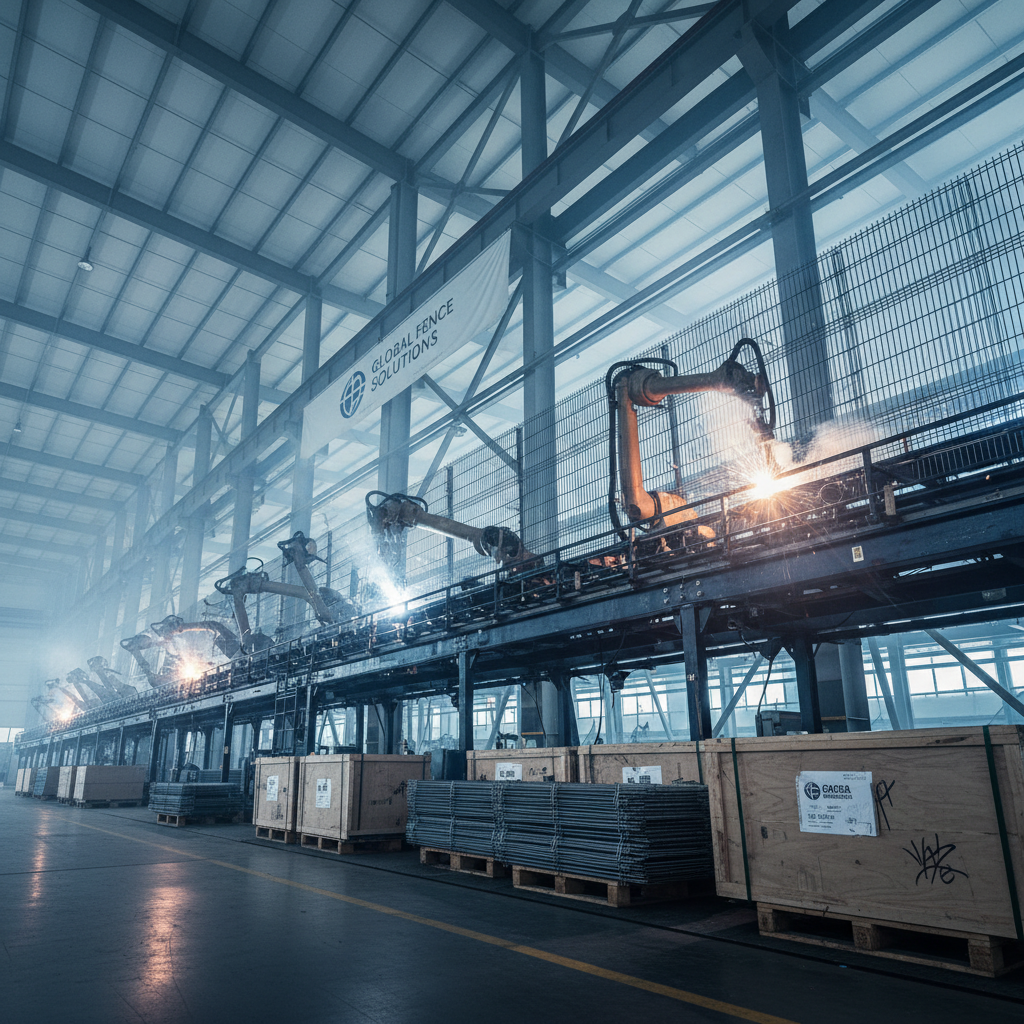
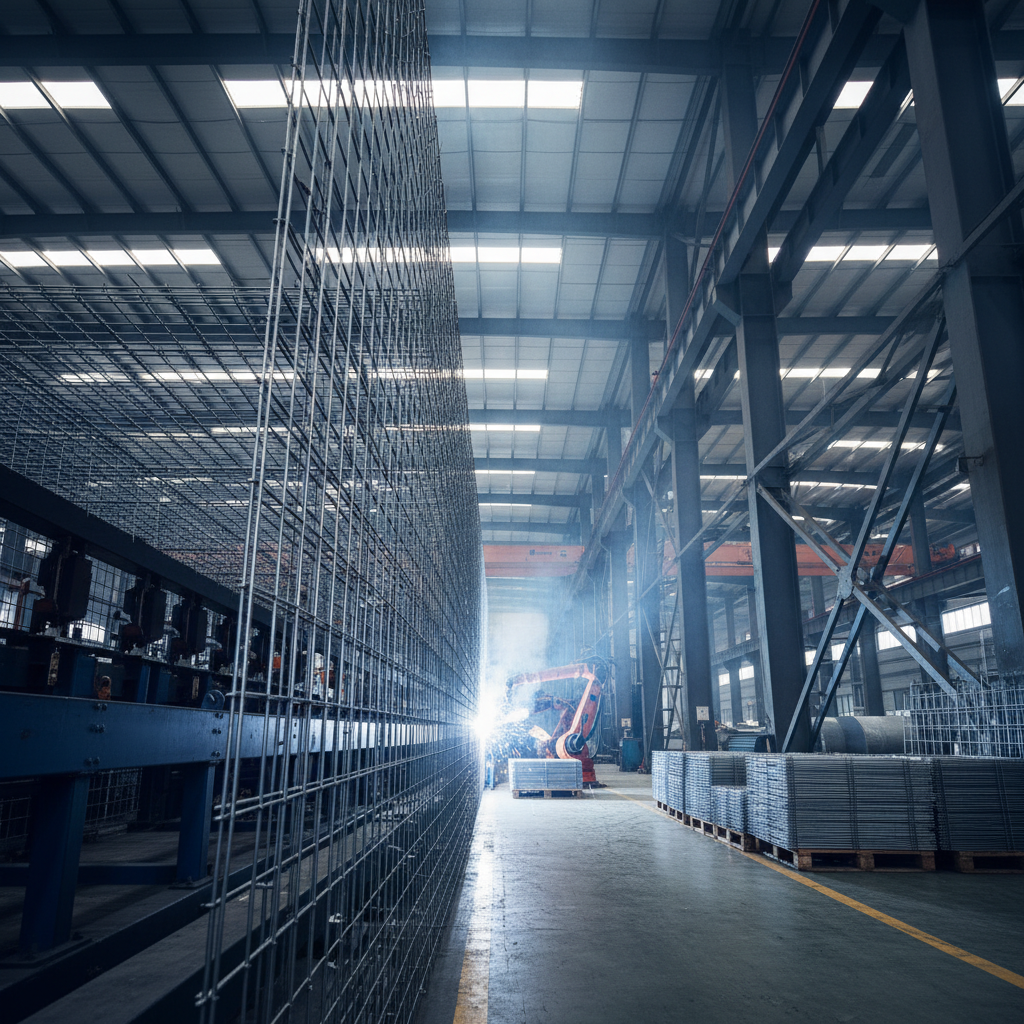
Automated welding techniques and robotic fabrication are becoming increasingly common, leading to improved precision, consistency, and efficiency in the manufacturing process. This automation reduces production costs and enables the creation of more complex and customized fence designs.
Challenges and Solutions in Welded Fence Implementation
A common challenge in welded fence implementation is ensuring proper grounding to prevent electrical hazards. This requires careful consideration of soil conditions and the use of appropriate grounding techniques to dissipate static electricity and protect personnel.
Corrosion remains a persistent concern, particularly in coastal areas or industrial environments with high levels of atmospheric pollutants. Selecting corrosion-resistant materials, applying protective coatings, and implementing regular maintenance programs are essential for mitigating this risk. welded fence design can be customized to resist even the harshest environmental conditions.
Ensuring the structural integrity of the fence over time requires regular inspections and prompt repairs. Addressing any signs of damage, such as broken welds or corroded wires, is crucial to maintain the fence’s security and functionality. Preventative maintenance programs can significantly extend the lifespan of the fence and reduce the need for costly repairs.
Summary of Common Welded Fence Implementation Challenges and Solutions
| Challenge |
Impact Area |
Severity (1-5) |
Mitigation Strategy |
| Corrosion in Coastal Environments |
Fence Longevity |
4 |
Use Stainless Steel or Galvanized/Powder Coated Steel |
| Insufficient Grounding |
Electrical Safety |
5 |
Implement Proper Grounding Rods and Connections |
| Weak Weld Points |
Structural Integrity |
3 |
Quality Control During Manufacturing & Inspection |
| Vandalism & Damage |
Security Effectiveness |
2 |
Increase Fence Height & Add Anti-Climb Features |
| Uneven Terrain Installation |
Fence Stability |
3 |
Use Stepped or Racked Fence Panels |
| Lack of Regular Maintenance |
Long-Term Performance |
4 |
Scheduled Inspections & Repair of Damaged Sections |
FAQS
The most common materials are galvanized steel, offering a cost-effective balance of strength and corrosion resistance; stainless steel, providing superior corrosion resistance but at a higher cost; and aluminum, which is lightweight and corrosion-resistant, ideal for certain applications. Vinyl-coated options also provide enhanced durability and aesthetics.
Mesh size selection depends on the intended purpose of the fence. Smaller mesh sizes offer greater security and prevent the passage of smaller animals, while larger mesh sizes are suitable for agricultural applications where visibility and airflow are important. Consider the size of what you need to contain or exclude when making your choice.
Galvanization is the process of applying a protective zinc coating to steel. It prevents rust and corrosion, significantly extending the lifespan of the fence, especially in harsh weather conditions. It's a cost-effective method for ensuring long-term durability and reducing maintenance needs.
Yes, welded fence can be installed on uneven ground, but it requires careful planning and installation techniques. Options include stepped fence panels that follow the contours of the land, racking the fence panels to conform to the slope, or excavating and leveling the ground before installation. Proper post spacing and support are crucial for stability.
Common accessories include gates, gate latches and locks, post caps, tension wires, razor wire (for security applications), and chain link fabric for added security. Additional accessories such as privacy screens and wind fences can also enhance the functionality and aesthetics of the system.
Regular maintenance includes inspecting for damage (broken welds, corroded wires), cleaning the fence surface to remove dirt and debris, and repairing any damage promptly. Periodic re-coating of galvanized surfaces or touch-up paint can also help maintain corrosion resistance. A preventative maintenance schedule is recommended.
Conclusion
In summary, welded fence remains a vital component of modern infrastructure, offering a robust, cost-effective, and versatile solution for a wide range of applications. From securing properties and containing livestock to protecting industrial facilities, the benefits of welded fence are numerous and far-reaching. Its inherent durability, coupled with advancements in materials and manufacturing techniques, ensures its continued relevance in a changing world.
Looking ahead, the integration of smart technologies and sustainable practices will further enhance the value of welded fence systems. Embracing innovation and prioritizing regular maintenance will be key to maximizing the lifespan and performance of these essential structures. For all your welded fence needs, visit our website today: www.chbarrier.com.