


Comprehensive Guide to Choosing a 6 ft x 100 ft 12.5 Gauge Welded Wire Fence
Choosing the Right Fence: A Guide to 6 ft x 100 ft 12.5 Gauge Welded Wire Fence
Selecting the appropriate fence for your property requires careful consideration. A 6 ft x 100 ft 12.5 gauge welded wire fence offers a robust and versatile solution for a variety of applications, from pet containment to garden protection and security. This guide will explore the benefits, applications, installation tips, and considerations when choosing this type of fencing. Understanding its construction and comparing it to other fencing options will help you make an informed decision. We'll also highlight why CHCH Fence provides high-quality welded wire fencing solutions.
Understanding Welded Wire Fence Construction
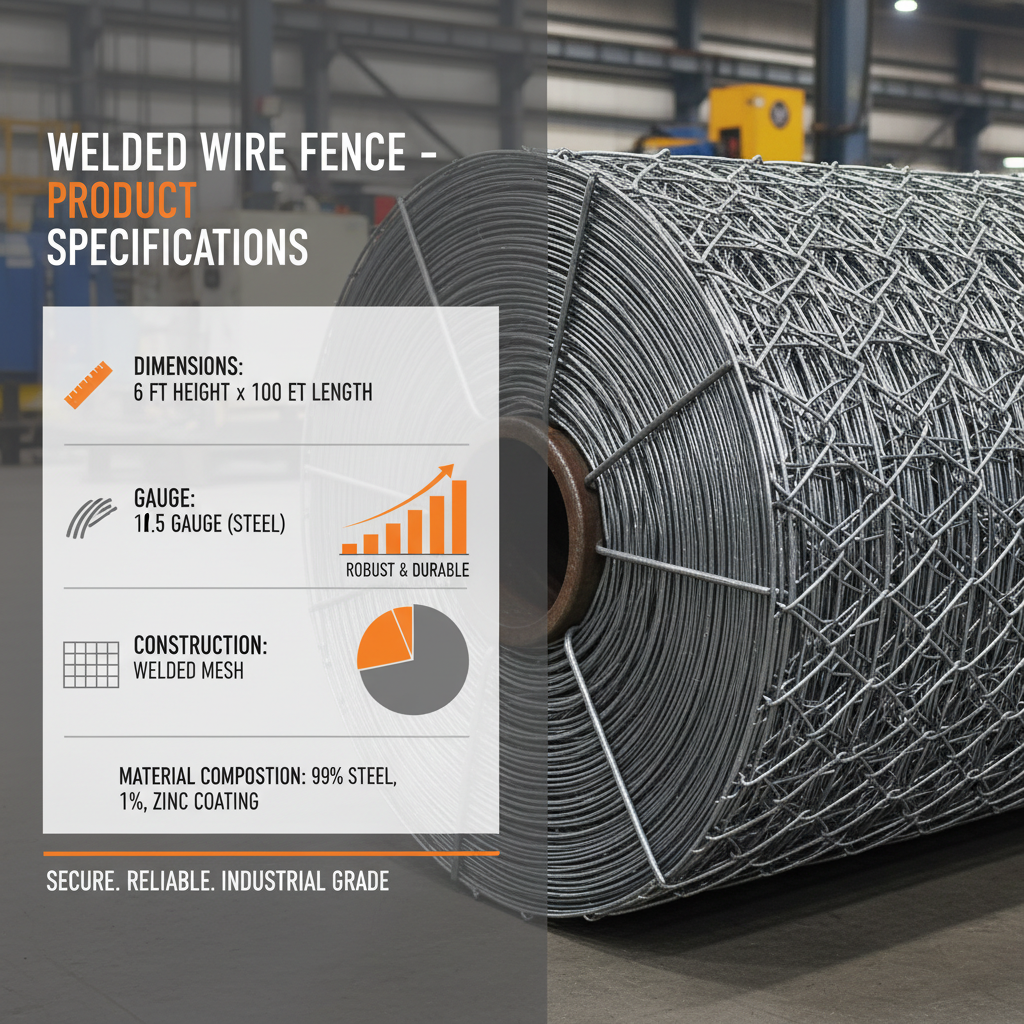
Welded wire fencing is constructed by joining vertical and horizontal wires at each intersection, creating a sturdy and rigid mesh. The 12.5 gauge refers to the wire thickness; a lower gauge number indicates a thicker, stronger wire. A 6 ft height is a common choice for residential and agricultural applications, offering a good balance between containment and visibility. The 100 ft length provides significant coverage, reducing the number of splices needed during installation. The welded construction offers superior strength and durability compared to woven wire fencing, making it a reliable choice for long-term use. This type of fencing is often galvanized or coated with vinyl to enhance its resistance to corrosion and extend its lifespan.
Key Benefits: Durable construction, excellent strength, long-lasting, versatile application, easy to install.
Common Applications for 6 ft x 100 ft 12.5 Gauge Welded Wire
This versatile fencing solution is ideal for a wide range of purposes. Popular applications include keeping pets safely contained within a yard, protecting gardens from animals, creating enclosures for poultry or livestock, and providing a basic security perimeter. Its relatively open weave allows for visibility while still providing a strong barrier. It’s also a cost-effective alternative to solid fences, offering a good balance between security and affordability. Homeowners, farmers, and gardeners alike find this fencing to be a practical and reliable choice for various needs. Furthermore, it can be used to create temporary enclosures for construction sites or events.
Application Examples:
• Pet containment
• Garden protection
• Livestock enclosures
• Temporary fencing
6 ft x 100 ft 12.5 Gauge Welded Wire Fence vs. Other Fencing Options
Comparing welded wire fencing to other common options like chain-link, wood, and vinyl reveals key differences. Chain-link is often more expensive and less aesthetically pleasing. Wood requires more maintenance and is susceptible to rot and insect damage. Vinyl is durable but also costly. Welded wire provides a good balance of strength, affordability, and ease of installation. Here's a comparison:
Installation Tips and Considerations
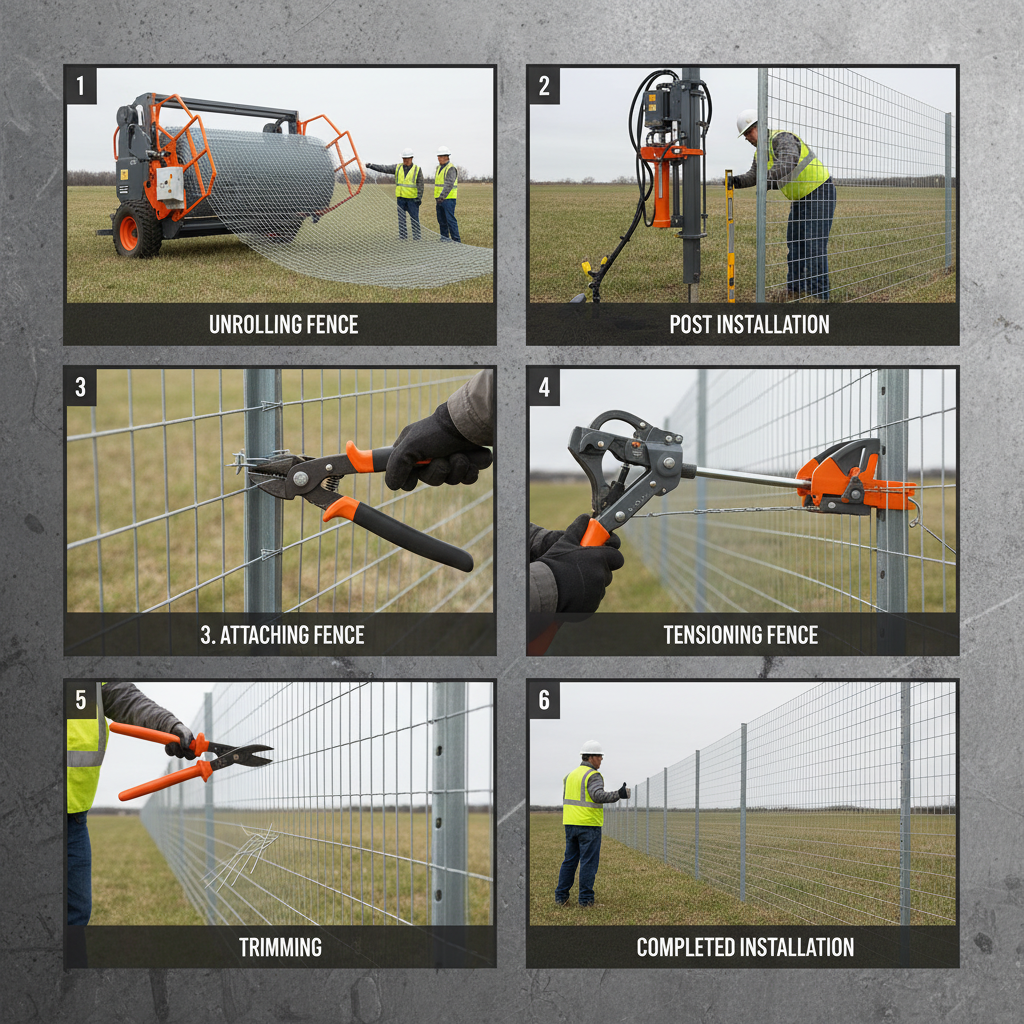
Installing a 6 ft x 100 ft 12.5 gauge welded wire fence is a relatively straightforward DIY project. However, proper planning and execution are crucial for a secure and long-lasting fence. Start by marking the fence line and setting posts at regular intervals (typically 8-10 feet apart). Use appropriate post materials (wood, metal, or concrete) and ensure they are securely anchored in the ground. Stretch the wire tightly between posts and securely fasten it using wire ties or clips. Consider adding a top rail for increased stability, particularly for taller fences or areas with heavy snow loads. CHCH Fence provides all the necessary materials and resources to help you complete your fencing project successfully.
Why Choose CHCH Fence?
At CHCH Fence, we are committed to providing high-quality welded wire fencing solutions at competitive prices. We source durable materials and employ rigorous quality control measures to ensure our products meet the highest standards. We offer a wide selection of fencing options, including various gauges, heights, and coatings to suit your specific needs. Our experienced team is available to provide expert advice and support throughout your project. We pride ourselves on excellent customer service and fast, reliable shipping.
Conclusion: A Secure and Reliable Fencing Solution
A 6 ft x 100 ft 12.5 gauge welded wire fence is an excellent choice for a variety of fencing applications. Its durability, affordability, and ease of installation make it a smart investment for homeowners, farmers, and businesses. Choosing CHCH Fence ensures you receive a high-quality product backed by exceptional customer service. Protect your property and enjoy peace of mind with a reliable welded wire fence.
Frequently Asked Questions (FAQs)
What is the recommended post spacing for a 6 ft welded wire fence?
For a 6 ft welded wire fence, we recommend a post spacing of 8 to 10 feet. Closer spacing provides increased stability, especially in areas with strong winds or uneven terrain. Using sturdy posts and properly anchoring them is crucial for the fence's longevity. Consider using line posts and corner/end posts of different sizes and materials for optimal strength. Overly wide post spacing can cause the wire to sag over time, compromising the fence’s effectiveness. Consistent spacing throughout the fence line ensures even tension and a professional appearance.
What gauge wire is best for containing large dogs?
For containing large, strong dogs, a 12.5 gauge or even 11.5 gauge welded wire is recommended. These thicker gauges offer greater strength and resistance to bending or breaking. A smaller mesh size (e.g., 2" x 4") can prevent dogs from squeezing through the openings. Ensure the fence is properly installed with secure post anchors and tensioned wire to prevent digging or pushing. Consider burying a portion of the fence underground or adding a footer to deter digging.
How do I protect a welded wire fence from rust?
Welded wire fences are typically galvanized to provide rust protection. However, the galvanization can wear off over time. To extend the fence's lifespan, consider applying a rust-inhibiting paint or coating specifically designed for metal. Regularly inspect the fence for any signs of rust and address them promptly. Avoid using harsh chemicals or abrasive cleaners that can damage the protective coating. Proper installation and avoiding contact with corrosive materials can also help prevent rust.
Is welded wire fencing suitable for sloped terrain?
Yes, welded wire fencing can be adapted to sloped terrain, but it requires careful planning and installation. Following the contour of the slope is generally the most effective approach. You may need to use different post heights to maintain a consistent fence height along the slope. Proper post anchoring is even more critical on slopes to prevent the fence from shifting or collapsing. Consider adding additional bracing or support posts for stability.
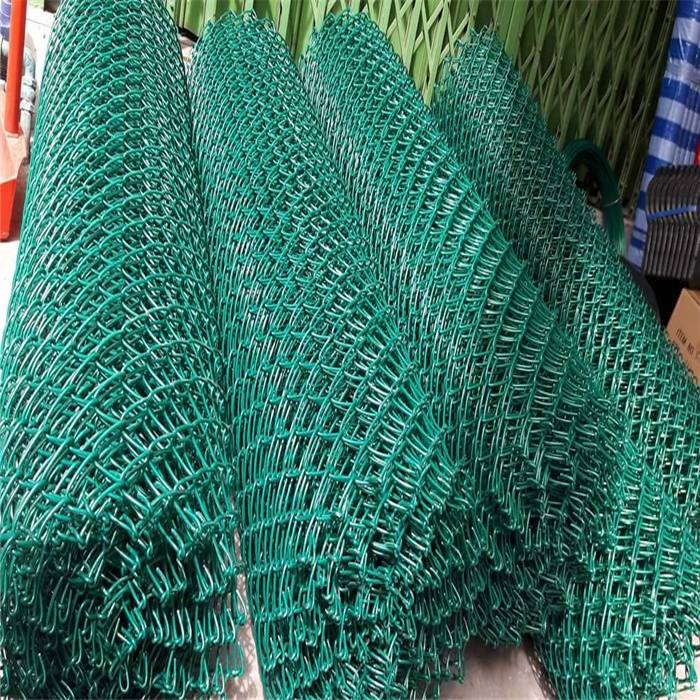
Latest News About CHENG CHUANG
-
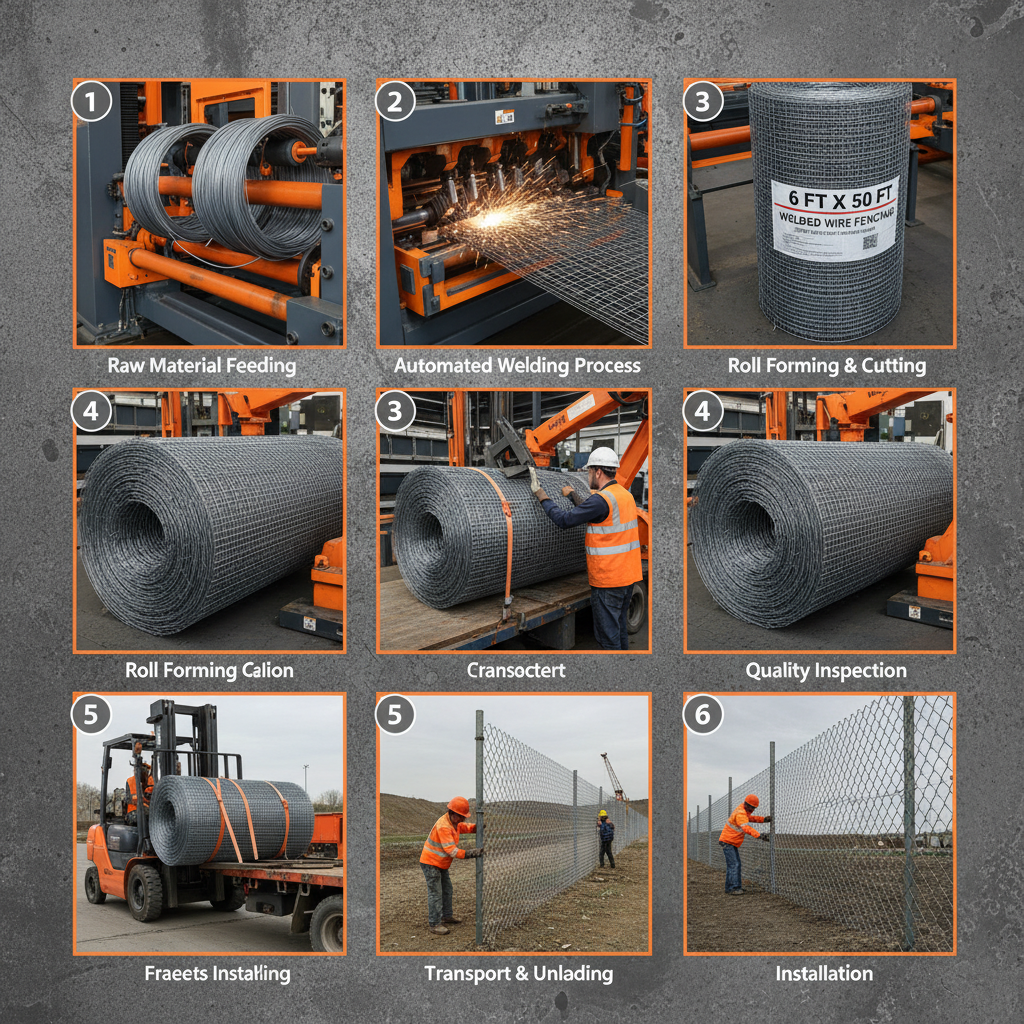 Durable 6 ft x 50 ft welded wire fencing for Security and GardensWhen it comes to securing a perimeter, whether for agricultural use, garden protection, or industrial boundaries, the dimensions and material of your fence matter. The 6 ft x 50 ft welded wire fencing offers an ideal balance of height and length, providing a robust barrier that is easy to install and maintain. Choosing a welded wire system ensures that the intersections are fused together, preventing the shifting and sagging often found in woven alternatives. In this guide, we will explore why this specific size is a preferred choice for property owners and how to maximize its effectiveness for your specific project.Read more >
Apr 09 2026
-
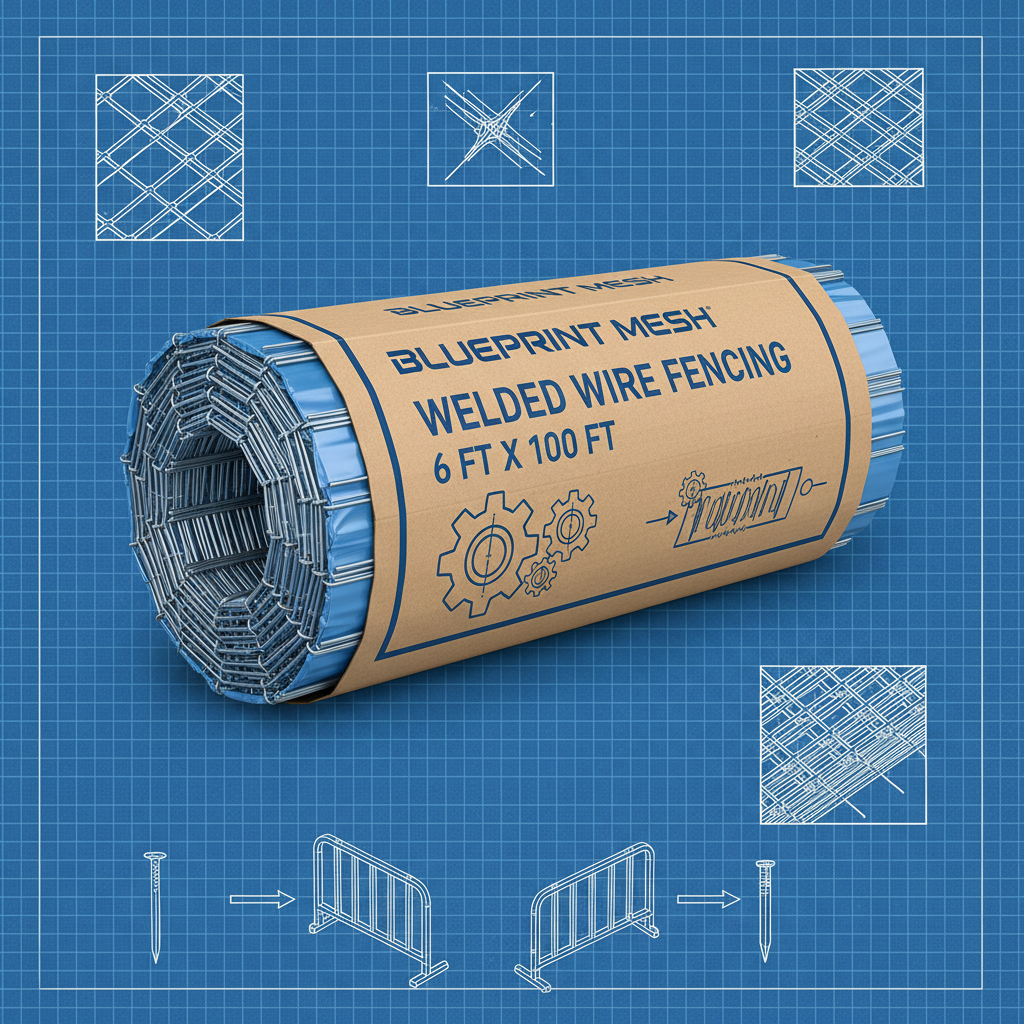 Comprehensive Guide to Choosing the Best 6 ft x 100 ft Welded Wire FencingWelded wire fencing is a versatile and cost-effective solution for a wide range of applications, from agricultural containment to residential security. Understanding the nuances of different types, especially when considering a size like 6 ft x 100 ft welded wire fencing, is crucial for making the right investment. This article will guide you through the essential factors to consider, helping you select the fencing that best suits your specific requirements.Read more >
Apr 07 2026
-
 Comprehensive Guide to Durable 6 ft Welded Wire Fencing Panels and ApplicationsWhen selecting fencing for your property, 6 ft welded wire fencing panels offer a robust and versatile solution. These panels combine strength, security, and ease of installation, making them a popular choice for both residential and commercial applications. This article delves into the benefits, applications, installation, and maintenance of these panels, helping you make an informed decision.Read more >
Mar 31 2026
-
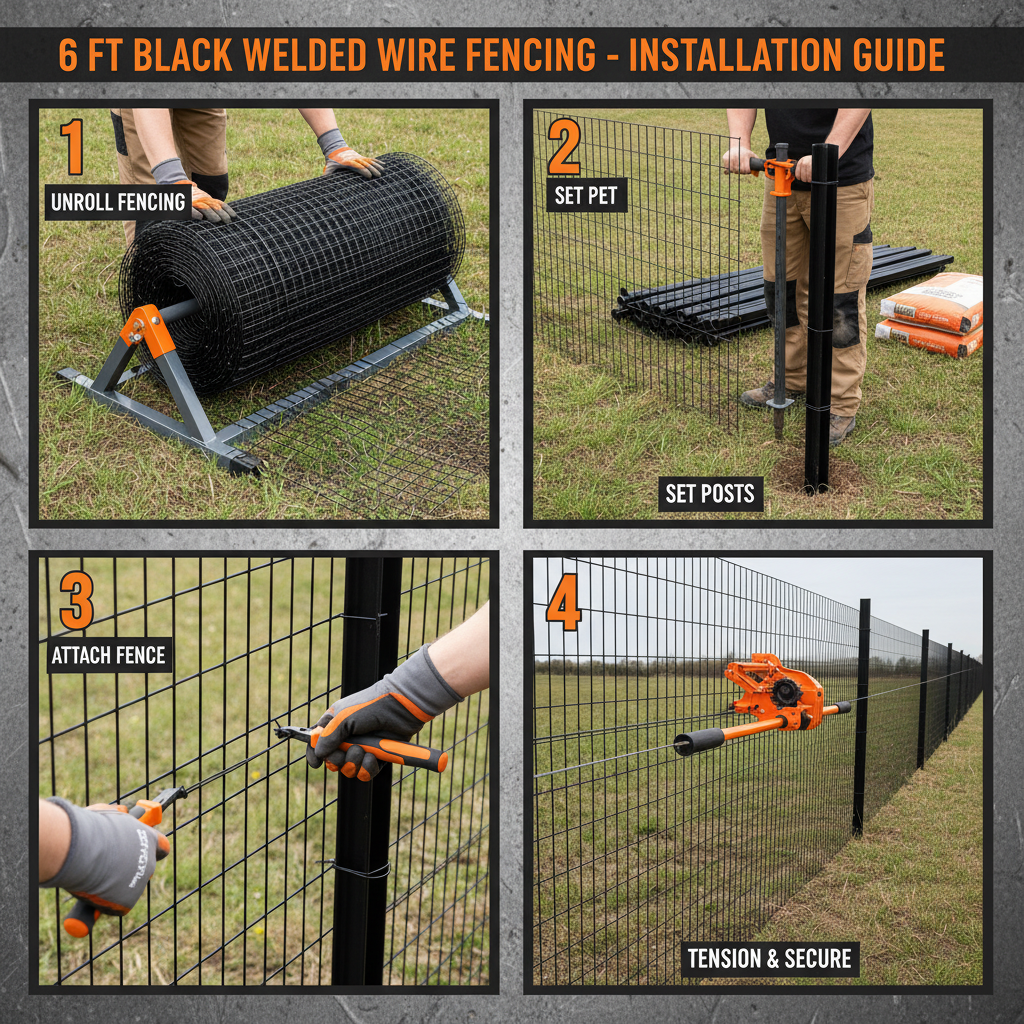 Choosing The Ideal 6 ft Welded Wire Fencing Black For Property SecurityWhen securing your property, selecting the right fencing is crucial. 6 ft welded wire fencing black offers a durable, cost-effective, and aesthetically pleasing solution for a variety of applications. This article will guide you through understanding the benefits, applications, installation considerations, and choosing the best black welded wire fence for your needs. Properly installed fencing adds security, defines boundaries, and enhances the overall appearance of your property. We'll delve into everything you need to know to make an informed decision.Read more >
Mar 28 2026