Steel palisade fencing stands as a critical security measure globally, offering robust protection for infrastructure, industrial sites, and sensitive areas. Its increasing adoption reflects a growing need for durable, reliable, and visually imposing perimeter security solutions in an era of heightened security concerns. Understanding its features, applications, and benefits is paramount for professionals involved in security planning, facility management, and infrastructure development.
The relevance of steel palisade fencing extends beyond simple security. It contributes to asset protection, risk mitigation, and the overall safety of personnel and property. Global events, including increasing geopolitical instability and the rising threat of trespass and theft, necessitate dependable security measures. This makes steel palisade fencing a vital component in a layered security approach for numerous organizations.
Furthermore, the long-term cost-effectiveness and minimal maintenance requirements of steel palisade fencing make it an attractive investment compared to alternative perimeter security options. Its resilience against corrosion, impact, and attempted breaches ensures a lasting solution, minimizing life-cycle costs and providing sustained peace of mind.
Introduction to Steel Palisade Fencing
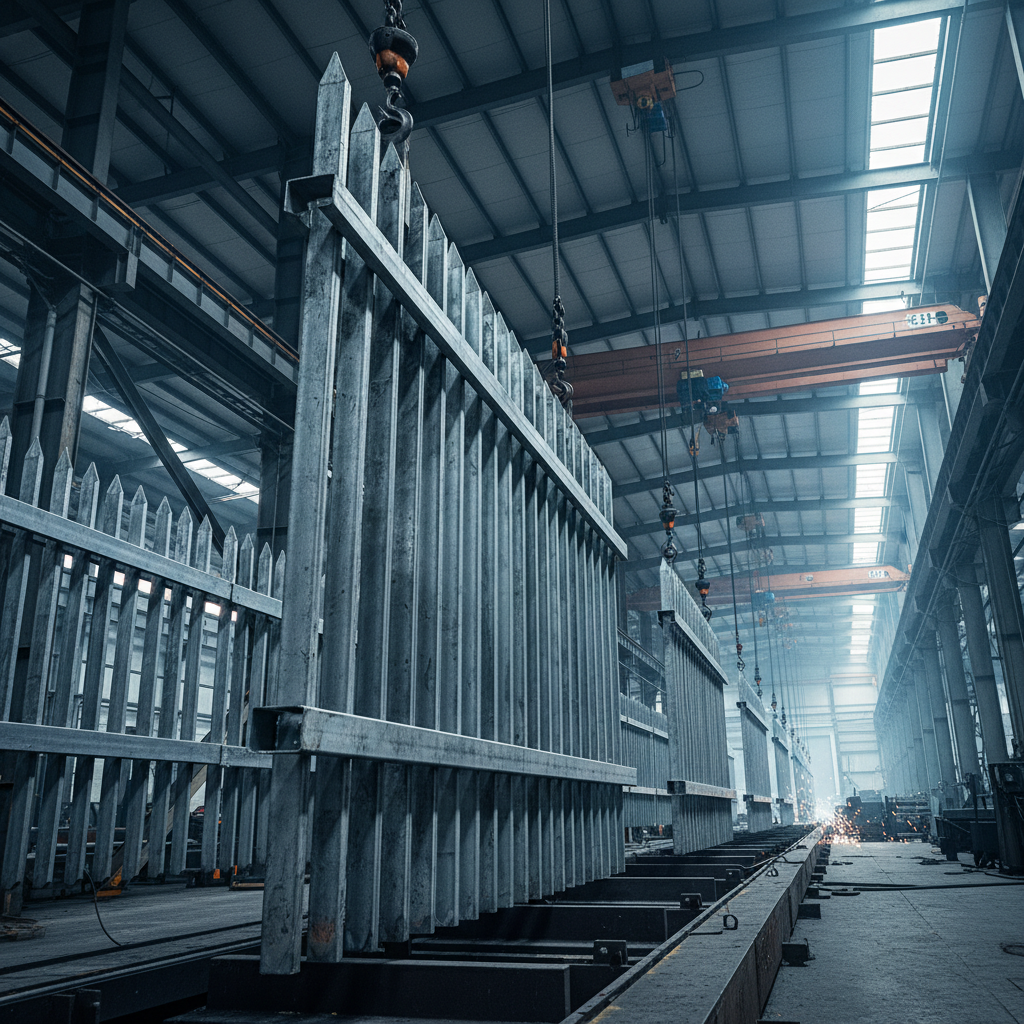
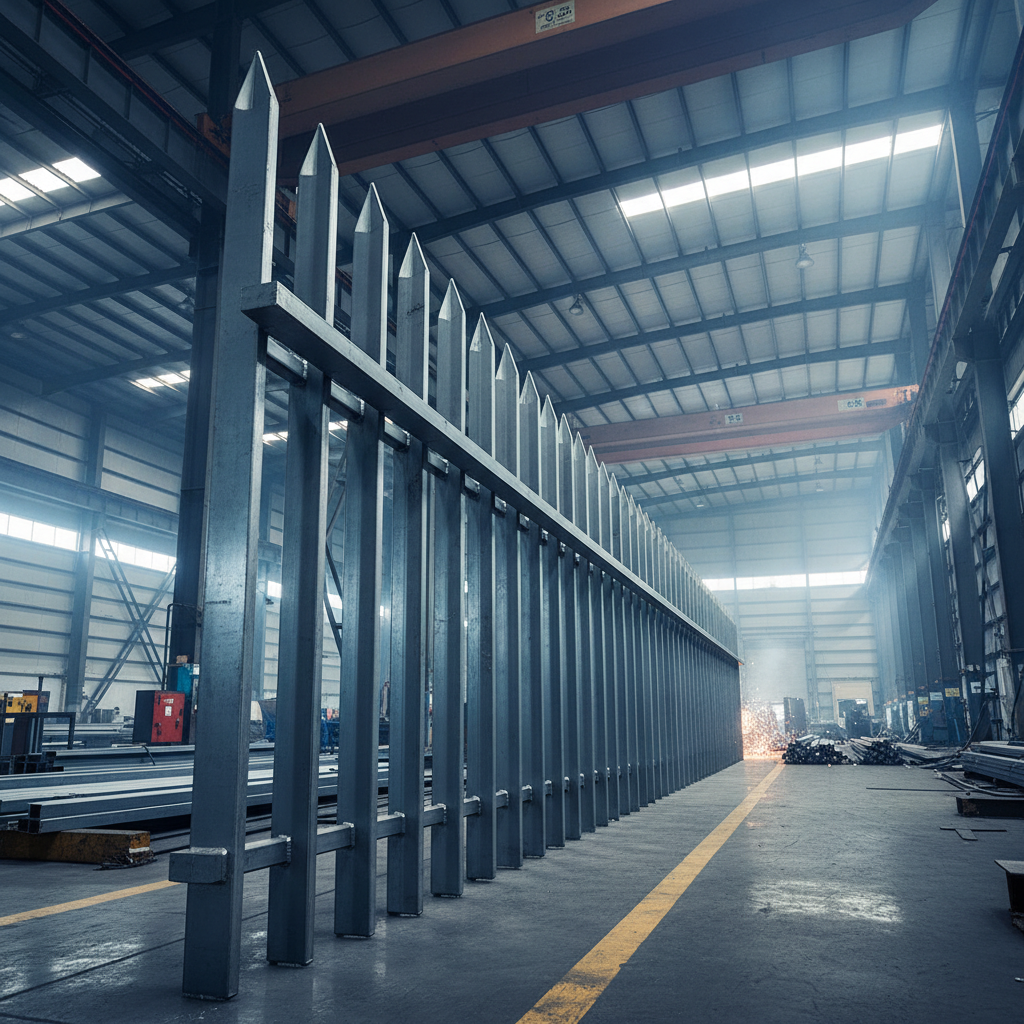
Steel palisade fencing is a highly effective perimeter security system, recognized for its robust construction and visual deterrent. It’s typically composed of vertical steel pales secured to horizontal rails, offering a strong barrier against intrusion. steel palisade fencing systems are designed to provide long-lasting security with minimal maintenance.
The inherent strength and customizable design of steel palisade fencing make it suitable for a wide range of applications. From securing industrial estates and power plants to protecting residential properties and sensitive government facilities, it delivers a significant level of protection against unauthorized access and potential threats.
Defining Steel Palisade Fencing
Steel palisade fencing is a type of perimeter security fencing constructed from vertical steel pales (or rails) fixed to horizontal rails. These pales are typically pointed at the top, creating a visual deterrent and making climbing difficult. The system is incredibly robust and designed to withstand significant force.
Unlike chain-link or other lighter fencing options, steel palisade provides a substantial physical barrier. Its connection to modern industrial needs is readily apparent – it secures valuable assets, protects critical infrastructure, and minimizes the risk of theft or vandalism. Its use is particularly important in environments with high security requirements.
Furthermore, the system's design allows for a high level of customization, including varying pale heights, rail configurations, and security toppings. This adaptability makes it suitable for a diverse range of security needs and aesthetic preferences.
Core Components of Steel Palisade Fencing
The core of any steel palisade fencing system lies in its carefully engineered components. The vertical pales, typically made of high-strength steel, are the primary deterrent. Their spacing, height, and profile are crucial factors influencing the fence's effectiveness. steel palisade fencing manufacturers offer various pale designs to suit different security levels and aesthetic requirements.
Horizontal rails provide structural support to the pales, connecting them securely and distributing load. These rails are also typically made of steel and are welded or bolted to the upright posts. The number and configuration of rails impact the fence’s overall strength and rigidity.
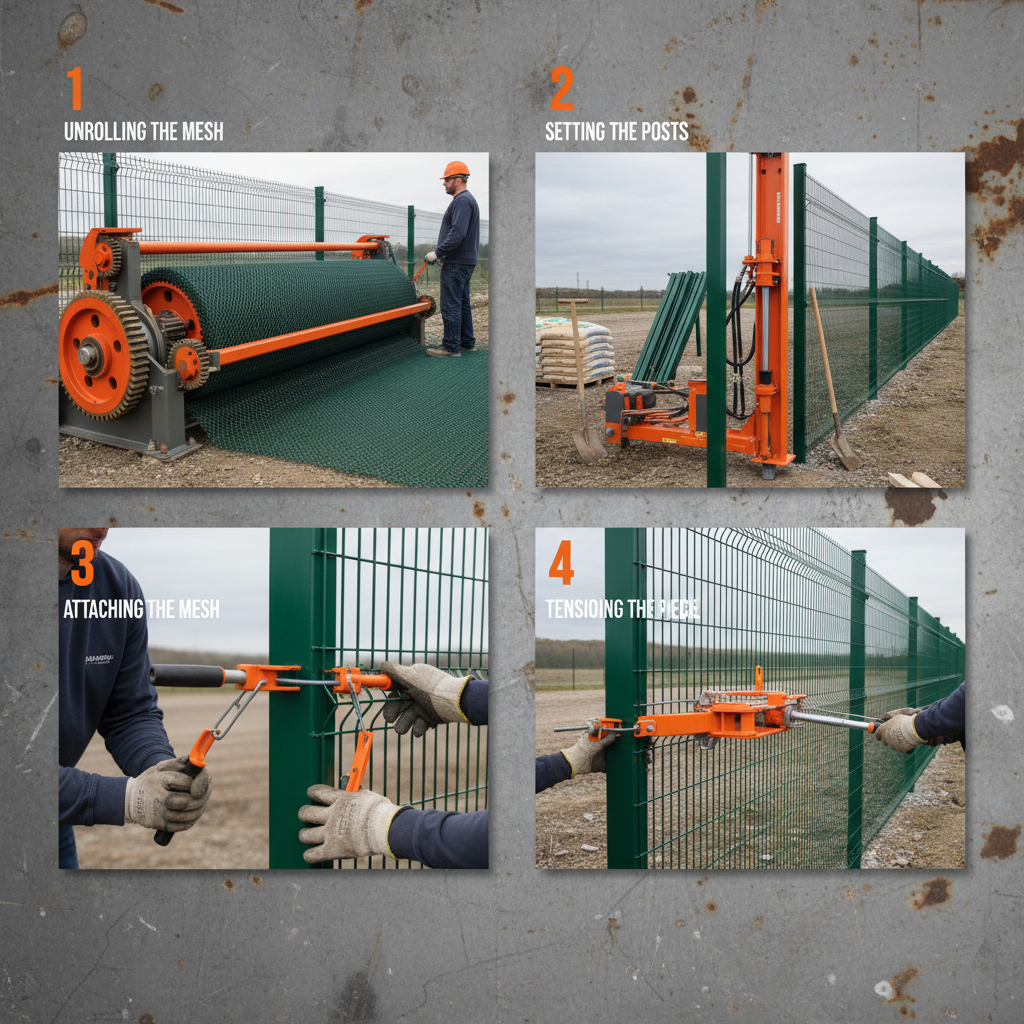
Finally, upright posts serve as the foundational support of the entire system. These posts are securely anchored into the ground, providing a stable and robust framework. The method of anchoring - concrete setting, driven posts, or bolt-down bases - depends on soil conditions and security requirements.
Key Factors Influencing Performance
Several key factors determine the performance and effectiveness of steel palisade fencing. The gauge (thickness) of the steel used significantly impacts its resistance to cutting, bending, and impact. Thicker steel offers greater security but also increases cost.
The height of the palisade is another critical consideration. Higher fencing is more difficult to scale and provides a greater visual deterrent. However, very high fencing can also be subject to increased wind loading.
Performance Metrics of Steel Palisade Fencing
Global Applications and Use Cases
Steel palisade fencing finds extensive use in industrial and commercial settings worldwide. Power plants, water treatment facilities, and transportation hubs frequently employ it to secure critical infrastructure against unauthorized access and potential sabotage.
In remote industrial zones, where security threats are elevated, steel palisade fencing provides a robust and reliable perimeter defense. It is also commonly used around airports, prisons, and government buildings to maintain high levels of security.
Advantages and Long-Term Value
The advantages of steel palisade fencing extend beyond immediate security. Its durability significantly reduces long-term maintenance costs compared to alternative fencing materials. The high-quality steel construction resists corrosion and withstands harsh weather conditions, minimizing the need for repairs or replacements.
Furthermore, the inherent strength and robust construction of steel palisade fencing provide a strong deterrent against trespass and theft, protecting valuable assets and ensuring the safety of personnel. This translates to tangible cost savings through reduced losses and insurance premiums.
Future Trends and Innovations
The future of steel palisade fencing is intertwined with advancements in materials science and smart security technologies. The development of even more corrosion-resistant steel alloys will further extend the lifespan of fencing systems and reduce maintenance requirements.
Integration with smart security systems, such as intrusion detection sensors, CCTV cameras, and access control systems, is becoming increasingly prevalent. These integrated systems provide real-time monitoring and alerts, enhancing security and enabling rapid response to potential threats.
Sustainable manufacturing practices and the use of recycled steel are also gaining traction, aligning with growing environmental concerns and promoting responsible resource management within the industry.
Challenges and Solutions
One common challenge associated with steel palisade fencing is the potential for corrosion, particularly in coastal environments or areas with high levels of industrial pollution. However, solutions such as galvanization, powder coating, and the use of stainless steel alloys can effectively mitigate this risk.
Another consideration is the cost of installation, which can be higher compared to some other fencing options. However, this initial investment is often offset by the long-term durability, reduced maintenance requirements, and enhanced security provided by steel palisade fencing.
Furthermore, addressing aesthetic concerns is important. Modern steel palisade fencing systems offer a range of finishes and designs to blend seamlessly with the surrounding environment, minimizing visual impact and enhancing the overall appearance.
Summary of Steel Palisade Fencing Challenges and Solutions
| Challenge |
Severity (1-10) |
Solution |
Implementation Cost (1-10) |
| Corrosion |
7 |
Galvanization & Powder Coating |
6 |
| High Installation Costs |
5 |
Optimized Design & Installation |
4 |
| Aesthetic Concerns |
4 |
Custom Finishes & Designs |
5 |
| Climbing Attempts |
8 |
Security Toppings (e.g., barbed wire) |
3 |
| Vandalism |
6 |
Robust Steel Gauge & Anti-Vandal Fixings |
7 |
| Integration with Security Systems |
5 |
Smart Sensors & CCTV Integration |
8 |
FAQS
Steel palisade fencing offers significantly higher security than chain-link due to its robust construction and inherent resistance to cutting and climbing. It provides a stronger physical barrier and a greater visual deterrent. While chain-link is more affordable, steel palisade fencing provides a longer service life and reduced maintenance, potentially resulting in lower lifecycle costs.
With proper installation and maintenance, steel palisade fencing can last for 25 years or more. Galvanization and powder coating contribute significantly to its longevity by protecting against corrosion. Regular inspections and timely repairs can further extend its lifespan, making it a durable, long-term security solution.
Steel palisade fencing can be adapted to various terrains, but requires careful consideration of the ground conditions. Proper post anchoring is crucial, and different foundation methods (e.g., concrete setting, driven posts) may be necessary depending on soil type and stability. For uneven terrain, stepped installation techniques can be employed.
Common security toppings include barbed wire, razor wire, and anti-climb paint. These additions significantly enhance the fence’s deterrent effect and make climbing considerably more difficult. The choice of topping depends on the level of security required and any local regulations governing their use.
The cost of installation varies based on factors such as fence height, steel gauge, terrain, site accessibility, and the complexity of the installation. Generally, steel palisade fencing is more expensive upfront than chain-link, but its long-term durability and reduced maintenance can make it a more cost-effective solution over time.
Engage a reputable and experienced fencing contractor who understands relevant security standards and regulations. Ensure the contractor uses high-quality materials and follows best practices for installation, including proper post anchoring and secure pale and rail connections. Regular inspections and maintenance are also essential for maintaining security.
Conclusion
Steel palisade fencing remains a critical component of comprehensive perimeter security, offering a blend of robust protection, long-term durability, and cost-effectiveness. Its ability to safeguard infrastructure, assets, and personnel makes it an invaluable investment for a wide range of organizations and applications. By understanding its core components, key factors influencing performance, and future trends, stakeholders can make informed decisions to optimize their security strategies.
As security threats continue to evolve, investing in high-quality steel palisade fencing and integrating it with smart security technologies will be crucial for maintaining a secure environment. Exploring innovative materials and sustainable manufacturing practices will further enhance its value and contribute to a more resilient and responsible future.