


Common Nail
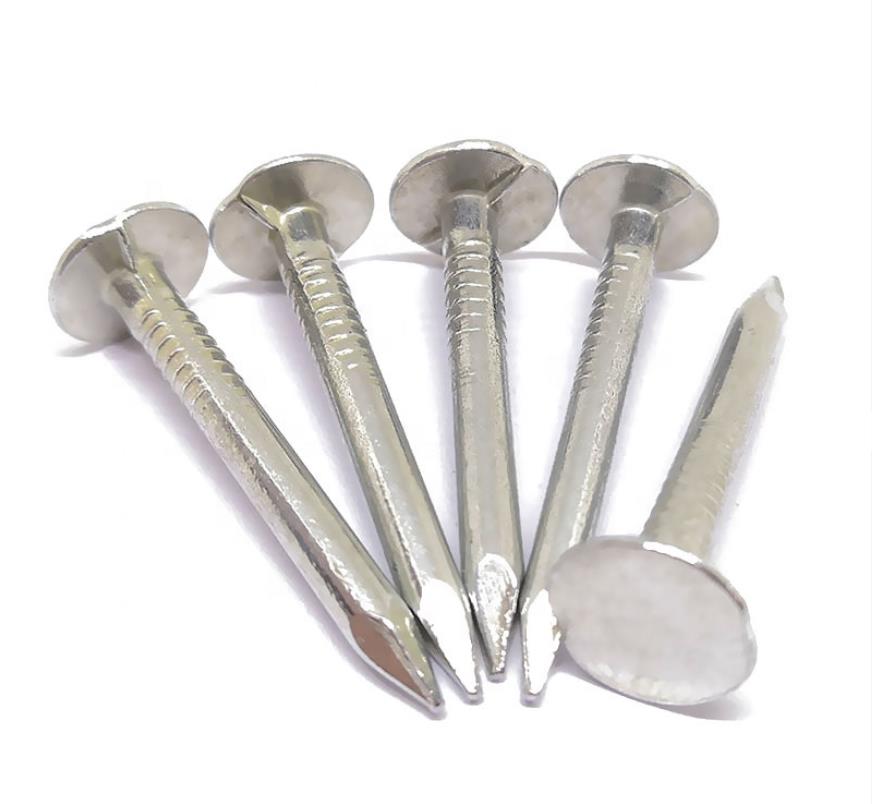
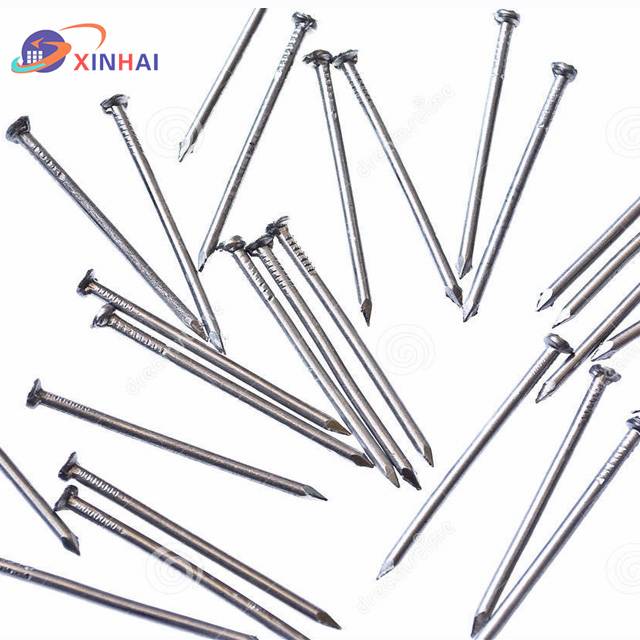
A common nail is a standard, versatile fastener used in construction, carpentry, and woodworking. Typically made of steel or galvanized for rust resistance, it features a flat, round head and a smooth, cylindrical shaft. Common nails are designed for general-purpose use, ideal for securing wood, drywall, and other materials. Their sharp, pointed tip allows for easy driving into wood, while the smooth shank prevents splitting. Available in various sizes and lengths, common nails are widely used for framing, decking, furniture assembly, and more. Galvanized versions are particularly useful for outdoor or high-moisture environments, as they offer enhanced corrosion resistance. Though simple in design, common nails provide reliable holding power and durability, making them a staple in both professional and DIY projects. They are easily driven with a hammer or nail gun, offering convenience and speed during installation. Affordable and efficient, common nails are a fundamental tool for many types of construction and repair tasks.

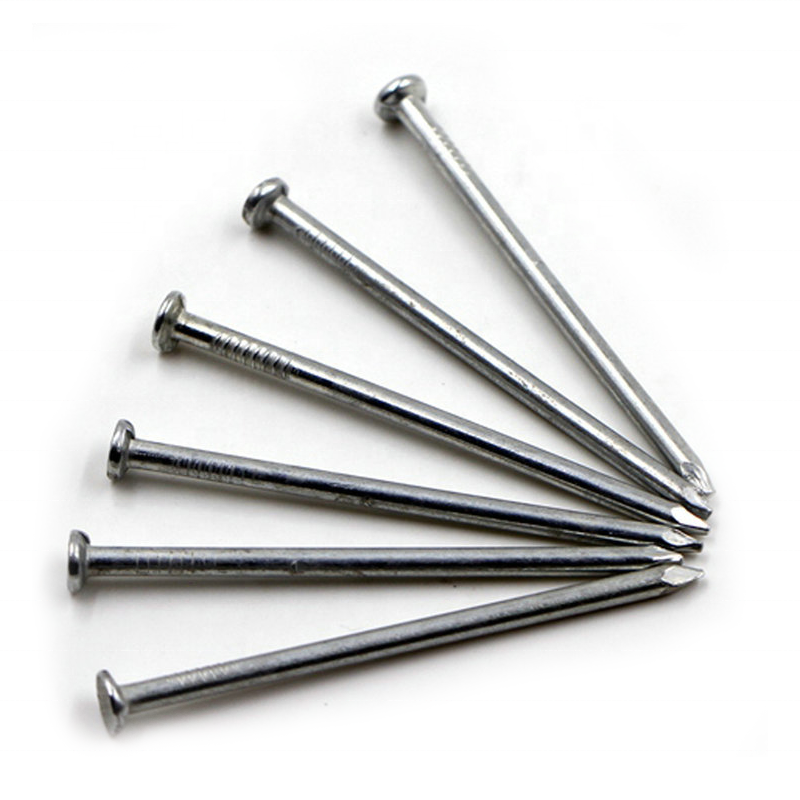
What Is The Difference Between Common And Box Nails?
The main difference between common and box nails lies in their design and intended use. Common nails are thicker, with a larger diameter, and are typically used for heavy-duty applications such as framing, carpentry, and general construction. They have a strong holding power, making them suitable for securing large, heavy pieces of wood.
Box nails, on the other hand, are thinner and have a smaller diameter compared to common nails. They are designed for lighter tasks, such as attaching trim, molding, or thin lumber. The reduced thickness of box nails helps to minimize the risk of splitting delicate or softer wood. Both types of nails have similar flat heads and pointed tips, but box nails are often used in situations where a smaller, less obtrusive nail is preferred.
While common nails are more robust and suitable for structural work, box nails are ideal for applications that require a less conspicuous nail with sufficient holding strength but without damaging the material. Choosing between the two depends on the project’s requirements and the materials being used.
What's The Difference Between A Common Nail And A Sinker Nail?
The main difference between a common nail and a sinker nail lies in their design and application. A common nail has a thicker, sturdier shaft and a larger head, making it ideal for heavy-duty tasks like framing and general construction. Its robust structure ensures strong holding power for securing large, dense materials like wood.
A sinker nail, however, is designed for easier driving into wood. It has a thinner shaft compared to a common nail, which helps reduce splitting in delicate or softer wood. The key feature of a sinker nail is its smooth, bright finish and the slightly smaller, conical head, which is often designed to "sink" below the surface of the wood once driven in, leaving a neat, flush appearance.
While common nails are used for structural applications where strength is critical, sinker nails are primarily used for tasks where a clean finish is desired, such as decking, framing, or installing baseboards. The sinker nail's smooth finish and design allow it to be hammered in with less effort and a more subtle result.
Latest News About CHENG CHUANG
-
 Heavy Duty 6 gauge welded wire mesh for Security and StrengthWhen it comes to heavy-duty containment, security, and structural reinforcement, choosing the right material is critical. The 6 gauge welded wire mesh stands as a premier choice for those requiring a balance of extreme rigidity and precise spacing. Whether you are securing a commercial perimeter, building industrial livestock panels, or creating reinforced concrete structures, this specific thickness provides the structural integrity needed to withstand significant pressure and impact. In this comprehensive guide, we will explore the technical specifications, primary applications, and why this mesh is the gold standard for high-security fencing solutions.Read more >
Apr 16 2026
-
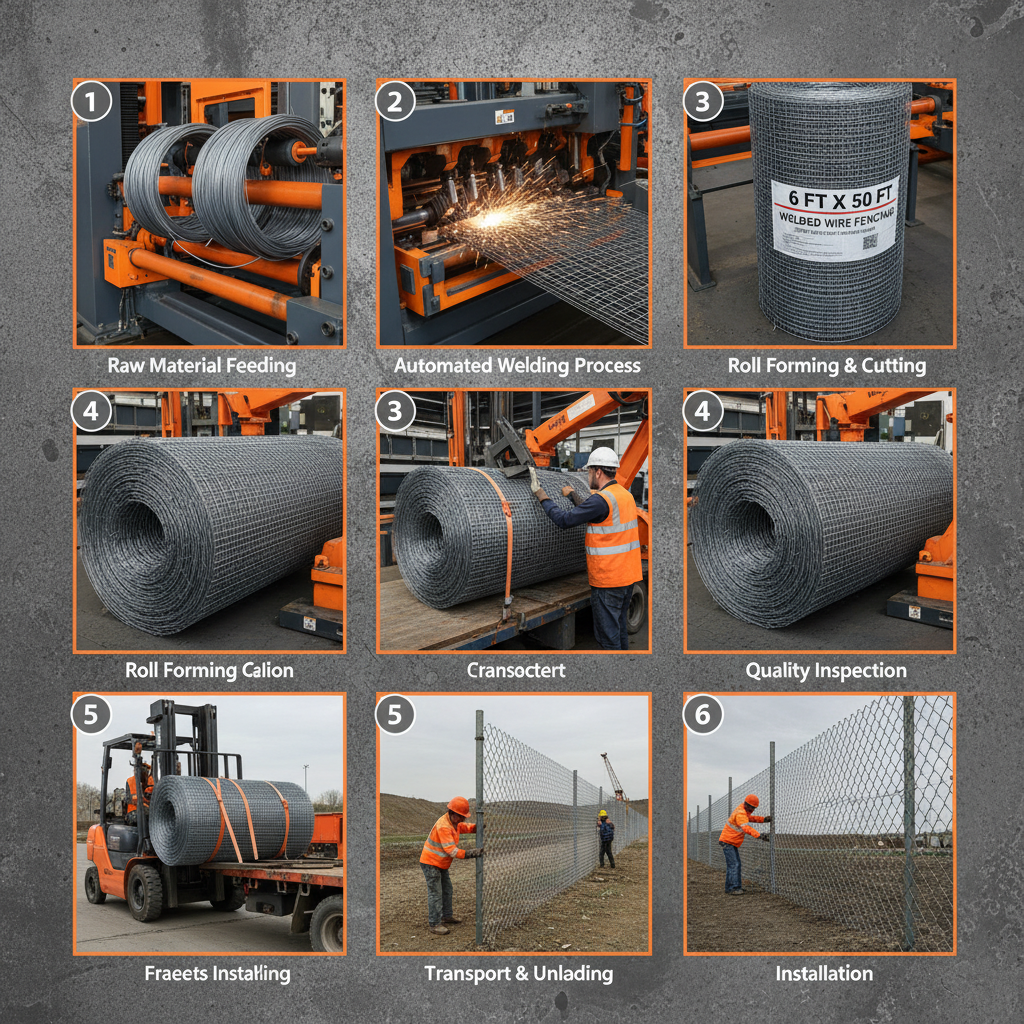 Durable 6 ft x 50 ft welded wire fencing for Security and GardensWhen it comes to securing a perimeter, whether for agricultural use, garden protection, or industrial boundaries, the dimensions and material of your fence matter. The 6 ft x 50 ft welded wire fencing offers an ideal balance of height and length, providing a robust barrier that is easy to install and maintain. Choosing a welded wire system ensures that the intersections are fused together, preventing the shifting and sagging often found in woven alternatives. In this guide, we will explore why this specific size is a preferred choice for property owners and how to maximize its effectiveness for your specific project.Read more >
Apr 09 2026
-
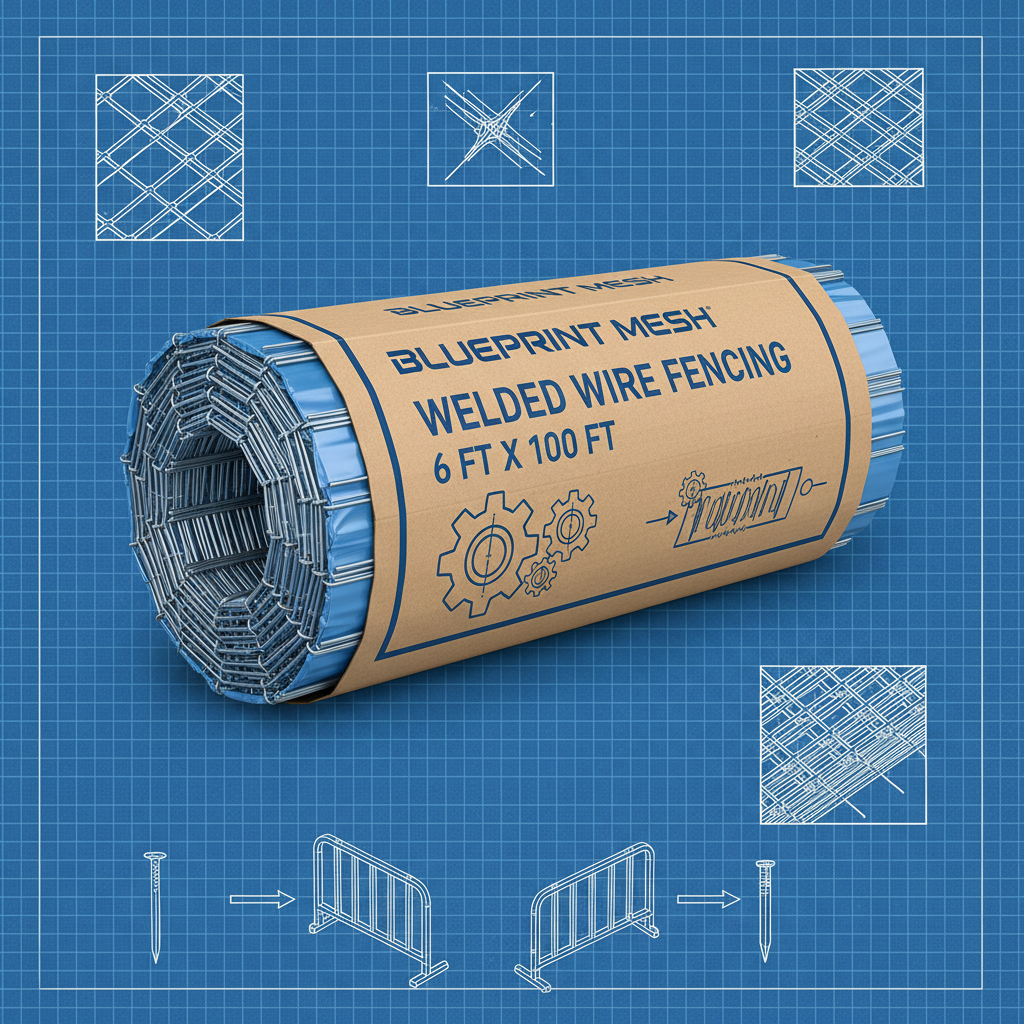 Comprehensive Guide to Choosing the Best 6 ft x 100 ft Welded Wire FencingWelded wire fencing is a versatile and cost-effective solution for a wide range of applications, from agricultural containment to residential security. Understanding the nuances of different types, especially when considering a size like 6 ft x 100 ft welded wire fencing, is crucial for making the right investment. This article will guide you through the essential factors to consider, helping you select the fencing that best suits your specific requirements.Read more >
Apr 07 2026
-
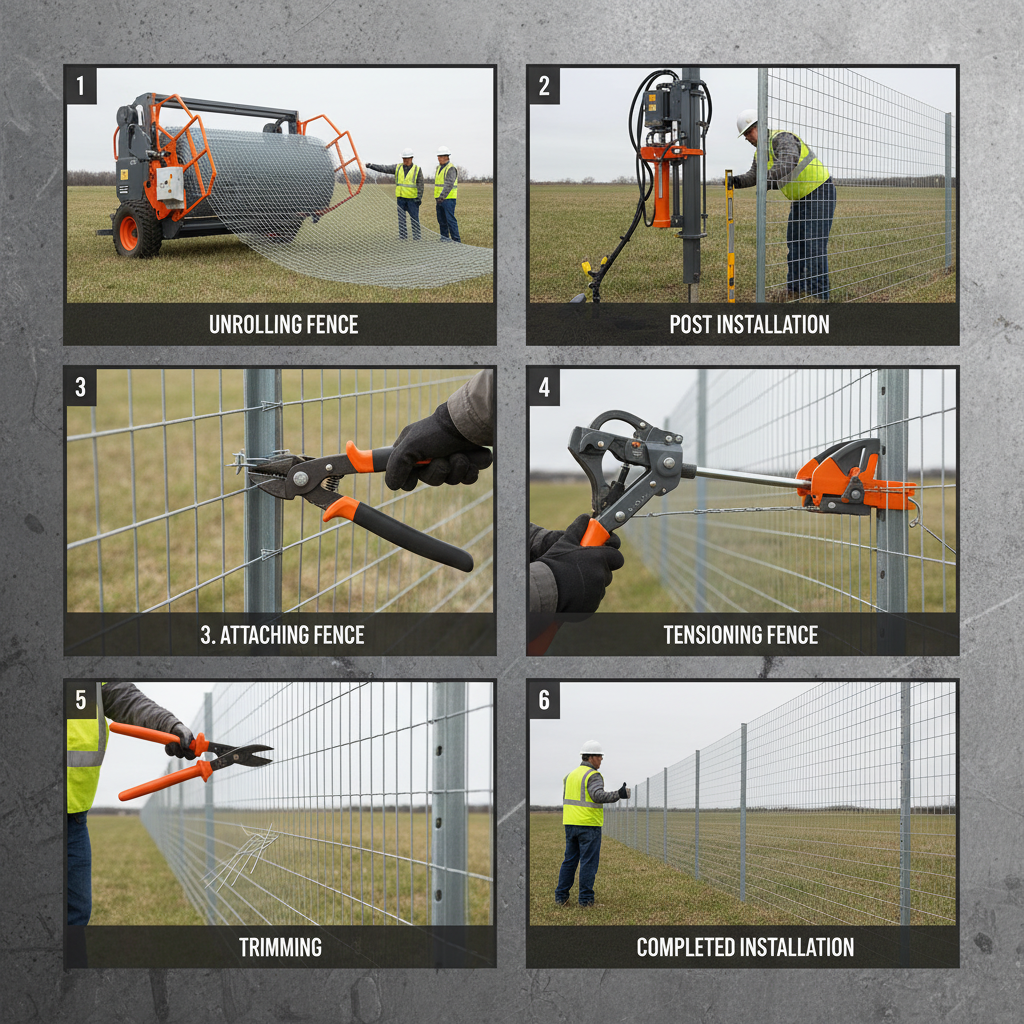 Comprehensive Guide to Choosing a 6 ft x 100 ft 12.5 Gauge Welded Wire FenceSelecting the appropriate fence for your property requires careful consideration. A 6 ft x 100 ft 12.5 gauge welded wire fence offers a robust and versatile solution for a variety of applications, from pet containment to garden protection and security. This guide will explore the benefits, applications, installation tips, and considerations when choosing this type of fencing. Understanding its construction and comparing it to other fencing options will help you make an informed decision.Read more >
Apr 04 2026