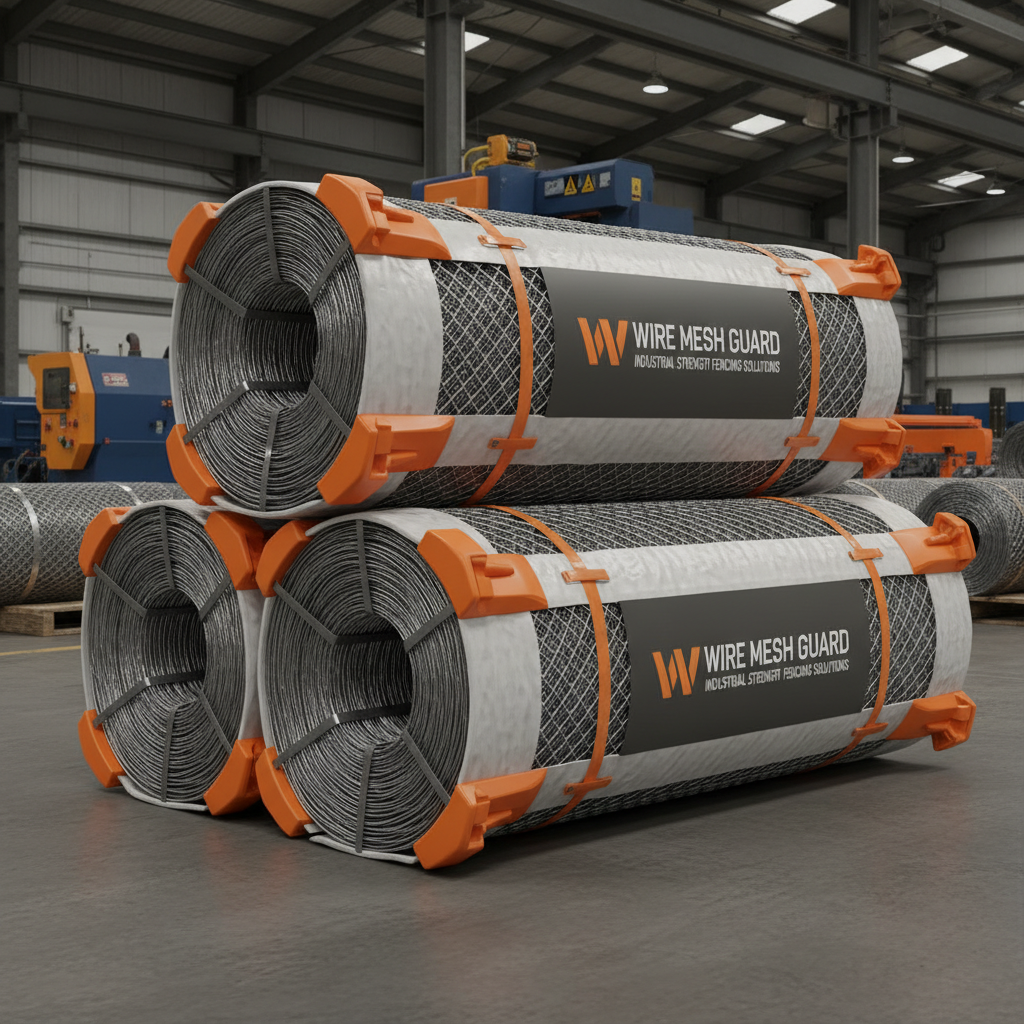
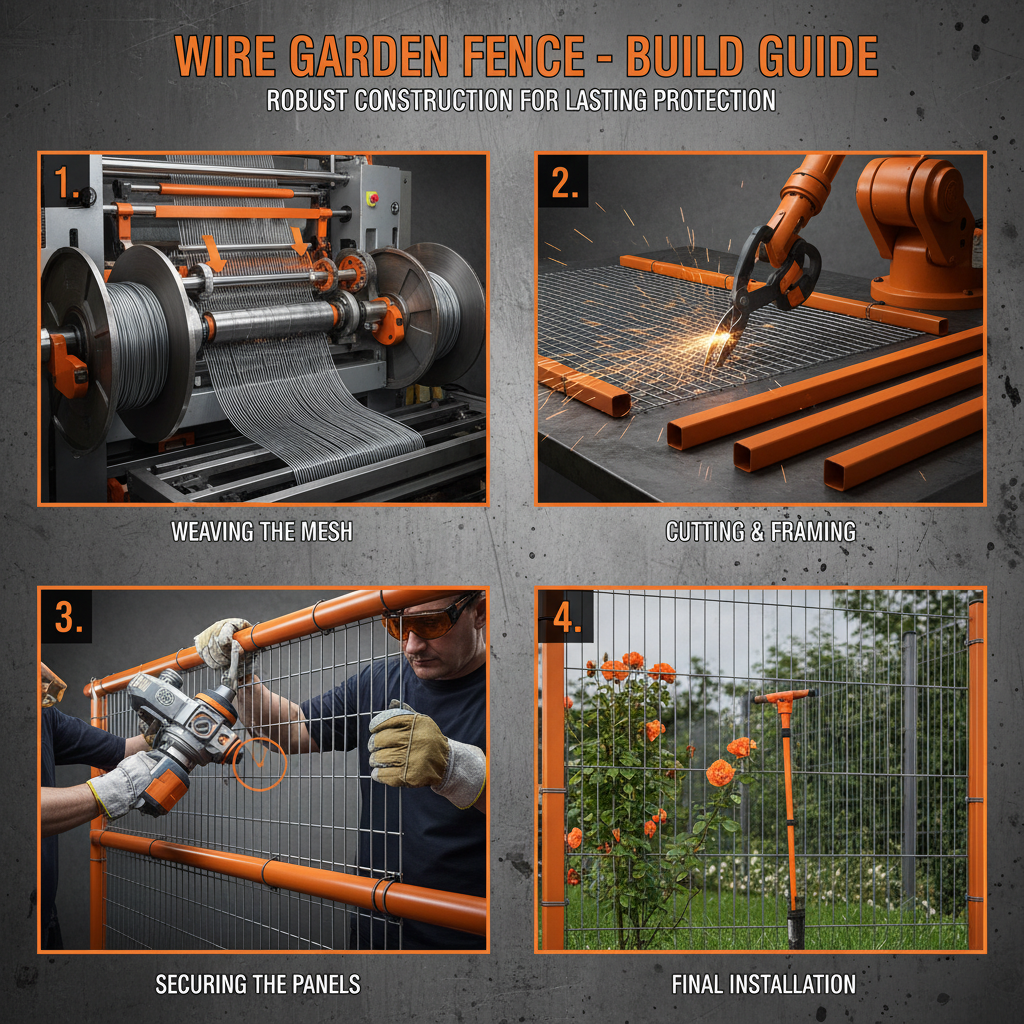
In the demanding landscape of modern infrastructure and security, the quest for materials that balance structural integrity with environmental resistance has led to the widespread adoption of vinyl coated wire mesh. This engineered solution addresses the fundamental vulnerability of steel—corrosion—by enveloping high-strength wire in a protective polymer layer, ensuring long-term performance in the harshest climates.
Globally, the shift toward these coated systems is driven by the need to reduce lifecycle maintenance costs. Whether it is protecting critical utility assets or defining boundaries in coastal regions, the integration of vinyl coatings transforms a standard metal fence into a resilient barrier capable of withstanding salt spray, UV radiation, and chemical exposure.
Understanding the nuances of vinyl coated wire mesh is essential for engineers, architects, and facility managers who prioritize sustainability and safety. By choosing the right coating thickness and wire gauge, stakeholders can ensure a secure perimeter that maintains its aesthetic appeal and structural capacity for decades, effectively bridging the gap between industrial utility and environmental harmony.
Global Industry Context of Vinyl Coated Wire Mesh
The global demand for high-performance fencing has surged as urbanization expands into environmentally challenging territories. According to industry benchmarks aligned with ISO quality standards, the degradation of untreated steel in high-humidity zones can reduce the lifespan of a barrier by over 60%. This creates a significant economic burden for governments and private enterprises tasked with maintaining secure perimeters.
Consequently, vinyl coated wire mesh has emerged as the gold standard for mitigating these risks. By leveraging advanced polymer science, manufacturers are now able to provide solutions that meet the rigorous demands of the construction and security sectors, reducing the frequency of replacements and lowering the total cost of ownership across large-scale infrastructure projects.
Defining Vinyl Coated Wire Mesh and Its Purpose
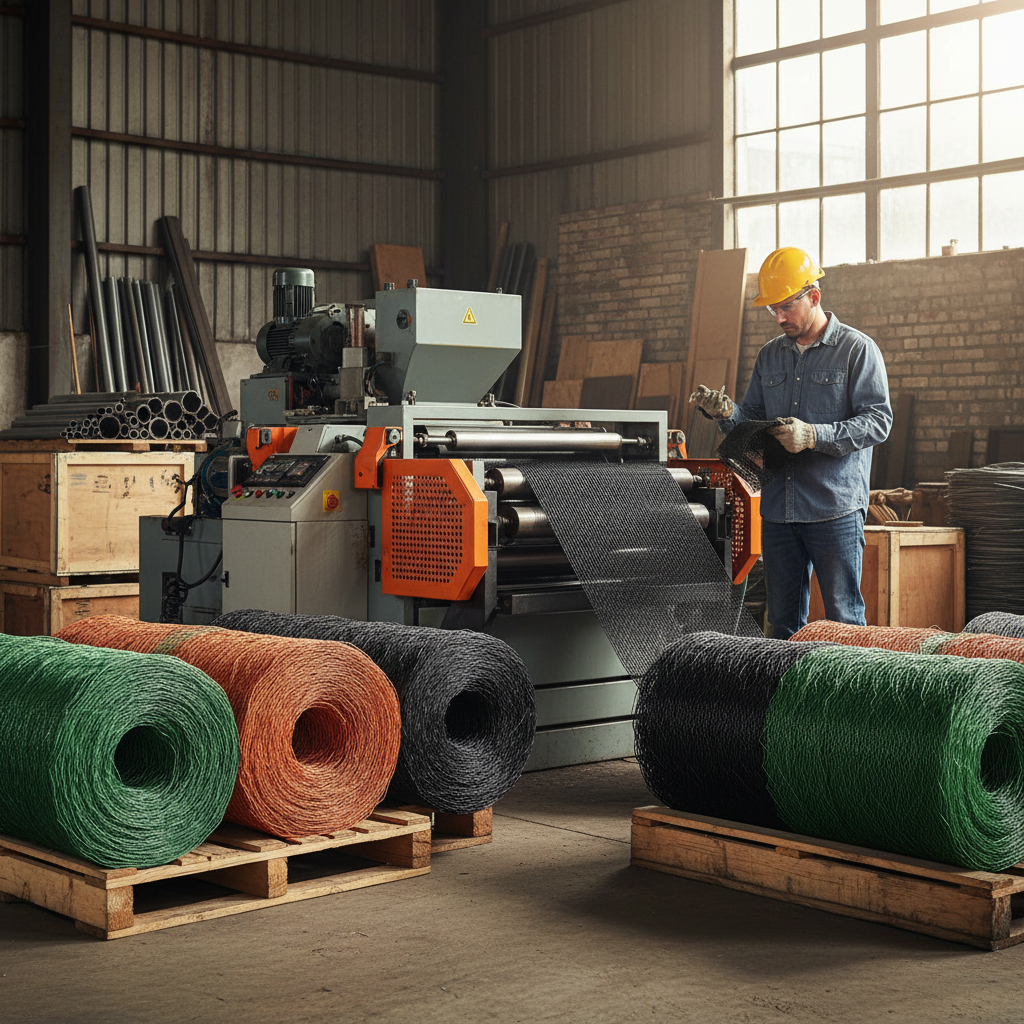
In simple technical terms, vinyl coated wire mesh consists of a core wire—typically galvanized steel—which is then encased in a layer of polyvinyl chloride (PVC) or a similar thermoplastic polymer. This dual-layer construction combines the tensile strength and rigidity of metal with the chemical inertness and flexibility of plastic, creating a composite material that excels where single-material solutions fail.
Beyond simple protection, the purpose of this coating is to create an impermeable seal that prevents oxygen and moisture from reaching the steel core. This is particularly critical in humanitarian and industrial needs, such as creating safe enclosures for livestock in agricultural zones or protecting sensitive equipment in chemical processing plants, where traditional galvanization may be insufficient.
Modern industry now views this mesh not just as a fence, but as a strategic asset. Its versatility allows it to be customized in color and thickness, enabling it to blend into natural landscapes or serve as a high-visibility warning barrier, thereby fulfilling both aesthetic and functional requirements in contemporary urban planning.
Core Components for Maximum Durability
The primary driver of success for vinyl coated wire mesh is the quality of the base galvanization. A heavy zinc coating provides the first line of defense, ensuring that even if the outer vinyl layer is punctured, the underlying steel remains protected against rapid oxidation through sacrificial anodic protection.
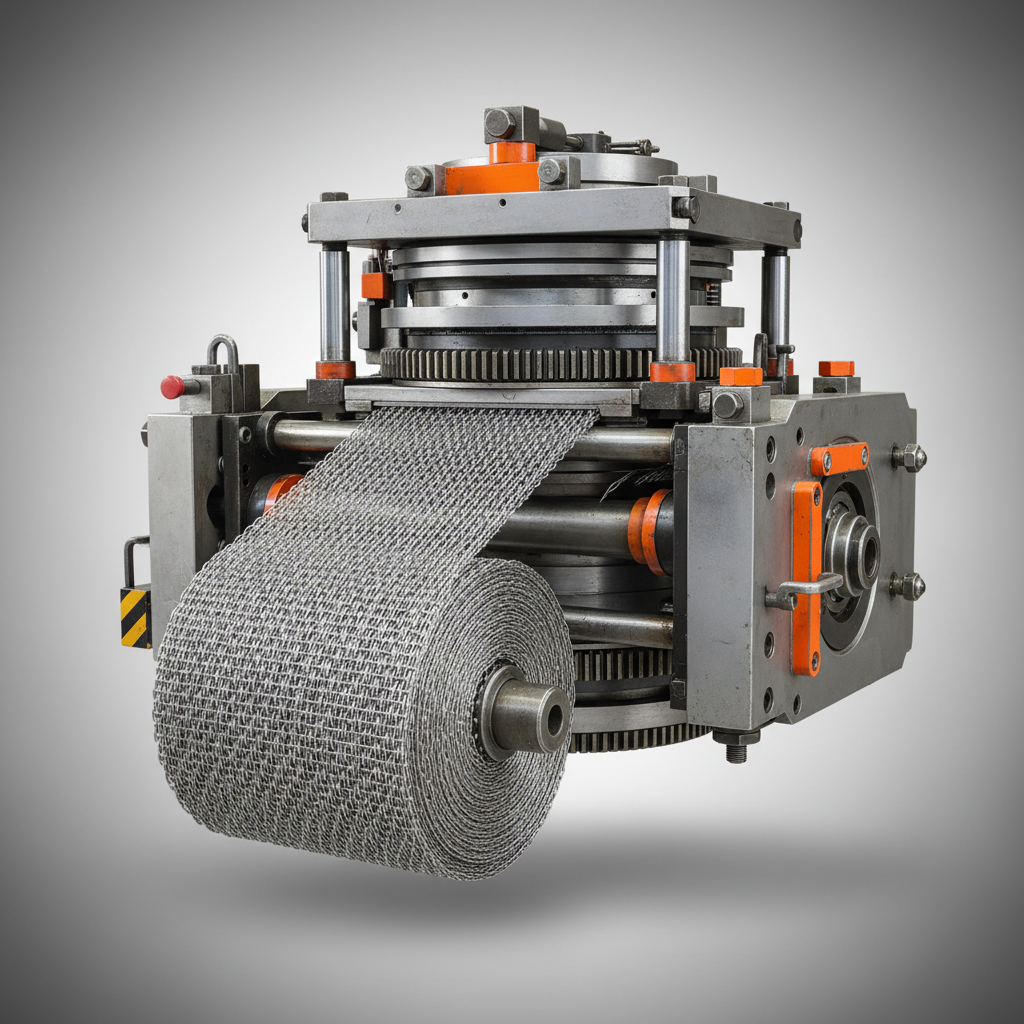
Equally important is the polymer bonding process. High-quality vinyl coated wire mesh utilizes a fusion-bonding technique where the PVC is heated and pressed onto the wire under controlled pressure. This eliminates air pockets and ensures that the coating does not peel or flake over time, even when exposed to extreme temperature fluctuations.
Finally, the addition of UV stabilizers within the vinyl compound is non-negotiable for outdoor applications. Without these chemical additives, prolonged exposure to sunlight would lead to "chalking" and brittleness, compromising the structural integrity of the coating and exposing the metal core to the elements.
Performance Analysis of Different Coating Methods
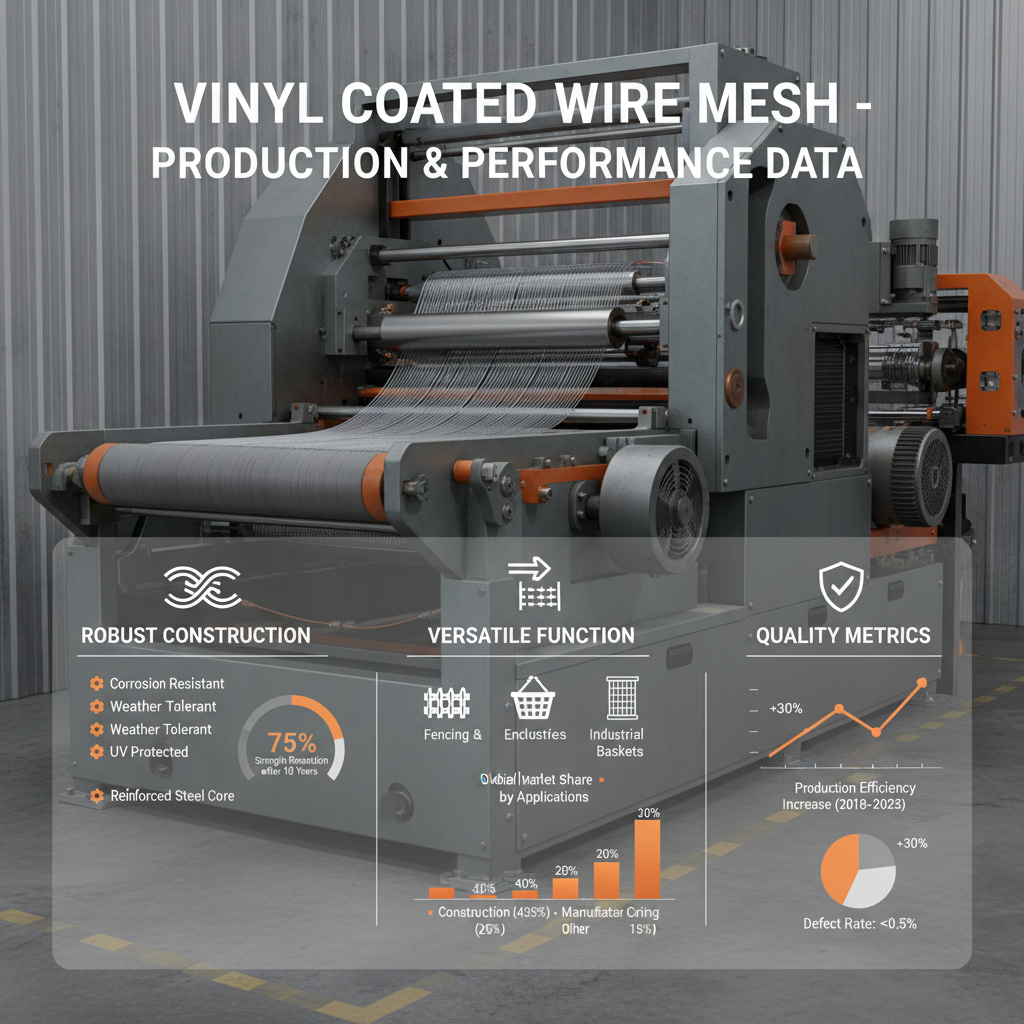
When evaluating the efficacy of various production techniques for vinyl coated wire mesh, it becomes clear that the method of application directly impacts the longevity of the product. Dip-coating offers a quick turnaround but often results in uneven thickness, whereas extrusion coating provides a precise, uniform layer that significantly enhances the barrier's resistance to punctures and abrasion.
From a commercial perspective, the choice of coating method depends on the intended environment. For industrial zones with high chemical runoff, a thicker, high-density polymer extrusion is preferred to prevent corrosive agents from seeping through the mesh intersections.
Comparative Performance of Vinyl Coated Wire Mesh Types
Global Applications and Strategic Use Cases
The versatility of vinyl coated wire mesh makes it indispensable across diverse global regions. In coastal cities from Singapore to Miami, it is the primary choice for seaside promenades and port facilities, where the salt-laden air would destroy standard steel fences within a few years. The polymer shell acts as a shield, ensuring that the security perimeter remains intact without the need for constant repainting.
In remote industrial zones, such as mining sites in Australia or oil fields in the Middle East, these meshes are utilized for crowd control and animal exclusion. Their ability to withstand extreme UV radiation and abrasive sandstorms ensures that the barriers remain functional in environments where maintenance crews are scarce and logistics are complex.
Long-Term Value and Sustainability Benefits
Investing in vinyl coated wire mesh offers a logical financial advantage by extending the replacement cycle of the installation. While the initial procurement cost may be slightly higher than that of untreated wire, the reduction in labor costs associated with rust treatment and painting provides a significant return on investment (ROI) over a ten-year period.
From a sustainability angle, the longevity of these materials reduces the overall carbon footprint associated with steel production and transport. By avoiding the frequent disposal and replacement of rusted fences, organizations can align their infrastructure goals with green building certifications and environmental stewardship policies.
Beyond the numbers, there is an emotional value in the reliability of a high-quality barrier. The smooth finish of the vinyl coating not only prevents injuries from jagged metal edges but also provides a clean, professional appearance that fosters a sense of safety and order in public spaces.
Future Trends and Material Innovations
The future of vinyl coated wire mesh is moving toward the integration of "smart" polymers. Researchers are exploring the use of self-healing coatings that can automatically seal small punctures through thermal reaction, further eliminating the risk of localized corrosion and extending the life of the mesh indefinitely.
Moreover, there is a growing shift toward eco-friendly, bio-based polymers to replace traditional PVC. These new materials aim to provide the same level of protection while being biodegradable or more easily recyclable at the end of the product's life, meeting the strict environmental regulations emerging in the European Union and North America.
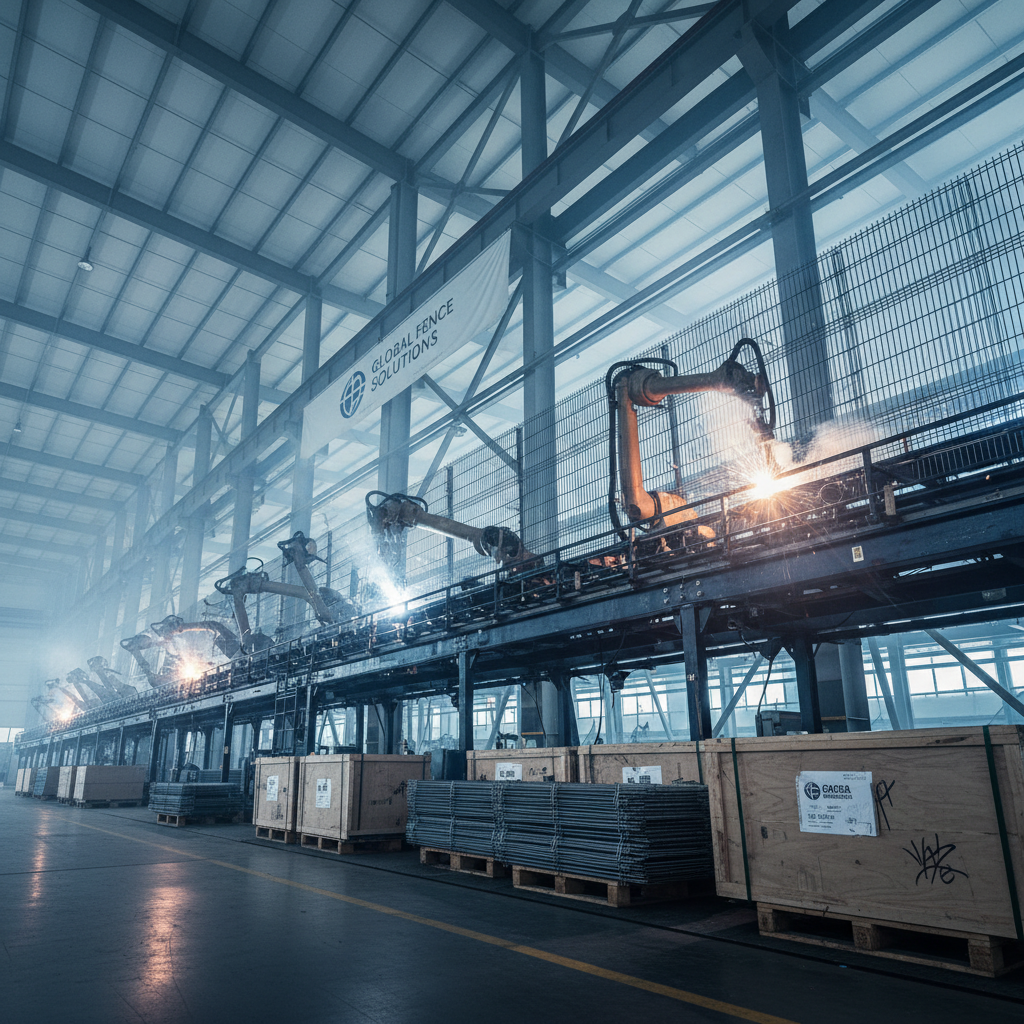
Automation in the manufacturing process is also playing a key role. Digital twins and AI-driven quality control are now being used to monitor the coating thickness in real-time, ensuring that every inch of the mesh meets exact specifications, thereby reducing waste and increasing the reliability of the final product.
Comparison of Vinyl Coating Specifications and Environmental Suitability
| Coating Type |
Corrosion Resistance |
UV Stability |
Recommended Use Case |
| Standard PVC |
High |
Moderate |
Residential Fencing |
| UV-Stabilized Vinyl |
High |
Very High |
Desert/High-Sun Areas |
| Heavy-Duty Industrial |
Extreme |
High |
Chemical Plants |
| Marine-Grade Coating |
Extreme |
High |
Coastal Ports |
| Flexible Polymer |
Moderate |
Moderate |
Temporary Barriers |
| Bio-Polymer Hybrid |
High |
High |
Eco-Parks/Gardens |
FAQS
While galvanized steel is durable, vinyl coated wire mesh typically lasts 2 to 3 times longer in corrosive environments. The vinyl layer acts as a physical barrier that prevents moisture and salt from reaching the zinc layer, significantly slowing down the oxidation process and reducing the need for maintenance.
Yes, small punctures or scratches can be repaired using specialized vinyl touch-up kits or PVC-based adhesives. It is important to seal these gaps quickly to prevent moisture from entering the core wire and initiating "under-film corrosion," which could eventually cause the coating to bubble or peel.
Absolutely. The security strength comes from the inner steel core, while the vinyl provides the durability. For high-risk areas, we recommend using a heavier gauge of steel wire combined with a thick extrusion coating, which makes the mesh harder to cut and more resistant to environmental degradation.
Generally, lighter colors reflect more UV radiation, which can theoretically extend the life of the polymer. However, modern UV stabilizers used in the manufacturing process make color choice largely an aesthetic decision rather than a performance one, as all professional-grade coatings are treated for sun exposure.
Yes, it is highly recommended for animal enclosures. The smooth coating prevents animals from getting scratched by wire ends and prevents them from chewing through the metal, as the polymer layer is more palatable and less abrasive than raw steel or galvanized wire.
Selection should be based on environmental exposure. For residential areas, a standard coating is sufficient. For industrial or coastal zones, we recommend a "heavy-duty" coating (usually 0.5mm or thicker) to ensure the barrier can withstand abrasion and chemical exposure over several decades.
Conclusion
In summary, vinyl coated wire mesh represents a critical evolution in perimeter security and material science. By successfully merging the structural strength of galvanized steel with the protective qualities of advanced polymers, it solves the age-old problem of corrosion while offering unprecedented versatility in application. From coastal ports to industrial complexes, its ability to lower maintenance costs and extend service life makes it a superior choice for any long-term infrastructure project.
Looking ahead, the integration of sustainable bio-polymers and self-healing technologies will further cement the role of coated meshes in a greener, more efficient world. For those seeking to optimize their security investments, transitioning to high-quality vinyl coated systems is not merely an upgrade—it is a strategic decision that ensures safety, durability, and environmental responsibility for years to come. Visit our website for more information: www.chchfence.com