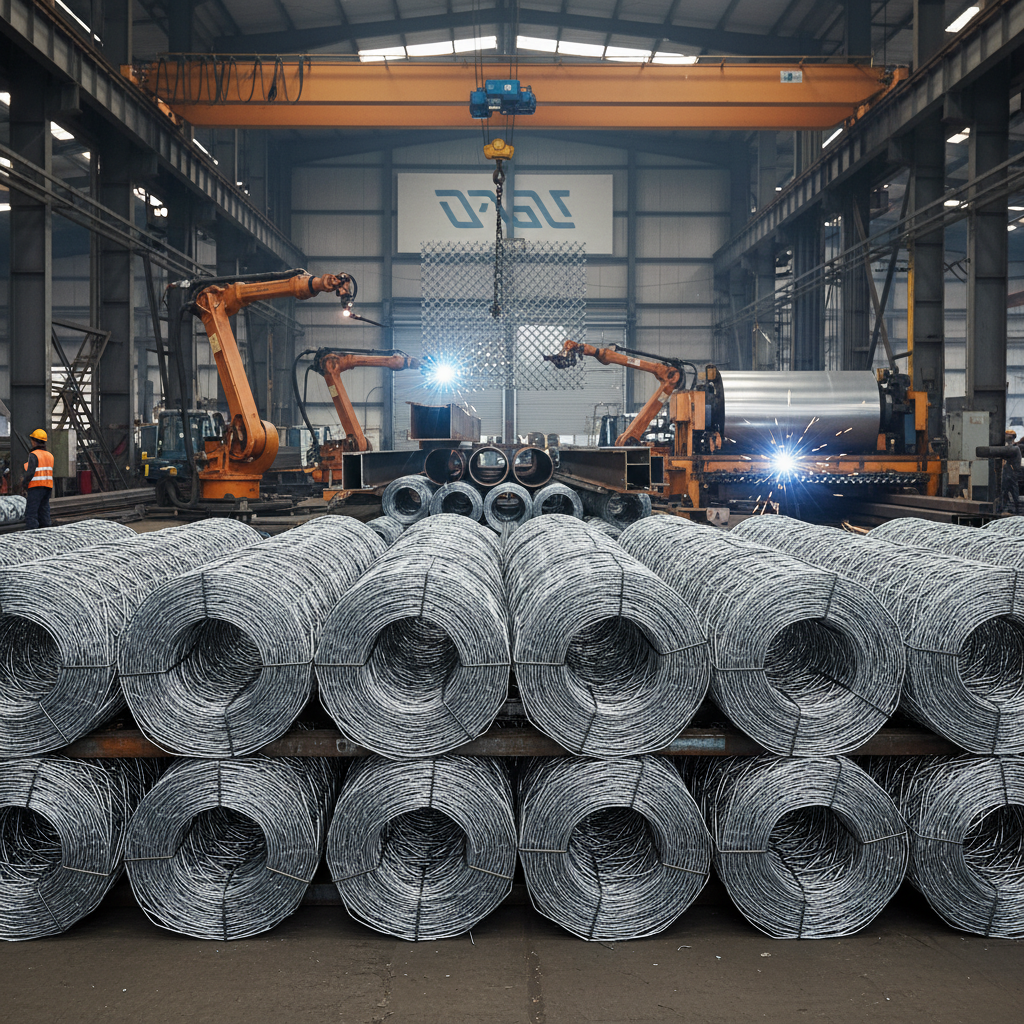
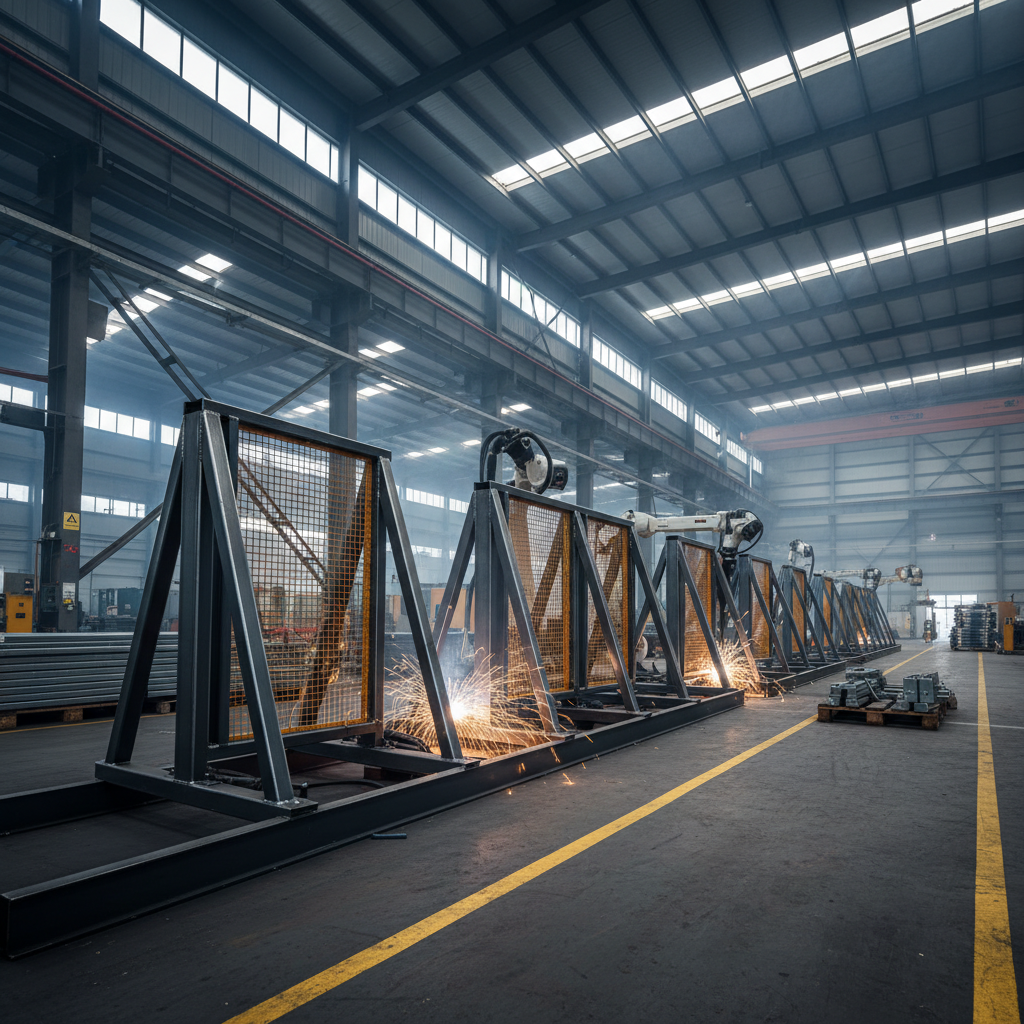
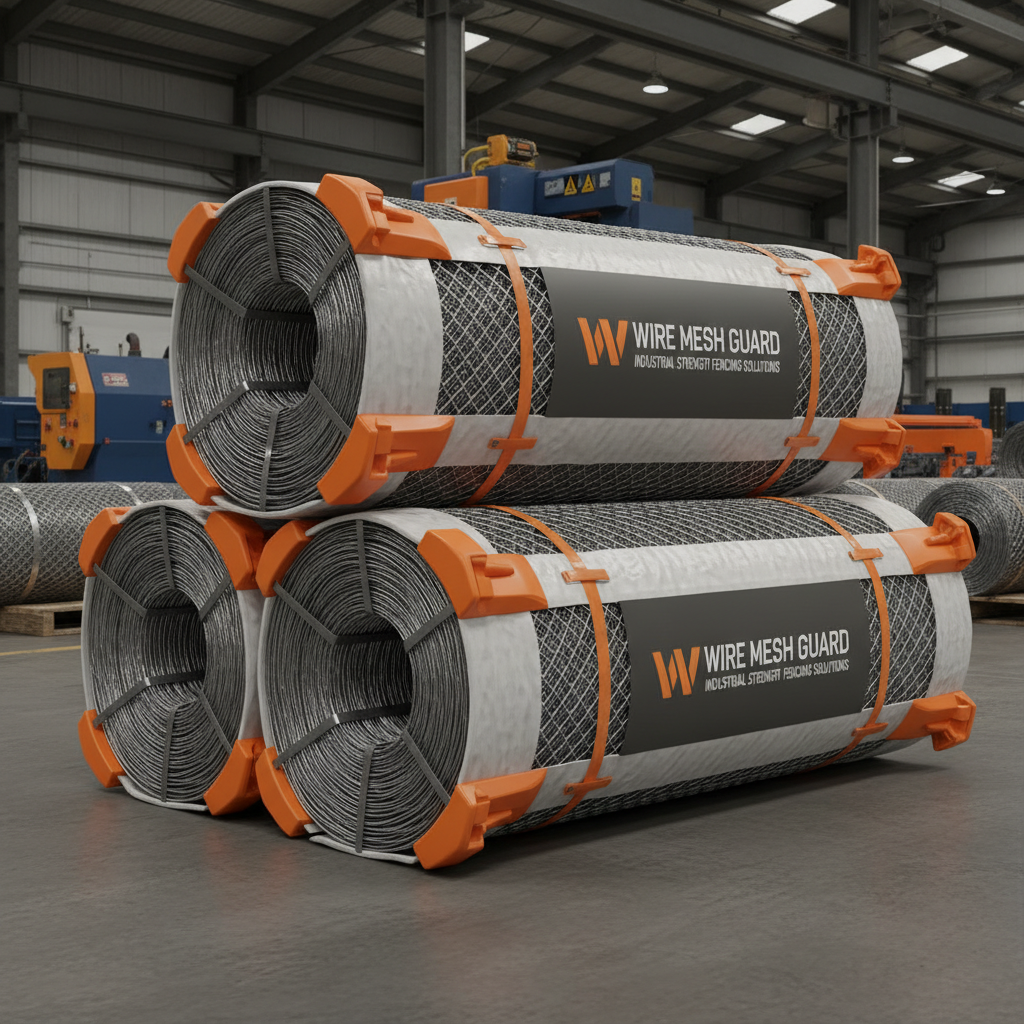
When it comes to securing perimeters, whether for industrial sites, agricultural lands, or residential properties, wire mesh fencing rolls offer an unparalleled combination of flexibility and strength. These versatile solutions allow for rapid deployment across diverse terrains, providing a reliable barrier that balances visibility with high-level security. By understanding the nuances of material grades and weaving patterns, property owners can significantly enhance their site safety while optimizing installation costs.
Across the global manufacturing landscape, the demand for high-quality wire mesh fencing rolls has surged as industries seek more sustainable and cost-effective ways to manage space and assets. From the adoption of galvanized coatings to prevent corrosion in coastal areas to the use of PVC-coated wires for aesthetic integration in urban environments, the evolution of wire mesh technology reflects a broader shift toward durable, low-maintenance infrastructure.
Investing in the right fencing solution is not merely about creating a physical boundary; it is about risk mitigation and operational efficiency. This guide explores the technical specifications, global applications, and future innovations of wire mesh fencing rolls, helping you navigate the complex choices between different gauges and coatings to ensure your investment provides long-term value and uncompromising protection.
Global Industry Context of Wire Mesh Fencing Rolls
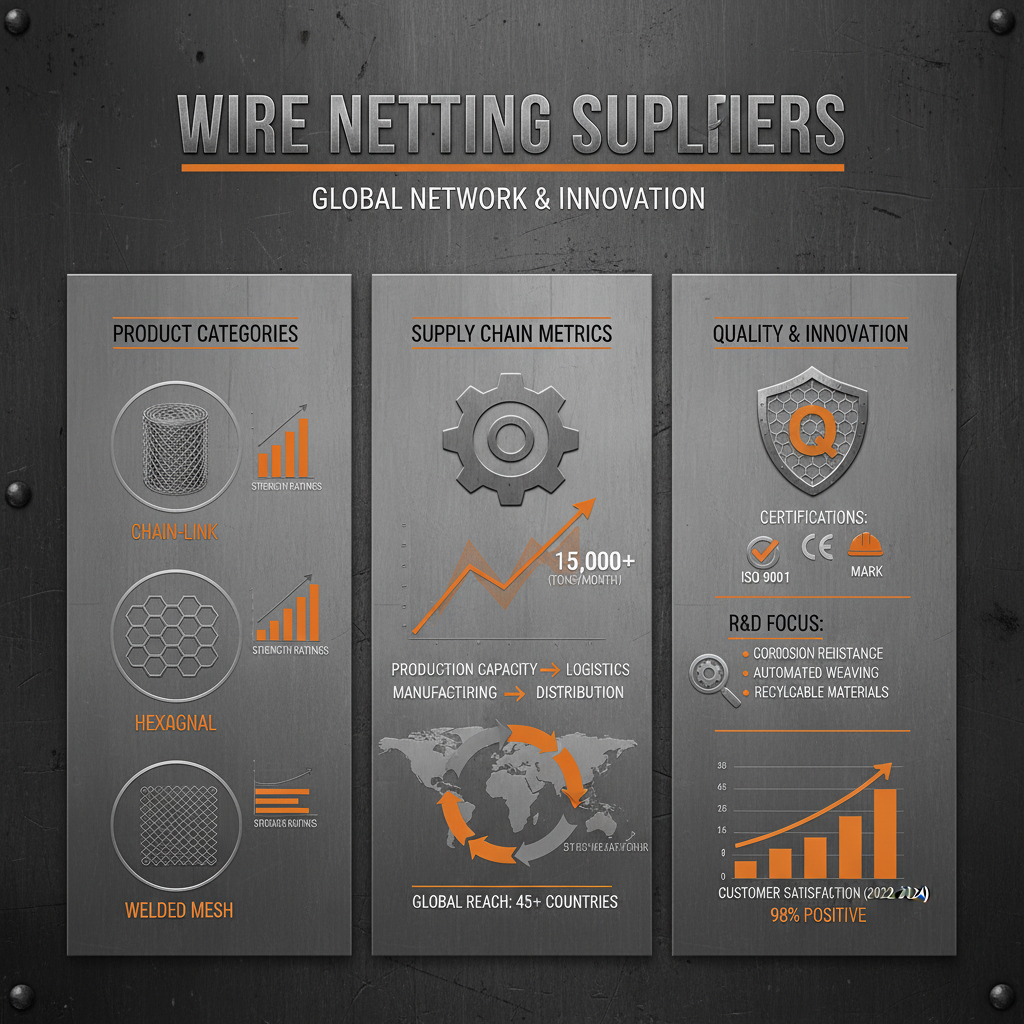
On a global scale, the perimeter security market is undergoing a significant transformation, with wire mesh fencing rolls remaining a cornerstone of infrastructure. According to industrial standards and ISO certifications, the emphasis has shifted from simple containment to integrated security systems. The ability to deploy rolls of mesh quickly across vast areas makes them indispensable for rapidly growing industrial zones and emergency boundary setting.
The challenge currently facing the industry is the balance between tensile strength and environmental resistance. In many developing regions, substandard materials lead to premature corrosion, resulting in high replacement costs and security breaches. This has led to a global push for higher galvanization standards (such as Z275) to ensure that wire mesh fencing rolls can withstand extreme weather conditions, from humid tropical climates to salty coastal air.
Defining the Technical Scope of Wire Mesh Fencing Rolls
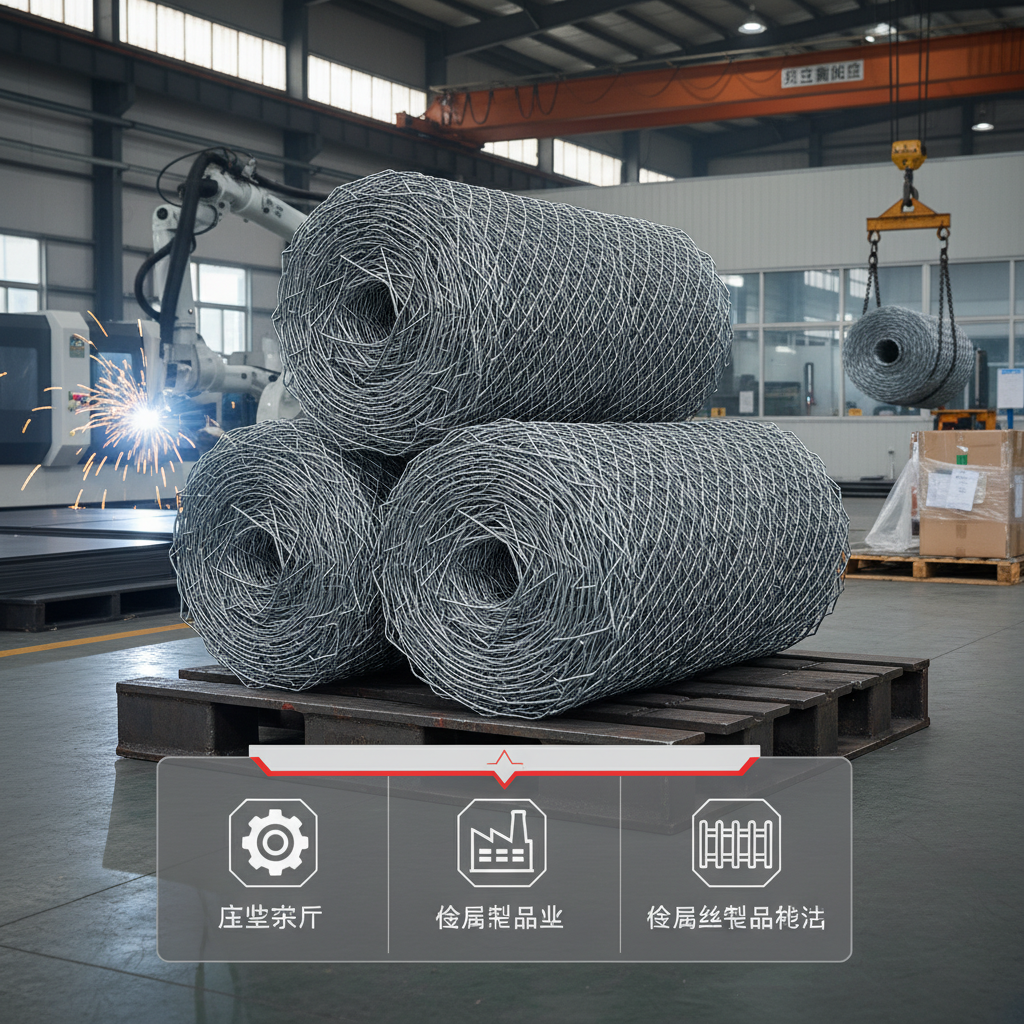
In simple terms, wire mesh fencing rolls are prefabricated lengths of interwoven or welded metal wires, wound into rolls for easy transport and installation. Unlike rigid panel fencing, the roll format allows for a continuous run of fencing that can adapt to the contours of the land, making it the preferred choice for hilly terrains or irregular property lines.
From an industrial perspective, these rolls are more than just "wire"; they are engineered products. The intersection of the wires—whether achieved through weaving (chain link) or welding (welded mesh)—determines the structural integrity of the fence. The gauge of the wire (the thickness) is carefully selected based on the intended security level, ranging from lightweight garden mesh to heavy-duty industrial barriers.
Moreover, these products address critical humanitarian and commercial needs. In post-disaster relief or temporary settlement zones, the speed of deployment offered by wire mesh fencing rolls is vital for creating safe spaces and organizing logistics. This versatility ensures they remain a staple in both the commercial construction and humanitarian aid sectors.
Core Components Influencing Fencing Performance
The durability of wire mesh fencing rolls is primarily dictated by the material coating. Hot-dipped galvanization is the industry gold standard, creating a metallurgical bond that protects the steel core from rust. For environments where aesthetics or extreme chemical resistance are required, a secondary PVC or powder coating is often applied over the galvanized layer.
Scalability and ease of installation are key factors. Because wire mesh fencing rolls can be cut to specific lengths on-site, they reduce material waste and lower transportation costs compared to pre-made panels. This flexibility allows contractors to scale their projects dynamically without needing a massive inventory of varied panel sizes.
Tensile strength and aperture size also play a critical role. A smaller mesh opening provides higher security and prevents small animals or debris from passing through, while a larger aperture offers better visibility and lower wind resistance. Selecting the correct balance ensures that the wire mesh fencing rolls serve their primary purpose without compromising the structural stability of the fence line.
Global Applications and Strategic Use Cases
The practical application of wire mesh fencing rolls spans across nearly every continent. In North America and Europe, they are frequently used for sporting facilities and residential privacy. In contrast, in the industrial hubs of Asia and the Middle East, these rolls are deployed in massive quantities to secure warehouses, oil refineries, and mining sites where vast perimeters must be enclosed efficiently.
Beyond traditional security, these rolls are used in specialized agricultural contexts. For example, in remote livestock farming zones, specific gauges of wire mesh are used to create predator-proof enclosures. In urban construction, temporary wire mesh fencing rolls act as essential safety barriers, preventing unauthorized access to dangerous sites and protecting pedestrians from construction debris.
Performance Comparison of Wire Mesh Fencing Roll Types
Long-Term Value and Economic Advantages
From a financial perspective, wire mesh fencing rolls offer a superior Return on Investment (ROI) compared to masonry walls or high-end electronic barriers. The low initial material cost, combined with the speed of installation, drastically reduces labor expenses. For large-scale projects, the ability to purchase in bulk rolls ensures a consistent material quality across the entire perimeter.
The long-term value is found in the minimal maintenance required. When high-grade galvanized wire mesh fencing rolls are used, the lifespan can extend to several decades with almost zero upkeep. This reliability provides peace of mind to business owners, knowing that their physical security is not subject to rapid degradation or frequent, costly repairs.
Future Innovations in Wire Mesh Technology
The future of wire mesh fencing rolls is being shaped by the "green" revolution. We are seeing the introduction of eco-friendly coatings that are free from toxic chemicals and the use of recycled steel in the production process. These sustainable practices ensure that infrastructure growth does not come at an unacceptable environmental cost.
Integration with digital technology is another emerging trend. "Smart Fencing" now involves embedding fiber-optic sensors within the mesh of wire mesh fencing rolls. These sensors can detect vibrations or cutting attempts in real-time, alerting security personnel to the exact location of a breach, thus merging physical barriers with digital intelligence.
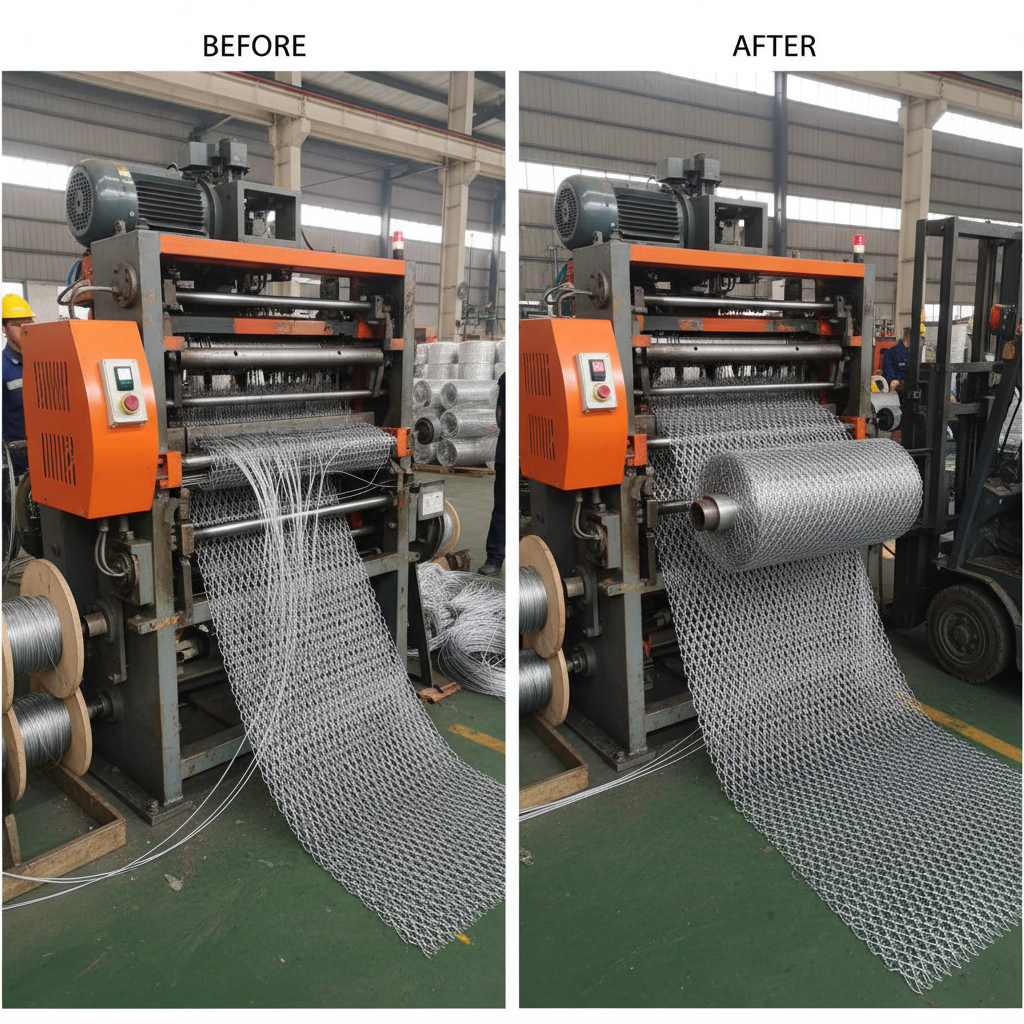
Furthermore, automation in the manufacturing process—such as AI-driven quality control—is ensuring that every roll produced has perfectly uniform aperture sizes and weld strengths. This reduction in human error means that users can trust the structural integrity of their wire mesh fencing rolls regardless of the batch or production date.
Overcoming Common Installation Challenges
One of the most common challenges when installing wire mesh fencing rolls is maintaining proper tension. Sagging fences are not only unsightly but also compromise security. To overcome this, professionals utilize high-tensioning tools and strategic placement of tension wires at the top and bottom of the roll to ensure the mesh remains taut across long spans.
Another frequent issue is the "end-of-roll" wastage and securing the mesh to the terminal posts. By using specialized tension bars and heavy-duty binding wire, installers can ensure a seamless transition from the roll to the post. Proper planning of post spacing is also critical; placing posts too far apart can lead to structural failure under wind load or physical impact.
Finally, corrosion at the cut edges of the mesh can lead to localized failure. The expert solution is to apply a cold-galvanizing spray or touch-up paint to any area where the protective coating was breached during cutting. This simple step significantly extends the life of wire mesh fencing rolls in harsh environments.
Technical Comparison of Wire Mesh Fencing Roll Specifications
|
Material Grade
|
Typical Application
|
Corrosion Resistance
|
Lifespan Score (1-10)
|
|
Hot-Dipped Galvanized
|
Industrial Perimeters
|
High
|
9
|
|
PVC Coated Steel
|
Residential/Gardens
|
Very High
|
8
|
|
Stainless Steel 304
|
Coastal/Marine Zones
|
Extreme
|
10
|
|
Electro-Galvanized
|
Temporary Fencing
|
Moderate
|
5
|
|
Welded Heavy-Gauge
|
High-Security Sites
|
High
|
9
|
|
Lightweight Mild Steel
|
Low-Risk Enclosures
|
Low
|
4
|
FAQS
Choosing the right gauge depends on the required security level. For light garden use, a thinner gauge (e.g., 12.5 gauge) is sufficient. For industrial or high-security areas, we recommend a thicker gauge (e.g., 9 or 11 gauge) to prevent cutting and increase impact resistance. Always consider the expected load and the possibility of attempted breaches when selecting your wire mesh fencing rolls.
Galvanized mesh is steel coated in zinc, providing excellent rust protection and a metallic look. PVC coated mesh has a plastic layer over the zinc, offering an additional barrier against corrosion and allowing for various colors (like green or black) to blend with the environment. PVC is generally better for coastal areas, while galvanized is preferred for industrial aesthetics.
Yes, this is one of their primary advantages. Because rolls are flexible, they can be draped and tensioned to follow the natural slope of the land. This avoids the need for extensive leveling or "stepping" the fence, which is required for rigid panel systems, making them highly cost-effective for hilly terrains.
The lifespan varies by coating. Electro-galvanized rolls may last 5-10 years in moderate climates. Hot-dipped galvanized rolls typically last 20-30 years. Stainless steel or high-quality PVC-coated options can exceed 30 years, depending on the environmental salt levels and maintenance (such as treating cut edges).
Welded mesh is generally more rigid and resists deformation better because the wires are fused at every intersection. Woven mesh (like chain link) is more flexible and easier to roll out over long distances. For maximum security and rigidity, go with welded; for ease of transport and flexibility on uneven land, woven is superior.
Preventing sag requires three things: sturdy terminal posts, a top tension wire, and the use of a professional tensioning tool during installation. Ensuring that the mesh is stretched to its rated tension before securing it to the posts will minimize future drooping and maintain the structural integrity of the perimeter.
Conclusion
In summary, wire mesh fencing rolls represent a critical intersection of efficiency, durability, and security. From the selection of high-grade galvanized coatings to the strategic application of different wire gauges, these products provide a scalable solution for a wide array of global needs—ranging from industrial site protection to agricultural containment. By focusing on the core components of tensile strength and corrosion resistance, users can ensure a long-term security investment that minimizes maintenance and maximizes property value.
Looking ahead, the integration of sustainable materials and smart-sensing technology will further elevate the role of wire mesh in modern infrastructure. We recommend that property managers and contractors prioritize ISO-certified materials to avoid the pitfalls of premature degradation. For those seeking the perfect balance of strength and versatility, exploring a variety of specialized rolls is the first step toward a secure and sustainable future. Visit our website for more professional solutions: www.chchfence.com