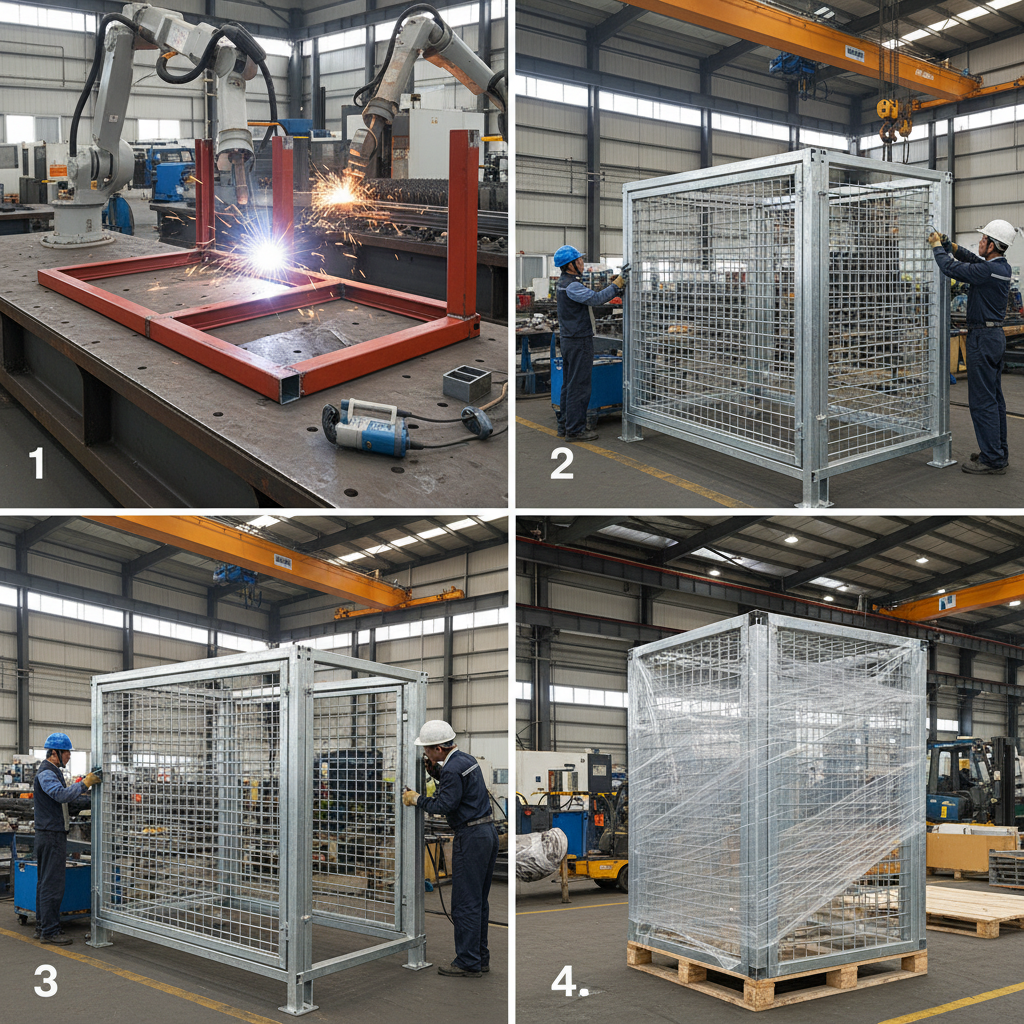
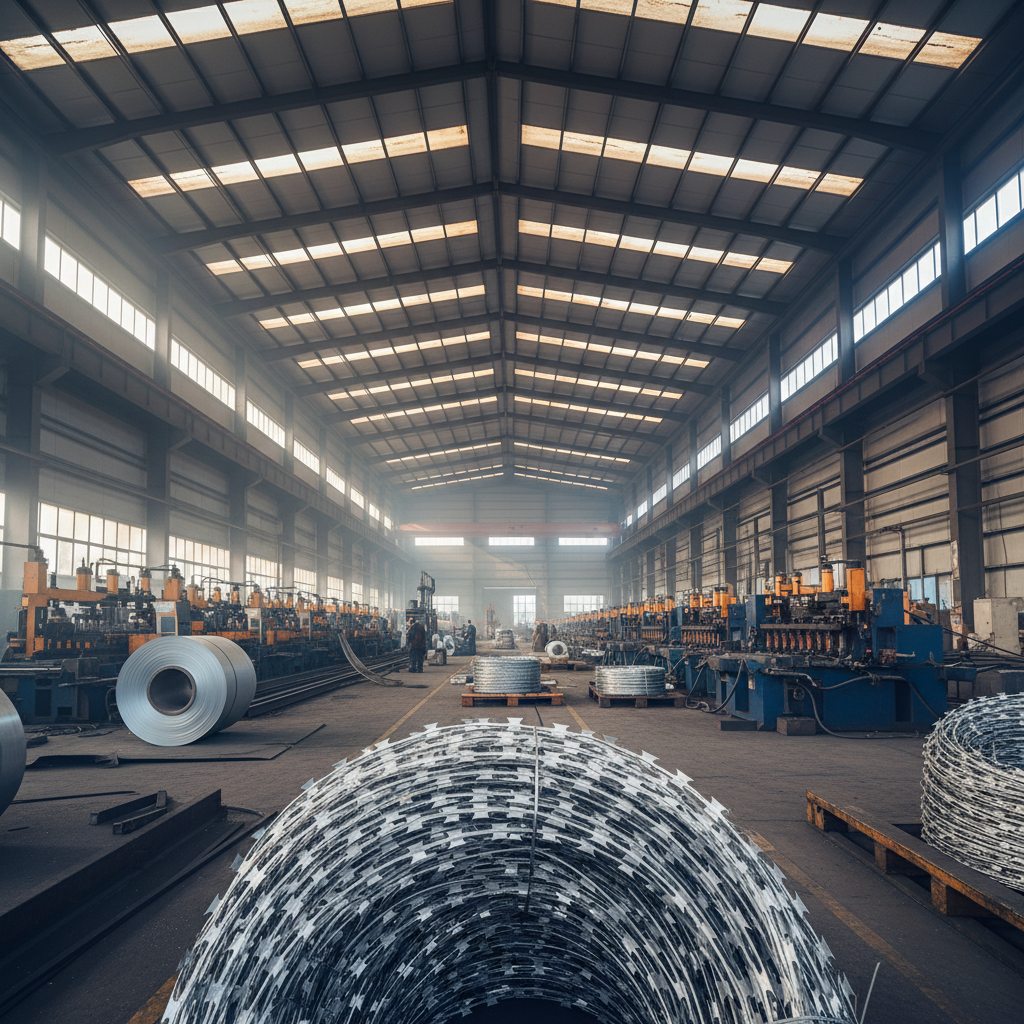
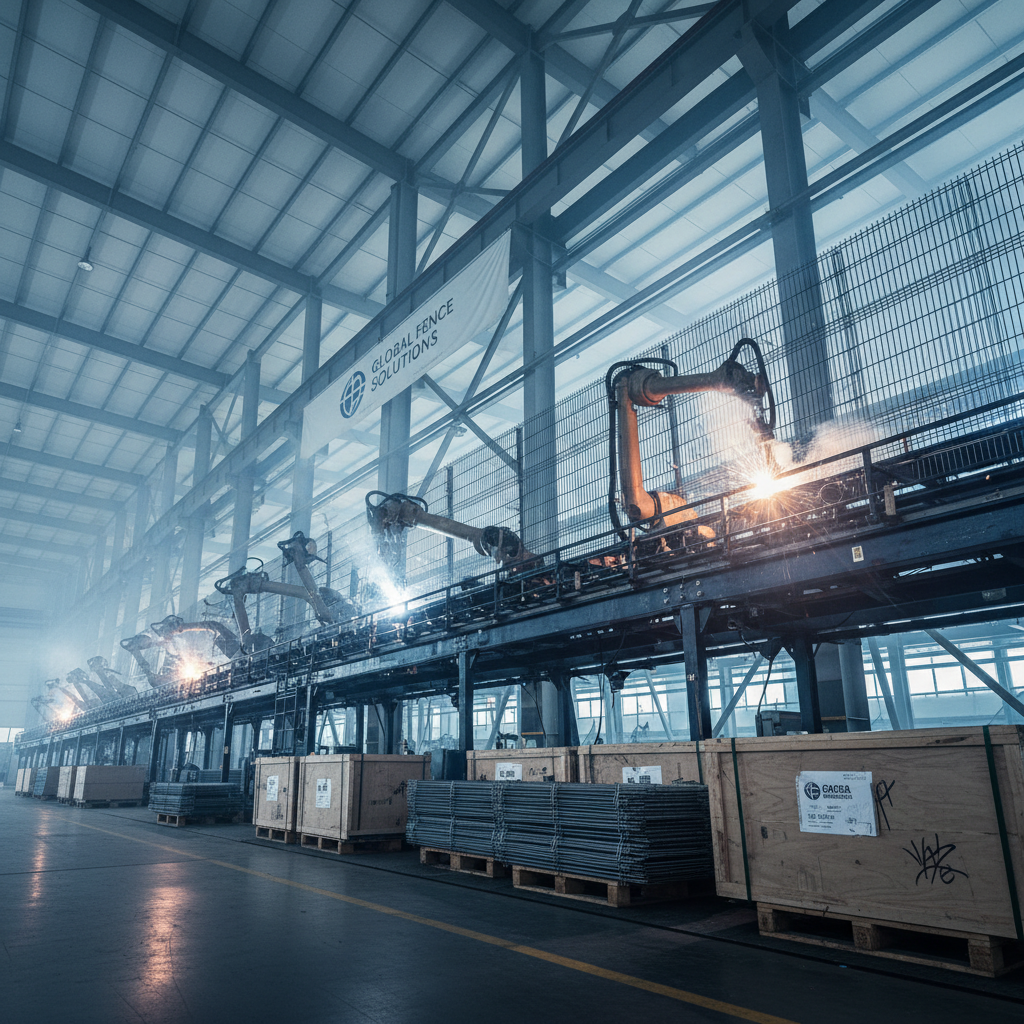
In the modern industrial landscape, the demand for secure, durable, and versatile containment solutions has led to the widespread adoption of the mesh cage. These structures, engineered from high-strength wire and steel, serve as critical infrastructure for everything from industrial storage and animal husbandry to high-security perimeter protection. By blending structural rigidity with visibility, they provide a functional balance that solid walls cannot offer.
Globally, the implementation of a high-quality mesh cage is essential for optimizing space management and ensuring safety in hazardous environments. Whether utilized in large-scale warehouses or specialized agricultural settings, these cages prevent unauthorized access and protect valuable assets from theft or accidental damage, making them a cornerstone of physical security.
Understanding the nuances of material selection—such as galvanized steel versus PVC-coated wire—is key to maximizing the lifespan of these assets. As industries shift toward more sustainable and modular designs, the evolution of the mesh cage continues to address the complex challenges of logistics, security, and operational efficiency across the globe.
Global Industry Context of Mesh Cage
The global market for industrial containment has seen a significant surge, with the mesh cage playing a pivotal role in supply chain security. According to ISO standards for metal products, the precision of wire welding and the quality of anti-corrosion coatings are paramount. In regions with rapid industrialization, the need for scalable storage solutions has made these cages indispensable for maintaining inventory integrity.
Many organizations face the recurring challenge of "inventory shrinkage" and workplace accidents. By implementing standardized mesh cage systems, companies can effectively isolate hazardous materials or high-value components, thereby reducing liability and improving overall operational safety in accordance with international occupational health guidelines.
Defining the Modern Mesh Cage
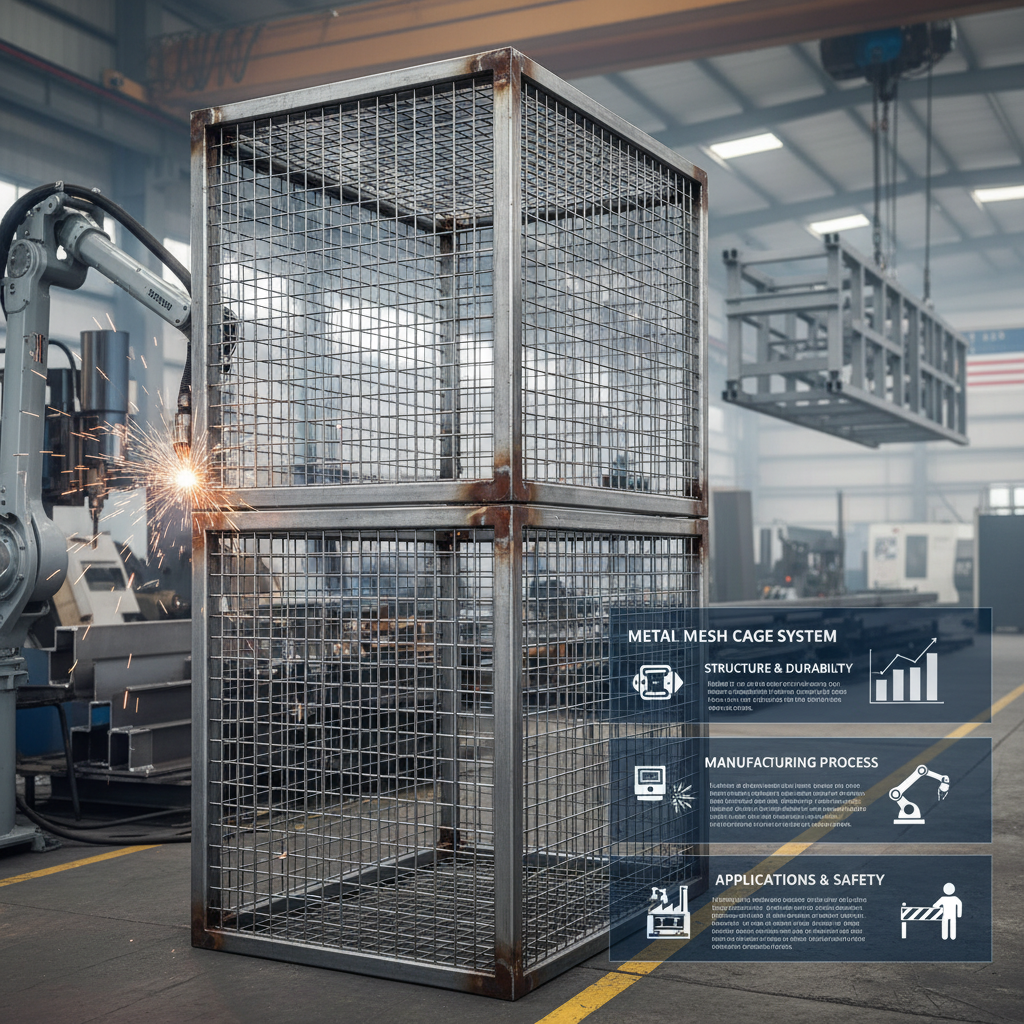
At its simplest level, a mesh cage is a three-dimensional enclosure constructed from interwoven or welded metal wires. Unlike solid containers, the mesh design allows for maximum airflow and complete visibility, which is essential for quick audits and preventing the buildup of moisture or gases in stored materials.
In the context of modern industry, these cages have evolved from simple wire boxes into sophisticated modular systems. They are often integrated with heavy-duty casters, locking mechanisms, and reinforced bases, allowing them to be moved via forklifts or pallet jacks while maintaining the structural integrity of the contents.
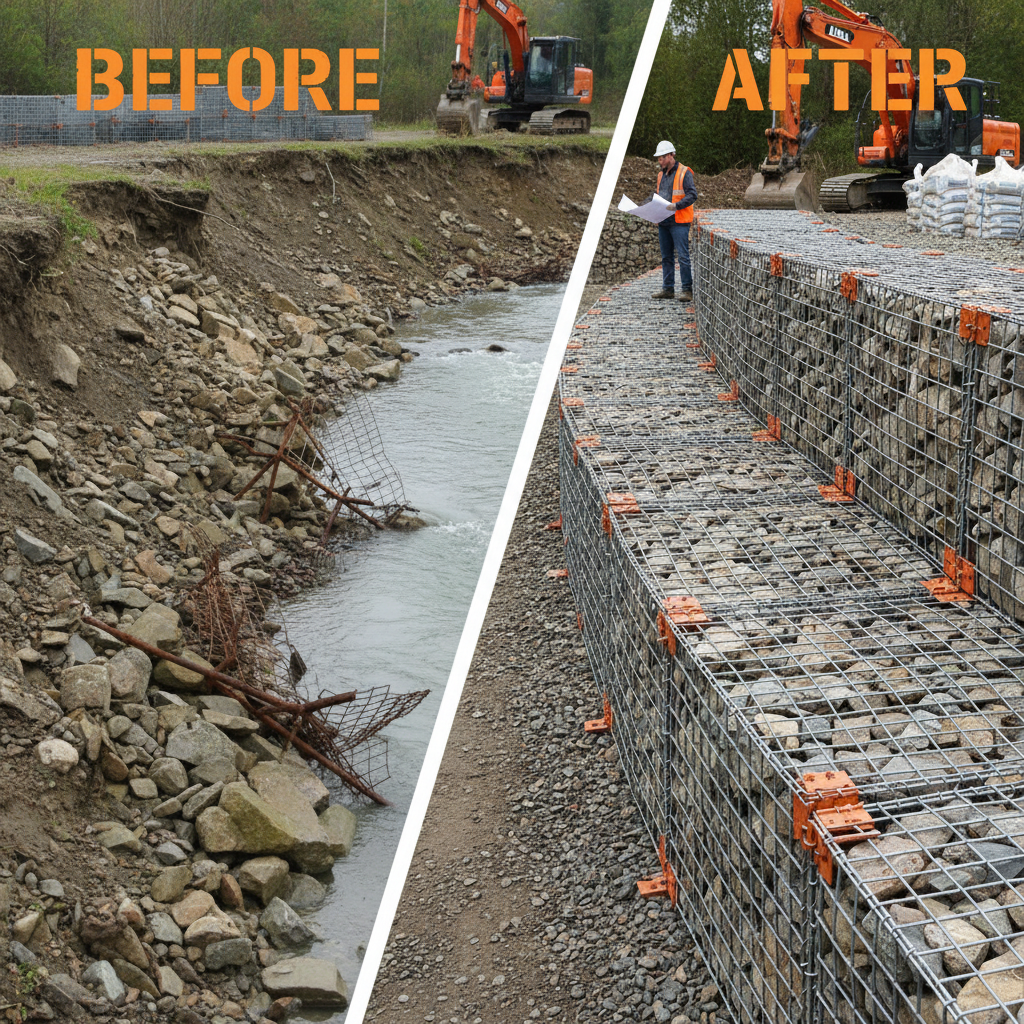
Beyond industrial use, the humanitarian sector utilizes specialized versions of the mesh cage for rapid deployment in disaster relief zones. These are used for secure equipment transport and temporary storage of medical supplies, demonstrating the versatility of the design in addressing urgent global needs.
Core Components of Durable Mesh Cage
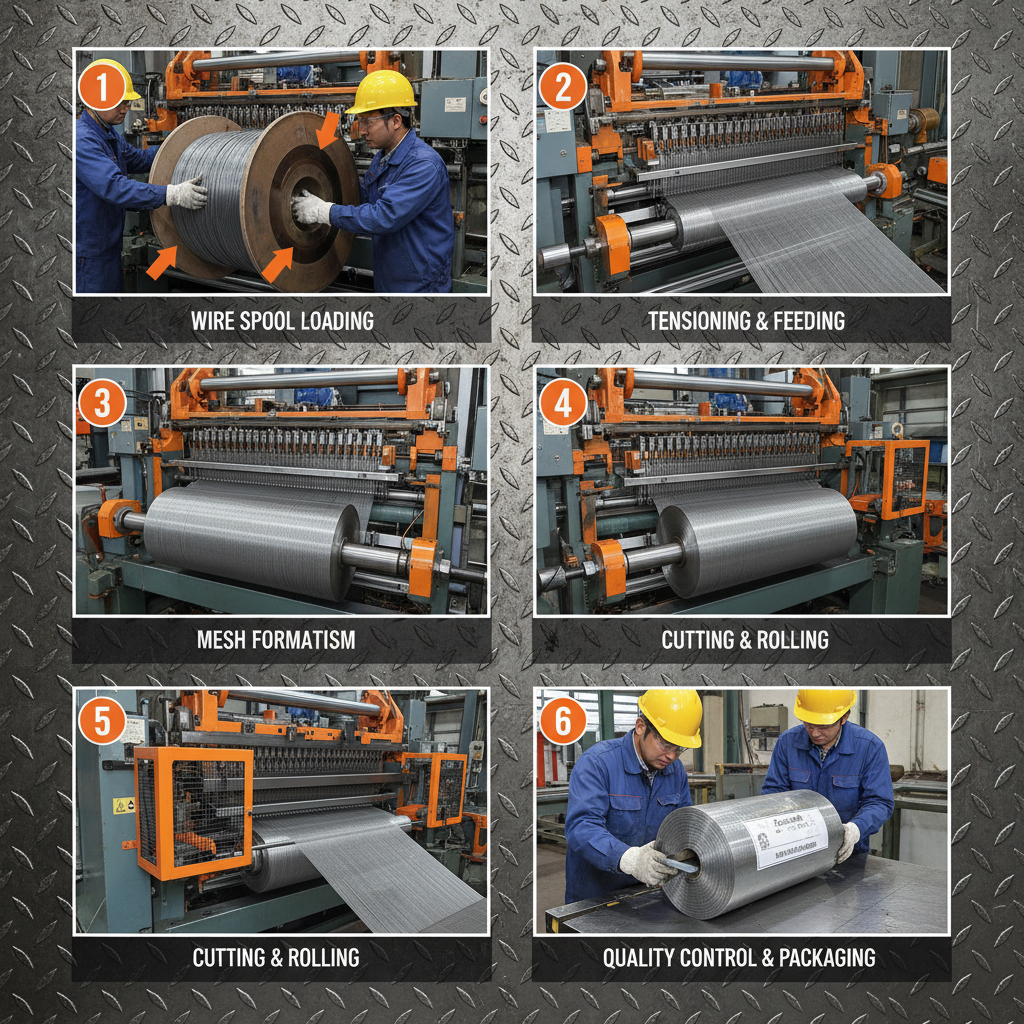
The longevity of a mesh cage depends heavily on its material composition. High-carbon steel is typically preferred for its tensile strength, while the welding points must be uniform to prevent structural failure under heavy loads.
Corrosion resistance is the second critical factor. Whether through hot-dip galvanization or electro-static powder coating, the mesh cage must be shielded from oxidation, especially when deployed in humid coastal regions or chemical processing plants.
Finally, scalability and modularity define the practical utility of the system. Modern designs allow for the stacking of cages, maximizing vertical warehouse space and allowing the mesh cage to adapt to changing inventory volumes without requiring a complete facility overhaul.
Global Applications of Mesh Cage
Across diverse sectors, the application of the mesh cage varies based on the specific environmental demands. In the automotive industry, they are used to transport heavy engine components between assembly lines, ensuring parts remain secure yet visible for quality control inspectors.
In remote industrial zones, such as mining sites in Australia or oil fields in the Middle East, heavy-duty versions of these cages are utilized for the safe transport of tools and spare parts. The ability to withstand extreme temperature fluctuations and physical impact makes them superior to plastic or wooden alternatives.
Comparative Performance of Mesh Cage Variants
Long-Term Value and Advantages
The long-term economic value of investing in a high-grade mesh cage lies in its extreme reliability. Unlike temporary storage solutions, a well-manufactured cage offers a lifespan of decades, significantly reducing the total cost of ownership (TCO) for the enterprise.
Beyond the numbers, there is a critical element of safety and trust. When workers know that hazardous materials are confined within a reinforced mesh cage, workplace anxiety decreases, and operational confidence increases, leading to higher productivity and a stronger safety culture.
Future Trends in Mesh Cage Innovation
The future of the mesh cage is being shaped by the digital transformation of the warehouse. We are seeing the integration of RFID tags and IoT sensors directly into the cage frames, allowing managers to track the location and contents of every cage in real-time via a centralized dashboard.
Sustainability is also driving material innovation. New eco-friendly coatings and the use of recycled steel are making the production of the mesh cage more sustainable, aligning industrial needs with global carbon-neutrality goals.
Automation is the final frontier. As autonomous mobile robots (AMRs) become standard in logistics, cages are being redesigned with standardized interfaces that allow robots to lift, move, and stack them without human intervention, drastically increasing the speed of internal logistics.
Common Challenges and Expert Solutions
One of the most common limitations is the susceptibility of low-end mesh cage models to deformation under extreme weight. To solve this, engineers recommend the use of reinforced corner bracing and thicker gauge wire at the load-bearing base, ensuring the structure doesn't sag over time.
Another challenge is the corrosion of weld joints in salty or acidic environments. The expert approach here is to move away from standard galvanization toward a dual-layer system: an initial zinc coating followed by a high-performance polymer powder coat, providing a double barrier against the elements.
Finally, the lack of standardization across different manufacturers can lead to compatibility issues when stacking. The solution is to adhere to strict dimensional standards (such as those provided by European or American industrial norms), ensuring that any mesh cage purchased can be integrated seamlessly into existing systems.
Technical Analysis and Selection Matrix for Mesh Cage Systems
| Material Type |
Corrosion Resistance |
Load Capacity |
Ideal Application |
| Galvanized Steel |
High |
Medium-High |
General Warehousing |
| Stainless Steel |
Excellent |
High |
Pharmaceutical/Food |
| Powder-Coated |
Medium |
Medium |
Indoor Electronics |
| PVC-Coated |
High |
Low-Medium |
Agricultural Use |
| Carbon Steel |
Low |
Very High |
Heavy Machinery Parts |
| Alloy Steel |
Medium-High |
High |
Aerospace Storage |
FAQS
The correct gauge depends on the weight of the contents and the frequency of movement. For heavy industrial parts, a thicker 4-6 gauge wire is recommended. For lightweight inventory, 8-10 gauge is sufficient. Always factor in a safety margin of 20% above your maximum expected load to prevent bowing or structural failure over time.
It depends on the environment. Galvanized cages are superior for outdoor use or high-moisture areas due to the chemical bond of zinc. Powder-coated cages are better for indoor environments where aesthetics and specific color-coding for inventory management are required, though they can chip if subjected to heavy physical impact.
Yes, most professional manufacturers offer custom fabrication. Dimensions can be adjusted to fit specific warehouse racking or to accommodate oversized equipment. Customization options often include reinforced bases, specialized door locks, and custom mesh aperture sizes to prevent smaller items from falling through.
A high-quality, hot-dip galvanized or stainless steel cage can last 15 to 25 years depending on the usage intensity. Regular inspections of the weld points and the application of touch-up paint on scratches can further extend the lifespan by preventing localized corrosion.
Yes, provided they are designed for stacking. Look for cages with "stacking feet" or integrated interlocking rims. Always adhere to the manufacturer's maximum stacking height to ensure the bottom cage can support the cumulative weight without collapsing, maintaining a safe environment for staff.
When importing, ensure the supplier provides ISO certification and detailed material mill test reports. To reduce shipping costs, look for "collapsible" or "flat-pack" mesh cage designs that can be assembled on-site. Partnering with a manufacturer who understands international shipping standards is key to avoiding customs delays.
Conclusion
In summary, the mesh cage is far more than a simple storage box; it is a strategic asset that enhances security, optimizes space, and ensures safety across various global industries. From the meticulous selection of galvanized materials to the integration of IoT tracking, these structures provide a scalable solution to the timeless problem of secure containment.
Looking forward, the shift toward sustainable materials and automated logistics will only increase the importance of high-quality, standardized mesh solutions. We encourage business owners and facility managers to prioritize long-term durability over short-term cost savings to ensure a safer and more efficient operational future. For professional-grade solutions, visit our website: www.chchfence.com